




Deadly algae prompts ‘full-body contact’ closure at Colorado lake
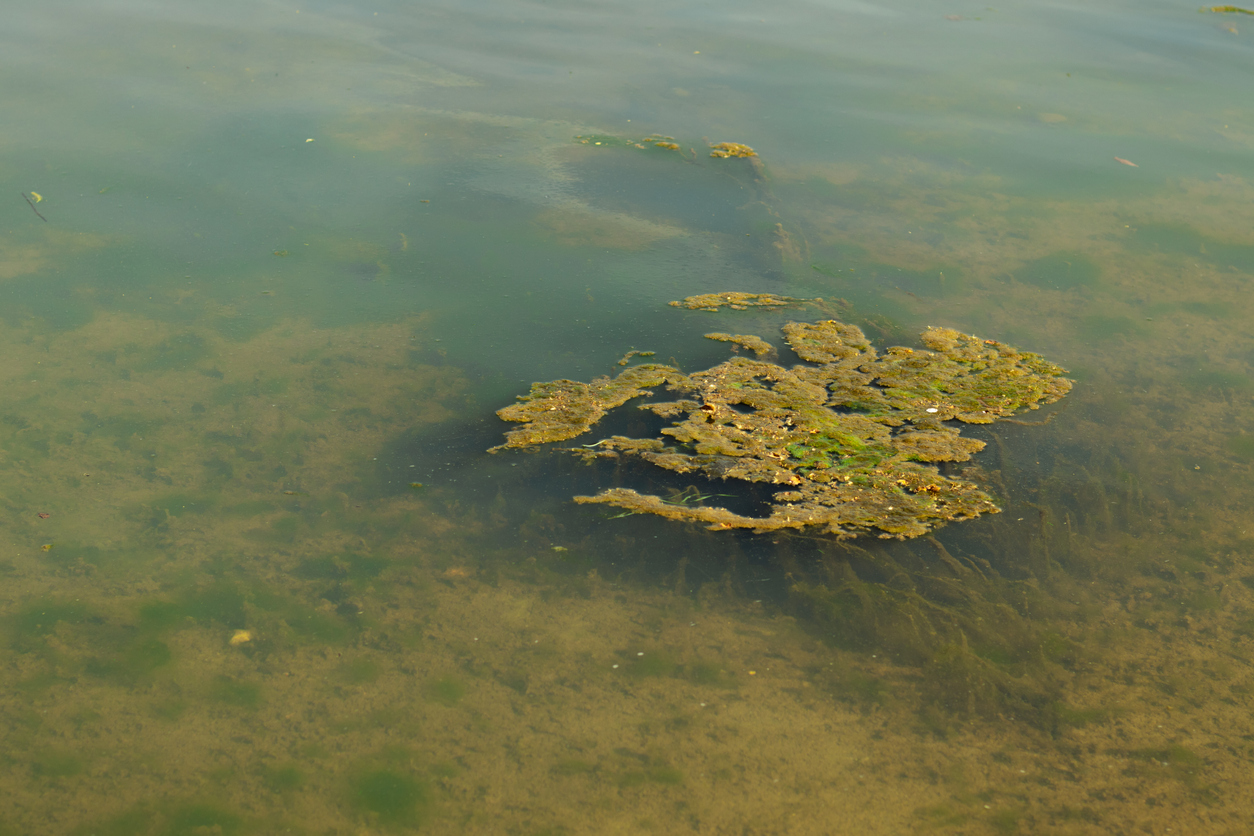
A ‘full-body contact’ closure has been issued at Colorado’s DeWeese Reservoir State Wildlife Area after algae with the potential to be deadly has been detected in the lake.
The algae that was found was toxic blue-green algae, which can be harmful to people and pets if touched. Sensitive people will more commonly get a rash from the algae, though it can be fatal if ingested. This is one reason why it’s particularly problematic for dogs.
The detection came after water was tested when a turquoise-colored film was spotted on the reservoir.
While fishing is still allowed at the destination, all recreation involving contact with the water has been banned, including but not limited to swimming, skiing, paddle-boarding, and wading.
“It’s also important to take care when handling and cleaning any fish caught in DeWeese. Toxins accumulate in the liver and guts of fish. So it’s important any fish taken is properly cleaned and thoroughly cooked before eating it,” said CPW District Wildlife Manager Justin Krall.
“Algae has become a seasonal problem at DeWeese, forcing CPW in recent summers to close the water to all activity except fishing to prevent the risk of exposure to humans and their pets,” said Krall. “This year, the algae bloom was delayed. But now it’s happening and people need to take precautions.”
Those who may be exposed to blue-green algae should shower immediately.
Algae blooms tend to occur when temperature rise in the summer. Frequent samples are taken on many bodies of water around the state to monitor water quality and to detect dangerous substances. CPW will continue to test water at DeWeese and water activities will reopen once algae levels have returned to a safe level.
DeWeese Reservoir State Wildlife Area spans 300 acres near Westcliffe and is best known for fishing, though other common recreation activities at the destination include hiking, wildlife spotting, camping, and picnicking.
STAY INFORMED: Get free Colorado news with our daily newsletter (Click here)

Get OutThere
Signup today for free and be the first to get notified on new updates.
PREV
PREVIOUS
Viral 'Hank the Tank' bear captured, to avoid euthanization via transfer to Colorado
On August 4, California officials safely captured a large female black bear that’s been involved in at least 21 DNA-confirmed home break-ins in the South Lake Tahoe area since 2022, also capturing her three cubs. Based on visual observations, the large black bear is one of several that the public has been referring to as […]
73-year-old woman found alive after 5 days missing in Colorado backcountry
According to the Mesa County Sheriff’s Office, a 73-year-old woman who went missing in a remote area of White River National Forest on August 2 was found alive on Monday morning. Greda Machuga of Westminster was first reported missing by family when she did not return from an outing near Alsbury Reservoir. This prompted a […]