








As federal pressure mounts, Colorado Gov. Jared Polis insists ‘sanctuary’ label is ‘incorrect’
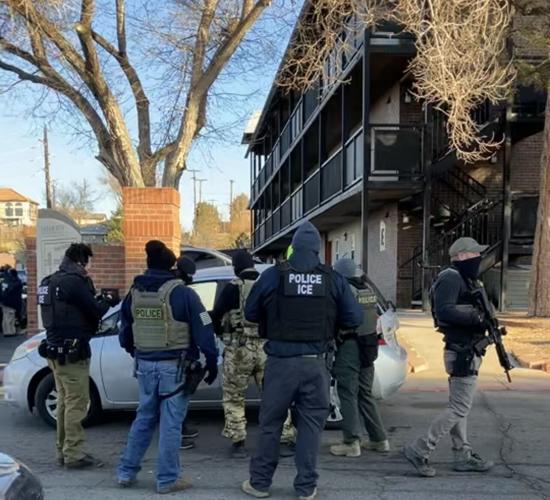
FILE PHOTO: In a coordinated effort on Feb. 5, 2025, U.S. Immigration and Customs Enforcement officials detain an immigrant suspected of residing in the country illegally during a raid at the Cedar Run Apartment complex in south Denver.
Nicole C. Brambila/Denver Gazette
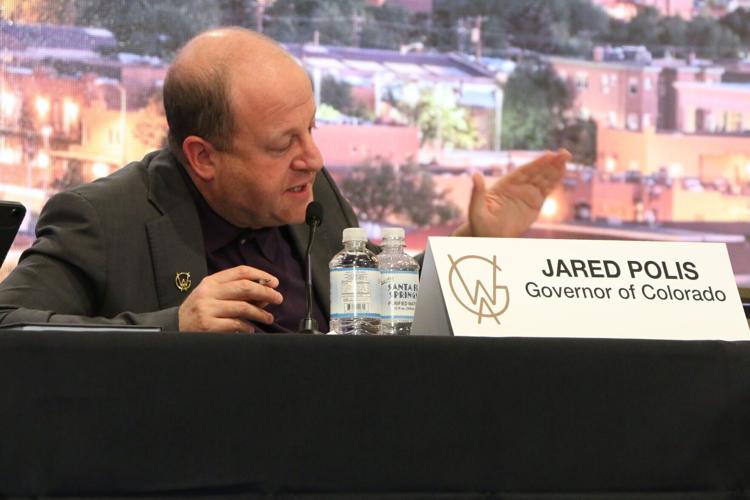

Gov. Jared Polis insisted Colorado is not a “sanctuary” state and added he is “frustrated” by the label — a few months after he signed a law that expands the prohibition on cooperating with federal agents on immigration enforcement.
The sanctuary label is typically applied to cities and states that either discourage or actively prevent cooperation by local agencies with immigration agents. Both Denver and the state of Colorado have long adopted such laws.
On Thursday, Polis’ office told Colorado Politics that “Colorado is not a sanctuary state.” It’s not the first time he has insisted that the label is erroneous.
“The governor continues to be frustrated by this mistaken and incorrect label and the lack of transparency from the federal administration on this and many other items,” his office said. “In Colorado, we are improving public safety, apprehending dangerous criminals, cooperating with federal law enforcement on criminal investigations, and keeping our communities safe. The governor encourages the federal administration — and Congress — to focus on actually securing the border, decreasing violent crime, increasing transparency, and passing real immigration reform.”
Polis offered the statement as U.S. Attorney General Pam Bondi and federal officials are ramping up efforts against states and cities with “sanctuary” policies.
Earlier this month, the Department of Justice published a list of cities, counties and states that — the agency said — “impede enforcement of federal immigration laws.”
In total, the list included 13 states, four counties, and 18 cities. Among the states is Colorado; also included in the list is Denver, whose mayor appeared before Congress earlier this year in a hearing about sanctuary jurisdictions.
“Sanctuary policies impede law enforcement and put American citizens at risk by design,” Bondi said earlier this month. “The Department of Justice will continue bringing litigation against sanctuary jurisdictions and work closely with the Department of Homeland Security to eradicate these harmful policies around the country.”
The tension escalated in the last few days, when the DOJ sent a letter to local officials, asking them to respond by Aug. 19 to “(confirm) your commitment to comply with federal law and identify the immediate initiatives you are taking to eliminate laws, policies, and practices that impede federal immigration enforcement.”
“You better be abiding by our federal policies and with our federal law enforcement, because if you’re not, we’re going to come after you,” Bondi told Fox News last week, referring to leaders of sanctuary jurisdictions. “Our leaders have to support our law enforcement.”
When asked if Polis or Denver Mayor Mike Johnston could face arrest if Colorado does not meet the federal demands, Natalie Baldassarre, a senior media affairs manager for the DOJ, told Colorado Politics on Thursday, “I’m not able to comment on potential future actions.”
Baldassarre said that, while she could not speculate on potential future action against state and city leaders, she noted that the federal government has filed lawsuits against Colorado, Los Angeles, New York State, Illinois, Rochester and New Jersey to officially “invalidate unconstitutional sanctuary policies.”
Polis has sent several letters to Bondi and the DOJ to argue his point. On Aug. 19, Polis insisted Colorado is not a sanctuary state because it “fully cooperates with federal authorities in identifying, apprehending, and prosecuting criminals — regardless of immigration status.”
In July, a state employee sued Polis after the governor decided he would comply with a request from immigration authorities, who are seeking information related to unaccompanied minor children that the federal government said could be tied to child trafficking.
In filing the lawsuit, the state employee cited Colorado’s law that prohibits cooperation with federal authorities.
Colorado has, for years, limited cooperation between federal immigration agents and local authorities.
In particular, a law, expanded this year, expressly prohibits all state agencies and political subdivisions from sharing or inquiring into individuals’ personal identifying information to enforce immigration laws. The law imposes a civil fine of $50,000 for each violation.
That prohibition does not extend to criminal investigations.
In the Aug. 19 letter to Bondi, Polis said, “Colorado has and will continue to comply with federal law. Colorado, like many states, will not allow the federal government to commandeer our public safety resources, and our right to do so is protected by the Tenth Amendment of the Constitution.”
Meanwhile, Colorado Attorney General Phil Weiser filed a civil lawsuit against a Mesa County Sheriff’s Office deputy who communicated to ICE — via a routinely used multi-agency communications channel — about a college student who has overstayed her visa.
In announcing the lawsuit on Tuesday, Weiser said it aims to require the deputy to “follow state laws that bar state agency and local government employees from cooperating with federal officials on immigration civil enforcement actions.”
In response, the sheriff of Mesa County said Weiser’s decision to sue is “demoralizing,” arguing it sends the message that the state’s top law enforcement office is selectively enforcing a state law barring cooperation with federal immigration agents — and for “maximum political effect.”
The deputy and several other officers have been placed on unpaid leave and reassigned to patrol duties.
Marianne Goodland and the Washington Examiner contributed to this report.


Primary challenges surge as Colorado lawmakers head into 2026 election cycle
Marianne Goodland
marianne-goodland@denvergazette.com
Updated 5 minutes ago
As the 2026 election cycle begins, an unusually large number of Colorado lawmakers — many appointed through the vacancy process — are facing primary challenges that reflect deepening divisions within both major parties. But it isn’t only open seats that...

Marianne Goodland
Reporter
SafeSport names Mosley new CEO amid national scrutiny
O'Dell Isaac
odell-isaac@denvergazette.com
Updated 7 minutes ago
The U.S. Center for SafeSport, an independent watchdog organization dedicated to combating physical, sexual and emotional abuse in amateur sports, has named Olympic gold medalist Benita Fitzgerald Mosley as its new CEO, according to a Tuesday news release. Mosley, a...

O'Dell Isaac
Reporter

Broncos activate LB Karene Reid off IR, add DB Tanner McCalister, OL Geron Christian to practice squad
Chris Tomasson
chris.tomasson@gazette.com
Updated 28 seconds ago
The Broncos might have their 53-man roster set for the start of the playoffs. Denver on Tuesday activated rookie linebacker Karene Reid off injured reserve to fill an open spot. They also signed defensive back Tanner McAlister to the practice...

Chris Tomasson
Reporter
Bloody burial hole found after avalanche caused by teens ducking rope at Utah ski resort
Spencer McKee
spencer@outtherecolorado.com
Updated 40 minutes ago
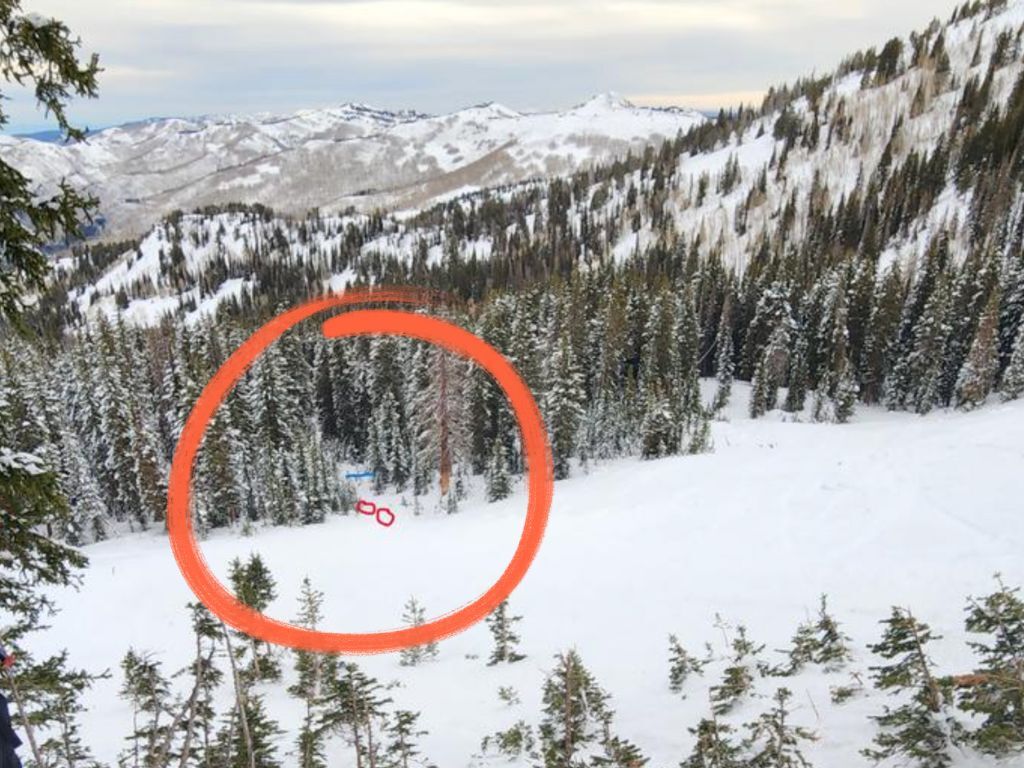
This topic comes up after a serious life-threatening incident at least once a ski season – don’t duck resort ropes to access closed terrain, as terrain that’s roped off at resorts may pose serious avalanche risk or feature other hazards....

Spencer McKee
Reporter

National Western Stock Show to attract more than 700K over 16 days in Denver
Jen Mulson
jen-mulson@denvergazette.com
Updated 2 hours ago
Colorado is known for many things, not least of which is its Western heritage. The 120th annual National Western Stock Show pays homage to our history with thousands of events, including rodeos, horse shows, a Wild West show, Western art...

Jen Mulson
Reporter
Marvell to buy networking equipment firm XConn in $540 million deal
Reuters
reuters@denvergazette.com
Updated 1 hour ago
Marvell Technology said Tuesday it will buy networking equipment provider XConn Technologies in a deal worth about $540 million, as the chipmaker doubles down on data center hardware amid a race to expand artificial intelligence infrastructure. XConn’s acquisition will help...

Reuters
Reporter

Morgan Stanley files for bitcoin, solana ETFs in digital assets push
Reuters
reuters@denvergazette.com
Updated 1 hour ago
Morgan Stanley is seeking regulatory approval to launch exchange-traded funds tied to the price of cryptocurrency tokens, according to filings with the U.S. Securities and Exchange Commission on Tuesday, the first such move by a big U.S. bank. The bank...
Reuters
Reporter

AB InBev buys back stake in U.S. metal packaging plants for $3 billion
Reuters
reuters@denvergazette.com
Updated 1 hour ago
Anheuser-Busch InBev will buy back a 49.9% stake in its U.S. metal container plants for about $3 billion, the world’s top brewer said Tuesday, at a time of soaring aluminium costs due to tariffs. The maker of Budweiser and Corona...
Reuters
Reporter

Denver council chambers to get $1.5 million remodel
Deborah Grigsby
deborah.smith@denvergazette.com
Updated 8 minutes ago
Denver’s historic City Council Chambers is getting a makeover that will bring the space, including the dais where council members sit, into compliance with the Americans with Disabilities Act. The cost of the six–month renovation project is approximately $1.5 million,...

Deborah Grigsby
Reporter

NBCUniversal’s ad slots for 2026 Winter Olympics sell out to ‘unprecedented’ demand
Reuters
reuters@denvergazette.com
Updated 1 hour ago
NBCUniversal has sold out advertising spots for the 2026 Winter Olympics in Italy a month before the start of the Games in early February, the Comcast-owned company said Tuesday. More than 100 new advertisers have signed on for the Milano...
Reuters
Reporter