








EDITORIAL: Misplaced blame for Colorado’s ozone woes
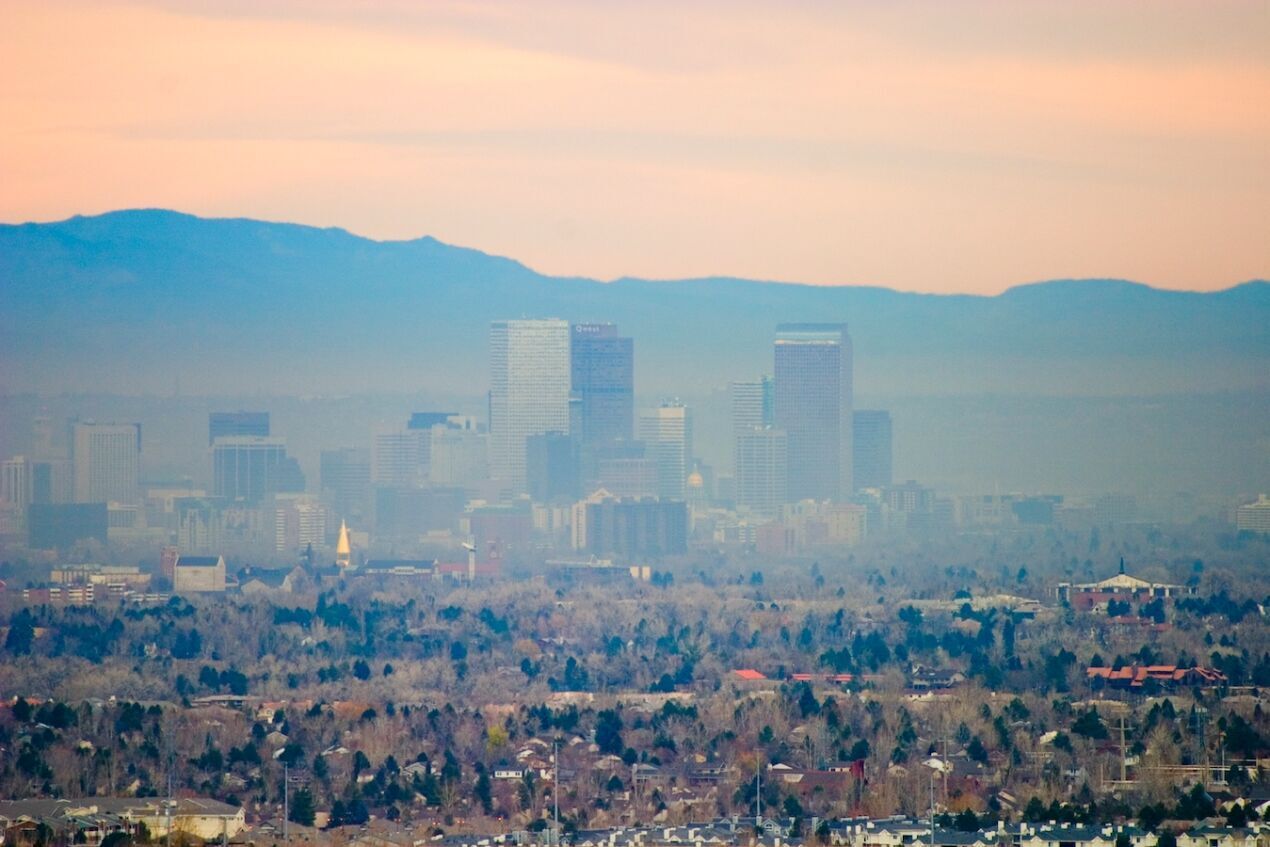
Colorado’s Front Range air quality problem is real. The smog often obstructs our view of the state’s natural beauty while impacting health conditions.
Yet even as regulators target oil and gas development as the presumed source, the real ozone culprits are Colorado’s natural geography and out-of-state pollution — not the industry they’re eager to blame.
As The Gazette reported recently, the Air Quality Control Commission voted 7-2 to mandate an additional 50% cut in nitrogen-oxide emissions from oil and gas operations by 2030 — just five years from now. Nitrogen-oxide combines with volatile organic compounds in the air to form toxic ozone.
On paper, the goal is to meet tighter EPA ozone standards — ratcheted down from 84 parts per billion in 1997 to 70ppb in 2015. Colorado meets the 1997 standards, but the limit set in 2015 — based on a three-year average from 2024-2026 — currently remains out of reach.
Oil and gas makes for a convenient scapegoat, but the industry doesn’t drive Denver’s ozone problem. The Polis administration’s own State Implementation Plan indicates less than 4% of Denver-area ozone comes from oil and gas. Regional monitoring data from the National Renewable Energy Lab (now National Laboratory of the Rockies) and Fort Collins West confirms single-digit contributions across the region.
Meanwhile, the Regional Air Quality Council estimates up to two-thirds of our ozone comes from “background concentrations” — pollution blowing into the North Front Range from out-of-state sources, which gets supercharged by geography and climate.
Morning winds push pollutants upslope toward the mountains; overnight winds toss them back down to the Front Range — creating a stagnant pocket where pollutants accumulate and recirculate.
The seasons exacerbate the problem. Summer heat, intense sunlight and low humidity generate more ozone. Winter brings temperature inversions that trap pollutants near the ground as dry air cranks up the reactivity of ozone-causing compounds.
Wildfires make it worse, too. The same factors that spread fires farther and wider send smoke that contributes substantially to ozone on “wildfire days.”
In a recent Perspective for The Gazette, Barney Strobel — a chemical engineer who spent over a decade as a field engineer in air-pollution compliance — identified 19 “wildfire days” in 2024 that, if responsibly removed from the daily count, would bring the annual total near the 2015 standard.
Federal law allows removing such anomalies, treating “wildfire days” almost like jury selection. That seems like a prudent step.
Similarly, as The Gazette reports, industry groups have petitioned Gov. Jared Polis to request federal waivers for such “imported” pollution to avoid the impending air quality downgrade and more stringent regulations.
For reasons we can’t quite fathom, regulators refused. Reportedly, Polis believes the mandates will drastically improve air quality and contribute to the state’s anti-ozone efforts. It’s hard to see how that’s the case when oil and gas contributes such a small proportion to the problem.
None of the factors we’ve discussed can be controlled by regulators, no matter how much they want to believe otherwise. They could seek federal waivers for the two-thirds of ozone blowing in from elsewhere. They could exclude wildfire anomalies as law allows.
Instead, they’re hammering an industry responsible for a fraction of the pollution — because oil and gas makes a politically convenient fall guy, even when the data say otherwise.
Where are the regulators who will follow the science?


EDITORIAL: Guess who’ll be minding Denver’s sheltered
The Gazette Editorial Board
thegazette-editorial-board@gazette.com
Updated 1 day ago
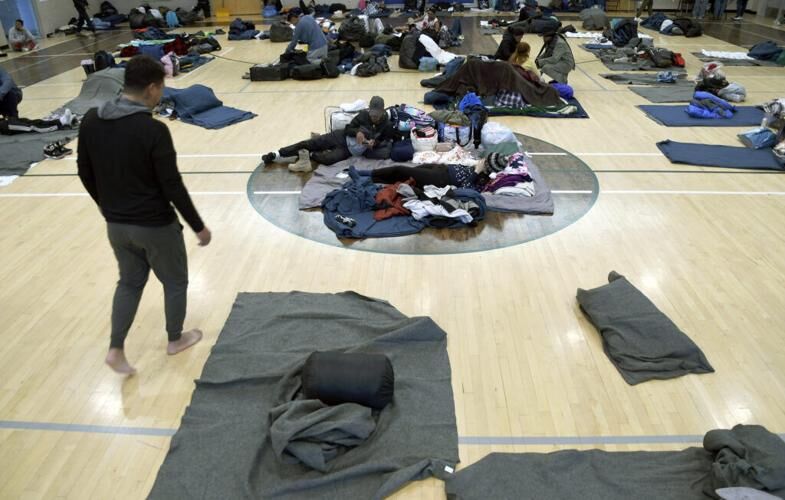
The hardcore “homeless” population that regularly wanders the streets of the Denver metro area is disproportionately afflicted by addiction. That typically means illegal drug use — heroin, meth, fentanyl — and the lawbreaking lifestyle that goes with it. So, here’s...
The Gazette Editorial Board
Reporter

EDITORIAL: More school data to inform Coloradans’ concerns
The Gazette Editorial Board
thegazette-editorial-board@gazette.com
Updated 2 days ago
What ails public education in our state? A lot of things, say Coloradans recently surveyed on the subject — but the upshot is a general sense that our schools are on the wrong track. In fact, most of the 1,000-plus...
The Gazette Editorial Board
Reporter

EDITORIAL: Any Coloradans for a multibillion-dollar tax hike?
The Gazette Editorial Board
thegazette-editorial-board@gazette.com
Updated 3 days ago
The third time was the charm last week for efforts to place a $4.1 billion-a-year income-tax hike on next year’s statewide ballot — though all it meant was that its backers got the go-ahead from the state to begin gathering...
The Gazette Editorial Board
Reporter
EDITORIAL: Another sign wolf reintroduction needs to halt
The Gazette Editorial Board
thegazette-editorial-board@gazette.com
Updated 6 days ago
Five years after Coloradans voted by a razor-thin margin to reintroduce wolves to Colorado, they are right to look at the job state officials and agencies have done and ponder whether this a dog that just doesn’t hunt. Amid criticism...
The Gazette Editorial Board
Reporter
EDITORIAL: Jared Polis a ‘sleazebag’? No. Cagey, yes.
The Gazette Editorial Board
thegazette-editorial-board@gazette.com
Updated 1 week ago
It’s a good thing for Gov. Jared Polis that history or, at least, Wikipedia will have the last word on his political legacy. Because if it were up to President Trump, that last word — blasted out to millions via...
The Gazette Editorial Board
Reporter
EDITORIAL: Handouts won’t help Springs homeless
The Gazette Editorial Board
thegazette-editorial-board@gazette.com
Updated 1 week ago
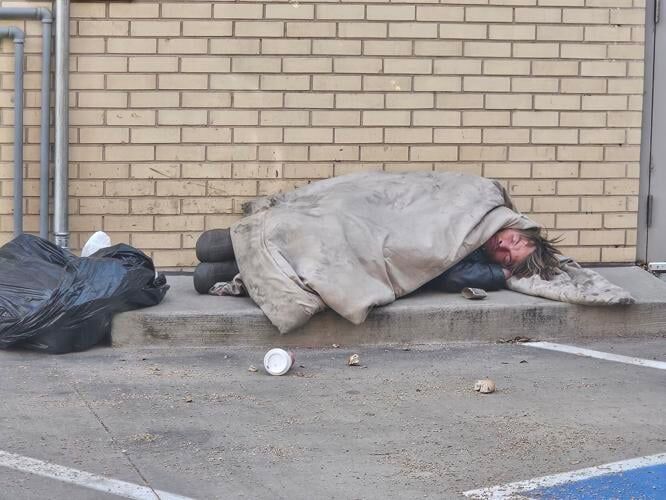
The Colorado Springs Homeless Union is at a crossroads. Not a labor union, the volunteer initiative endeavors to “present a unified voice” and “call for fair treatment” for our city’s homeless, as noted in a Gazette report last week. As...
The Gazette Editorial Board
Reporter

EDITORIAL: DPS’ fiscal affairs amount to fuzzy math
The Gazette Editorial Board
thegazette-editorial-board@gazette.com
Updated 1 week ago
A fresh audit of Denver Public Schools revealed a startling reality: Colorado’s largest school district owes more in long-term debt than it owns in assets. As The Denver Gazette reported last month, the 2024-25 fiscal year audit revealed DPS carries...
The Gazette Editorial Board
Reporter
EDITORIAL: A get-out-of-jail pass for Colorado’s illegal immigrants
The Gazette Editorial Board
thegazette-editorial-board@gazette.com
Updated 1 week ago
Leave it to the ACLU and a sympathetic federal judge to fret over the arrests of illegal immigrants in Colorado — because the agents who made the busts didn’t show evidence in advance that the suspects posed a flight risk....
The Gazette Editorial Board
Reporter

EDITORIAL: Food stamps a ‘SNAP’ for Colorado’s illegal immigrants
The Gazette Editorial Board
thegazette-editorial-board@gazette.com
Updated 1 week ago
There’s no telling if the the latest lawsuit against the Trump administration by Democrat-leaning states — this time, challenging restrictions on food stamps for illegal immigrants — will find a sympathetic ear on the federal bench. Colorado’s Attorney General Phil...
The Gazette Editorial Board
Reporter

EDITORIAL: Retail theft robs all Coloradans
The Gazette Editorial Board
thegazette-editorial-board@gazette.com
Updated 2 weeks ago
Colorado shoppers are accustomed to it: You’re checking out as another “customer” walks by. With stolen items, they sidestep security personnel and cameras. Business carries on as usual; like a breeze, the shoplifters slip out the automatic sliding doors as...
The Gazette Editorial Board
Reporter
PREV
PREVIOUS

Colorado’s Public Utilities Commission votes to suspend reality | CALDARA
Colorado’s Public Utilities Commission has done it again — proving when regulators get together, they can create a fantasyland so detached from reality it makes Disneyland look like a documentary. Colorado’s Public Utilities Commission just adopted a new rule ordering power utilities to slash greenhouse emissions 41% by 2035, a big jump from the legislature’s […]
EDITORIAL: Another sign wolf reintroduction needs to halt
Five years after Coloradans voted by a razor-thin margin to reintroduce wolves to Colorado, they are right to look at the job state officials and agencies have done and ponder whether this a dog that just doesn’t hunt. Amid criticism from pro-wolf advocates and anti-reintroduction ranchers alike, is it past time for a moratorium? The […]