








EDITORIAL: Polis plays games with utility rates
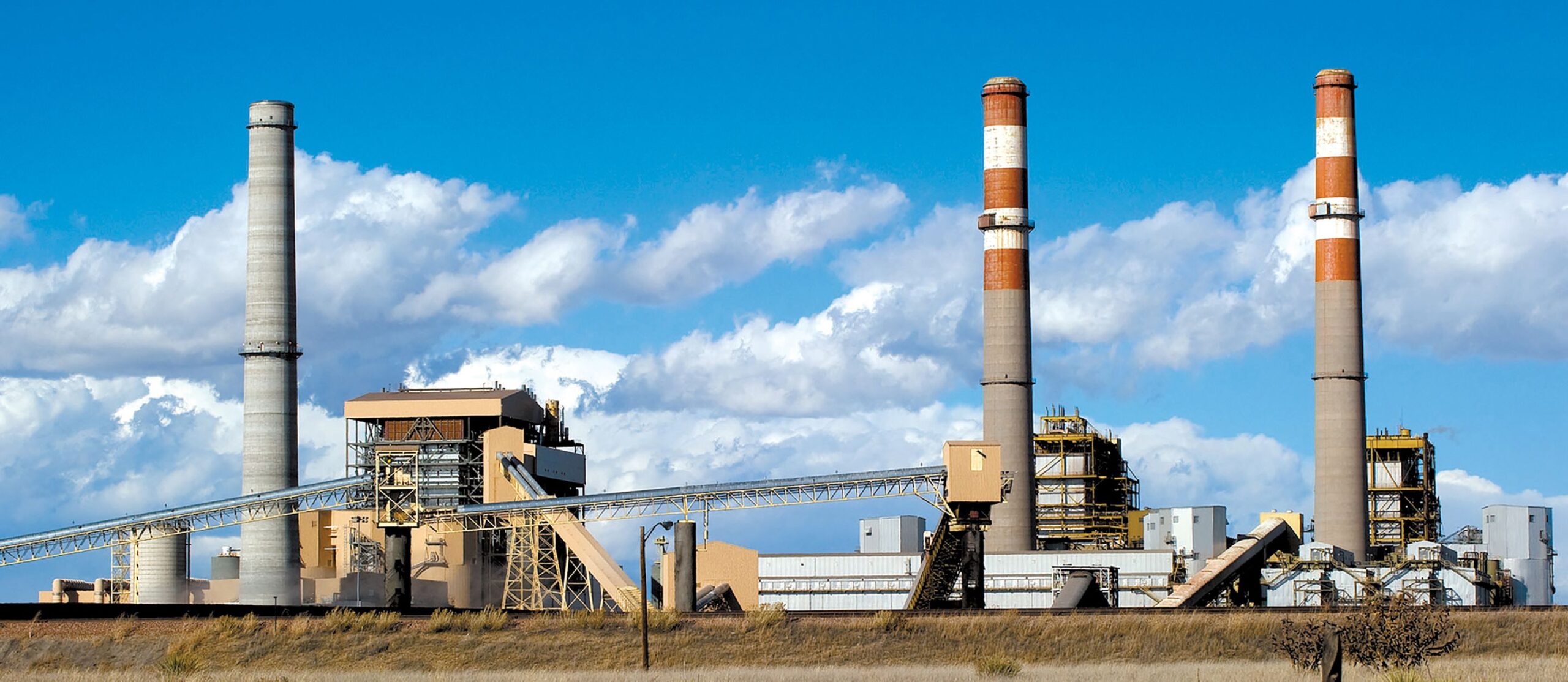
It was only a couple weeks ago when tens of thousands of Coloradans lost power — many for days — because of deliberate, preemptive blackouts ordered by Xcel Energy.
It took Gov. Jared Polis about a week, it seems, to forget their pain and declare victory over utility bills.
“Colorado is #1 when it comes to affordable utilities,” Polis tweeted last week, claiming Coloradans spend $568 a month on utilities, or 6.4% of median household income — “the lowest share of income in the nation.”
The governor attributed this to “(s)mart energy policy, strong consumer protections, and investments in clean, reliable power” helping “keep costs down for families while building a sustainable future.”
Polis even closed with a pledge to “focus on reducing outages big time!” — an ironic rejoinder given that his administration’s electrification agenda actively diverts ratepayer dollars from grid hardening to meeting costly emissions mandates.
It seemed strange for Polis, who often understands economic messaging better than most. For many Coloradans — especially rural and lower-income residents — utility rates are soaring, particularly for electricity. Those costs pile onto all the other things that have made Colorado the third most expensive state to live in, according to the Colorado Chamber of Commerce.
It makes little sense to compare Colorado to states like Massachusetts and New Hampshire, as Polis did in a bar graph accompanying his tweet. Comparing the Centennial State to actual neighbors tells a more complete story.
The Independence Institute has tracked retail electricity rates, finding Colorado’s are roughly 7% above the regional average for the Mountain West — higher in 2024 than Arizona, Idaho, Montana, Nevada, New Mexico, Utah and Wyoming.
To suggest that’s somehow acceptable because Minnesotans pay more as a percentage of household income is out of touch with how working families actually live.
Rural and working-class Coloradans don’t have the same incomes as Front Range tech professionals, yet they endure the same energy bills. Those bills hit the poorest the hardest — and they are climbing.
Independence reports federal Energy Information Administration data shows Colorado’s average residential electricity rate jumped from 14.19 cents per kilowatt-hour in 2022 to 15.06 cents in 2024 — a 6% increase in two years.
As the pace quickens and the state continues retiring coal-fired power plants, rates are bound to rise further.
Roughly 1,267 megawatts of coal-generated electricity in Brush, Craig and Pueblo will be shut down by the end of next year under the Polis administration’s green-energy agenda. The original plan was to close those coal-burning plants this year, but Unit 2 of Xcel’s coal-fueled Comanche Generating Station in Pueblo will stay open for an extra year because Unit 3 is closed for repairs. That goes to show just how essential coal still is to Colorado’s energy mix.
Meanwhile, the Public Utilities Commission recently mandated a 41% emission cut by 2035. Xcel Energy and Black Hills Energy project a combined $1.4 billion in costs just to meet the original reduction target of 22% by 2030 — let alone the steeper target five years after.
These decisions have already been made. They just haven’t fully kicked in yet.
As data centers and quantum computing require more energy resources, we’ll be wishing we had all the energy sources we can get to ensure reliable — and yes, affordable — electricity.
So, why is Polis claiming victory even as his own regulators are guaranteeing future rate hikes? Surely, struggling ratepayers everywhere would like to know.


EDITORIAL: Colorado’s criminal suspects game ‘incompetency’
The Gazette Editorial Board
thegazette-editorial-board@gazette.com
Updated 2 days ago
Criminal suspects who are deemed mentally incompetent — unable to grasp the charges against them — have the right in Colorado not to be prosecuted on those charges. But they also shouldn’t simply be turned loose to endanger others. Too...
The Gazette Editorial Board
Reporter

EDITORIAL: Need a job? Ask our state government
The Gazette Editorial Board
thegazette-editorial-board@gazette.com
Updated 3 days ago
Colorado can’t shake a troubling employment trend. The latest jobs report reveals the state increasingly relies on government hiring to prop up overall employment numbers — offsetting private-sector job losses. The Common Sense Institute first flagged the problem in an...
The Gazette Editorial Board
Reporter
EDITORIAL: Denver grows its homelessness-industrial complex
The Gazette Editorial Board
thegazette-editorial-board@gazette.com
Updated 4 days ago
Mayor Mike Johnston’s latest pending pratfall on homelessness — having ex-cons staff Denver’s most troubled, city-run homeless hotel — is starting to look even worse. It turns out the San Francisco nonprofit that will employ offenders to run the city’s...
The Gazette Editorial Board
Reporter
EDITORIAL: Restore Colorado water project ASAP
The Gazette Editorial Board
thegazette-editorial-board@gazette.com
Updated 5 days ago
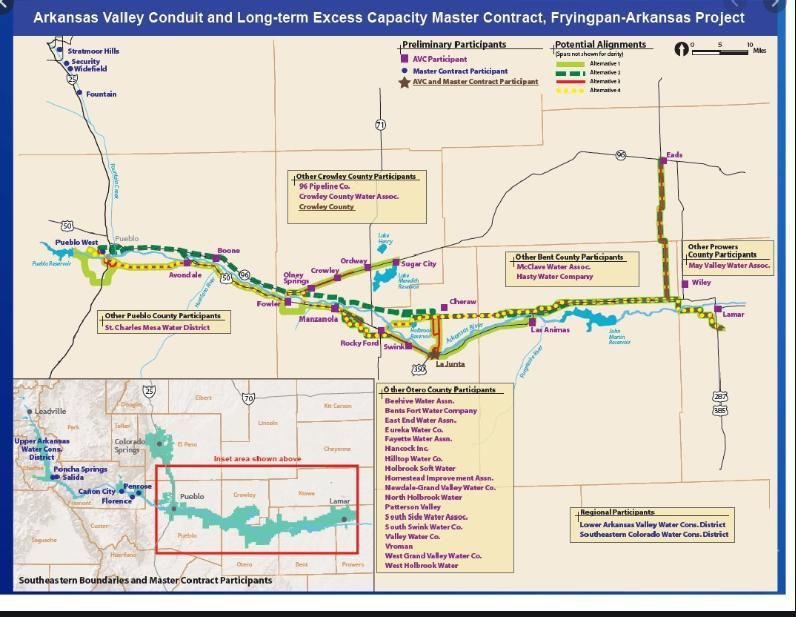
Without getting into the political intrigue that typically underlies any face-off between the White House and other elected officials in either party — let’s just say President Trump was wrong on Tuesday to jettison legislation for a pivotal water project...
The Gazette Editorial Board
Reporter

EDITORIAL: Let Colorado law officers hand criminals to ICE
The Gazette Editorial Board
thegazette-editorial-board@gazette.com
Updated 1 week ago
Even a progressive Democrat like Gov. Jared Polis has acknowledged the need to help federal authorities rein in the criminal element among our state’s substantial population of illegal immigrants. After all, Polis realizes the public is fed up. Yet, his...
The Gazette Editorial Board
Reporter
EDITORIAL: A welcome assist for school choice in Colorado
The Gazette Editorial Board
thegazette-editorial-board@gazette.com
Updated 1 week ago
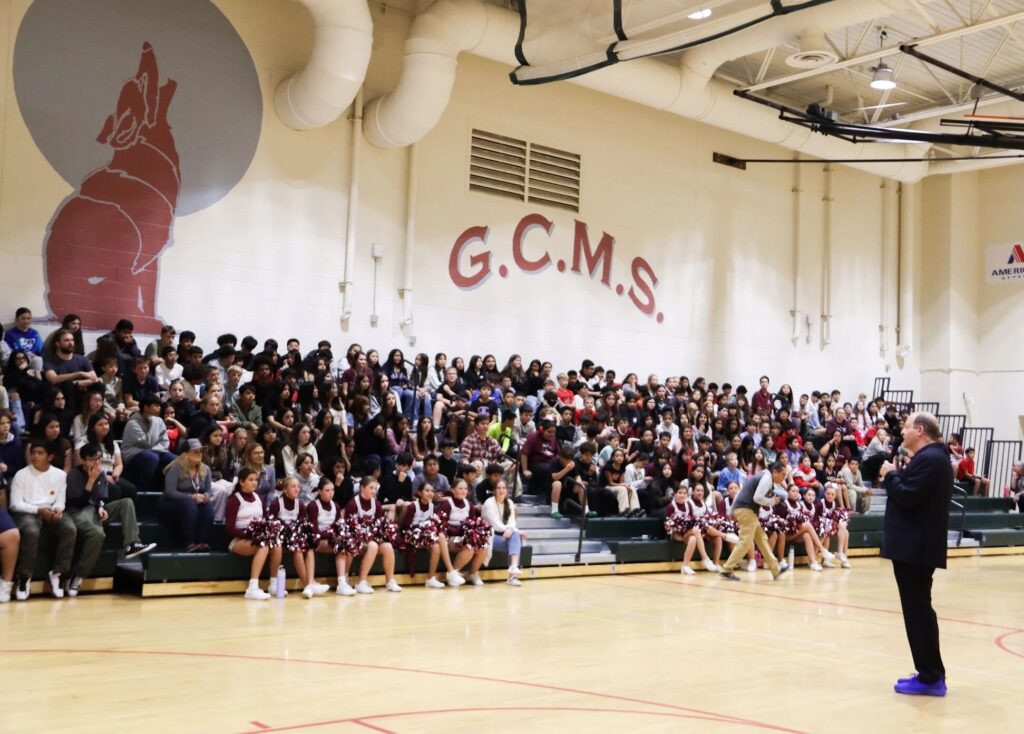
Jared Polis ranks high among our state’s “education governors,” a list that over the years has included Democrat Roy Romer and Republican Bill Owens. Polis shares with Romer and Owens not only a firm command of the top issues facing...
The Gazette Editorial Board
Reporter

PERSPECTIVE: A foot in the door of affordable housing
Tyrone Adams
tyroneadams@Gazette.com
Updated 1 week ago
By Tyrone Adams Housing affordability cannot be addressed overnight. It will take dedicated conversations at local and state levels, targeted regulatory reforms, and close collaboration and feedback between government leaders, builders, and would-be homeowners. Fortunately, these kinds of conversations are...

Tyrone Adams
Reporter
PERSPECTIVE: The Democratic Party’s outdated playbook
Joe Concha
joe-concha@gazette.com
Updated 1 week ago
“Those who cannot remember the past are doomed to repeat it.” That’s the famous quote from George Santayana in his 1905 book, The Life of Reason: Reason in Common Sense. And what rang true 120 years ago rings true today,...

Joe Concha
Reporter

EDITORIAL: Another reprieve for Colorado taxpayers
The Gazette Editorial Board
thegazette-editorial-board@gazette.com
Updated 1 week ago
The fast-moving effort to place a $4.1 billion-a-year income-tax hike on next year’s statewide ballot has been stopped in its tracks by the same state body that originally let it move forward. Proponents want voters to replace the state’s 4.4%...
The Gazette Editorial Board
Reporter
EDITORIAL: Polis’ impaired judgment on pot
The Gazette Editorial Board
thegazette-editorial-board@gazette.com
Updated 2 weeks ago
We’ve tried reasoning with Gov. Jared Polis about his almost-giddy infatuation with retail marijuana and its purported benefits to our state. So far, our efforts have been futile. Oblivious to the demonstrable harm high-potency THC products have done to Colorado...
The Gazette Editorial Board
Reporter
PREV
PREVIOUS

EDITORIAL: Let Colorado law officers hand criminals to ICE
Even a progressive Democrat like Gov. Jared Polis has acknowledged the need to help federal authorities rein in the criminal element among our state’s substantial population of illegal immigrants. After all, Polis realizes the public is fed up. Yet, his fellow ruling Democrats in Colorado’s legislature just don’t get it. For them, deporting violent criminals […]

GUEST OPINION: Vaccines work and Colorado needs them for disease prevention
Vaccines are one of the most powerful public health tools we have. They protect individuals, families, and entire communities from diseases that once caused widespread illness and death. And yet, in Colorado and across the country, we are seeing preventable diseases return—largely because vaccination rates are falling. As a surgeon, I may not administer vaccines […]