








Listen to the old guard, the sport is at a crisis point | College Basketball Insider
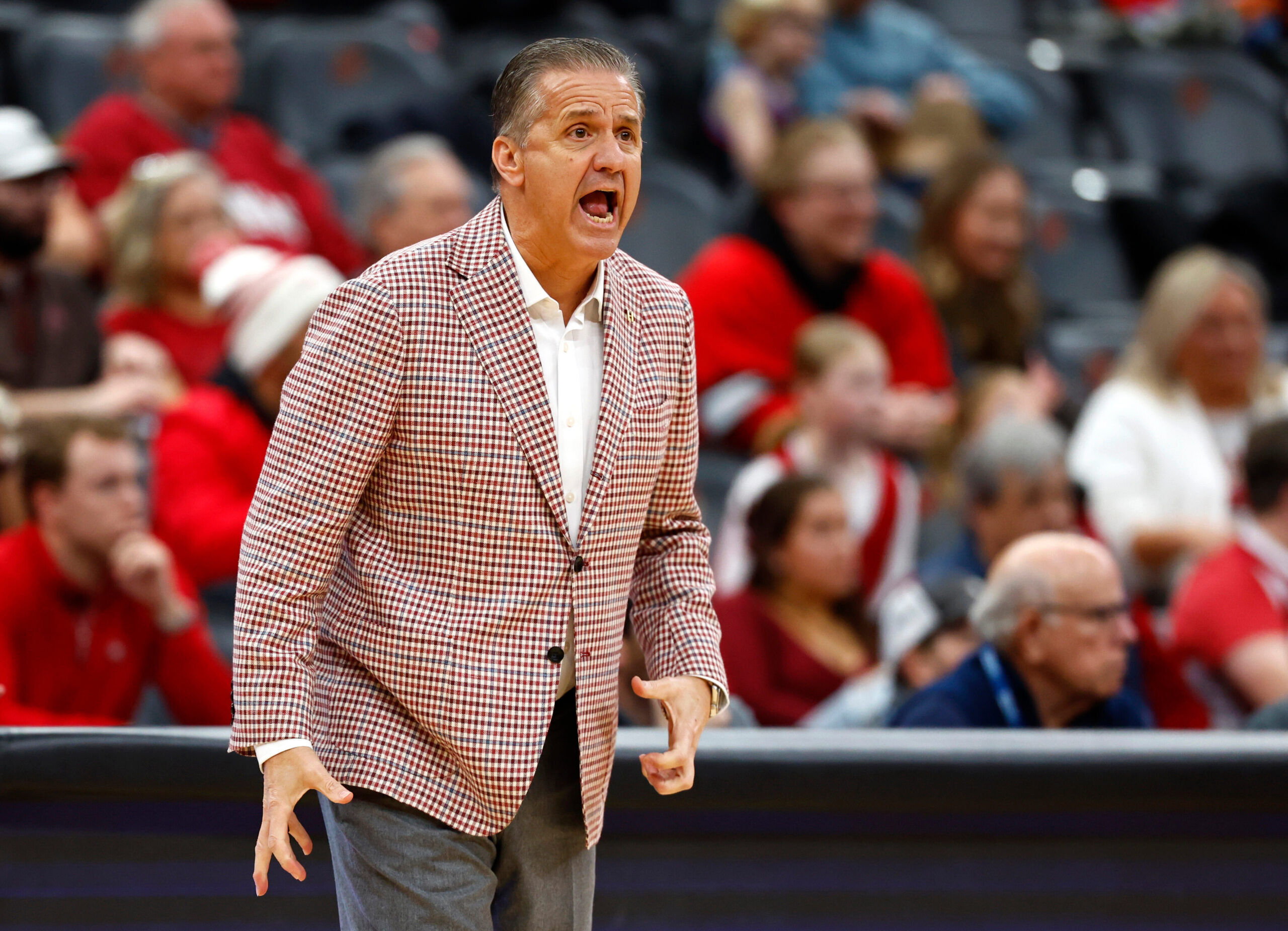
John Calipari doesn’t think anyone listens when he talks, but Tad Boyle does.
Tom Izzo does. Mark Few does.
The old guard in college basketball is trying to tell us something, and it’s about time we listen. College basketball is at a crisis point.
In case you haven’t heard, a player who was drafted in the NBA has been ruled eligible to play college basketball. Yes, 21-year-old, Nigerian-born big man James Nnaji, the former No. 31 overall pick in the 2023 NBA draft who signed with Baylor on Christmas Eve, is eligible to play as soon as this weekend when Big 12 play starts.
But all of the consternation you’ve heard from some of the biggest coaches in the sport during the holidays is not so much about Nnaji because, in reality, his case isn’t really different from the dozens of European pros that came to college basketball this offseason.
Despite being drafted by the Hornets and playing in the NBA Summer League, he never signed an NBA contract and has spent the last few years with Barcelona, where he never averaged more than 4.3 points per game in Liga ACB. During that time, his rights were dealt to the Knicks as part of the Karl-Anthony Towns trade, but he has never appeared close to coming over to play in the NBA.
Now, after parting ways with Barcelona earlier in 2025, Nnaji decided to give college basketball (and the lucrative opportunities that come with it these days) a try — and found a home with Scott Drew and Baylor.

Whether it’s Calipari, Izzo, Few or even UConn’s Dan Hurley, coaches across the country aren’t happy. Not solely because of Nnaji’s case, but because of what could come next.
NCAA President Charlie Baker put out a statement in response, saying no player who has signed an NBA contract (standard or a two-way deal) is eligible to play college basketball. But, like we’ve seen in recent years, we’re one lost lawsuit away from that changing.
“We’ve got no rules,” Calipari said this week during a nearly seven-minute-long rant about the state of the sport.
What Calipari really wanted to hit on is something Boyle has been talking about for years. The way the sport is trending, with winning above everything, is doing nothing but limit opportunities for high school kids across America. Many coaches have said it, but why would you get five high school kids every year when you can get a couple of experienced transfers or European players to fill your roster?
“Does anybody care what this is doing for 17- and 18-year-old American kids?” Calipari said. “Who — other than dumb people like me — are going to recruit high school kids? I get so much satisfaction out of coaching young kids and seeing them grow and make it — and their family’s life changes — that I’m going to keep doing it. But why would anybody else, if you can get NBA players, G League players, guys that are 28 years old, guys from Europe?”

Calipari isn’t just complaining for the sake of complaining, though. He’s got some basic fixes — and it’s a good blend of old and new rules, something Boyle has advocated as well.
First, players get a five-year window to play four years of college basketball. If they somehow manage to stay at the same school for four years, maybe they should get a fifth year of eligibility.
Second, you can transfer one time without penalty. After that, you have to sit out a year. The lone exception is if your coach leaves or is fired, then you can move again without penalty.
Third, if you put your name in the NBA draft (as an American player or an international player) and stay in the draft, regardless of whether or not you’re picked or if you do or don’t sign an NBA contract, you can’t come back to college.
Fourth, if you join a program mid-season, you’re not eligible to play that season. The only exception is if a player is already enrolled in school and had to work their way back to being eligible during the season.
Fifth, you can’t use money from NIL collectives or revenue sharing to recruit high school kids or transfer players. Once they’re in your program for a year, Calipari said, you should be able to pay them whatever you want to keep them.
“How about this? It’ll be great for them academically,” Calipari said. “They’ll probably make more money, but we’re not gonna have kids leaving (college) after transferring four times. What’s the percentage of kids that make the NBA? It’s like 1% or less. That means 99% of the college players that are getting money, it’s fugazi. Because they’re getting 400, 500, 800 (thousand), a million (dollars), and they’re not pros.
“So, now they have to get a job after four stops (and) with no college degree. No loyalty from the state or the program, or anybody. You were a mercenary. I don’t care what a kid makes, but I do care what we’re doing to you people.”
Bingo. That’s what has disappeared from college basketball this decade.
Listen to the old guard, before they’re all gone. By then, it might be too late, anyway.
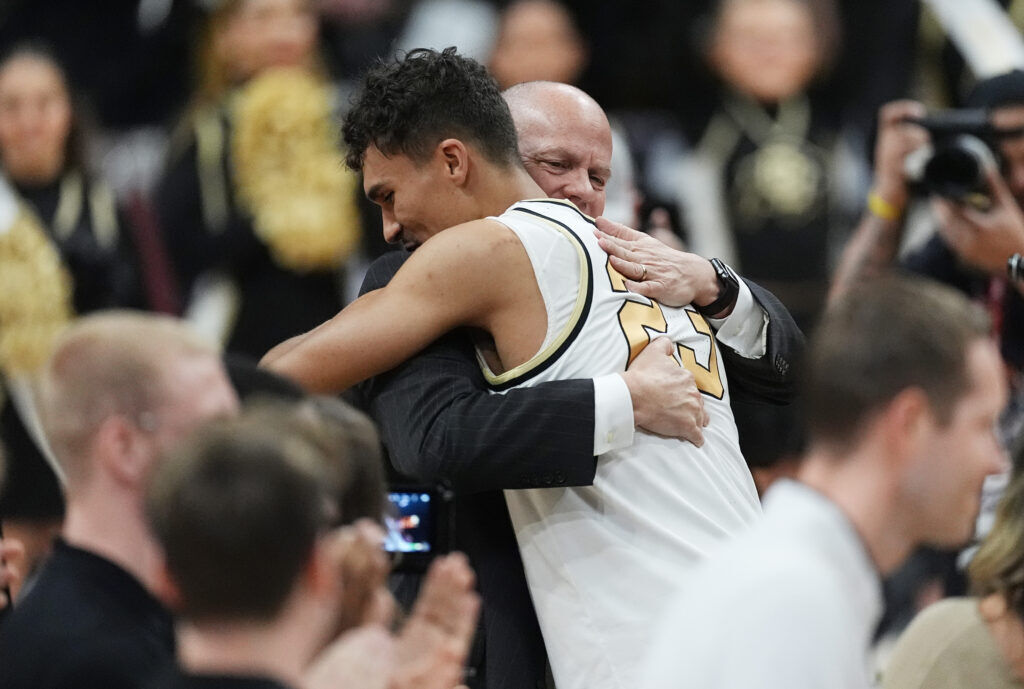
“The greatest thing about being a coach is when you see your former players have success in any walk of life. To me, that’s what college athletics (is about) and people lose sight of that,” Boyle said last month. “That’s really what we’re here to do, is prepare these young people for success in their life after they’re done playing. If we can play a part in that, there’s value there. The value’s not just in money.
“Absolutely, money’s a part of it now. What I’d like to see is the current players be able to leave here with a college degree and some money in their pocket, maybe starting a Roth IRA and doing some good things with the money that they’re earning while they’re here and get a head start in life.”
Is that so hard, NCAA?
Mid-major Minute
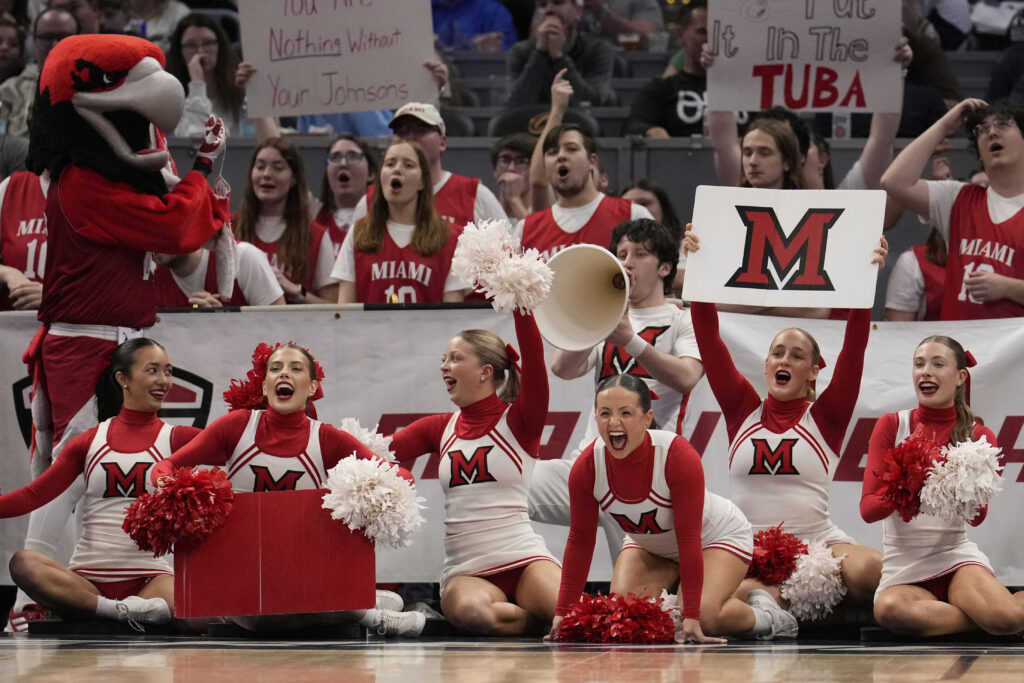
With 2025 in the rearview mirror, just six undefeated teams remain. Five of them are high-majors and wouldn’t surprise you. Michigan, Arizona, Iowa State, Vanderbilt and Nebraska. The sixth? Miami (Ohio). That’s right, the Redhawks are 14-0 heading into Saturday’s big showdown against Akron. Those are probably the two best teams in the MAC, with the Zips all the way up at No. 56 in Ken Pomeroy’s efficiency rankings. Good teams can be found in every conference.
Upset of the Week
Virginia Tech 95, No. 21 Virginia 85 (3OT)
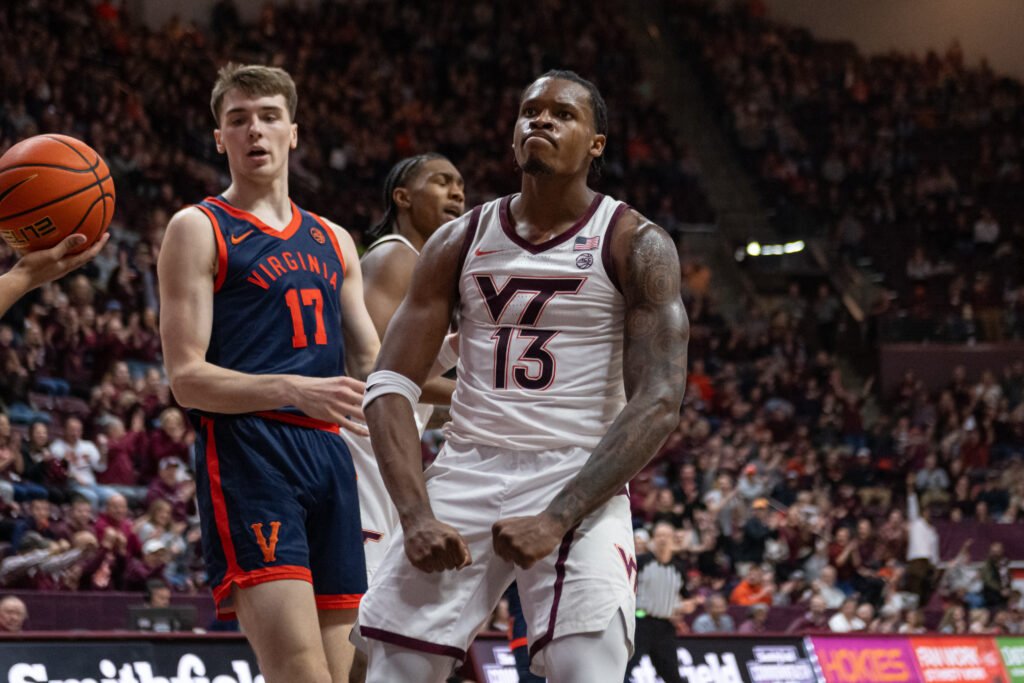
No better way to kick off ACC play than with an instant classic in the Commonwealth Clash. Virginia Tech took down rival Virginia in an epic, three-overtime affair on New Year’s Eve in Blacksburg. Both teams have NCAA Tournament aspirations, but the Cavaliers came in as the ranked team as Ryan Odom has quickly turned things around in his first season in charge. The Hokies won for a third time in the last four weeks, though, as Ben Hammond came off the bench to score a career-high 30 points.
Going Overseas
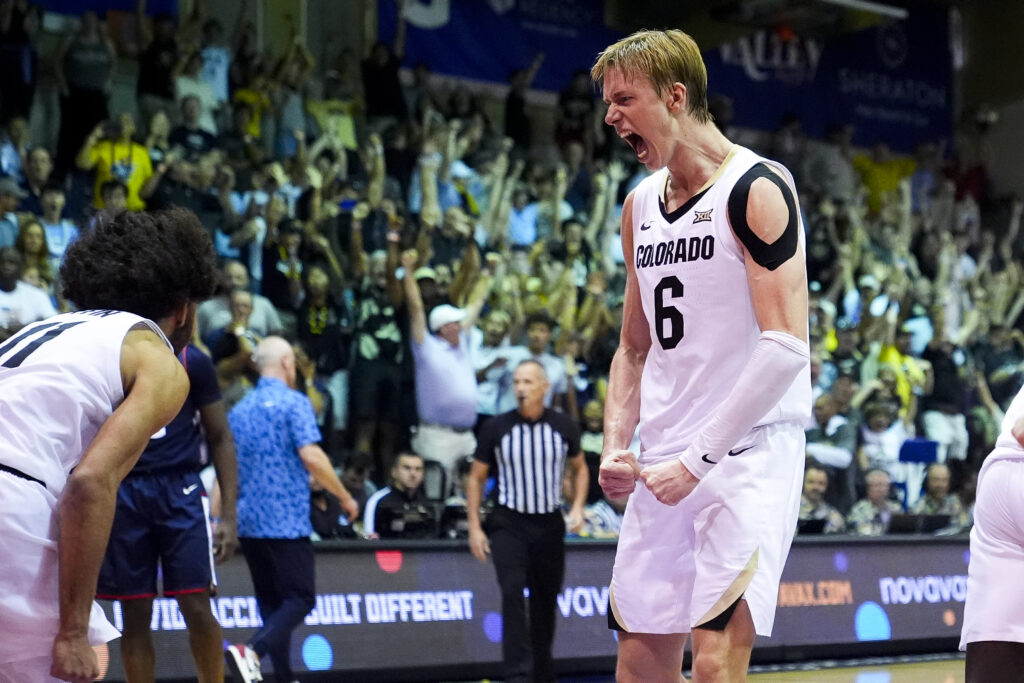
Let’s spotlight a player who will definitely not be returning to college basketball now that he’s in Europe. Trevor Baskin, a Division-II All-American at Colorado Mesa who spent his final year of college ball at Colorado, is in his first professional season as a member of Nurnberg Falcons BC in the German second division. The Arvada native is averaging 12.1 points and 6.4 rebounds across 15 games. Baskin has also played for the U.S. as part of USA Basketball 3×3 program in preparation for the 2028 Summer Olympics in Los Angeles.

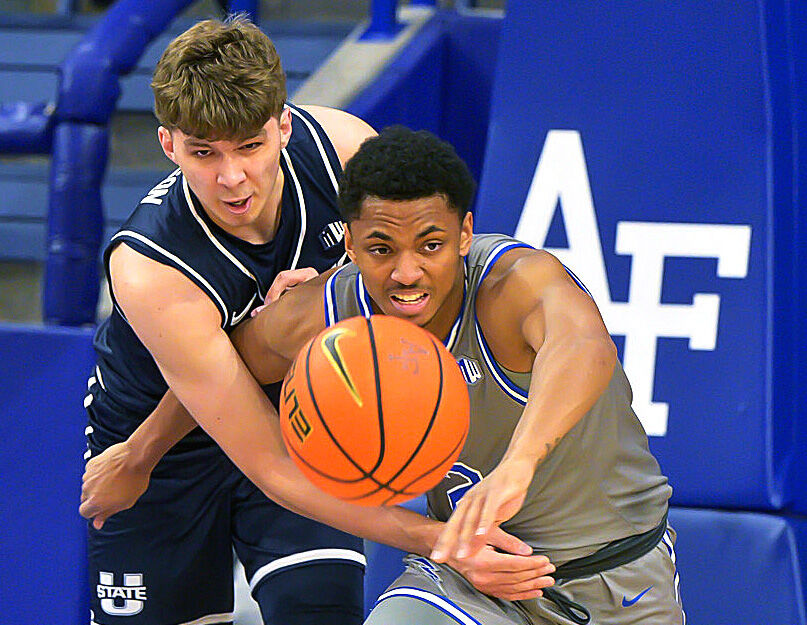
Air Force men’s basketball can’t contain conference leader Utah State, fall to Aggies in blowout loss at home
Marissa Kraus
marissa.kraus@gazette.com
Updated 10 hours ago
Top dog Utah State walked into Clune Arena with authority and left with a 37-point romp. In the only regular-season matchup between Air Force and Utah State, a dominant Aggie team led for the entire contest to earn a 99-62...

Marissa Kraus
Reporter
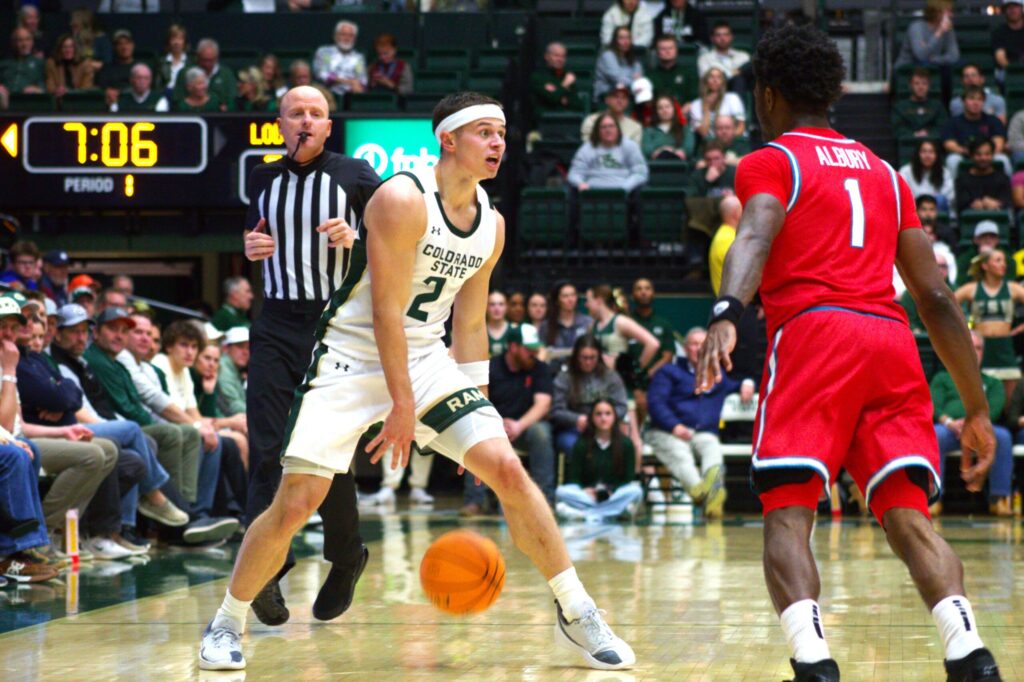
New Mexico shows how to slow down CSU offense
Tyler King
tyler-king@denvergazette.com
Updated 10 hours ago
FORT COLLINS — The book is out on Ali Farokhmanesh’s Rams. Get in their face, pressure them and, more often than not, their high-powered offense falls apart. That’s been the case in all five losses so far this season for...
Tyler King
Reporter
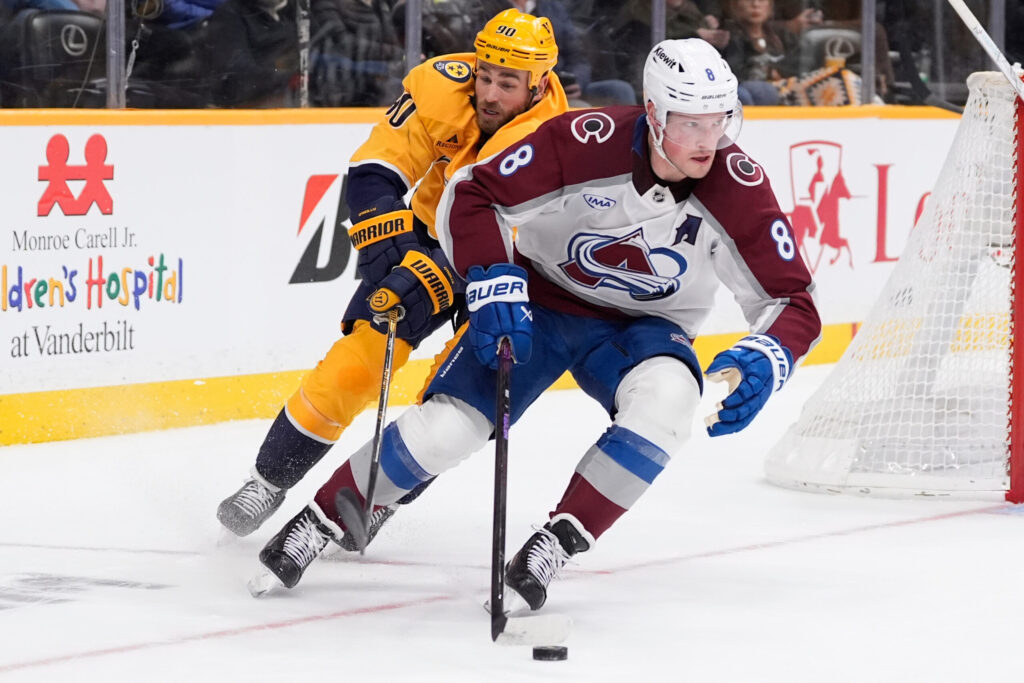
Colorado Sports Hall of Fame awards Avalanche star Cale Makar a major honor | Colorado Sunshine
Paul Klee
paul-klee@denvergazette.com
Updated 18 hours ago
Where good news shines The Colorado Sports Hall of Fame needs an Avalanche wing. The Colorado Sports Hall of Fame said Tuesday Avalanche star defenseman Cale Makar was named Pro Athlete of the Year — one year after teammate Nathan...

Paul Klee
Reporter

Colorado School of Mines’ Baldessari, Leon sweep RMAC’s weekly awards | Colorado Sunshine
Paul Klee
paul-klee@denvergazette.com
Updated 2 days ago
Where good news shines Colorado School of Mines women’s basketball swept the week. Orediggers standouts Sofia Baldessari and Jade Leon earned the RMAC players of the week awards Monday after Mines went 2-0 to kick off 2026. Baldessari was named...
Paul Klee
Reporter

Colorado College football defeats University of Denver Ministers, 12-0 | April 11, 1885 | Colorado’s Top 150 Sports Moments
Paul Klee
paul-klee@denvergazette.com
Updated 2 days ago
Happy birthday, Colorado — and Colorado sports. Leading into the state’s sesquicentennial (150th) birthday on Aug. 1, The Denver Gazette has partnered with the Colorado Sports Hall of Fame to publicize the definitive list of Colorado’s top 150 sports moments....
Paul Klee
Reporter
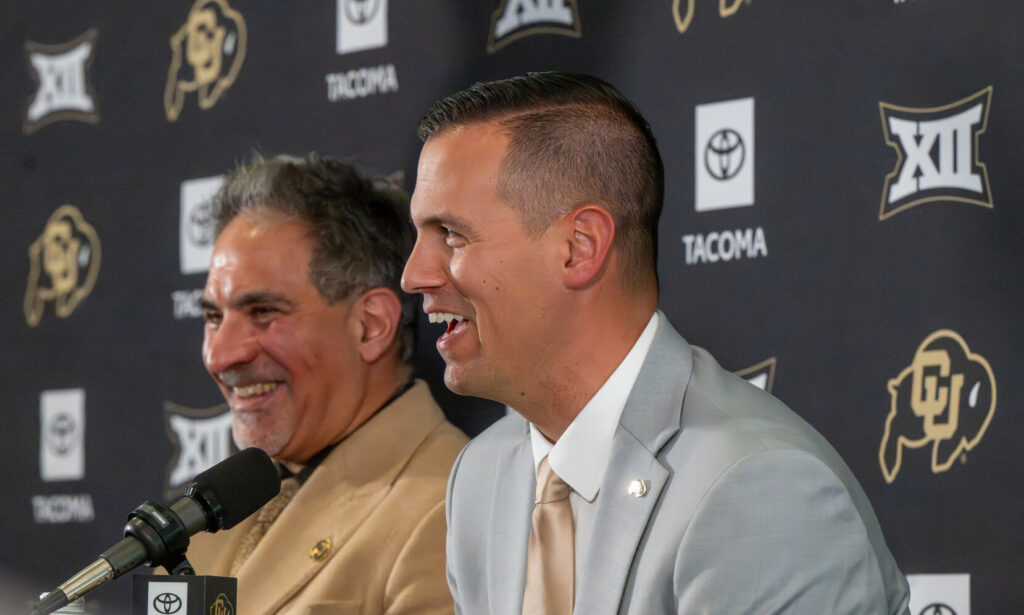
Mark Kiszla: What CU sports needs more than a bright new athletic director is a billionaire sugar daddy
Mark Kiszla
mark-kiszla@denvergazette.com
Updated 1 day ago
BOULDER – The first thing eager new CU athletic director Fernando Lovo must learn is the massive gap between wishful thinking and what it actually takes to win the Big 12 Conference football championship. Here’s a hint: Start with a...

Mark Kiszla
Reporter
New AD Fernando Lovo says there is ‘no limit’ for CU Buffs | 5 Takeaways
Tyler King
tyler-king@denvergazette.com
Updated 1 day ago
BOULDER — A small but distinguished club gained another member Monday. The University of Colorado introduced Fernando Lovo as its seventh full-time athletic director, a position that has existed for nearly 100 years. Despite Rick George not yet stepping into...
Tyler King
Reporter
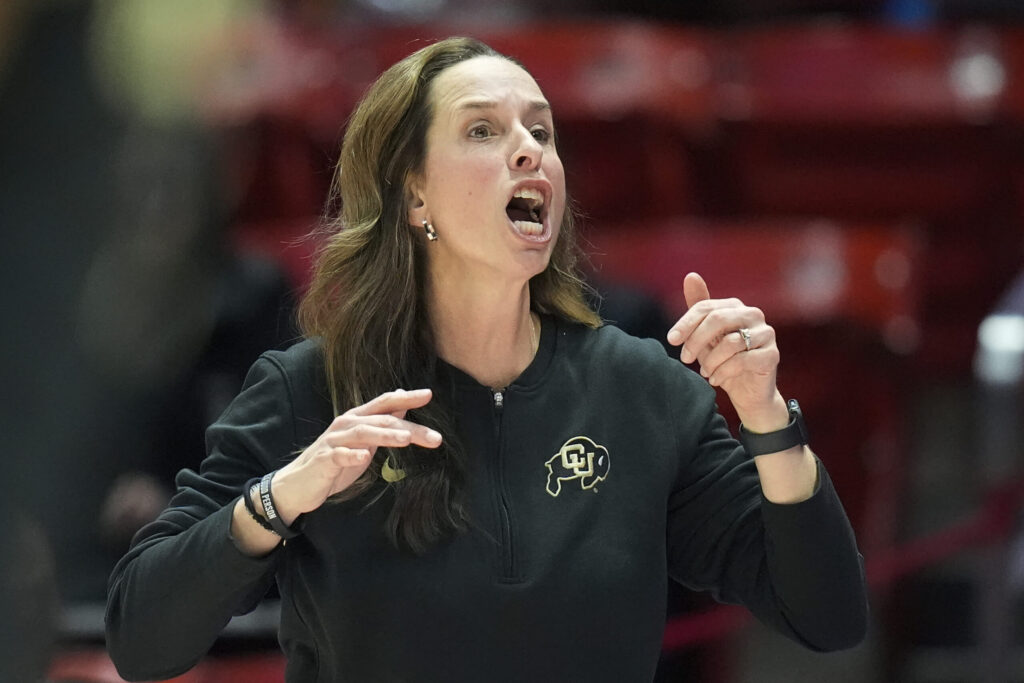
Colorado women’s basketball’s big second quarter powers win over Cincinnati | Colorado Sunshine
Chris Schmaedeke
chris.schmaedeke@denvergazette.com
Updated 3 days ago
Where good news shines The University of Colorado women’s basketball team (11-4, 2-1 Big 12) shook off a slow start to beat Cincinnati (5-10, 0-3 Big 12) 79-68 Saturday at CU Events Center. The game was tied at 17 to end the first quarter, but the...

Chris Schmaedeke
Reporter
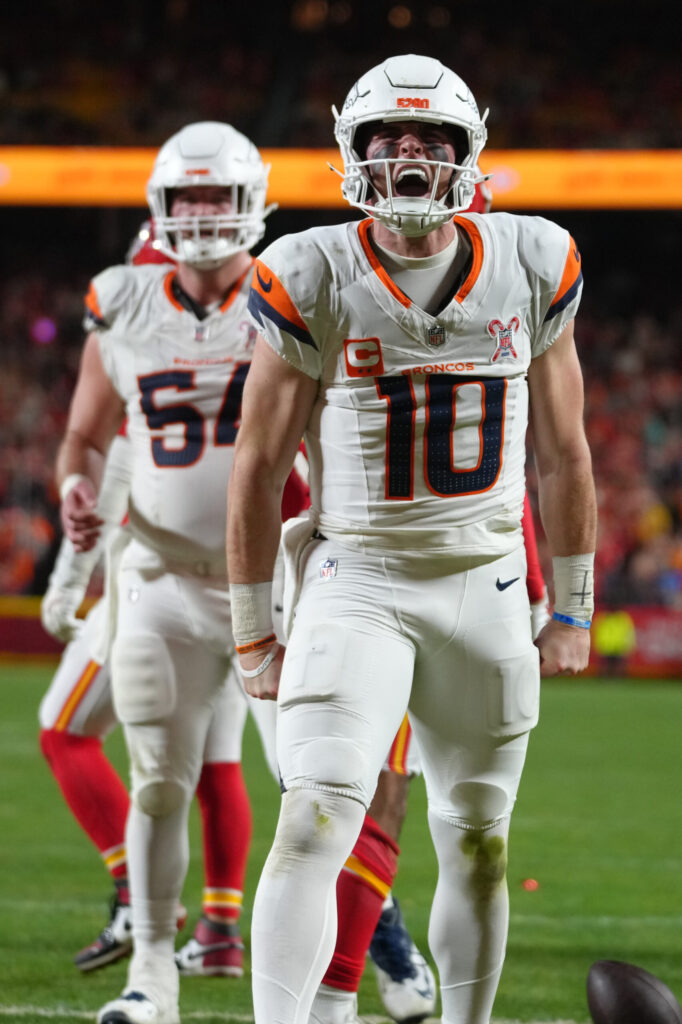
A Super Bowl run (or two) would make Broncos stadium PSLs a much easier sell | The Starting Lineup
Paul Klee
paul-klee@denvergazette.com
Updated 3 days ago
Turn on the game! Three must-see events this week: 1. Avalanche at Tampa Bay Lightning (5 p.m. Tuesday, Altitude TV) — Could this be a Stanley Cup final preview? Tampa Bay’s 51 points trail only Detroit’s 52 in the Eastern...
Paul Klee
Reporter
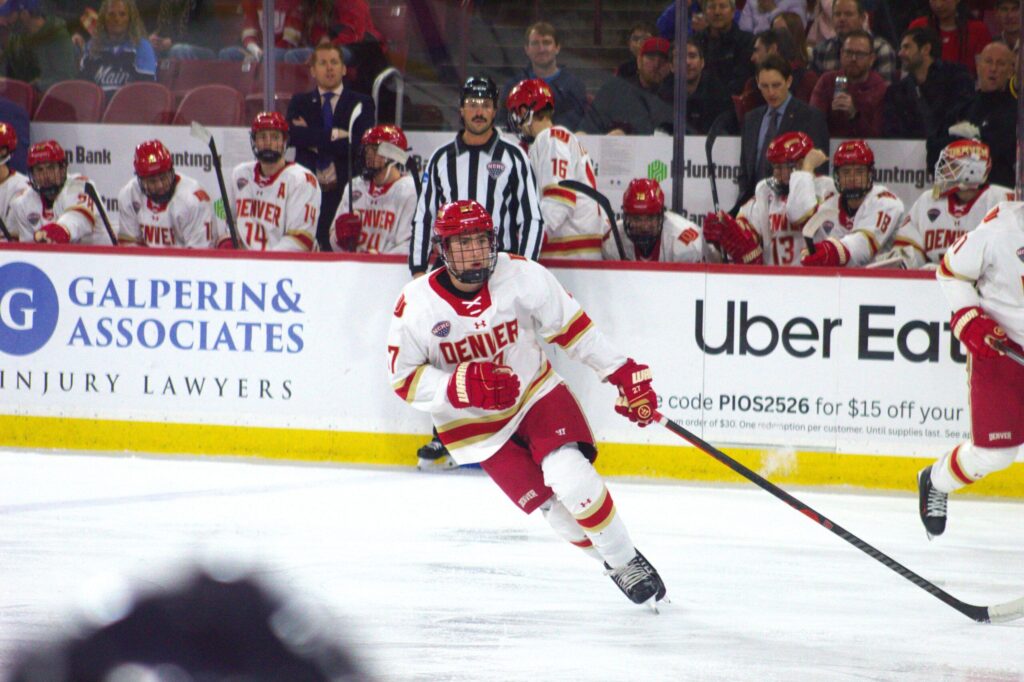
DU hockey recap: Pioneers tie Maine 3-3, prepare for Western Michigan
Tyler King
tyler-king@denvergazette.com
Updated 3 days ago
The path to the postseason begins now. Nonconference play is officially over for David Carle and No. 6 Denver after a weekend series against No. 15 Maine in which the Black Bears came into Magness Arena and took the opener...
Tyler King
Reporter
PREV
PREVIOUS
Avalanche forwards Brock Nelson, Artturi Lehkonen and Joel Kiviranta chosen for Olympics
The Colorado Avalanche will be well represented in Italy at the Olympic Games. Center Brock Nelson was named to Team USA on Friday. The 34-year-old center played for the U.S. in the 4 Nations Face-Off and his strong play this season with the Avalanche earned him a spot in Milan. Nelson has become “Mr. Everything” […]
How a mental coach helped flip rookie season for Broncos punter Jeremy Crawshaw
ENGLEWOOD — Broncos punter Jeremy Crawshaw learned to “clear the clutter” and thrive in his rookie season. Crawshaw enters his final game before the playoffs with the NFL’s third-most punts (29) downed inside the 20-yard line. His 76-yard boot in Week 9 against Houston was the league’s second-longest punt of the year. Crawshaw finished third […]