








U.S. pushes oil majors to invest big in Venezuela

White House and State Department officials have told U.S. oil executives in recent weeks that they would need to return to Venezuela quickly and invest significant capital in the country to revive the damaged oil industry if they wanted compensation for assets expropriated by Venezuela two decades ago, according to two people familiar with the outreach.
In the 2000s, Venezuela expropriated the assets of some international oil companies that declined to give state-run oil company PDVSA increased operational control, as demanded by late Venezuelan President Hugo Chavez.
U.S. oil major Chevron was among companies that negotiated to stay in the country and form joint ventures with state-run PDVSA, while rivals Exxon Mobil and ConocoPhillips left and filed for arbitration.
President Donald Trump said on Saturday that American companies were prepared to return to Venezuela and spend billions to reactivate the struggling oil sector, just hours after President Nicolás Maduro was captured and removed by U.S. forces.
In the recent U.S. administration discussions with oil executives in the scenario that Maduro was out of power, officials have said that U.S. oil companies would need to front the investment money themselves to rebuild Venezuela’s oil industry. That would be one of the preconditions for them eventually recovering debts from the expropriations.
That would be a costly investment for firms such as ConocoPhillips, the sources said. Conoco for years has tried to recover some $12 billion from the Chavez-era nationalization of its Venezuela assets. Exxon Mobil also filed international arbitration cases, trying to recover $1.65 billion.
Trump began making public reference to the Venezuelan expropriations when he ordered a blockade of sanctioned oil tankers last month.
Whether or not the companies return would depend on how executives, boards and shareholders evaluate the risk of renewed investment in Venezuela, the sources said.
“ConocoPhillips is monitoring developments in Venezuela and their potential implications for global energy supply and stability. It would be premature to speculate on any future business activities or investments,” a company spokesperson said in emailed comments to Reuters on Saturday. The company reiterated the statement on Sunday when asked about discussions with administration officials for this story.
Exxon did not immediately respond to questions from Reuters.
Politico first reported on the recent discussions on Saturday.
Even if companies do agree to return to the country, it could be years before there is a meaningful boost to oil output. The South American country has one of the largest estimated reserves in the world, but production has plummeted over past decades amid mismanagement, lack of investment and U.S. sanctions.
Besides uncertainty surrounding the contract framework for any operations there, companies considering a return would also need to deal with security concerns, poor infrastructure, questions about the legality of the U.S. operation to capture Maduro and the possibility of long-term political instability, analysts have told Reuters.
Venezuela, a founding member of OPEC, produced as much as 3.5 million barrels per day in the 1970s, which at the time represented over 7% of global oil output. Production fell below 2 million bpd during the 2010s and averaged around 1.1 million bpd last year, or just 1% of global production.


¡El aplauso! Mexican Rodeo Extravaganza marks 31st year in Denver
Deborah Grigsby
deborah.smith@denvergazette.com
Updated 3 hours ago
Rodeo lovers from across the country gathered Sunday afternoon at the Denver Coliseum for the National Western Stock Show’s Mexican Rodeo Extravaganza, a perennial favorite, now in its 31st year, hosted by World Champion Charro Gerardo “Jerry” Diaz. With a...

Deborah Grigsby
Reporter

Telluride celebrates end to ski patrol strike
RACHAEL WRIGHT Special to The Gazette
rachael-wright-special-to-the-gazette@denvergazette.com
Updated 13 hours ago
The Telluride Ski Resort and the ski patrol union reached an agreement on Jan. 8, ending the longest ski patrol strike in U.S. history. Details of the agreement weren’t immediately released, and many remained worried about the economic damage to...

Vince Bzdek: Coloradans are fed up with the high price of cars
Vince Bzdek
vince-bzdek@denvergazette.com
Updated 2 days ago
Car buyers in Colorado – and America – are fed up. Cars are too damn expensive. The average price of a new car broke the $50,000 barrier last fall, according to Kelley Blue Book stats. The Wall Street Journal recently...

Vince Bzdek
Reporter
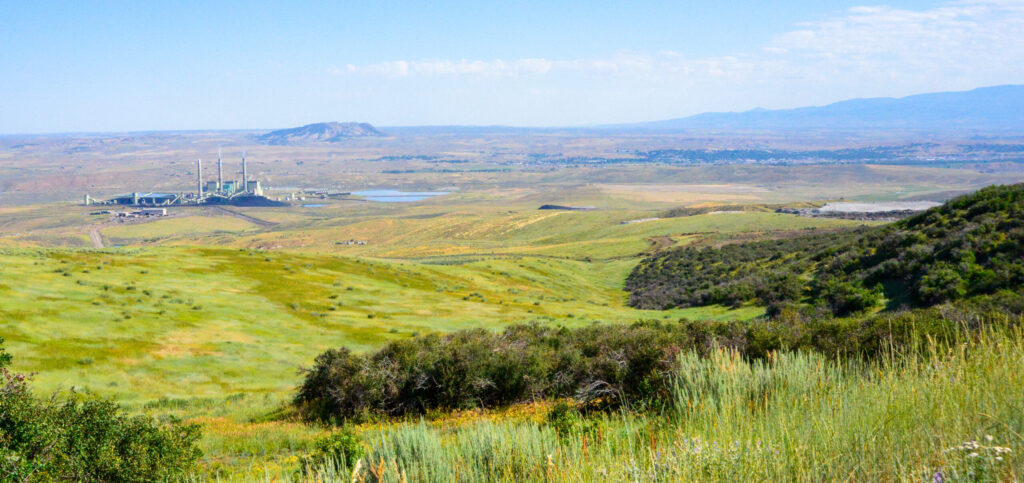
EPA rejects Colorado’s plan to tie coal plant shutdowns to cleaner skies
Scott Weiser
scott-weiser@denvergazette.com
Updated 2 days ago
Federal air quality regulators on Friday rejected Colorado’s latest haze-reduction plan, saying the state wrongly tried to force coal-fired power plants to close early as part of efforts to clear up views in national parks and wilderness areas. The U.S....

Scott Weiser
Reporter

After sale, what’s next for Denver Pavilions?
Bernadette Berdychowski
bernadette.berdychowski@denvergazette.com
Updated 2 days ago
The Denver Pavilions and the parking lots attached to it are at last under the same ownership, opening up the possibility for redevelopment of the downtown shopping center. In late December, the Denver Downtown Development Authority closed on the mall...

Bernadette Berdychowski
Reporter
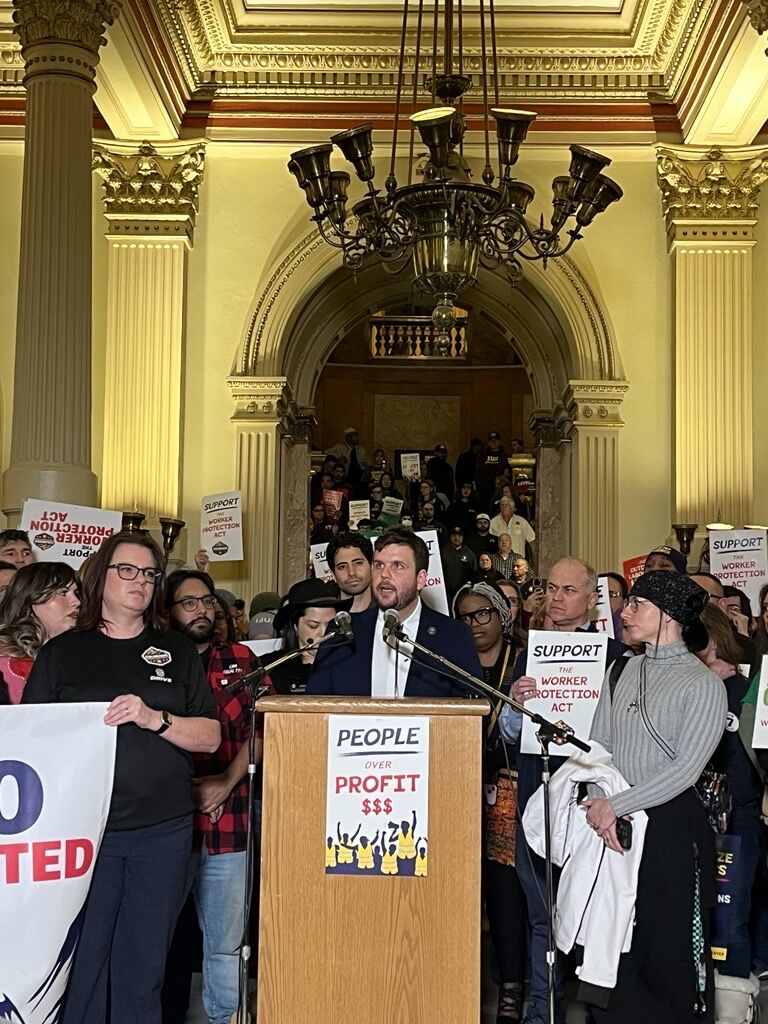
Gov. Jared Polis ‘frustrated, surprised’ at efforts to revive vetoed union bill
Marissa Ventrelli
marissa-ventrelli@denvergazette.com
Updated 2 days ago
Gov. Jared Polis was surprised that Democratic lawmakers and labor groups are seeking to revive a union-backed legislation less than a year after he vetoed the bill due to concerns about its impact on businesses and mandatory dues. Elected officials...

Marissa Ventrelli
Reporter

Red Carpet Reception proves new home’s a winner for Coors Western Art Exhibit & Sale | NONPROFIT REGISTER
Joanne Davidson Special to Colorado Politics
joanne-davidson-special-to-colorado-politics@denvergazette.com
Updated 3 days ago
NATIONAL WESTERN STOCK SHOW News: It wasn’t just the art that people were talking about at Thursday night’s Red Carpet Reception for the 34th Coors Western Art Exhibit & Sale. A good number of the 1,000-plus guests were on their first visit to the show’s spacious new location on the...


NASA taps Colorado companies to lead development on telescope searching for life on other planet
Alexander Edwards
alexander-edwards@denvergazette.com
Updated 2 days ago
NASA has selected two Colorado companies to help develop a future NASA space telescope that will look for signs of life on other planets. The flagship project, called the Habitable Worlds Observatory, will be the first space telescope purpose built...

Alexander Edwards
Reporter
Ski patrollers end strike against Telluride
RACHAEL WRIGHT Special to The Gazette
rachael-wright-special-to-the-gazette@denvergazette.com
Updated 2 days ago
After 13 days, the longest ski patrol strike in U.S. history has come to an end. On Dec. 27, the 72-member Telluride Professional Ski Patrol Association voted to go on strike after approaching Telluride Ski Resort (Telski) owner Chuck Horning...

Xcel seeks back-to-back rate hikes totaling $546 million
Scott Weiser
scott-weiser@denvergazette.com
Updated 2 days ago
Colorado’s largest utility filed for major increases in both electric and natural gas rates within weeks of each other, a move that could add roughly $17 a month to the average household bill serving both services. Xcel Energy submitted a...
Scott Weiser
Reporter
PREV
PREVIOUS

US auto sales defy regulatory uncertainty to rise 2% in 2025, analysts forecast
DETROIT – Sales of new cars in the United States rose about 2% in 2025, analysts estimate, defying extraordinary disruptions all year in an industry where “black swan” events have become routine. Several automakers on Monday reported strong December sales to close out the year. Toyota Motor notched an 8% increase in U.S. vehicle sales […]

No TABOR refunds this year, as Colorado Gov. Polis warns of tight fiscal outlook
Gov. Jared Polis on Friday submitted revised budget requests for the next two fiscal years, calling for new public safety spending, changes to Medicaid growth, and renewed efforts to privatize Pinnacol Assurance. Notably, the governor said Colorado residents won’t get refunds from the Taxpayer’s Bill of Rights (TABOR). “We are focused on protecting the issues […]