








EDITORIAL: Colorado’s wolf experiment has run its course

When the U.S. Fish and Wildlife Service threatened to terminate Colorado’s ability to oversee the reintroduction of gray wolves last month, it was the latest in a string of setbacks for the misbegotten, beleaguered project.
As The Gazette reported, a Dec. 18 letter from the U.S. Fish and Wildlife Service Director Brian Nesvik to Colorado Parks and Wildlife, which was charged with managing reintroduction, demanded the state agency submit a complete accounting of all gray wolf conservation and management activities from December 2023 to the present.
That information must detail specific issues and deficiencies and be turned in by Jan. 18. If Colorado fails to comply, Nesvik’s letter becomes a 60-day notice of termination of the state’s agreement with the federal government. The U.S. Fish and Wildlife Service would strip Colorado of its oversight and take over wolf management, including “relocation and lethal removal.”
Under the agreement, wolf reintroduction must follow Rule 10(j) of the Endangered Species Act. Colorado’s effort with this “experimental population” is “subject to service oversight.” The state may only obtain wolves from Idaho, Montana, Wyoming and the eastern regions of Washington, Oregon and Utah — the only states permitted to manage gray wolf populations without federal restrictions.
Moreover, federal law doesn’t permit importing wolves from either Canada or Alaska.
Yet, Colorado had inked a $400,000 contract with British Columbia to import the next batch — a deal Nesvik rejected in October.
That same month, Nesvik informed Gov. Jared Polis and then-Colorado Parks and Wildlife Director Jeff Davis that Colorado’s program violates federal law. The Endangered Species Act bars importing endangered species to the United States without a federal permit, which Colorado does not have.
In November, Washington State’s Fish and Wildlife Commission rejected Colorado’s request for wolves — joining Wyoming, Idaho and Montana, which already had refused. Oregon, Colorado’s first source for wolves, has declined to send more. That leaves only eastern Utah as a possibility.
Shortly after Washington’s rejection — and with a dozen dead wolves in 18 months — Colorado’s Department of Natural Resources announced Davis had resigned as Parks and Wildlife’s director. He was kept on board as a senior policy adviser, retaining his $186,470 salary, but this week reportedly accepted a senior post with Wyoming’s fish and game department starting next month.
Let’s tally the troubles: Most wolf sources are no longer viable. The official overseeing the program at CPW is out as director. And now, the federal government has made it clear: give us a plan — or you’re done.
That Colorado has no plan is a flashing sign to pause the program. It’s also an opportunity to reassess whether we should continue reintroducing wolves in the first place.
After all, Proposition 114, narrowly passed by voters in 2020, instructed CPW to restore gray wolves “through their reintroduction on designated lands” and to “implement a plan.”
Wolves have already been reintroduced. Whether more should come is a separate question.
Voters couldn’t have anticipated the challenges in obtaining wolves, nor the ecological and economic impacts. As The Gazette reported, wolves have killed more than five dozen livestock and working dogs across several rural counties. One wolf released into Grand County had a confirmed history of repeated depredation.
Prop 114 passed because voters in six urban and suburban counties — largely insulated from the consequences of wolf reintroduction — embraced a warm-and-fuzzy idea. Reality now has set in.
Nesvik is right. But D.C. shouldn’t have to shut down Colorado’s wolf program by federal edict. The state ought to take action on its own — and consider ending reintroduction.
This experiment has run its course. Isn’t it time to move on?


EDITORIAL: Don’t backtrack on Aurora’s big strides
The Gazette Editorial Board
thegazette-editorial-board@gazette.com
Updated 2 days ago
Aurora already has been down the well-beaten path toward urban despair. Crime, both serious and petty, proliferated in some neighborhoods in the not-too-distant past. The city’s streets teemed with chronically homeless substance abusers, who littered public spaces with their tent...
The Gazette Editorial Board
Reporter

EDITORIAL: A needed crackdown on Colorado’s child trafficking
The Gazette Editorial Board
thegazette-editorial-board@gazette.com
Updated 4 days ago
As reported this week by our news affiliate Colorado Politics, lawmakers are promising a new foray against child trafficking when the 2026 legislative session convenes at the Capitol next week. It’s welcome news. Colorado is believe to be in the...
The Gazette Editorial Board
Reporter
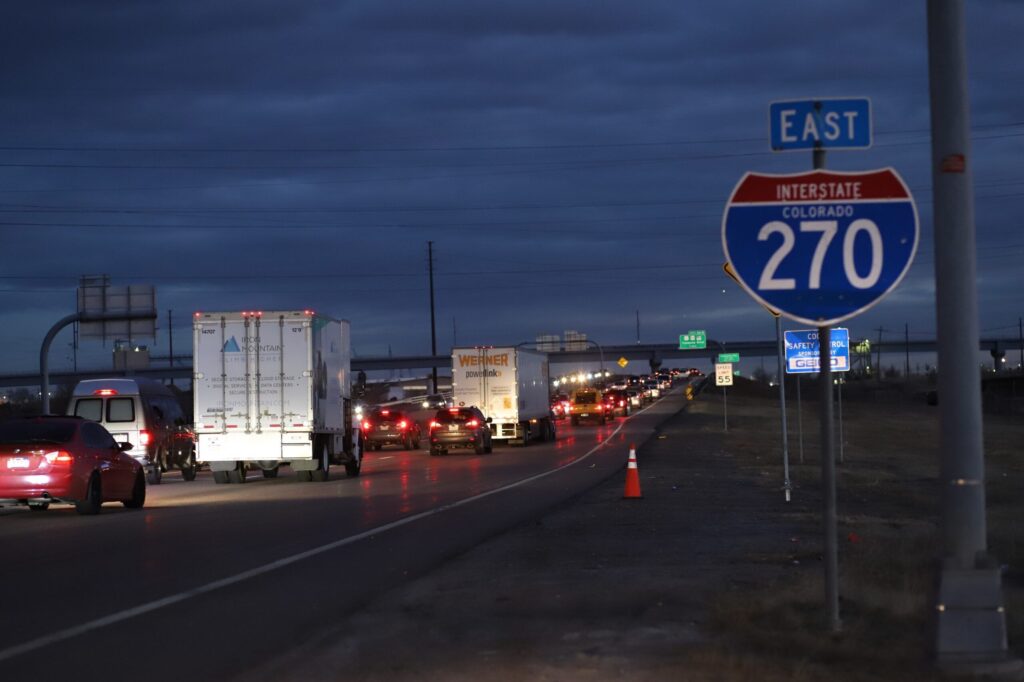
EDITORIAL: Colorado’s transportation dreamers deny reality
The Gazette Editorial Board
thegazette-editorial-board@gazette.com
Updated 5 days ago
A tussle over gridlocked traffic along Interstate 270 north of Denver in Commerce City offers a telling snapshot of the statewide debate over the future of transportation. It’s a potent reminder of the phony pretexts and ulterior motives driving the...
The Gazette Editorial Board
Reporter

EDITORIAL: Colorado’s criminal suspects game ‘incompetency’
The Gazette Editorial Board
thegazette-editorial-board@gazette.com
Updated 7 days ago
Criminal suspects who are deemed mentally incompetent — unable to grasp the charges against them — have the right in Colorado not to be prosecuted on those charges. But they also shouldn’t simply be turned loose to endanger others. Too...
The Gazette Editorial Board
Reporter

EDITORIAL: Need a job? Ask our state government
The Gazette Editorial Board
thegazette-editorial-board@gazette.com
Updated 1 week ago
Colorado can’t shake a troubling employment trend. The latest jobs report reveals the state increasingly relies on government hiring to prop up overall employment numbers — offsetting private-sector job losses. The Common Sense Institute first flagged the problem in an...
The Gazette Editorial Board
Reporter

EDITORIAL: Denver grows its homelessness-industrial complex
The Gazette Editorial Board
thegazette-editorial-board@gazette.com
Updated 1 week ago
Mayor Mike Johnston’s latest pending pratfall on homelessness — having ex-cons staff Denver’s most troubled, city-run homeless hotel — is starting to look even worse. It turns out the San Francisco nonprofit that will employ offenders to run the city’s...
The Gazette Editorial Board
Reporter
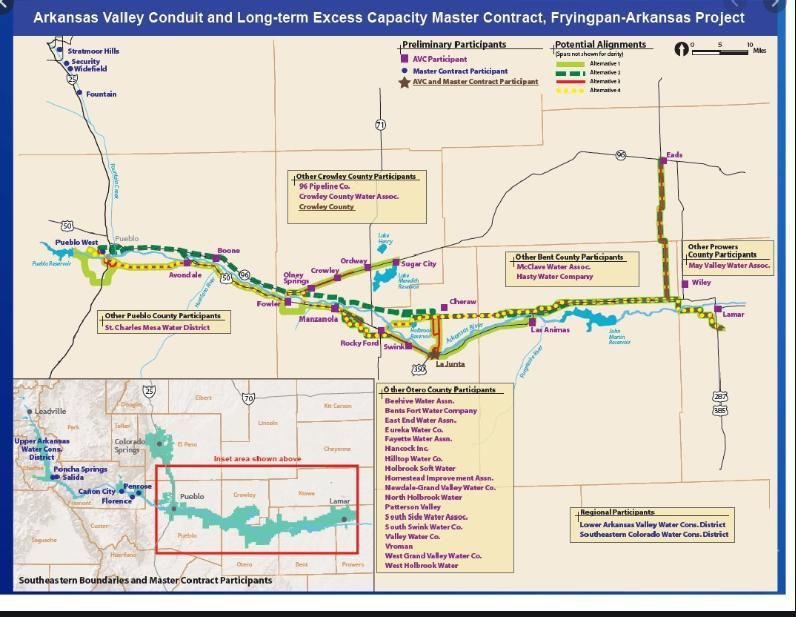
EDITORIAL: Restore Colorado water project ASAP
The Gazette Editorial Board
thegazette-editorial-board@gazette.com
Updated 1 week ago
Without getting into the political intrigue that typically underlies any face-off between the White House and other elected officials in either party — let’s just say President Trump was wrong on Tuesday to jettison legislation for a pivotal water project...
The Gazette Editorial Board
Reporter

EDITORIAL: Polis plays games with utility rates
The Gazette Editorial Board
thegazette-editorial-board@gazette.com
Updated 2 weeks ago
It was only a couple weeks ago when tens of thousands of Coloradans lost power — many for days — because of deliberate, preemptive blackouts ordered by Xcel Energy. It took Gov. Jared Polis about a week, it seems, to...
The Gazette Editorial Board
Reporter

EDITORIAL: Let Colorado law officers hand criminals to ICE
The Gazette Editorial Board
thegazette-editorial-board@gazette.com
Updated 2 weeks ago
Even a progressive Democrat like Gov. Jared Polis has acknowledged the need to help federal authorities rein in the criminal element among our state’s substantial population of illegal immigrants. After all, Polis realizes the public is fed up. Yet, his...
The Gazette Editorial Board
Reporter

EDITORIAL: A welcome assist for school choice in Colorado
The Gazette Editorial Board
thegazette-editorial-board@gazette.com
Updated 2 weeks ago
Jared Polis ranks high among our state’s “education governors,” a list that over the years has included Democrat Roy Romer and Republican Bill Owens. Polis shares with Romer and Owens not only a firm command of the top issues facing...
The Gazette Editorial Board
Reporter
PREV
PREVIOUS

EDITORIAL: A needed crackdown on Colorado’s child trafficking
As reported this week by our news affiliate Colorado Politics, lawmakers are promising a new foray against child trafficking when the 2026 legislative session convenes at the Capitol next week. It’s welcome news. Colorado is believe to be in the top 10 states for human trafficking. Proposed, bipartisan legislation will turn up the heat on […]

Take time today to thank a first responder
New Year’s Day marked the beginning of a significant number of celebrations planned across the nation and our state in recognition of the 250th anniversary of the founding of America and the 150th anniversary of Colorado statehood. As a young child in 1976, I remember many celebratory events held in honor of our nation’s bicentennial. […]