








After sale, what’s next for Denver Pavilions?
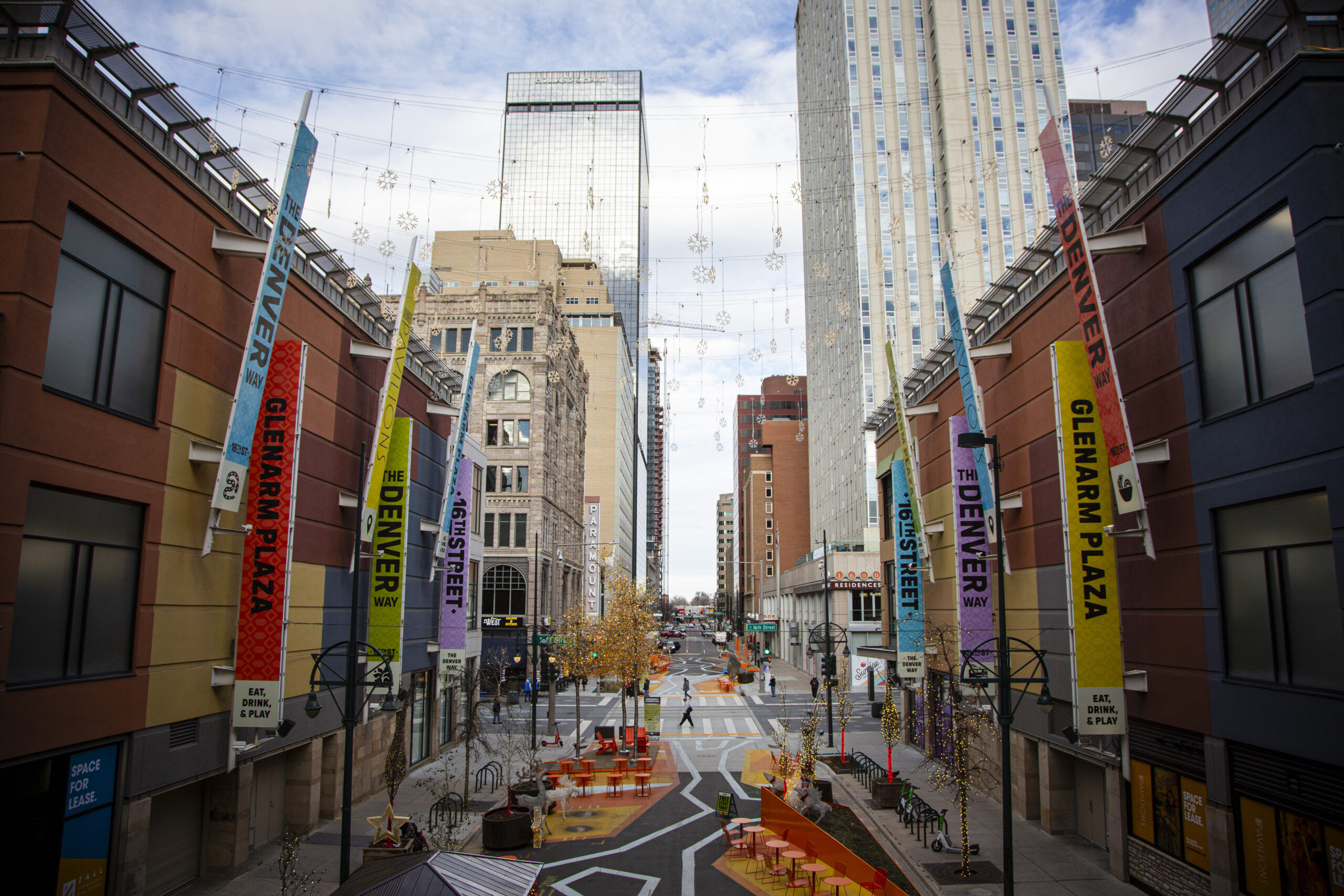
The Denver Pavilions and the parking lots attached to it are at last under the same ownership, opening up the possibility for redevelopment of the downtown shopping center.
In late December, the Denver Downtown Development Authority closed on the mall and the properties at 1518 and 1505 Glenarm Place in a deal totaling approximately $60 million with approval from the City Council.
The deed did not list a final price for the Denver Pavilions, but the DDDA approved up to $45 million to purchase and upgrade the property. City officials have said about $37 million will go toward the sale.
It’s a steep drop from the original sale price, when Gart Properties bought the Denver Pavilions for $94.5 million in 2008. MetLife Real Estate Investors later bought a stake in the property from Clarion Partners in 2015 for $106 million and the mall took out an $85 million loan.
The mall, which is currently anchored by an H&M, a Lucky Strike bowling alley and a Regal movie theater, has struggled with higher vacancy rates due to the pandemic and 16th Street’s construction.
The deal came about after the Denver Pavilions faced the risk of being seized by the lender once the loan was due, which would have dampened the momentum city leaders have hoped for 16th Street’s reopening.
It was a “one-time opportunity,” said Bill Mosher, the city’s chief project officer and former Downtown Denver Partnership CEO in the 1990s, when the Pavilions was built.
The Pavilions parking lots owned by Brookfield Properties were the city’s first priority, as being under different ownership from the mall also meant conflicting interests that have slowed any developments around the area.
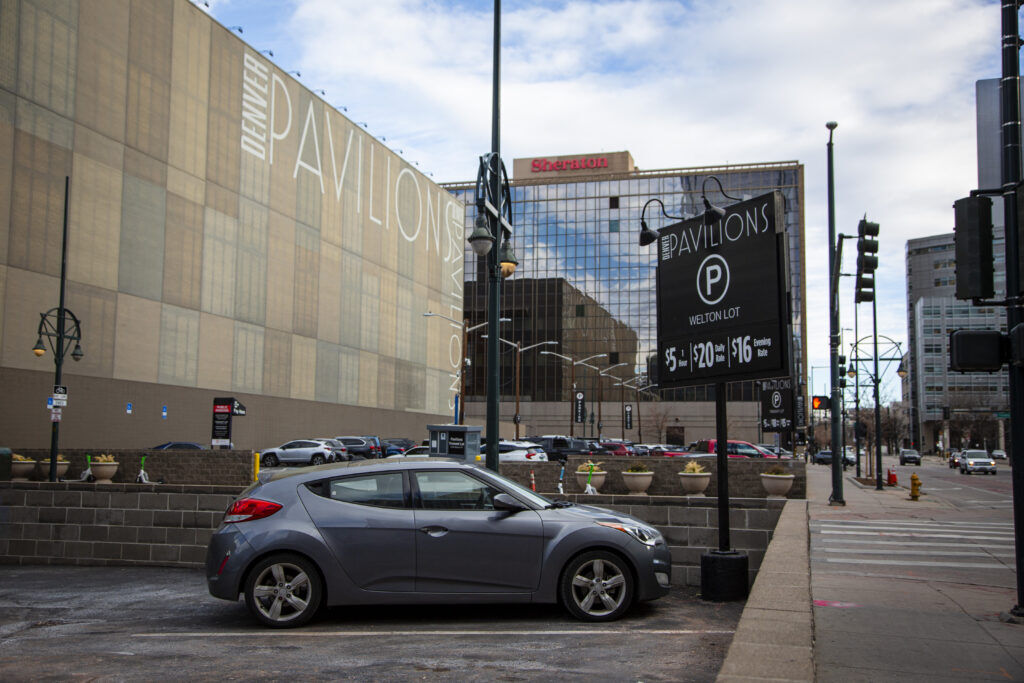
“We were always interested in buying the lots,” Mosher said. “And if Pavilions came along, great.”
While there’s many office skyscrapers with similar financial struggles, Mosher said the Pavilions is the only one of its kind in downtown and the city wanted action sooner than later.
If the lender took the property back, it could have taken more than a year to find a new buyer. Or they might have wanted to wait and hold the property until Denver’s economy recovered to recoup some of its money.
The uncertainty moved the city to action, Mosher said.
While a lender takeover could have ended positively with a different owner who could buy the property and bring their own vision to it, Mosher said they were in the right position to buy it and so they took the opportunity.
“We’re the community. We want to see something on 16th Street happen now,” he said.
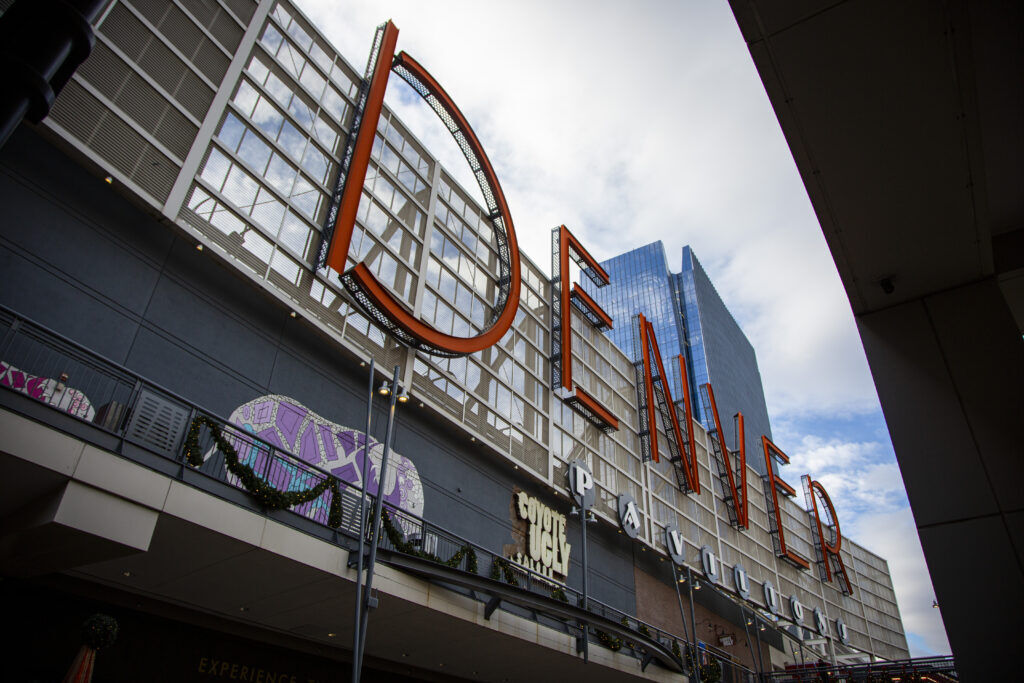
HISTORY OF DENVER PAVILIONS
It’s not the first time Denver Pavilions was considered key to revitalizing downtown Denver.
In the 1990s, the commercial district struggled after losing several department stores, according to an Urban Land Institute case study from 1999 after the Pavilions was built. At the time, Upper Downtown was faring worse than LoDo (lower downtown).
Sound familiar?
The city’s 1986 Downtown Area Plan suggested adding a retail center in downtown to help compete against the rise of shopping malls.
“The City now loses $500 million per year in comparison and entertainment sales, through leakage from the current Downtown retail base — overwhelmingly to suburban shopping centers,” the city planning document stated.
Several attempts to build a regional mall in downtown Denver failed until the Entertainment Development Group (EDG) bought two surface parking lots on 16th Street, between Glenarm Place and Welton Street, to construct the Denver Pavilions.
The Denver Urban Renewal Authority, which was created by the city to spur development in blighted areas, helped finance the project with up to $31.5 million in bonds reimbursed through tax-increment financing, according to DURA’s website.
The 350,000-square-foot shopping and entertainment complex debuted in November 1998, after a year and a half of construction. The project cost nearly $105 million to complete.
When it opened, Denver Pavilions attracted visitors with huge national brands — from a 15-screen United Artists movie theater to Barnes & Noble, NikeTown, Maggiano’s Little Italy and Hard Rock Café.
But before that, obtaining the land to build the Pavilions had a major challenge. The original owners of the parking lots hoped to develop the area themselves in the future, according to the ULI case study, making them hesitant to sell.
EDG had to convince two parking lot owners that a shopping center would add value to any future developments, so they made a special arrangement to split the parcels. The parking lot owners would get parking garage revenue and still keep their opportunity to develop an office, residential or hotel project. (Alas, that never came).
Denver-based Gart Properties bought the Pavilions from the developer in 2008 at the onset of the Great Recession.
“We experienced a bit of a J curve, dip in value, and then we executed our plan,” said Mark Sidell, former president and current vice chairman of the board for Gart Properties. “We ended up by 2015, recapitalizing it, having executed the plan, things were looking great downtown.”
The next five years were a high point, he recalled. Just before the COVID-19 pandemic, business in downtown started to get tougher. The pandemic “accelerated” it, he said.
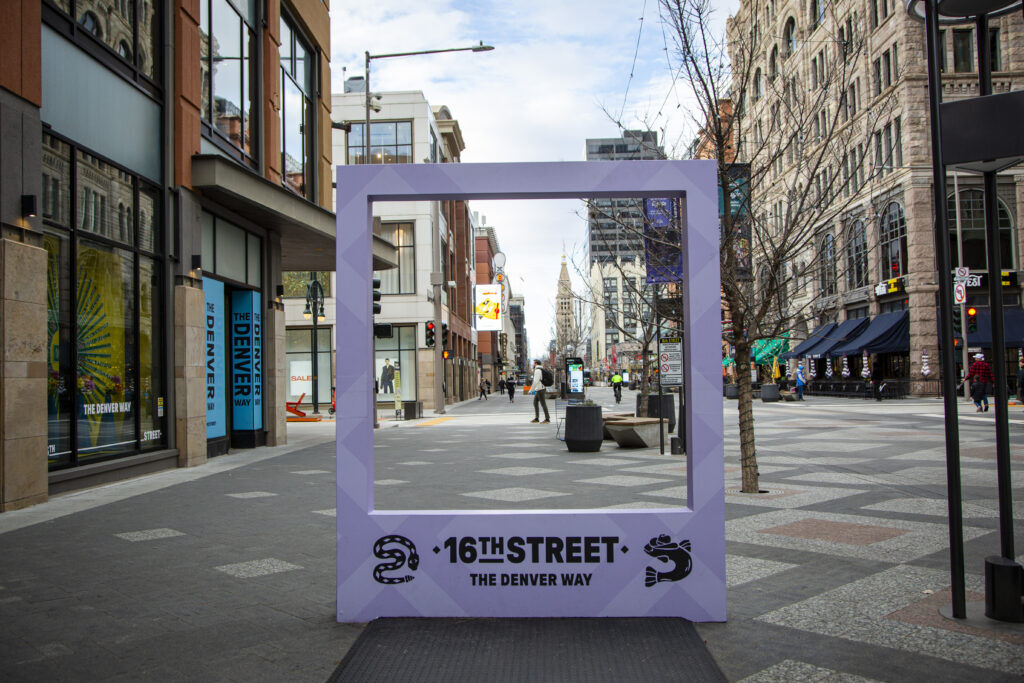
Downtown Denver is still recovering from the pandemic and 16th Street’s years-long construction project.
The Central Business District, where the Denver Pavilions is located, recorded office vacancies at 38% in the third quarter of 2025, according to commercial real estate firm CBRE. LoDo’s was less than 18%.
Evan Gart, the new president of the real estate company, did not want to discuss the sale with The Denver Gazette in an interview in December but said the sale will have a minimal impact on the company.
“Financially, we will be fine,” Evan said. “It’s a blip and the loss is lost.”
While Gart Properties sold the property, Mosher confirmed it will stay on to help the DDDA manage the property.
Downtown has had its pendulum swings, Sidell said, and he believes it’s heading back toward an equilibrium. The DDDA’s purchase gives the Pavilions a new potential to help the city capitalize on 16th Street’s reopening, he added, as their successes are “bound up together.”
“So 16th Street, in order for it to reach its full potential, the Denver Pavilions has to be something special,” Sidell said. “In order for the Denver Pavilions to reach its full potential, 16th Street has to be something special.”
SEARCH FOR DEVELOPER BEGINS
So far, the Denver Pavilions is the largest project funded by the development authority in its pilot year.
The DDDA was created in 2008 to fund Union Station’s revitalization. But as the bonds were paid back early, the city rushed to expand its boundaries to include the rest of downtown. It opened a pot of $570 million to invest in downtown using tax increment financing over the next decade.
Now, the Pavilions is being touted as the DDDA’s new Union Station.
“Just as the revitalization of Union Station brought new life to Lower Downtown, a reimagined Pavilions will rejuvenate the landscape of Upper Downtown,” said Doug Tisdale, board chair of the DDDA, in September when announcing the sale.
The deal that allowed the Pavilions to be built on an empty portion of 16th Street is why those parking lots were under separate ownership for more than 25 years until the DDDA stepped in.
The properties haven’t been on the market because the parking revenue has been valuable over the years, Mosher said. The DDDA will keep parking revenues until it sells the plots again. When asked why not keep it parking if it’s been so profitable, he said that’s the last thing they want for the site.
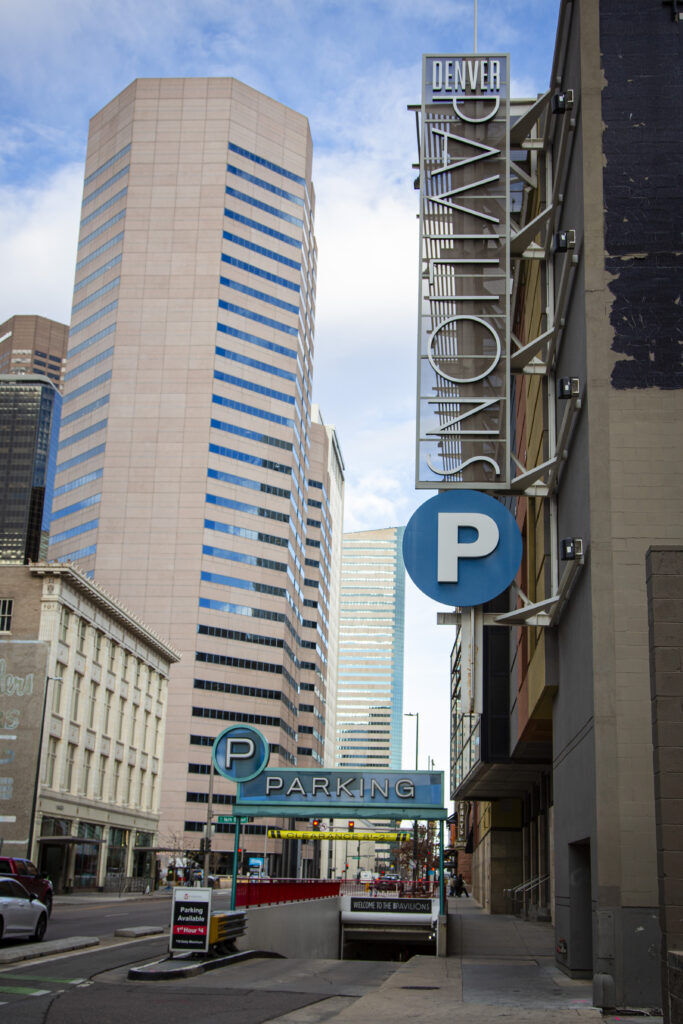
There are about 1,000 parking spots, 200 on the surface lots and 800 below ground. Future developments can still include parking, but the city wants more than just 200 parking spots on the ground in that location.
“If it’s a parking lot five to seven years from now, I’m gonna be really disappointed,” he said.
As one of its first steps, the city wants to create a vision plan for the site to guide what kind of development should go there.
It plans to collect community feedback, look at requests for proposals from retail experts and hire consulting firms to examine the best uses for the parking lots and the mall — just like with the project for Denver Union Station’s revitalization completed in 2014.
The DDDA will also be tasked with upgrading the parking garage, which could help increase current parking revenues.
The plan is to sell it within 12 to 24 months, Mosher said.
“Most of our analysis of this has been that we could own it for three to five years,” he added. “But our hope is to get it into development hands as soon as possible.”


Telluride celebrates end to ski patrol strike
RACHAEL WRIGHT Special to The Gazette
rachael-wright-special-to-the-gazette@denvergazette.com
Updated 5 hours ago
By Rachael Wright Special to the Gazette “We all were able to take a moment to breathe and to celebrate,” said Telluride Town Manager Zoe Dohnal. “As a community it was the most necessary first step forward.” On Jan....

Vince Bzdek: Coloradans are fed up with the high price of cars
Vince Bzdek
vince-bzdek@denvergazette.com
Updated 16 hours ago
Car buyers in Colorado – and America – are fed up. Cars are too damn expensive. The average price of a new car broke the $50,000 barrier last fall, according to Kelley Blue Book stats. The Wall Street Journal recently...

Vince Bzdek
Reporter
EPA rejects Colorado’s plan to tie coal plant shutdowns to cleaner skies
Scott Weiser
scott-weiser@denvergazette.com
Updated 20 hours ago
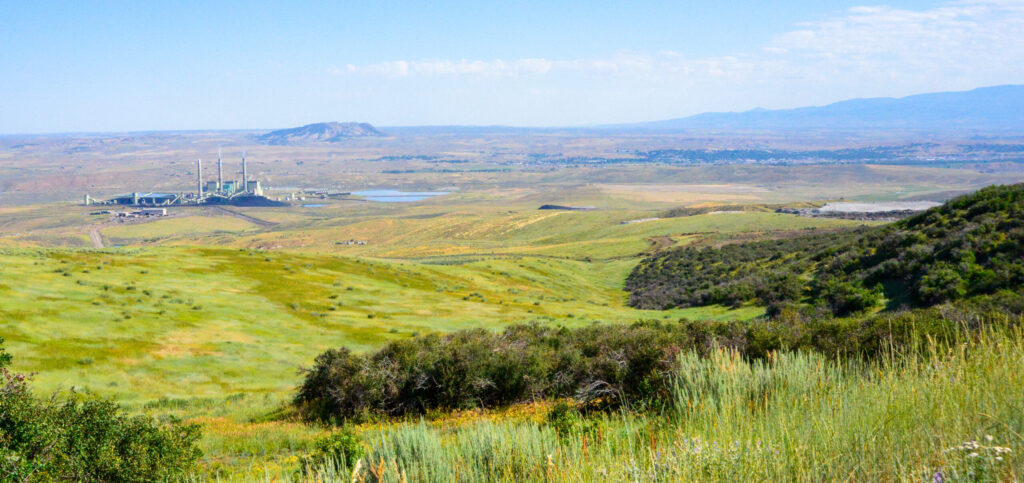
Federal air quality regulators on Friday rejected Colorado’s latest haze-reduction plan, saying the state wrongly tried to force coal-fired power plants to close early as part of efforts to clear up views in national parks and wilderness areas. The U.S....

Scott Weiser
Reporter
Gov. Jared Polis ‘frustrated, surprised’ at efforts to revive vetoed union bill
Marissa Ventrelli
marissa-ventrelli@denvergazette.com
Updated 2 days ago
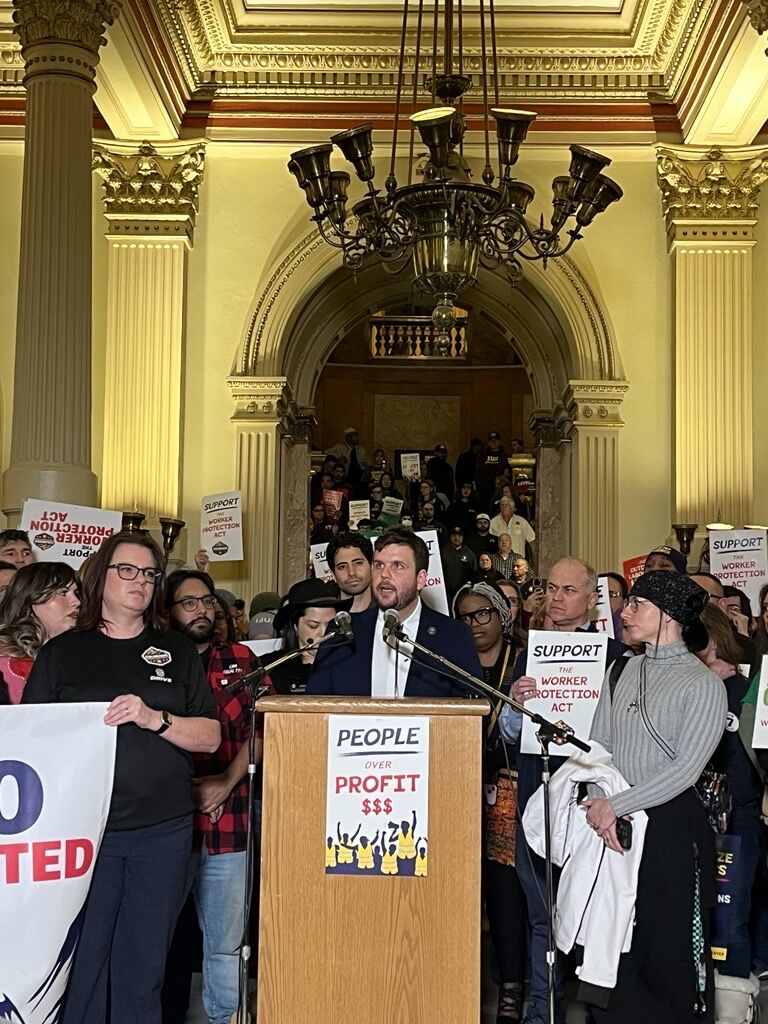
Gov. Jared Polis was surprised that Democratic lawmakers and labor groups are seeking to revive a union-backed legislation less than a year after he vetoed the bill due to concerns about its impact on businesses and mandatory dues. Elected officials...

Marissa Ventrelli
Reporter

Red Carpet Reception proves new home’s a winner for Coors Western Art Exhibit & Sale | NONPROFIT REGISTER
Joanne Davidson Special to Colorado Politics
joanne-davidson-special-to-colorado-politics@denvergazette.com
Updated 2 days ago
NATIONAL WESTERN STOCK SHOW News: It wasn’t just the art that people were talking about at Thursday night’s Red Carpet Reception for the 34th Coors Western Art Exhibit & Sale. A good number of the 1,000-plus guests were on their first visit to the show’s spacious new location on the...


NASA taps Colorado companies to lead development on telescope searching for life on other planet
Alexander Edwards
alexander-edwards@denvergazette.com
Updated 20 hours ago
NASA has selected two Colorado companies to help develop a future NASA space telescope that will look for signs of life on other planets. The flagship project, called the Habitable Worlds Observatory, will be the first space telescope purpose built...

Alexander Edwards
Reporter

Ski patrollers end strike against Telluride
RACHAEL WRIGHT Special to The Gazette
rachael-wright-special-to-the-gazette@denvergazette.com
Updated 20 hours ago
After 13 days, the longest ski patrol strike in U.S. history has come to an end. On Dec. 27, the 72-member Telluride Professional Ski Patrol Association voted to go on strike after approaching Telluride Ski Resort (Telski) owner Chuck Horning...
Xcel seeks back-to-back rate hikes totaling $546 million
Scott Weiser
scott-weiser@denvergazette.com
Updated 20 hours ago
Colorado’s largest utility filed for major increases in both electric and natural gas rates within weeks of each other, a move that could add roughly $17 a month to the average household bill serving both services. Xcel Energy submitted a...
Scott Weiser
Reporter
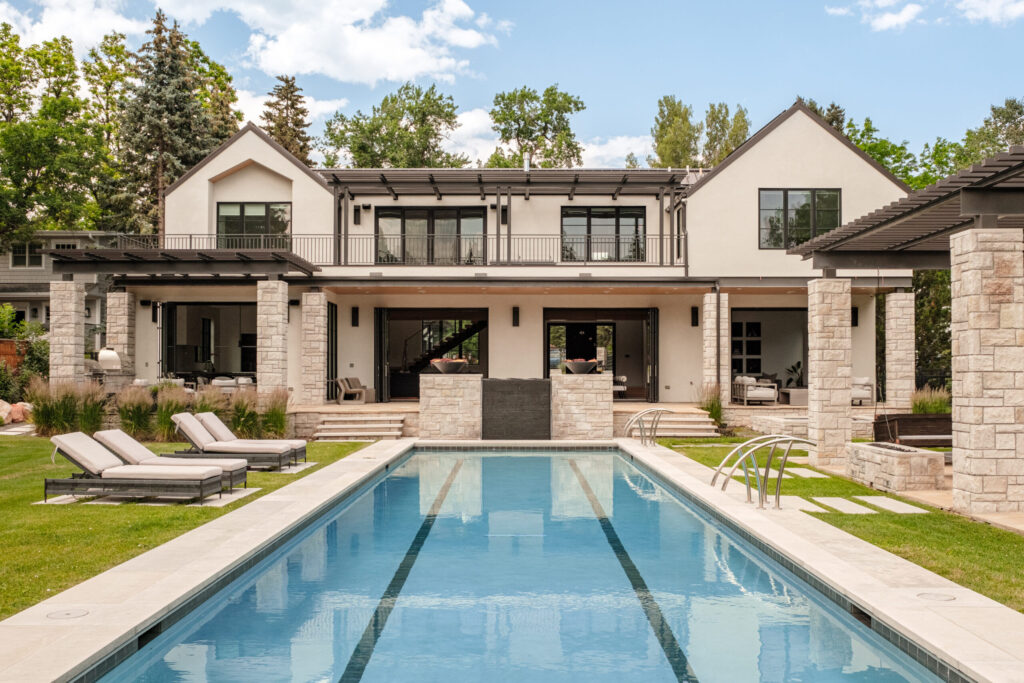
Inside the ‘Boulder Bubble,’ a custom home is $17.25 million
Mark Samuelson
mark-samuelson@denvergazette.com
Updated 3 days ago
You’d expect a newer custom home in the Denver area, one with 9,000-plus feet of living space on a larger city site, with a pool and good mountain views, to have a lofty price, right? Maybe in the high-seven figures?...

Mark Samuelson
Reporter
Alaska Airlines sets out expansion, placing its largest Boeing order yet
Reuters
reuters@denvergazette.com
Updated 4 days ago
WASHINGTON – Alaska Airlines said Wednesday it will purchase 110 new Boeing aircraft — the largest single order in the carrier’s history — as part of an aggressive expansion and fleet modernization plan. The deal includes 105 737 MAX 10...

Reuters
Reporter
PREV
PREVIOUS

Gov. Jared Polis 'frustrated, surprised' at efforts to revive vetoed union bill
Gov. Jared Polis was surprised that Democratic lawmakers and labor groups are seeking to revive a union-backed legislation less than a year after he vetoed the bill due to concerns about its impact on businesses and mandatory dues. Elected officials and labor unions gathered at the Capitol on Thursday to announce the return of a […]

Denver metro cities seeking 'snow angels' to help neighbors clear snow
Cities throughout the metro Denver area seek volunteers to help residents who are unable to shovel snow as the area saw another snow storm Friday. Volunteer snow shoveling programs come with different names in various cities — “Snow Busters” in Aurora, “Snow Angels” in Denver, “Snow Buddies” in Arvada, “Snow Guardians” in Commerce City — […]