







Denver ranked 5th in metro areas with highest homeless population, report says
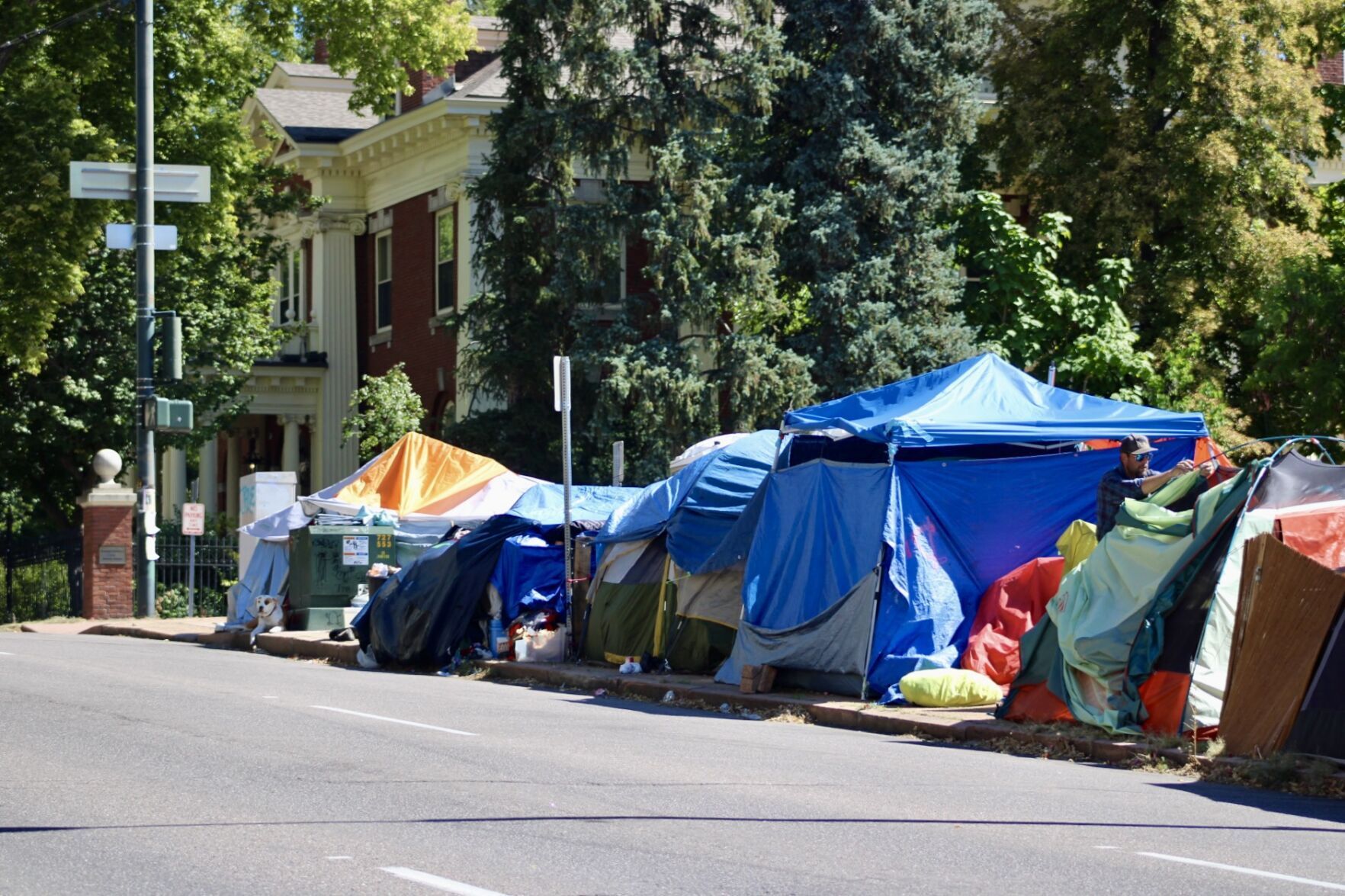
Denver is one of the major metropolitan areas in the country with the highest homeless population, and affordable housing may not be the main reason why — a new report claims.
A new study by the Common Sense Institute found that metropolitan Denver ranked fifth for total number of homeless people among the 50 largest metro areas in the country in 2024.
The study claimed that there were more than 14,200 homeless people in the metro area in 2024, just below Seattle, Chicago, Los Angeles and New York City, respectively.
The 2025 annual point-in-time (PIT) Count released by the Metro Denver Homeless Initiative told a similar story for last year.
The count is a nationwide, yearly, unduplicated count of the homeless population conducted on a single night in January.
A total of 7,327 people were counted as homeless — a number that grew by 788 over 2024, according to the count.
The 2025 PIT count data showed that the city’s homeless numbers went up in almost every category except two — the “newly” homeless and the “unsheltered” homeless.
Along with the numbers, CSI said that while housing affordability correlates with homelessness rates, factors like labor productivity, state spending, drug use, crime and mental illness have stronger statistical correlations than housing affordability in leading to homelessness.
“These numbers place Colorado firmly among the states facing the most severe homelessness challenges in the country,” said Dustin Zvonek, CSI Homelessness Fellow and former Aurora City Council member. “They also suggest that strategies focused almost exclusively on housing costs may be missing key drivers that keep people trapped in chronic street homelessness.”
On Denver Mayor Mike Johnston’s first day in office in July, 2023, he declared a state of emergency on homelessness in the city. That enabled Johnston to move forward with plans to clean up homeless encampments, move people indoors, and off the street with the financial backing of federal funding resources, such as the American Rescue Plan Act.
Over the next years, the city invested more than $150 million into hotel shelters and service contracts to house the homeless and provide “wrap-around” services such as case management, mental health services and job assistance.
Jon Ewing, Johnston’s spokesperson, told The Denver Gazette that the initiatives are working and the CBI report used data from the beginning of 2024, only six months into Johnston’s term.
“As for our more up-to-date efforts, we’re proud to have helped nearly 8,000 people secure shelter since July 2023 and 6,700 move into housing,” he said.
Ewing added: “As a result, there are no longer large encampments in Denver and street homelessness has fallen by 45% over the course of two years, as tracked by the annual Point-In-Time Count. We’re proud of the progress we’ve made and look forward to helping more people leave the streets behind in 2026.”
In July 2025, President Donald Trump signed in an executive order titled, “Ending Crime and Disorder on America’s Streets,” placing country-wide priorities on non-housing first treatment models.
The 2026 PIT count will take place on Monday night, Jan. 26, 2026, according to the Metro Denver Homeless Initiative.


Aurora City Council considers bringing back notice before sweeping homeless camps
Kyla Pearce
kyla-pearce@denvergazette.com
Updated 2 weeks ago
New Aurora City Council member Rob Andrews proposed a resolution that, if passed at a future regular council meeting, would bring back the requirement for a 72-hour notice before homeless encampment sweeps. In February 2025, Aurora lawmakers got rid of...

Kyla Pearce
Reporter

Greeley’s StarRise Apartments offers permanent residency to the homeless
Hap Fry, Special to The Gazette
hap-fry@gazette.com
Updated 4 weeks ago
GREELEY – Before 2025, Christine Taulman was not the biggest fan of the holidays. Her feelings were understandable — homeless, she was in and out of shelters for much of her life between 2015 and 2024. But the Greeley resident...

Hap Fry, Special to The Gazette
Reporter
Jeffco saw largest increase in homelessness rate in metro area last year
Sage Kelley
sage.kelley@denvergazette.com
Updated 4 weeks ago
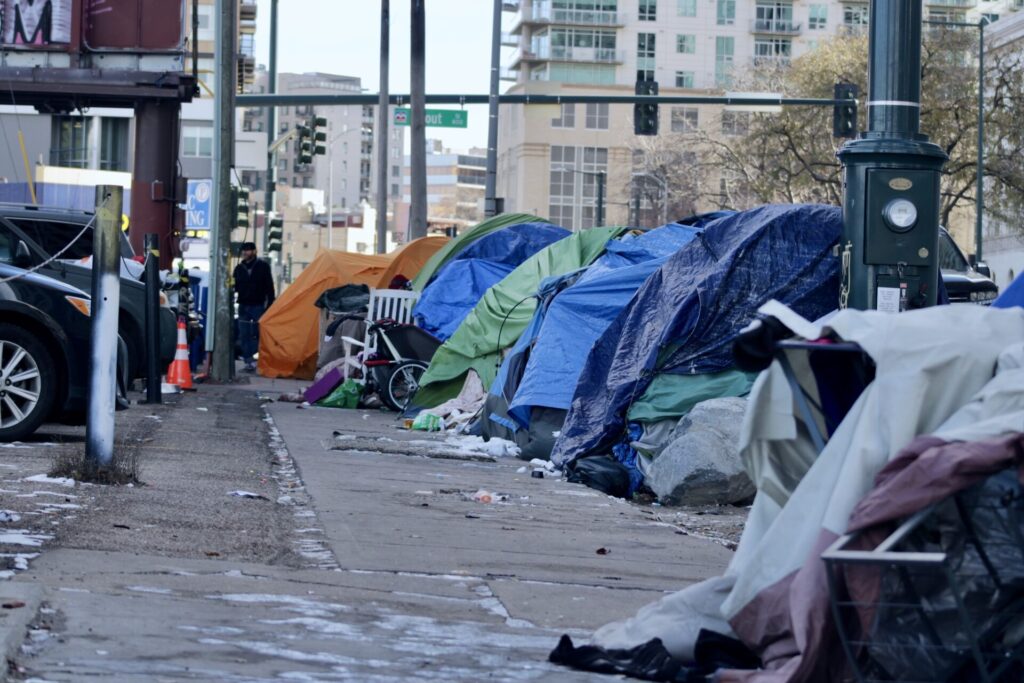
Jefferson County saw the highest increase in the rate of homelessness in the metro area, though Denver still dwarfed its neighbor’s total number of homeless people. Jeffco saw a 27% increase in homelessness from 2024 to 2025 — the largest...

Sage Kelley
Reporter

Denver seeks executive director for Department of Housing Stability
Deborah Grigsby
deborah.smith@denvergazette.com
Updated 1 month ago
The City of Denver is on the hunt for its next Department of Housing Stability executive director, a role vacated late last year by Jamie Rife. Along with a generous benefits package, which includes a lifelong monthly pension after five...

Deborah Grigsby
Reporter
Denver mayor aims to reduce gun violence, homelessness in 2026
Deborah Grigsby
deborah.smith@denvergazette.com
Updated 1 month ago
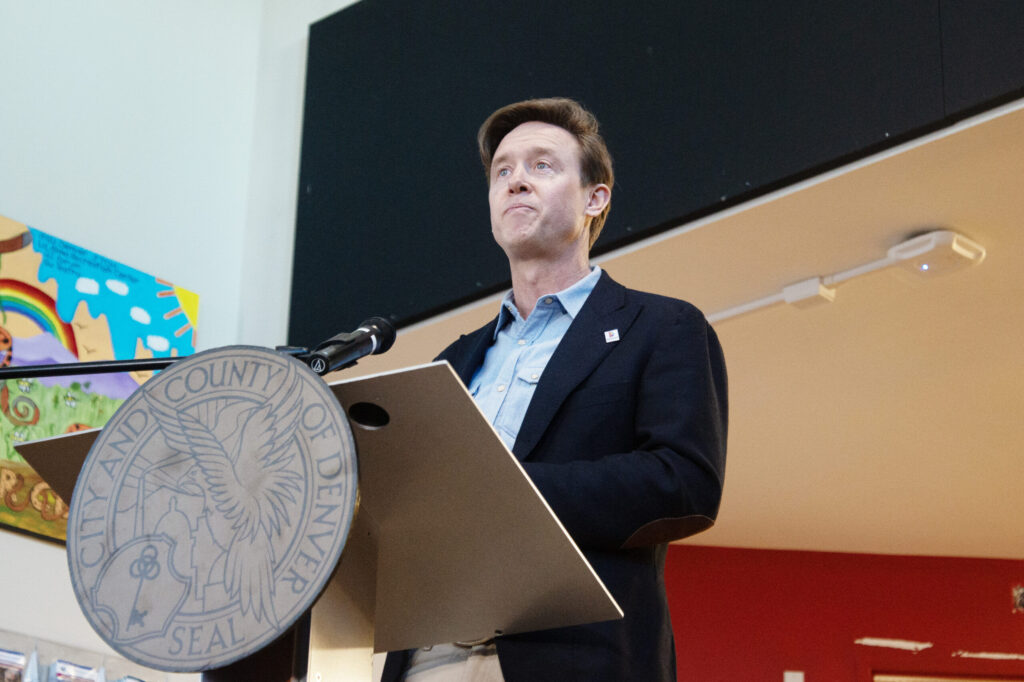
Denver Mayor Mike Johnston on Monday outlined his top 2026 priorities, with an eye toward the city’s most persistent challenges, notably homelessness, which has been growing under his administration, though there had been gains in some areas. The city’s top...
Deborah Grigsby
Reporter

Denver City Council to mull spending $30M on homeless services
Deborah Grigsby
deborah.smith@denvergazette.com
Updated 1 month ago
The Denver City Council will consider a trio of resolutions totaling $30 million to support the city’s efforts to shelter the homeless. The first is a resolution to approve a $14 million, two-year agreement between the city and Bayaud Works,...
Deborah Grigsby
Reporter

Colorado Coalition for the Homeless workers rally, citing low pay, high turnover
Deborah Grigsby
deborah.smith@denvergazette.com
Updated 2 months ago
Dozens of Colorado Coalition for the Homeless frontline workers and members of the Service Employees International Union (SEIU) Local 105 rallied Thursday outside of a downtown CCH office building on north Broadway, calling on the nonprofit to address low wages...
Deborah Grigsby
Reporter
Denver City Council to revisit cold-weather shelter funding next week
Deborah Grigsby
deborah.smith@denvergazette.com
Updated 2 months ago
Funding to pay for hotel rooms and ballrooms to accommodate overflow from the city’s emergency shelter beds during cold-weather activations will have to wait until next week. A resolution was delayed that would have added $450,000 to an existing contract...
Deborah Grigsby
Reporter
Aurora City Council Q&A: Homelessness
Kyla Pearce
kyla-pearce@denvergazette.com
Updated 2 months ago
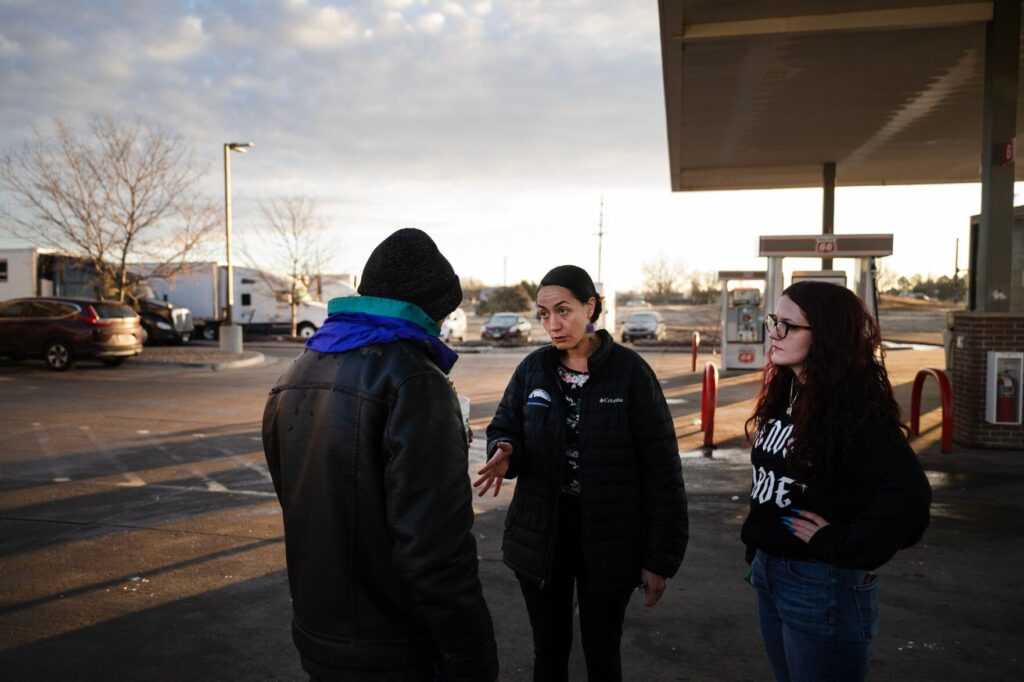
In November’s election, Aurora voters flipped what was previously a seven-to-three conservative majority on the City Council to a six-to-four progressive majority. With the significant shift of the council’s political leaning could come policy changes and reversals. The Denver Gazette...
Kyla Pearce
Reporter

Denver housing official was named in Urban Alchemy lobbying kerfuffle
Deborah Grigsby
deborah.smith@denvergazette.com
Updated 2 months ago
Denver’s Department of Housing Stability has a unique connection with its biggest and newest homeless shelter provider, as well as some of its troubles. Jeff Kositsky, HOST’s deputy director of shelter and stability, was Urban Alchemy’s chief growth officer for...
Deborah Grigsby
Reporter
PREV
PREVIOUS

Lakewood zoning petitions deemed sufficient, may lead to special election
The year-long quarrel regarding Lakewood’s new zoning code is stretching into the new year, with petition signatures potentially taking the issue to the ballot this spring. A nearly 400-page zoning code update was sent to the City Council in February and was officially approved on Oct. 13. It took effect at the beginning of the year. […]

7 Buffalo wing spots to try for the Broncos vs. Bills game
Denver brings the heat for the first playoff game of the season, here’s seven places to get some Buffalo wings for game day There is no better way to eat on game day than with traditional bar food, such as wings, fries, and pizza. In the spirit of Denver being the No. 1 seed in the AFC and entering […]