







Colorado Senate kicks off 2026 session with bills on competency law, housing, schools and public safety
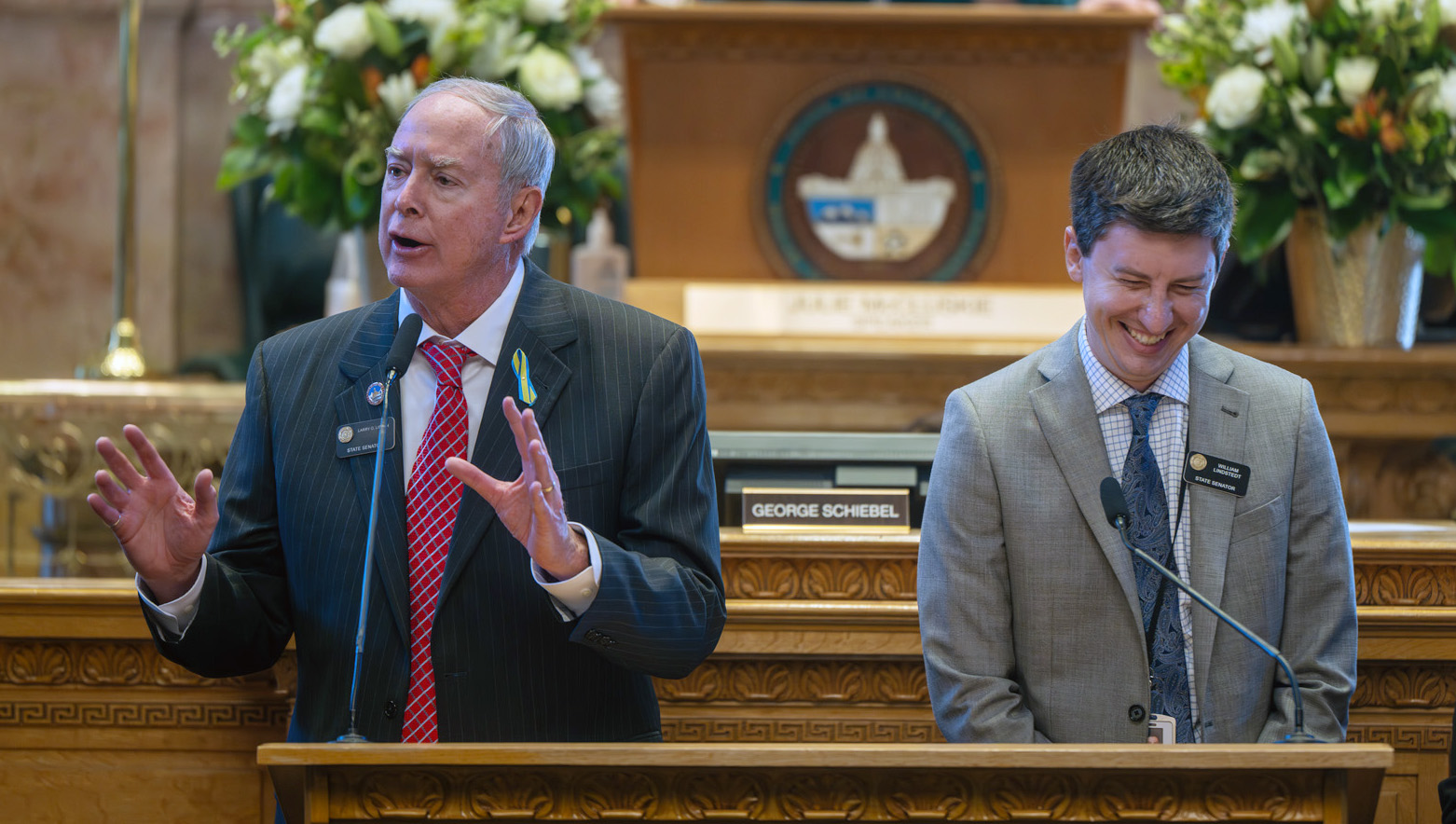
The Colorado Senate opened the 2026 legislative session Wednesday with a flurry of policy proposals, including changes to the state’s competency law, tougher penalties for child trafficking, early action on school funding and measures addressing housing, firearms and immigration enforcement.
The first of several expected bills addressing the state’s competency law was introduced at the start of the 2026 legislative session.
Senate Bill 14, sponsored by Democratic Sens. Judy Amabile of Boulder and Dafna Michaelson Jenet of Commerce City, arose from an interim committee on behavioral health disorders in the criminal and juvenile justice systems.
It permits community placement of a defendant for treatment and rehabilitation and clarifies the legal standard for a defendant’s release from the Department of Human Services.
It won’t be the only bill on the competency issue. Amabile told Colorado Politics she’s working on another.
Last week, a bipartisan quartet of lawmakers announced a bill to change the penalties for those who use children for sexual exploitation purposes. Senate Bill 15 will change the penalty from a Class 4 to a Class 3 felony, which would remove any chance of probation for those convicted of child trafficking.
Meanwhile, some lawmakers have complained for years that the School Finance Act is introduced too late in the legislative session, usually after the General Assembly has finished its work on the budget.
Not this year. The School Finance Act, sponsored by Sen. Chris Kolker, D-Littleton, and Sen. Barbara Kirkmeyer, R-Brighton, was among the first measures rolled out on Wednesday.
Under the bill, per-pupil funding would increase by $217.30 to $8,909.10. The bill’s total K-12 budget is $10.2 billion.
The first bill introduced in the Senate on Wednesday deals with workforce housing and housing tax credits, sponsored by Democratic Sens. Dylan Roberts of Frisco and Jeff Bridges of Greenwood Village. Senate Bill 1 would allow county commissioners to use property tax revenue or other general fund revenue for workforce housing and for housing authorities.
The state’s “red flag” law, which allows law enforcement, educators, and mental health professionals to seek the removal of firearms from someone who is a danger to themselves or others, could be tweaked under a bill offered by Sen. Tom Sullivan, D-Aurora.
Senate Bill 4 would expand the categories of those who can seek extreme risk protection orders to include mental health facilities that employ the mental health professionals pursuing the action; school districts and higher education institutions that employ faculty or teachers who seek those orders; and hospitals and behavioral health facilities that provide crisis services. The bill also adds faculty at community colleges, area technical colleges, and local district colleges to those who can seek the orders.
Finally, Democratic Sens. Julie Gonzales of Denver and Mike Weissman of Aurora are sponsoring Senate Bill 5, which would allow injured individuals to sue those involved in federal civil immigration enforcement actions.


Colorado governor pats himself on the back in final state address to lawmakers
Marianne Goodland
marianne-goodland@denvergazette.com
Updated 34 minutes ago
Gov. Jared Polis on Thursday took an 82-minute victory lap in his eighth — and final — State of the State address. He touted his work in the areas of early childhood development, education, health care, housing and public safety,...
Marianne Goodland
Reporter

Contaminated gas fiasco impacts hundreds of motorists in Colorado
Dennis Huspeni
dennis.huspeni@gazette.com
Updated 3 hours ago
Hundreds of metro Denver motorists who filled their vehicles up with gasoline contaminated with diesel last week are scrambling to get them fixed, renting cars, and taking ride shares. They are also figuring out how to get reimbursed. Some service...

Dennis Huspeni
Reporter

PUC holds firm on ambitious 41% greenhouse gas cut for natural gas utilities
Scott Weiser
scott-weiser@denvergazette.com
Updated 3 hours ago
The Colorado Public Utilities Commission refused to ease a greenhouse gas reduction target for natural gas utilities, voting 2-1 to preserve a 41% cut in use by 2035 despite utility requests for a lower number and environmental groups pushing for...

Scott Weiser
Reporter

Rockmount — maker of Western wear for rock stars and truckers — turns 80 this year
Bernadette Berdychowski
bernadette.berdychowski@denvergazette.com
Updated 5 hours ago
While most clothing labels follow the latest trends or aim to make new ones, Rockmount Ranch Wear is content with the Western style it fashioned nearly 80 years ago. Its Lower Downtown shop — showcasing the Western wear it spread...

Bernadette Berdychowski
Reporter

Fatal fentanyl overdoses in Denver up nearly 25% in 2025, health department says
Michael Braithwaite
michael.braithwaite@gazette.com
Updated 5 hours ago
Fatal fentanyl overdoses in Denver rose by nearly 25% in 2025 to the second-highest total in the past half decade, according to preliminary data from the Denver Department of Public Health and Environment. Within the city, 346 people died last...

Michael Braithwaite
Reporter
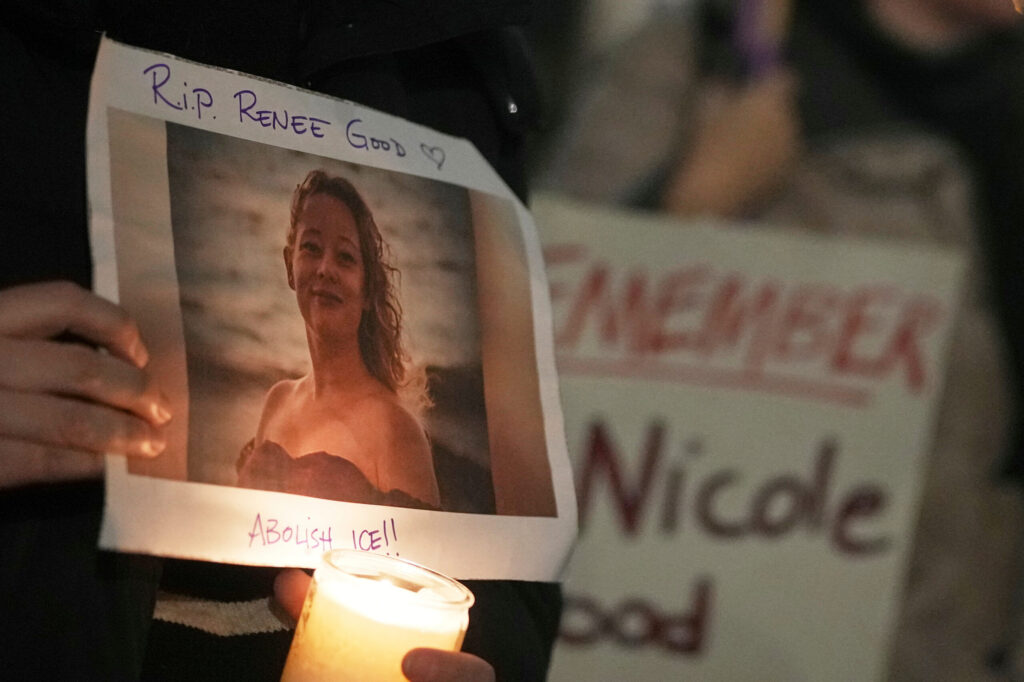
Renee Good’s family hires George Floyd law firm to investigate Minneapolis ICE shooting
The Associated Press
the-associated-press@denvergazette.com
Updated 7 hours ago
Renee Good’s family is accusing federal immigration officers of killing the Minneapolis mother as she attempted to follow agents’ instructions, and said Wednesday they have hired the same law firm that represented George Floyd ’s family to press for answers and accountability....

The Associated Press
Reporter
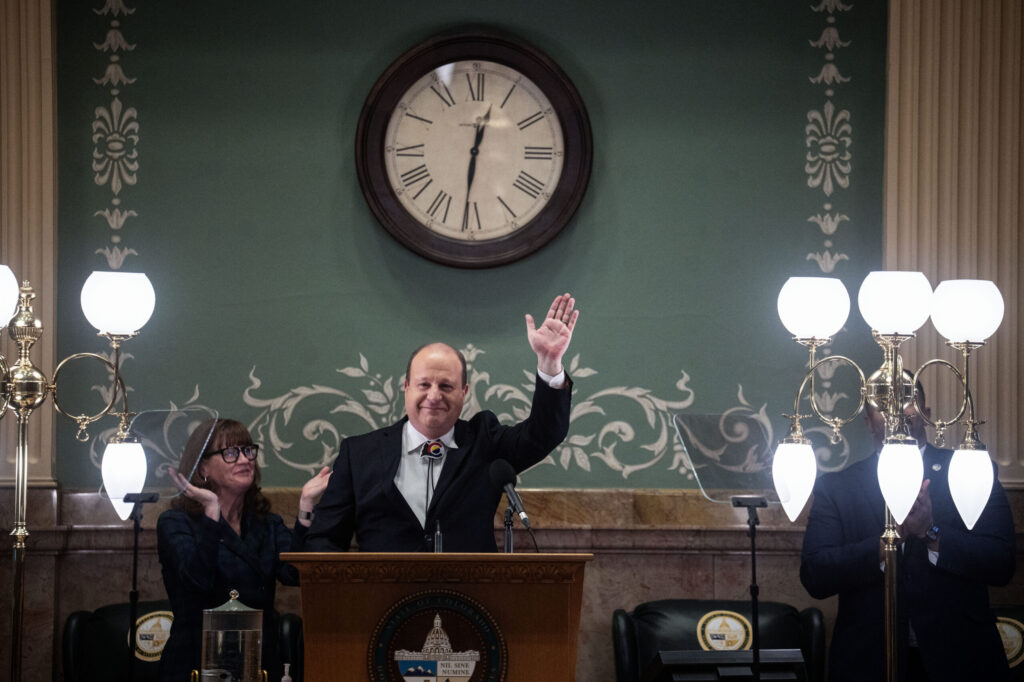
PHOTOS: Governor Polis delivers his last state of the state
Stephen Swofford
stephen-swofford@denvergazette.com
Updated 7 hours ago

Stephen Swofford
Reporter

Woman dies after getting hit by semi-truck on I-70 near Glenwood Springs
Michael Braithwaite
michael.braithwaite@gazette.com
Updated 4 hours ago
A female pedestrian died on Wednesday evening after she was hit by a semi-truck on Interstate 70 just west of Glenwood Springs, authorities said. The semi-truck, towing a trailer at the time, was driving westbound on the interstate when the...
Michael Braithwaite
Reporter
Colorado EDC approves nearly $6 million in tax incentives for 3 companies
Bernadette Berdychowski
bernadette.berdychowski@denvergazette.com
Updated 4 hours ago
The Colorado Economic Development Commission approved a total of nearly $6 million in job growth tax incentives for three companies considering expansions in the state on Thursday. The largest incentive package went to an unnamed quantum company described as “Project...
Bernadette Berdychowski
Reporter

Polis delivers final state address to Colorado legislature
Colorado Politics
colorado-politics@denvergazette.com
Updated 7 hours ago
Gov. Jared Polis delivered his final State of the State address to the Colorado General Assembly this morning and outlined his agenda for this year’s legislative session, with a focus on housing, early childhood development, and the economy. He expectedly...

Colorado Politics
Reporter
PREV
PREVIOUS

Man arrested for arson in connection with five-alarm Leetsdale fire
Authorities announced Wednesday the arrest of a man in connection with one of the largest fires Denver has seen in decades. Tony Becerra, 38, faces arson charges in relation to a five-alarm fire on Leetsdale Drive that burned and destroyed an under-construction apartment building on Jan. 2, according to a Wednesday news release from the […]

Adams County Sheriff's Office creates human trafficking unit
The Adams County Sheriff’s Office announced the creation of a Human Trafficking Unit on Tuesday. Two Adams County detectives will staff the unit, investigating human trafficking cases and enforcing regulations governing massage facilities, according to a news release from the ACSO. Unit detectives will also investigate other vice crimes like prostitution and exploitation, the release […]