







EDITORIAL: Ag remains a cornerstone, linchpin of Colorado’s economy
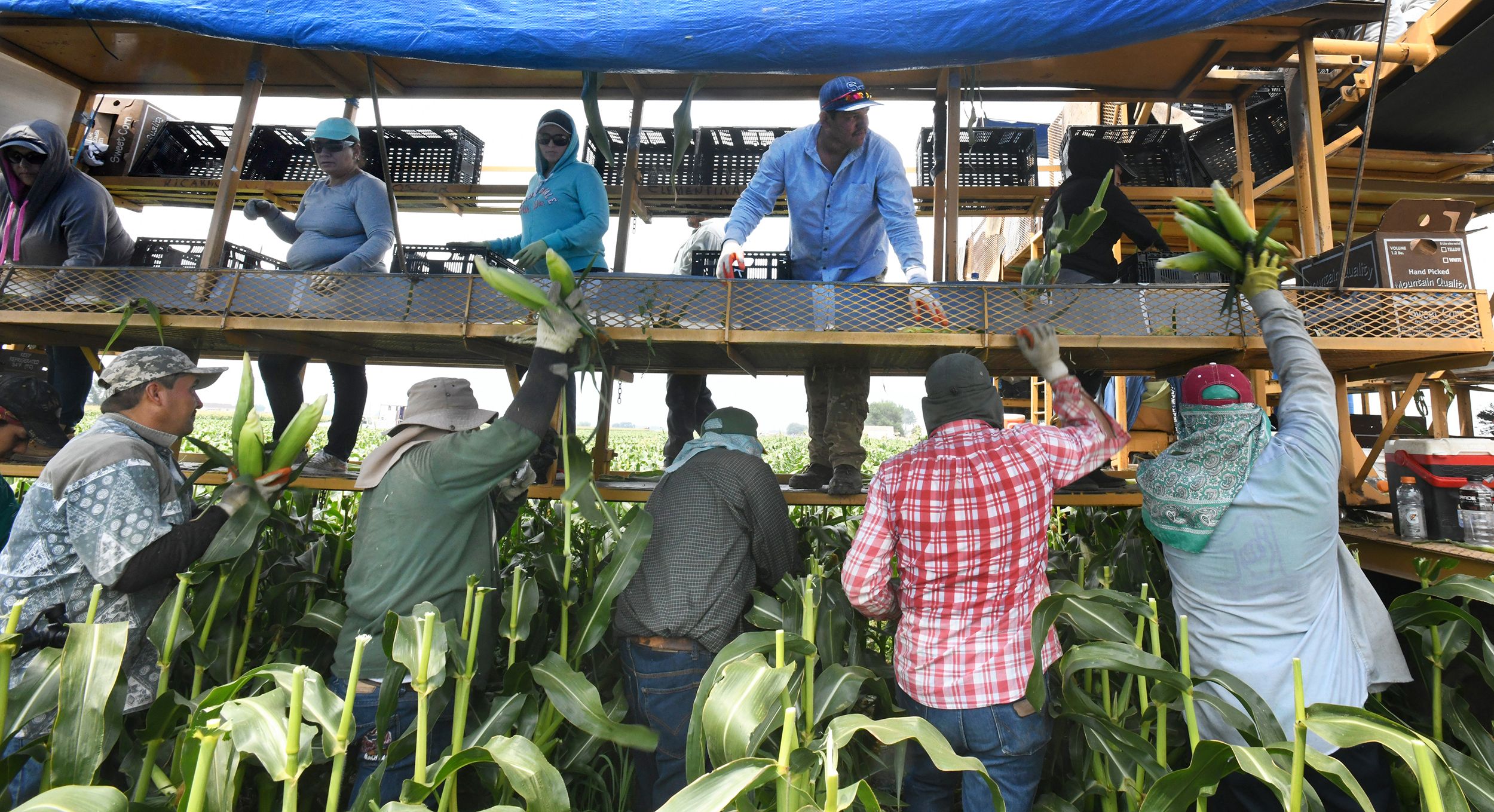
How important is agriculture to Colorado’s overall well-being?
It accounts for about $47 billion a year of our state’s economy, directly or indirectly employing at least 195,000 people. The livestock sector alone — especially ranchers and their cattle — contributes $9 billion of that total. The tens of thousands of farms and ranches in our state rank it among the top 10 producers of cattle, sheep, wool, potatoes and assorted fruits.
Colorado also happens to be the nation’s No. 1 producer of proso millet. The name may be obscure to urban and suburban Front Range residents, but the crop is in fact a staple of their diet. It’s a nutrient-rich, gluten-free grain used in everything from health foods to baked goods.
Yes, even in the Digital Age of the 21st century, in the midst of the AI revolution and on the cusp of quantum technology — agriculture remains a cornerstone of Colorado’s economy and a linchpin for the state’s vitality.
And, of course, it feeds all of us our breakfast, lunch and dinner.
So it’s no surprise ag plays a particularly vital role in the many communities of Colorado’s vast Western Slope, as noted in a report this week in The Gazette about a new study of five key agricultural Western Slope counties. The Western Slope Agriculture Report, produced by Colorado Mesa University in Grand Junction and the Business Incubator Center, concluded, among other things, that agriculture supports more than 9,000 jobs, contributes $287.1 million to regional GDP and generates over $719 million in total economic output.
The Western Slope’s farms and ranches also have proven themselves innovative and entrepreneurial, tapping into Colorado’s substantial tourism trade, the study found. Well over half of the region’s agricultural producers have diversified by engaging in agri-tourism, direct-to-consumer sales and outfitting.
At the same time, the report revealed some of the vulnerabilities of the ag sector on the Western Slope, mirroring challenges facing agriculture statewide and nationally. Some of those challenges are perennial, like the ever-present risk of drought in semi-arid Colorado; 8% of the farms and ranches studied reported being directly affected by drought. Another perennial challenge is demographics. Notably, farmers and ranchers are aging, and there too often is no next generation to step in. The report found 35%-44% of ag producers are over age 65, and less than 8% are under 35.
In other words, agriculture as an economic force is formidable, dynamic — and as essential as the food in produces. But it’s also fragile and susceptible to a number of threats.
All of which serves as a potent reminder for our state and federal elected leaders to proceed thoughtfully and tread lightly in making public policy affecting agriculture.
Federal policymaking on the likes of grazing fees, or on tariffs and other import-export policies, can benefit or backfire on family farms and ranches whose profit margin is always slim.
State policies — especially when orchestrated by narrow special interests seeking to persuade voters or lobby legislators — can undermine the precarious ag economy, as well. Consider the disastrous “ballot-box biology” in 2020 that imposed wolf reintroduction; it predictably turned into an assault on Colorado’s cattle herds. Or, legislation signed into law by Gov. Jared Polis in 2021, micromanaging pay and labor relations for agricultural workers. It was an epic display of the legislature’s gross ignorance of Ag Economics 101.
In other words, let’s not bite the hand that literally feeds us — and that creates so much of our state’s prosperity.


EDITORIAL: Let’s face it, wolf reintroduction is a failure
The Gazette Editorial Board
thegazette-editorial-board@gazette.com
Updated 4 days ago
With the news last week Colorado Parks & Wildlife will not release any wolves this winter, it has become clear the state is at a crossroads with its reintroduction program. Which is as good a place as any to reverse...
The Gazette Editorial Board
Reporter

EDITORIAL: A troubling tax hike is back on track
The Gazette Editorial Board
thegazette-editorial-board@gazette.com
Updated 4 days ago
Even after three strikes, advocates for a “progressive” income tax aren’t out. Their proposal to replace Colorado’s 4.4% flat income-tax rate with an array of tax brackets is once again moving ahead toward next November’s ballot after state officials gave...
The Gazette Editorial Board
Reporter

EDITORIAL: ‘Flock’ cams crucial to Colorado’s crime fight
The Gazette Editorial Board
thegazette-editorial-board@gazette.com
Updated 5 days ago
The wins keep coming, across Colorado, for the cutting-edge law enforcement mechanism that perhaps ranks only behind the determination and discipline of our law officers in the crime fight: license-plate reading surveillance cameras. The Atlanta-based Flock Safety cameras have become...
The Gazette Editorial Board
Reporter
EDITORIAL: Left in the dark, Golden pushes back
The Gazette Editorial Board
thegazette-editorial-board@gazette.com
Updated 6 days ago
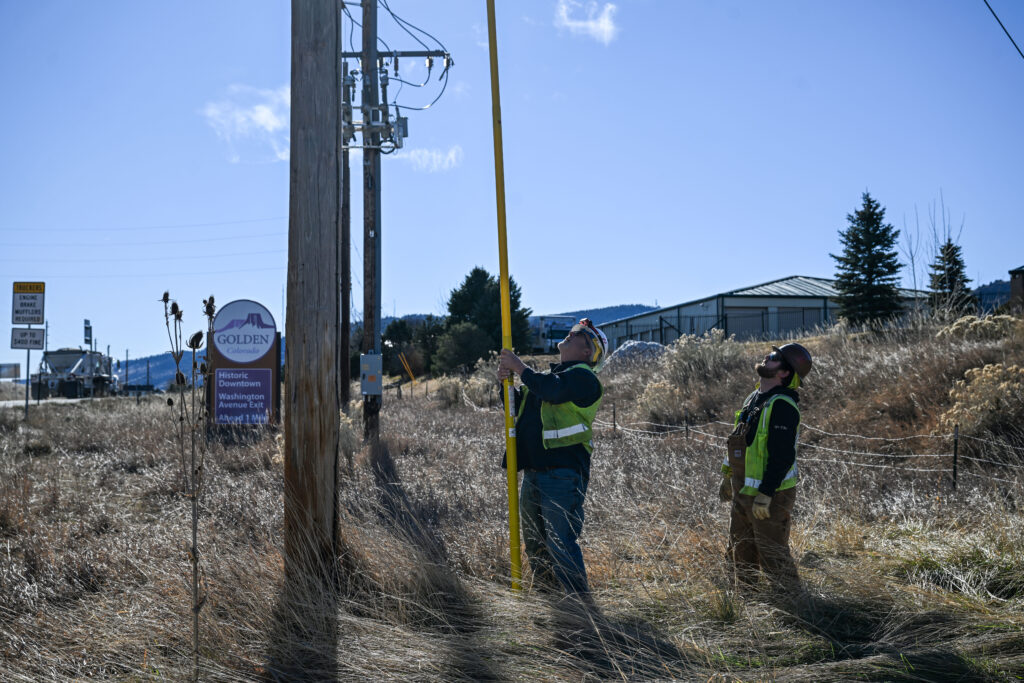
When Colorado became a territory in 1862, its first capital was Golden until Denver took over in 1867. Now, Golden is a small but still important city. With its growing reputation as a haven for the high-tech sector, it’s no...
The Gazette Editorial Board
Reporter

EDITORIAL: Say it, Governor: Colorado is a sanctuary state
The Gazette Editorial Board
thegazette-editorial-board@gazette.com
Updated 7 days ago
Gov. Jared Polis is at it again, claiming just last week that Colorado isn’t a sanctuary for illegal immigration. Most notably, he contends Colorado law enforcement agencies freely work with federal authorities, including on cases involving illegal immigrants — despite...
The Gazette Editorial Board
Reporter
EDITORIAL: Drinking, driving don’t mix; not for politicians, either
The Gazette Editorial Board
thegazette-editorial-board@gazette.com
Updated 1 week ago
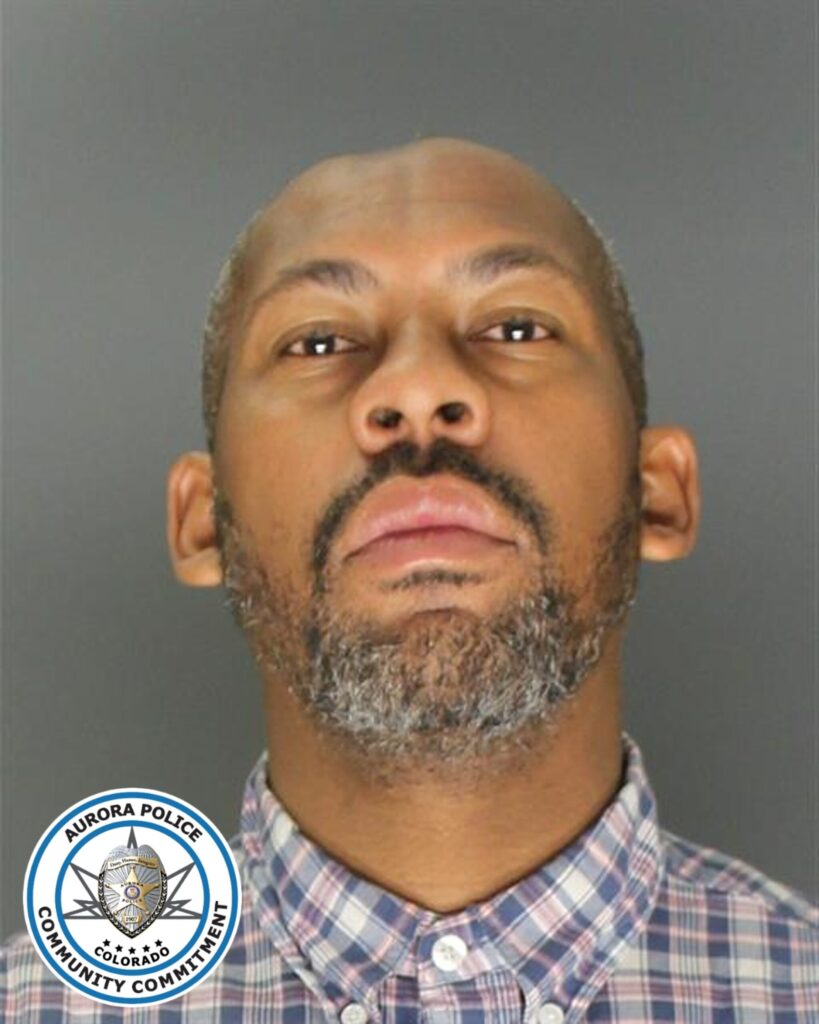
Last year, 234 people lost their lives in crashes involving an impaired driver on Colorado roadways. Among them was Sen. Faith Winter, a prominent state lawmaker from Westminster, who had more than twice the legal limit of alcohol in her...
The Gazette Editorial Board
Reporter

EDITORIAL: Dispelling illusions about homelessness
The Gazette Editorial Board
thegazette-editorial-board@gazette.com
Updated 2 weeks ago
A Common Sense Institute report released last week affirms how soft-on-crime and easy-on-drugs policies make homelessness worse in wealthy, high-government-spending states like Colorado. To control for states with larger populations and thus higher homeless numbers, the report analyzed the number...
The Gazette Editorial Board
Reporter

EDITORIAL: Polis is right to keep the ‘labor peace’
The Gazette Editorial Board
thegazette-editorial-board@gazette.com
Updated 2 weeks ago
The legislative session opened only days ago, yet Colorado’s ruling Democrats have wasted no time reintroducing a destructive labor bill that Gov. Jared Polis vetoed just last year. The legislation would deny protections for workers while claiming to do the...
The Gazette Editorial Board
Reporter

EDITORIAL: Oblivious to a crisis of their own making
The Gazette Editorial Board
thegazette-editorial-board@gazette.com
Updated 2 weeks ago
While Gov. Jared Polis was being warmly applauded by his fellow ruling Democrats amid his eighth and final State of the State speech at the Capitol Thursday, the rest of Colorado was apprised of some cold, hard facts. “Rocky Mountain...
The Gazette Editorial Board
Reporter
EDITORIAL: Celebrate Denver’s record-setting stock show
The Gazette Editorial Board
thegazette-editorial-board@gazette.com
Updated 2 weeks ago
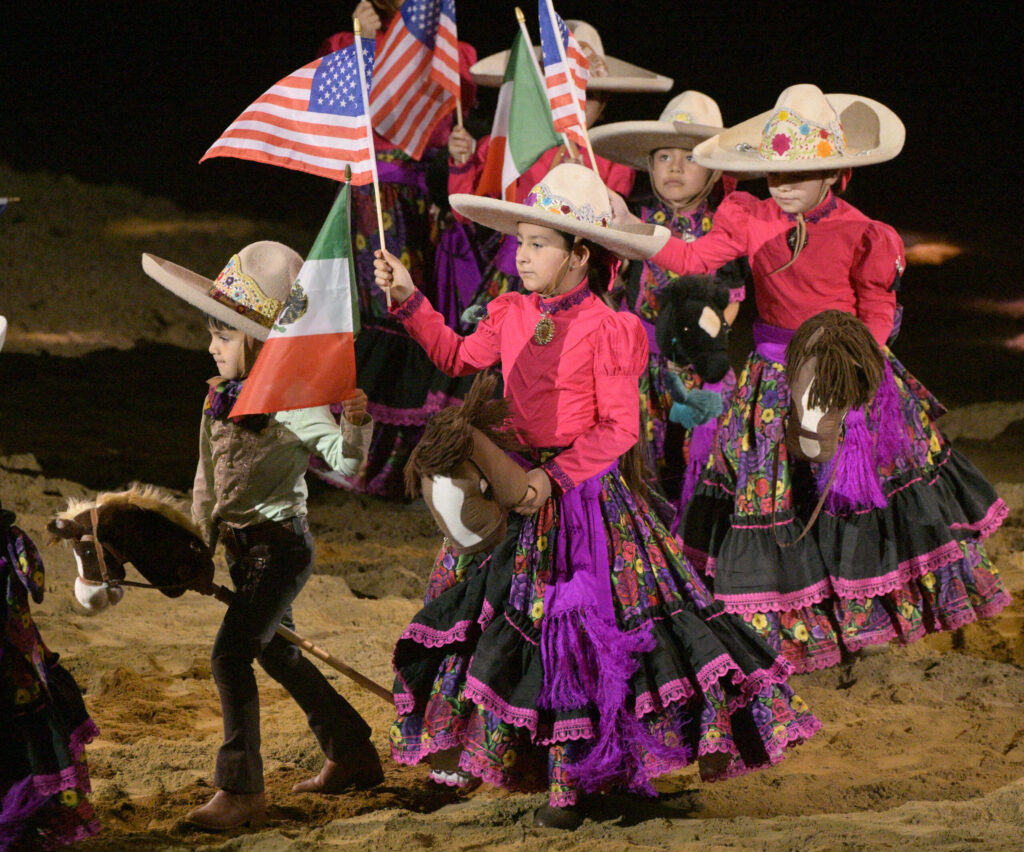
Who says “Cowtown’s” best days are behind her? Sure, artificial intelligence might wind up taking more time this legislative session than agriculture. And, yes, all the way up to Gov. Jared Polis’ tone-deaf “Meat Out Day” and, of course, the...
The Gazette Editorial Board
Reporter
