







EDITORIAL: Leave Colorado’s Labor Peace Act intact

The latest reckless attempt in the legislature to gut Colorado’s long-standing and carefully balanced Labor Peace Act is roundly unpopular. The pending legislation has been drawing flak from Democratic Gov. Jared Polis as well as from the state’s business community.
That’s the good news.
The bad news is it might pass anyway. That’s because, unlike Polis, too many ruling Democrats at the Capitol are beholden to organized labor rather than to the rank-and-file workers the lawmakers claim to represent.
If it was in fact the workers themselves the legislature cared about, House Bill 26-1005 — approved last week by the House Business Affairs and Labor Committee on an 8-5 party-line vote — never even would have been introduced. The same goes for similar versions introduced in previous years, including one last year that Polis vetoed, to his considerable credit.
This year’s version, like its predecessors, essentially would scrap a basic safeguard that long has protected Colorado workers’ wallets.
The current law ensures employees of a unionized workplace have a say over whether unions can deduct often-hefty dues from paychecks. The law requires only a simple majority of a firm’s workers to vote to join a union so it can represent them in bargaining for pay and benefits. But if the union seeks to force all employees in a workplace to pay dues — whether they’re union members or not — the Labor Peace Act requires a second vote, and 75% have to vote in favor of forced deductions. It’s a balance: You can form a union with a simple majority, but you can’t force others to join or pay dues without meeting the higher threshold.
The law still falls short of paycheck protections enacted in 26 other states, where employees cannot be forced to pay dues under any circumstances. But Colorado’s Labor Peace Act at least has provided workers an important buffer against an unwanted deduction, and it’s a practical compromise that, befitting its name, has kept the peace for over 80 years.
Now, legislative Democrats want to kill it. HB 26-1005 would force employees to pay union dues against their will by eliminating the second vote that gives them a say. That would benefit the unions — a major contributor to Democrats’ political campaigns — and no one else.
Of course, the unions have clout and are using it.
As reported last week by our news affiliate Colorado Politics, employers and employees in some of the state’s industries are wary of voicing opposition. Sonia Riggs, president and CEO of the Colorado Restaurant Association, said she had to tell her members not to testify on this year’s bill due to the “significant backlash” they received last year for opposing it.
“Workers and owners in our industry are now afraid to speak out,” she said.
When HB26-1005 was introduced last month, a spokesperson for Polis said the governor was “frustrated and surprised” that sponsors were bringing the bill back despite “last year’s outcome and that nothing has changed.”
Workers as well as employers are no doubt hoping the governor stands his ground. If the bill makes it to his desk, let’s hope he vetoes it as he did last year.
If the bill became law, it not only would be bad for workers and employers but also would undermine Colorado’s economy in general — by warding off new business investment, including in job creation. A study by Colorado’s Common Sense Institute last year found that half of major employers’ CEOs consider a state’s union-organizing laws when deciding on expanding or investing in that state.
This is one boat no one can afford to rock — lest everyone go overboard. Let’s leave the Labor Peace Act intact.

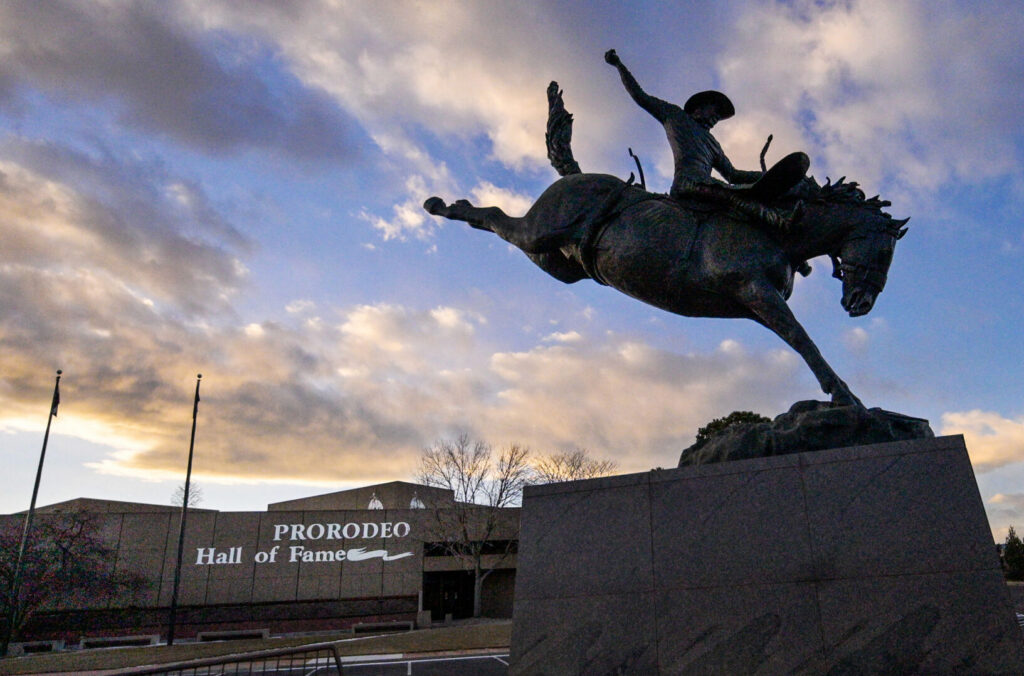
EDITORIAL: Cowboys’ move is Colorado’s loss
The Gazette Editorial Board
thegazette-editorial-board@gazette.com
Updated 2 days ago
After more than 75 years of calling Colorado home, the Professional Rodeo Cowboys Association appears to be packing up its operations and ProRodeo Hall of Fame and moving to Wyoming. The all-but-official move to Cheyenne will mark the end of...
The Gazette Editorial Board
Reporter
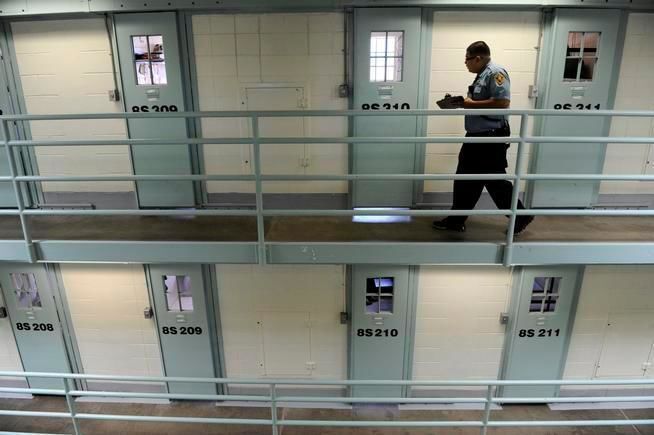
EDITORIAL: Lawmakers look for ways to let convicts loose
The Gazette Editorial Board
thegazette-editorial-board@gazette.com
Updated 3 days ago
If only the Democratic majority at the State Capitol worried as much about the offenders roaming our streets as it does about those who are behind bars. Colorado’s offender-friendly legislature seems oblivious to the former and convinced there are too...
The Gazette Editorial Board
Reporter

EDITORIAL: A scar heals above the Springs
The Gazette Editorial Board
thegazette-editorial-board@gazette.com
Updated 4 days ago
A Gazette report last month summarized the legacy of the Pikeview Quarry on the city’s northwest side with one simple yet accurate word: complicated. For decades, the “Scar Wars” that were fought over the quarry had cast a shadow over...
The Gazette Editorial Board
Reporter
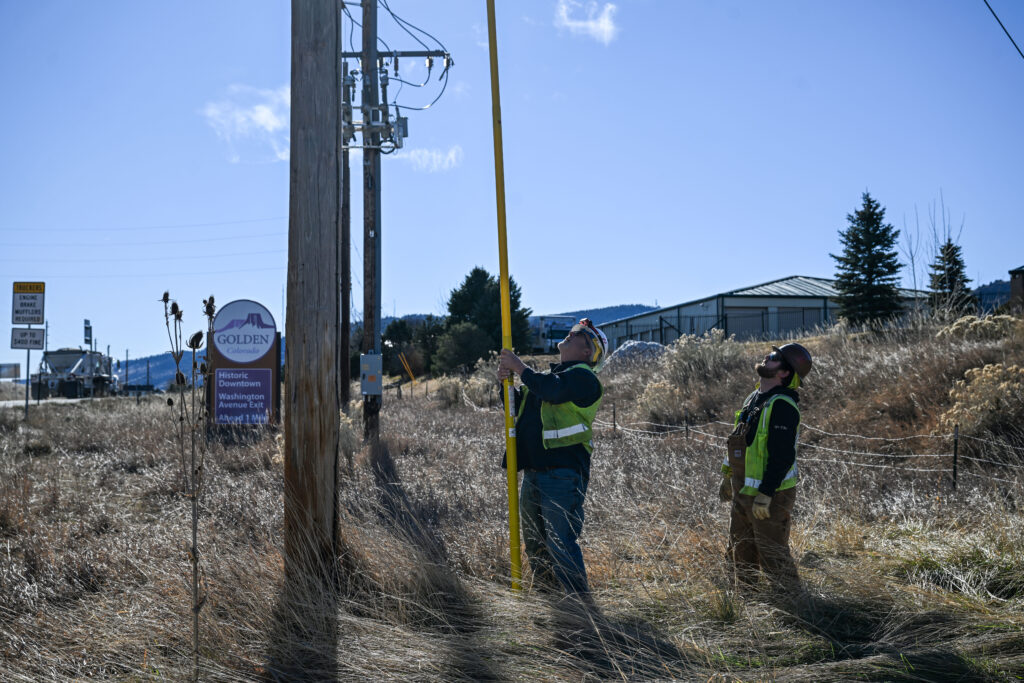
EDITORIAL: Don’t leave Coloradans in the dark
The Gazette Editorial Board
thegazette-editorial-board@gazette.com
Updated 5 days ago
When residents spoke at last week’s meeting of the Colorado Public Utilities Commission, which regulates the state’s utility companies, they gave them an earful about Xcel Energy’s “Public Safety Power Shutoffs” in December. The utility giant — a state-regulated monopoly...
The Gazette Editorial Board
Reporter

EDITORIAL: Defiance of immigration laws will backfire on Colorado
The Gazette Editorial Board
thegazette-editorial-board@gazette.com
Updated 6 days ago
The contempt for law enforcement among ruling Democrats at the State Capitol has escalated — from reckless to delusional. It was in 2020 that the Democratic majority in the legislature, led by its soft-on-crime political fringe, revoked qualified immunity from...
The Gazette Editorial Board
Reporter

EDITORIAL: Applause anew for Polis on school choice
The Gazette Editorial Board
thegazette-editorial-board@gazette.com
Updated 1 week ago
Kudos once again to Gov. Jared Polis for standing up — and sticking out his neck — for a promising federal initiative that incentivizes school choice. Thanks to the governor’s recent decision to OK our state’s participation, Colorado’s kids and...
The Gazette Editorial Board
Reporter

EDITORIAL: Colorado must make way for data centers
The Gazette Editorial Board
thegazette-editorial-board@gazette.com
Updated 1 week ago
Colorado has become a leading state for innovative technology companies to set up shop. The question is: Can — and will — we keep it up? That may depend on whether we’re hospitable to data centers, a critical element of...
The Gazette Editorial Board
Reporter
EDITORIAL: A chance to shed Colorado’s sanctuary status
The Gazette Editorial Board
thegazette-editorial-board@gazette.com
Updated 1 week ago
Shooting deaths in Minneapolis involving Immigration & Customs Enforcement’s operations have stirred strong opinions about what to do with illegal immigration in our state and across the country. Many Coloradans are against ICE’s operations in Minneapolis and elsewhere, including here...
The Gazette Editorial Board
Reporter
EDITORIAL: Legislative Dems must sidestep the sideshows
The Gazette Editorial Board
thegazette-editorial-board@gazette.com
Updated 2 weeks ago
Coloradans who had hoped the 2026 legislature would stick to bread-and-butter issues — for a change — will be sorely disappointed. Only weeks into the new session, the noisy fringe among ruling Democrats at the Capitol already appears determined to...
The Gazette Editorial Board
Reporter

EDITORIAL: Declining enrollment, foundering performance at DPS
The Gazette Editorial Board
thegazette-editorial-board@gazette.com
Updated 2 weeks ago
Fresh data reveals a steeper decline in Colorado’s public-school enrollment, with over 10,000 fewer students this school year. It’s part of a trend that began during the pandemic, when schools lost 30,000 students and never recovered them. The decline is...
The Gazette Editorial Board
Reporter
PREV
PREVIOUS

Record prices, expenses plague agriculture industry
This time of year, the salebarns are full of bidders, buyers, and cream pie connoisseurs. The adrenalin and anxiety in the building and around the ring is as thick as the gravy served in the café. In the back of the barn, the crews are bringing loads of cattle, many of which are 600-ish to […]

Hick, much like Trump, harmed rural Colorado | Dick Wadhams
Colorado’s congressional delegation unanimously opposed President Donald Trump’s recent veto of the Arkansas Valley Conduit water project which had been passed by Congress without opposition. But Trump is not the first chief executive to unilaterally harm communities in rural southeastern Colorado. U.S. Sen. John Hickenlooper was elected governor in 2010 against a discredited Tea Party-driven […]