







Mark Kiszla: How Colorado skier got caught in crossfire of U.S. culture wars over the Olympics
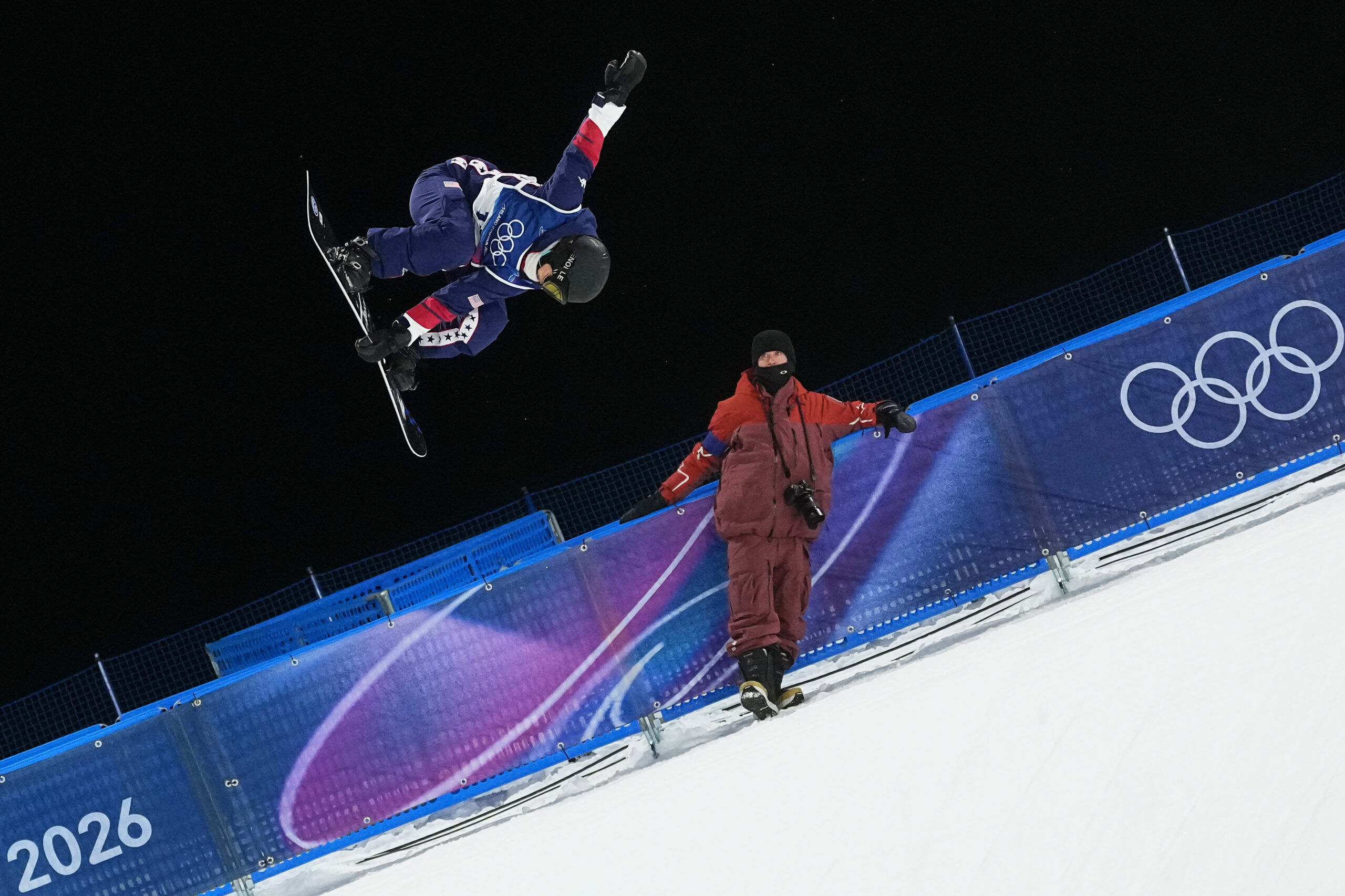
MILAN — If mudslinging ever becomes an Olympic sport, the United States will certainly win gold, silver and bronze.
The vitriol has gone viral in a media-fueled debate about what it means for an athlete to be a true American patriot at the Winter Games.
Pressed for his nonsports opinions, a 23-year-old skier from Winter Park (pop. 1,192) became caught in the crossfire with a video clip that has been viewed more than three million times.
“It’s definitely a tough time in our country right now,” Svea Irving said Friday, only hours before American athletes wore the red, white and blue at the opening ceremony.
“I think I just continue to represent my values, which is compassion and respect and love for others. And also to represent my community at home, and those who have given us the opportunities to be here. It’s a very special experience.”
Her simple 17-second, 54-word message of peace, love and gratitude quickly turned Irving into a pawn deployed by outrage peddlers in the culture wars being fought with all-caps anger on the internet.
It’s worth noting the divisions that plague the country today plagued the U.S. four years ago — and in previous international events. Yet the athletes had not been subjected to the same level of test, as they have been now.
One thing’s certain: The response was cray-cray to what Irving had to say.
And I should know, because I was in the room where it happened.
Shortly after 10 a.m. on the official Day 1 of the Games, Irving and seven teammates from U.S. freestyle skiing entered a large auditorium in Milan’s convention center to meet the press.
They came to talk about sports, not preach. Yet they were asked a question that had nothing to do with sports.
The eight athletes seated on the dais nearly outnumbered the ink-stained wretches in their audience.
I was among the tiny handful of wretches, happy to monopolize the microphone during what often felt more like a casual conversation than a formal press conference.
But I didn’t ask what has become a perfunctory question of U.S. athletes at the Olympics in 2026: What’s it mean to wear the Team USA uniform and the American flag in the hope of unifying the country?
All eight skiers put thought into their answers. None spoke with anger. Hunter Hess, a 27-year-old Oregon native, gave the most deeply emotive response.
“It brings out mixed emotions to represent the U.S. right now … It’s a little hard. There’s obviously a lot going on that I’m not the biggest fan of, and I think a lot of people aren’t,” Hess said.
“I’m representing my friends and family back home, the people that represented (the country) before me, all the things that I believe are good about the U.S. I just think if it aligns with my moral values, I feel like I’m representing it. Just because I’m wearing the flag, doesn’t mean I represent everything that’s going on.”
Once President Donald Trump caught wind of those comments, he took offense and clapped back.
“U.S. Olympic Skier, Hunter Hess, a real Loser, says he doesn’t represent his Country in the current Winter Olympics,” Trump posted Sunday on his Truth Social site. “If that’s the case, he shouldn’t have tried out for the Team, and it’s too bad he’s on it. Very hard to root for someone like this.”
As an eyewitness to 14 Olympics, lucky enough to cover the Games from Russia to Rio and Atlanta to Italy, there’s one thing I believe with all my heart: No sporting event in the world sees more American athletes give their blood, sweat and tears for the pure love of country.
That’s to be applauded. By all of us.
But even a knucklehead like me is smart enough to also realize that once athletes pull on the colors of their home team, whether that team is a pro football franchise or the USA Olympic squad, a large number of paying customers would strongly prefer them to represent the name on the front of the uniform and save their personal political views for another day.
“I’m really proud to represent the United States. The U.S. has given my family and I so much opportunity,” snowboarder Chloe Kim said Monday. She’s a two-time gold medalist and the daughter of legal immigrants from South Korea.
“But I also think that I — we — are allowed to voice our opinions about what’s going on. And I think that we need to lead with love and compassion. And I would love to see more of that.”
Speaking your mind is as American as apple pie, and I admire any athlete who cares deeply about more important things in this world than sports.
But this much I also know is true: The closer it is to game time, the less a sporting audience is likely to be open to hearing any idea more serious than grabbing a beer.
From the ski hill to the swimming pool, there’s a great Olympic tradition of clanging cowbells.
The Winter Games need to take a chill pill.
Less politics — and interrogations that weren’t present at the 2022 Beijing Games, with political division and a different party in office.
More cowbell.

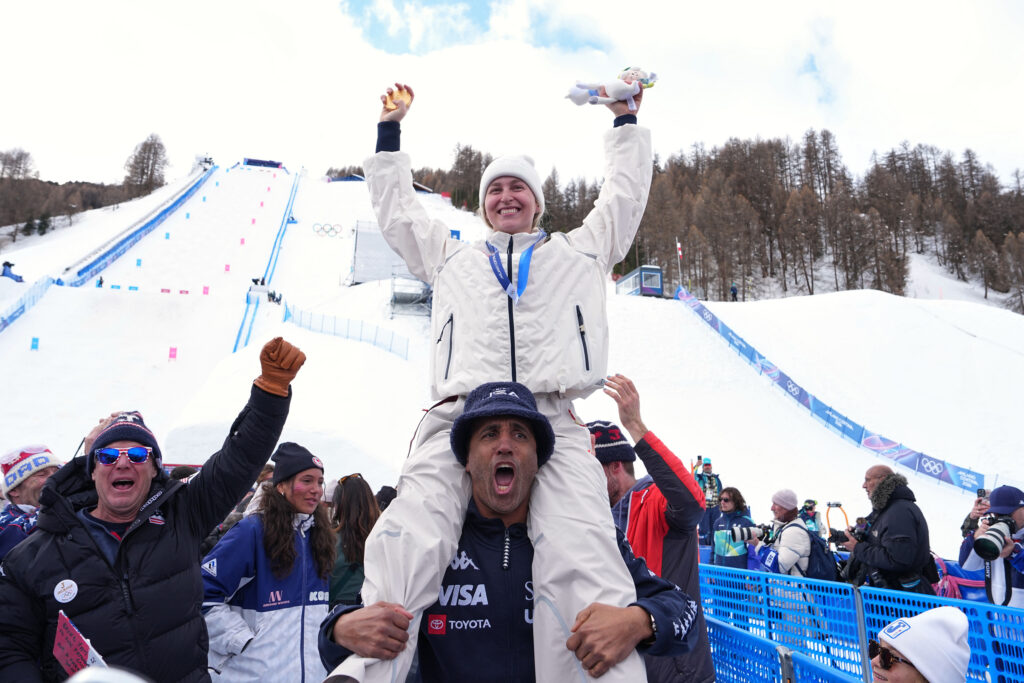
Mark Kiszla: Elizabeth Lemley appears from thin Colorado air to be Olympic hero nobody saw coming
Mark Kiszla mark.kiszla@denvergazette.com
mark.kiszla@denvergazette.com
Updated 4 hours ago
MILAN — Whether in an airplane or on skis, Elizabeth Lemley digs flying upside down. What’s the crazy appeal to her? A big shot of adrenaline, Lemley will tell you, before adding: “I love the risk.” Every Olympics needs a...
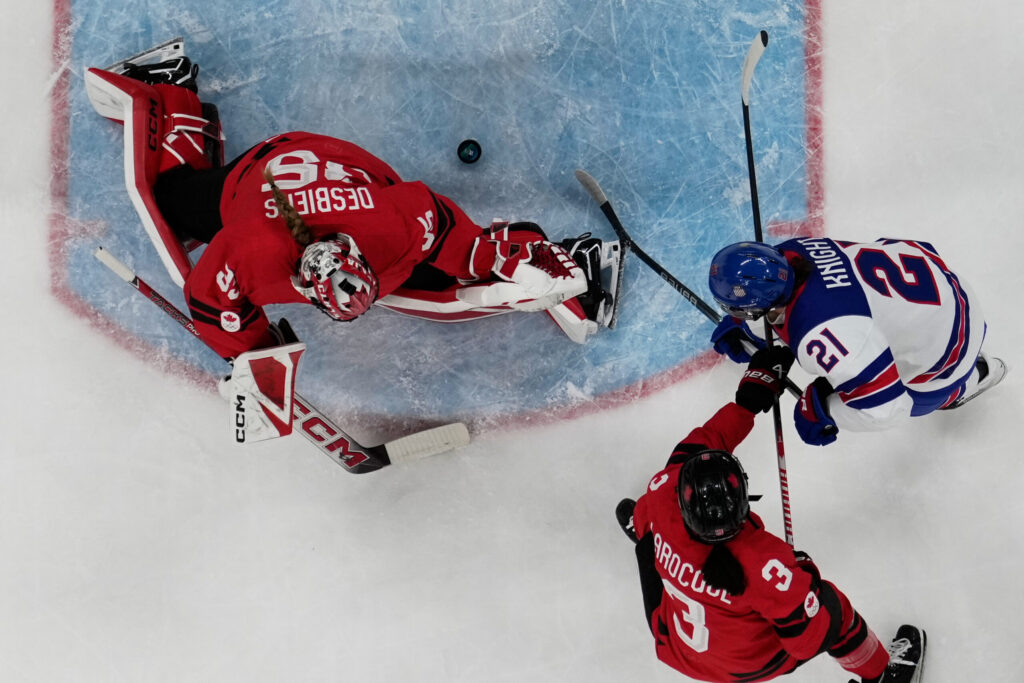
Mark Kiszla: Free Bird! U.S. women flying high after 5-0 win over bitter hockey rival
Mark Kiszla mark.kiszla@denvergazette.com
mark.kiszla@denvergazette.com
Updated 1 day ago
MILAN – Holy schnikes! Team USA knocked the ever-loving poutine out of Canada, eh? I went to the hockey version of a border war on Tuesday night, and a Lynyrd Skynyrd concert broke out. Free Bird! That’s the classic rock...
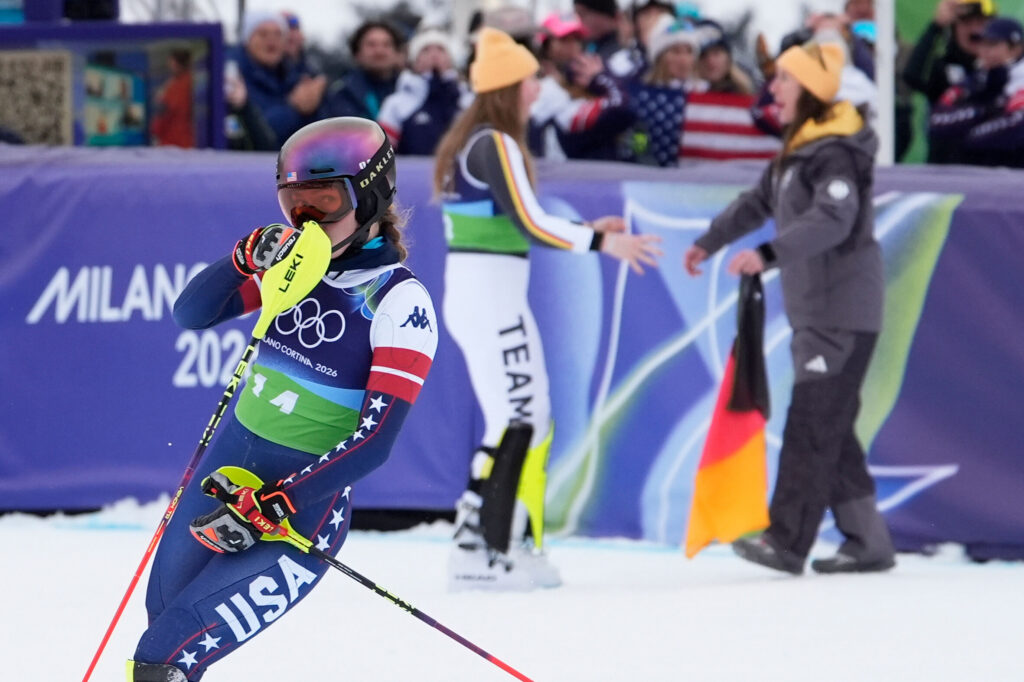
Mark Kiszla: Mikaela Shiffrin again wearing thorny GOAT horns of doubt at Olympics
Mark Kiszla mark.kiszla@denvergazette.com
mark.kiszla@denvergazette.com
Updated 21 hours ago
MILAN — She’s the GOAT who chokes on Olympic slopes. Mikaela Shiffrin was painfully reminded it’s nearly impossible to ski with a nervous heart in your throat and the five Olympic rings shackled tightly around your boots. In a new...
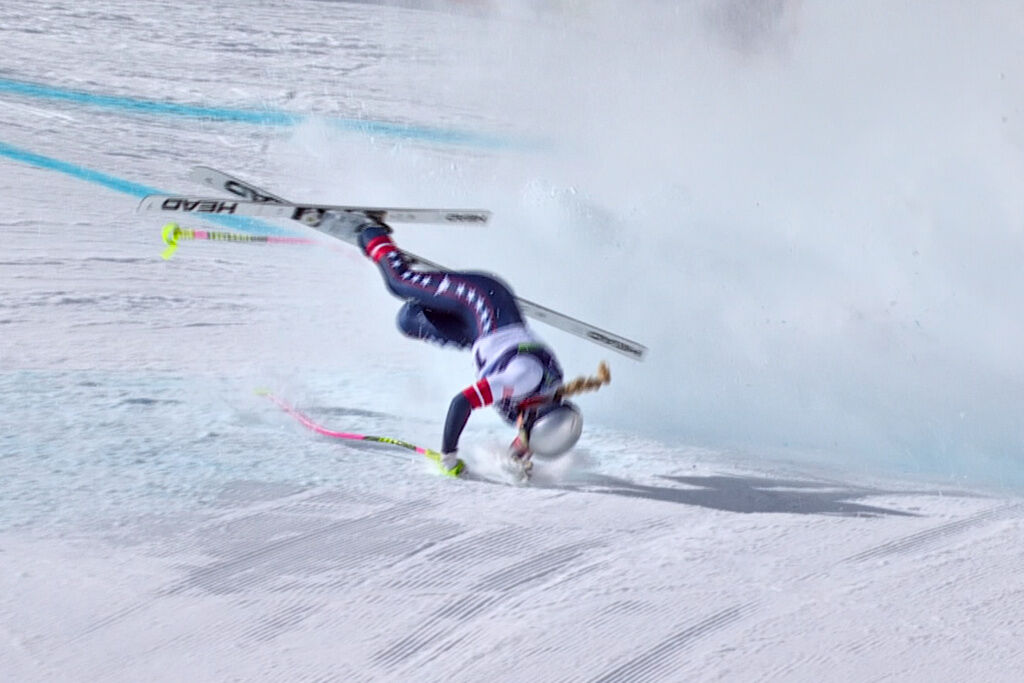
Mark Kiszla: The mountain doesn’t care. It laughed at skier Lindsey Vonn’s plans for a fairy-tale ending in Italy.
Mark Kiszla mark.kiszla@denvergazette.com
mark.kiszla@denvergazette.com
Updated 2 days ago
CORTINA D’AMPEZZO, Italy – Every ski racer has a plan until the mountain wrecks ’em at 60 mph. American downhiller Breezy Johnson was sizzling Sunday, screaming down the mountain to win a gold medal. But what will leave the impossible-to-erase...

Kickin’ It with Kiz: Would Broncos be in Super Bowl today if John Elway got QB he liked in 2018 NFL draft?
Mark Kiszla mark.kiszla@denvergazette.com
mark.kiszla@denvergazette.com
Updated 4 days ago
I hate the Seahawks. I abhor the Patriots. I’ve never heard of Bad Bunny and already can’t stand his “music.” Can’t stand NBC analyst Cris Collinsworth. But I probably watch the Super Bowl anyway. – J-Dawg, Boulder Kiz: Two years...
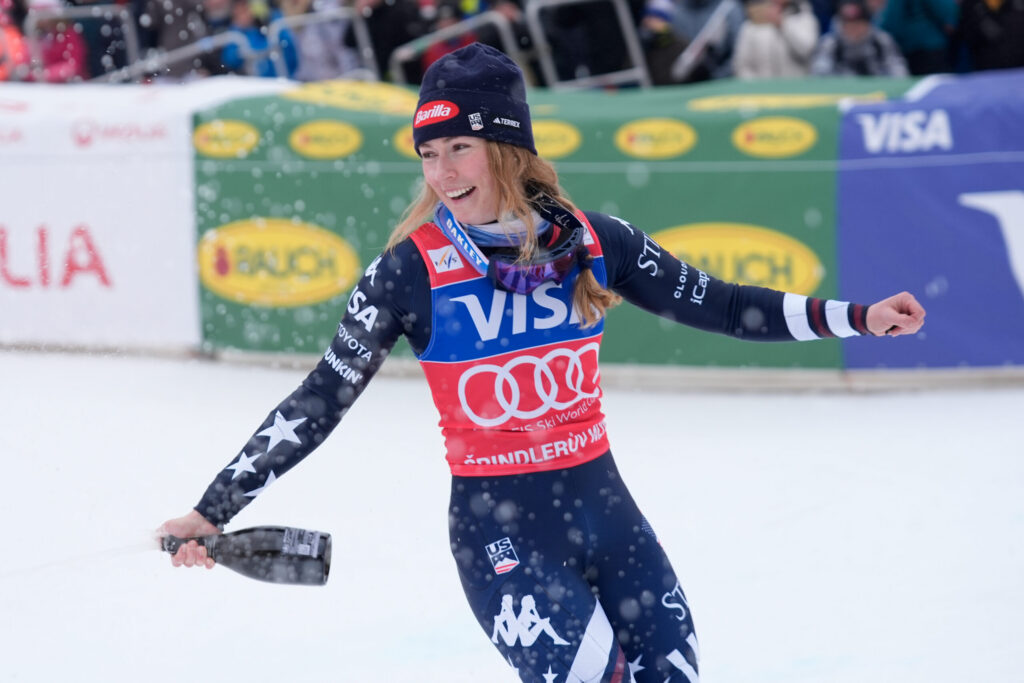
Mark Kiszla: Why Mikaela Shiffrin won’t be a klutz in the clutch at the Olympics this time
Mark Kiszla mark.kiszla@denvergazette.com
mark.kiszla@denvergazette.com
Updated 4 days ago
CORTINA D’AMPEZZO, Italy – Mikaela Shiffrin showed up at the Olympics, rocking and ready for her close-up in front of the whole wide world, then promptly got rudely photobombed by a total klutz. Damn, girl. Can you say em-bar-rass-ing? The...
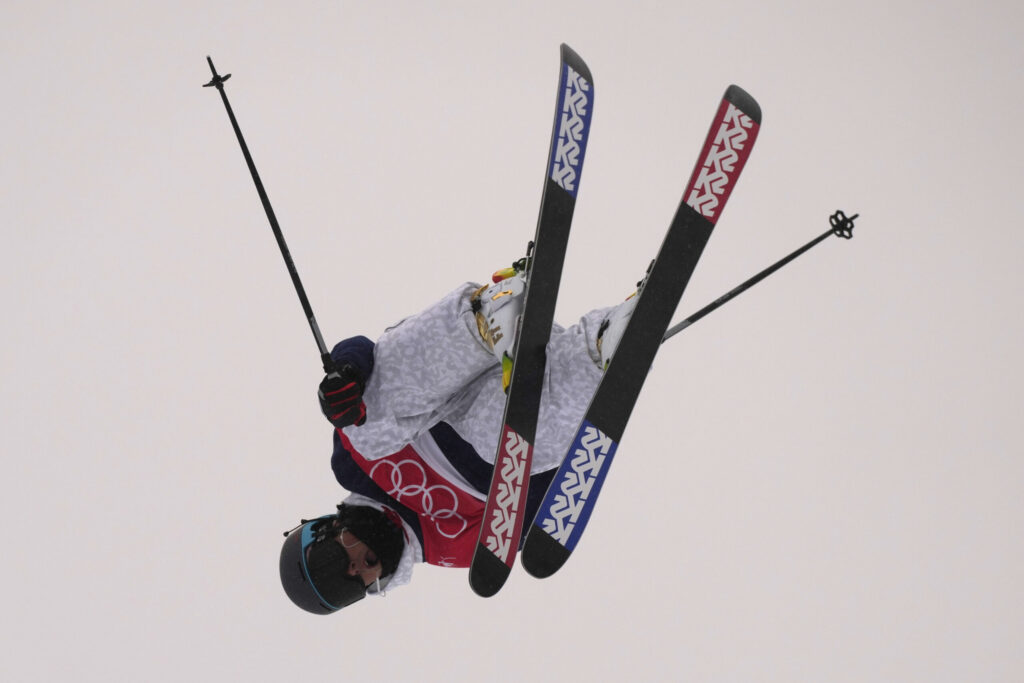
Mark Kiszla: Olympic siblings Birk and Svea Irving get love letters from an American literary giant
Mark Kiszla mark.kiszla@denvergazette.com
mark.kiszla@denvergazette.com
Updated 5 days ago
MILAN – Before freestyle skier Birk Irving leaps into the ravenous jaws of the beast, he routinely smiles like a hero in a paperback novel. Oh, what a tale his thoughts could tell. Irving competes in the cold and unforgiving...
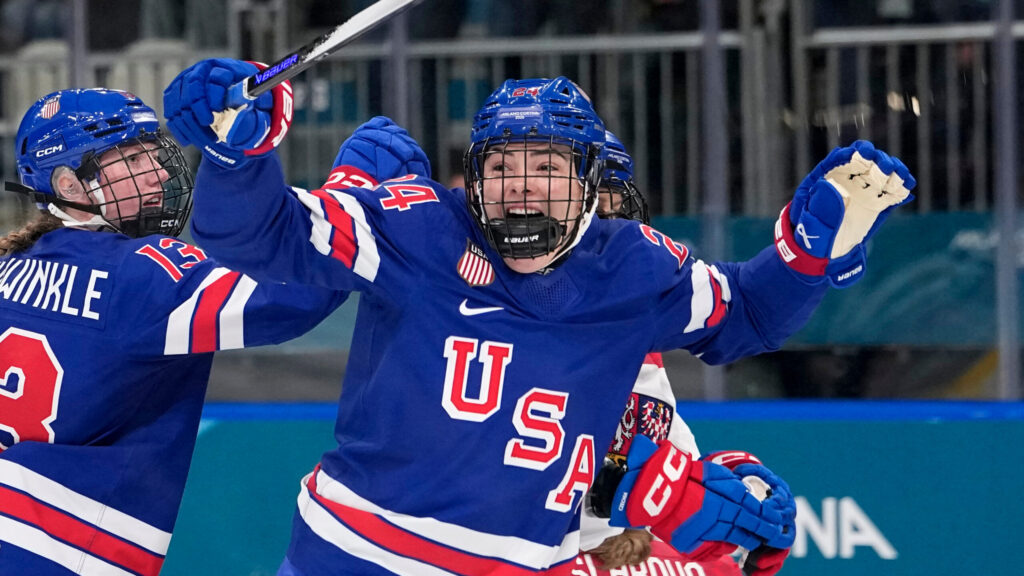
Mark Kiszla: How little hug between U.S. hockey hero and toddler gave Olympics its first big goosebumps moment
Mark Kiszla mark.kiszla@denvergazette.com
mark.kiszla@denvergazette.com
Updated 5 days ago
MILAN — The big, beautiful, goosebump-inducing noise of the Olympics can be as quiet as the rhythmic breathing of a toddler napping on a hockey hero’s shoulder. Unable to wait until the Opening Ceremony, the Winter Games got a 24-hour...
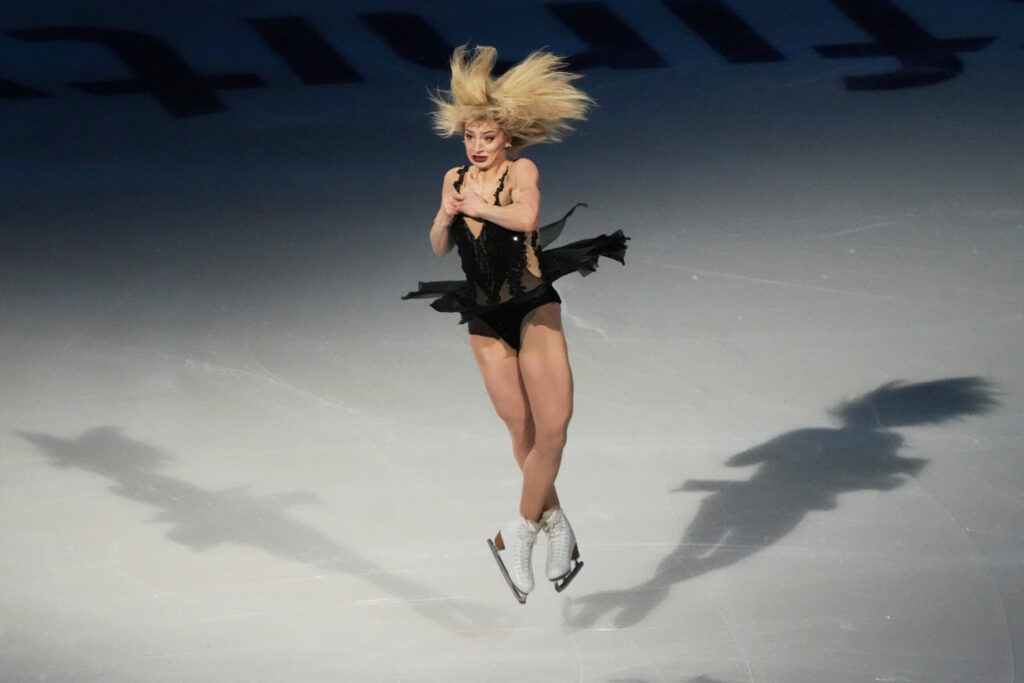
Mark Kiszla: In a nation divided, can Olympics give love for the U-S-A a chance?
Mark Kiszla mark.kiszla@denvergazette.com
mark.kiszla@denvergazette.com
Updated 1 week ago
MILAN, Italy — Is it hopelessly naive to think five Olympic rings can bind 345 million American hearts in our bickering nation? When we stand to shout U-S-A! during the Winter Games, can it unite us in red, white and...
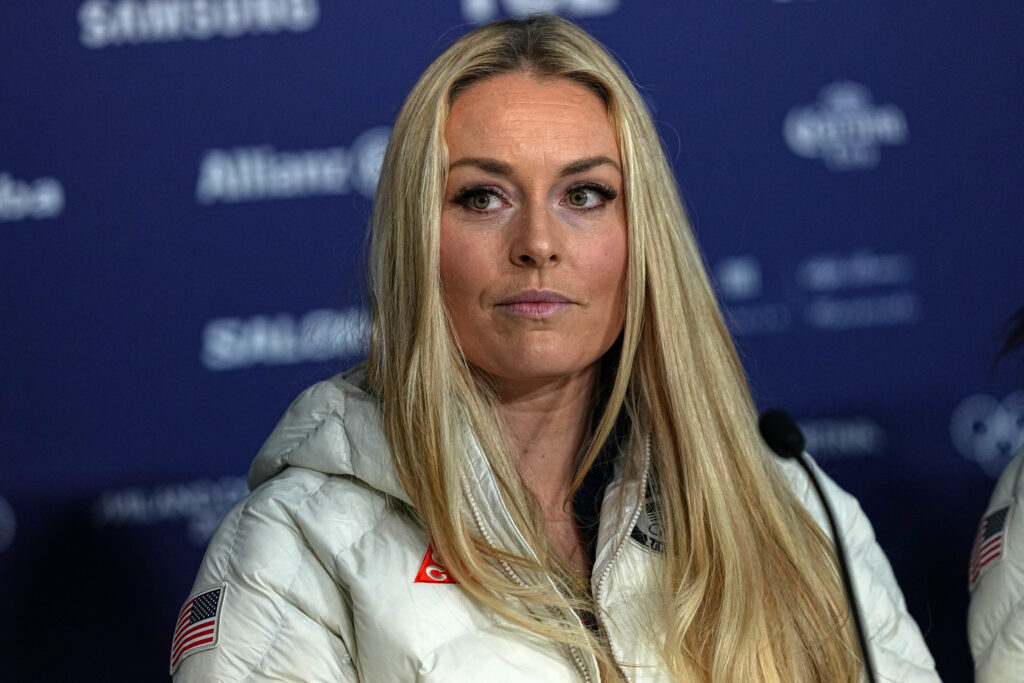
Mark Kiszla: Lindsey Vonn’s idea of fun? Skiing 80 mph at Olympics on a shredded knee
Mark Kiszla mark.kiszla@denvergazette.com
mark.kiszla@denvergazette.com
Updated 1 week ago
MILAN, Italy — With a ghost in her ear and no fear in her heart, Lindsey Vonn is hellbent on fulfilling a dream that would sound like an absolute nightmare to most any other 41-year-old woman on the planet. Skiing...
PREV
PREVIOUS
Avalanche at the Olympics: Will Landeskog play in Sweden's first game?
The men’s hockey portion of the Winter Olympics gets underway in Milan on Wednesday with a few games that could intrigue Avalanche fans, who can choose among eight of their players at these Games: Slovakia vs. Finland: 8:40 a.m. (USA Network) Avalanche winger Artturi Lehkonen is expected to play an important role on Team Finland. […]
Spring ball primer: Air Force brings back slew of young players on defense, will search for new playmakers on offense
Air Force begins spring football practice Tuesday, and what a productive session this ought to be. The Falcons started a slew of young players on defense and every one of them is back. (Yes, all of them, as All-Mountain West honorable mention safety Roger Jones Jr. pulled his name out of the transfer portal.) With […]