







Trump repeals Obama-era climate rule
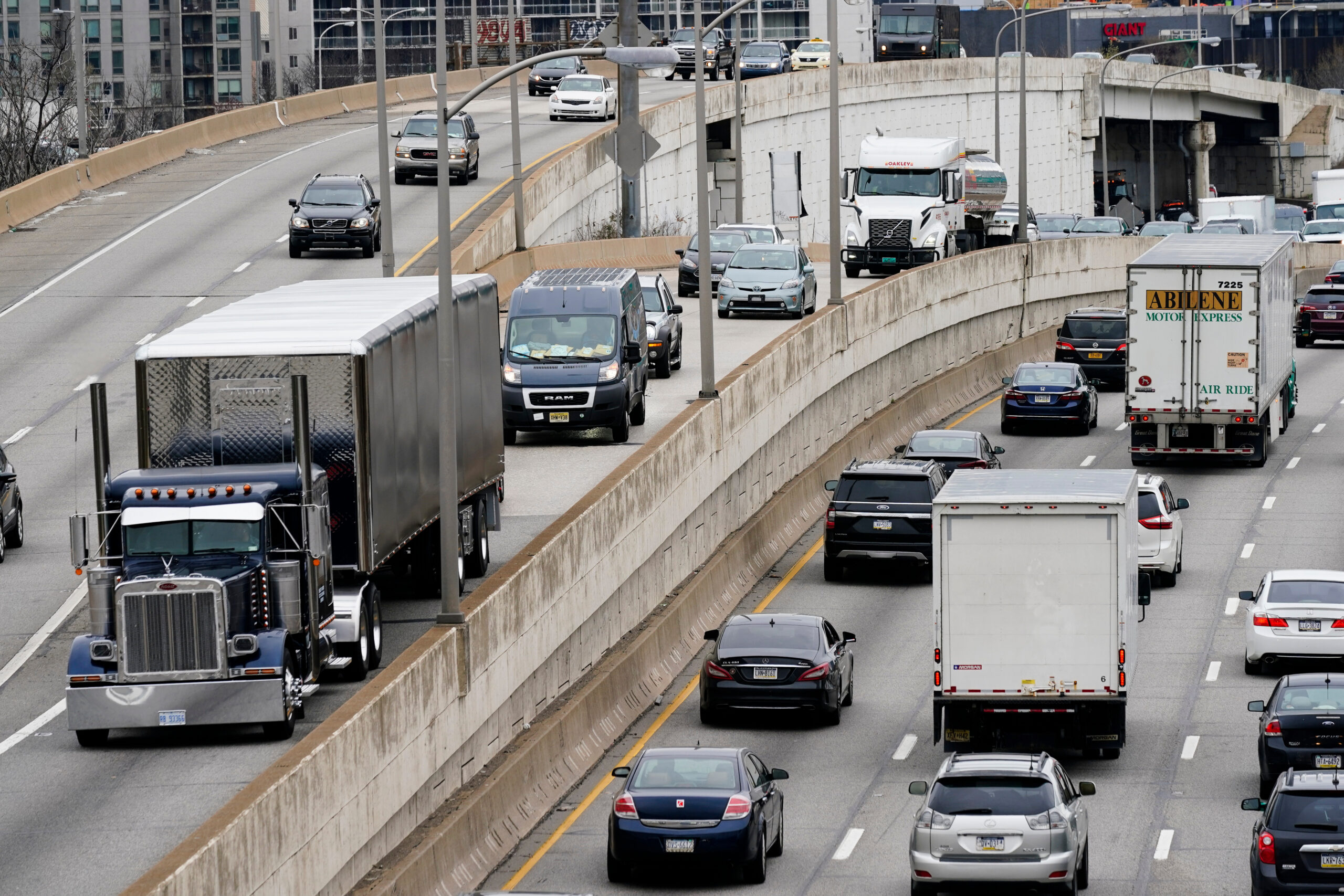
WASHINGTON • The Trump administration on Thursday announced the repeal of an Obama-era finding that greenhouse gas emissions endanger human health and eliminated federal tailpipe emissions standards for cars and trucks.
It is the most sweeping climate related policy rollback by the administration to date.
“Under the process just completed by the EPA, we are officially terminating the so-called endangerment finding, a disastrous Obama-era policy that severely damaged the American auto industry and drove up prices for American consumers,” President Donald Trump said, calling it the biggest deregulatory action in U.S. history.
Trump announced the repeal beside EPA Administrator Lee Zeldin and White House Budget director Russ Vought, who has long sought to revoke the finding.
In a memo, the White House said the 2009 finding was used to “justify trillions of dollars in regulations” that included the push for electric vehicle mandates. Its repeal would give Americans regulatory relief and deliver more than $1.3 trillion in savings.
In Colorado, Democrats criticized the move. Gov. Jared Polis argued the “science is clear that pollution from cars and trucks harms our air quality and puts families – especially kids, seniors, and those with health conditions – at greater risk.” Attorney General Phil Weiser, who is running for governor, called it “misguided.”
On X, former President Barack Obama blasted the repeal, saying without the endangerment finding, “we’ll be less safe, less healthy and less able to fight climate change — all so the fossil fuel industry can make even more money.”
Meanwhile, U.S. Department of Energy Chris Wright, who is from Colorado, said the repeal means America is “returning to free and open dialogue around climate and energy policy – driving the focus back to following the data.”
Zeldin said the Trump administration took on the most consequential climate policy of the last 15 years.
“Referred to by some as the holy grail of federal regulatory overreach, the 2009 Obama EPA endangerment finding is now eliminated,” he said.
The endangerment finding was first adopted by the United States in 2009, and led the EPA to take action under the Clean Air Act of 1963 to curb emissions of carbon dioxide, methane, and four other heat-trapping air pollutants from vehicles, power plants and other industries.
It came about after the Supreme Court ruled in 2007 in Massachusetts vs. EPA that the agency has authority to regulate carbon dioxide and other greenhouse gas emissions under the Clean Air Act.
Its repeal would remove the regulatory requirements to measure, report, certify, and comply with federal greenhouse gas emission standards for cars, but may not initially apply to stationary sources, such as power plants.
The transportation and power sectors are each responsible for around a quarter of U.S. greenhouse gas output, according to EPA figures.
The EPA said the repeal and end of vehicle emission standards will save U.S. taxpayers $1.3 trillion, while the Biden administration said the rules would have net benefits to consumers through lower fuel costs and other savings.
The Alliance for Automotive Innovation, representing major automakers, did not endorse the action but said “automotive emissions regulations finalized in the previous administration are extremely challenging for automakers to achieve given the current marketplace demand for EVs.”
Under former President Joe Biden, the EPA aimed to cut passenger vehicle fleetwide tailpipe emissions by nearly 50% by 2032 compared with 2027 projected levels and forecast between 35% and 56% of new vehicles sold between 2030 and 2032 would need to be electric.
The agency then estimated that the rules would result in net benefits of $99 billion annually through 2055, including $46 billion in reduced fuel costs, and $16 billion in reduced maintenance and repair costs for drivers.
Zeldin said the repeal would save Americans $2,400 on a new vehicle.
While many industry groups back the repeal of stringent vehicle emission standards, others have been reluctant to show public support for rescinding the endangerment finding because of the legal and regulatory uncertainty it could unleash.
Legal experts said the policy reversal could, for example, lead to a surge in lawsuits known as “public nuisance” actions, which had been blocked following a 2011 Supreme Court ruling that GHG regulation should be left to the Environmental Protection Agency instead of the courts.
In Colorado, environmental groups urged policymakers to “stand up to the Trump administration.”
“We needn’t look beyond our state’s own borders to see that the climate crisis is here and it’s dangerous. We experienced historic wildfires, continued power shutoffs during wind events, severe drought and warm temperatures,” Margaret Kran-Annexstein, the director of the Colorado Sierra Club, said in a news release. “Despite the Trump administration’s clear disdain for human life, there is no amount of climate denial that can stop people from building the more just and sustainable future they want.”
Others, including the Natural Resources Defense Council and Earthjustice, have said they will challenge the reversal in court, setting off what could be a years-long legal battle up to the Supreme Court.
In its memo, the White House insisted that a policy decision of such magnitude as the 2009 finding, given its “sweeping economic and policy consequences,” lies with Congress alone.
The White House also argued that many predictions and assumptions justifying the rule did not materialize and that, using the same modeling by the previous administrations and their allies, “there would be no material impact on global climate indicators through 2100” even if the U.S. eliminated all of its greenhouse gas emissions from vehicles.
The coal industry celebrated the announcement, saying it would help stave off retirements of aging coal-fired power plants.
“Utilities have announced plans to retire more than 55,000 megawatts of coal-fired generation over the next five years. Reversing these retirement decisions could help offset the need to build new, more expensive electricity sources and prevent the loss of reliability attributes, such as fuel security, that the coal fleet provides,” said America’s Power President and CEO Michelle Bloodworth.
The Trump administration’s energy agency earlier ordered one of three generating units at a Colorado power plant to remain available for operation amid an impending shutdown of the station and its supplying coal mines.
Gazette reporter Scott Weiser contributed to this article.

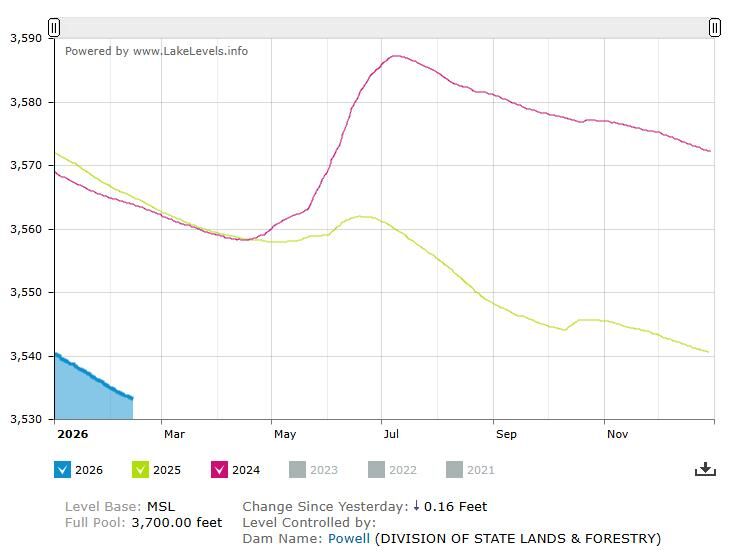
With the deadline missed, Bureau of Reclamation plans to move forward on Colorado River operations
Marianne Goodland
marianne-goodland@denvergazette.com
Updated 6 hours ago
Feb. 14 was no Valentine for the seven states of the Colorado River, which failed to come up with an agreement by that deadline on how to manage the river beginning Oct. 1. The Department of the Interior and the...

Marianne Goodland
Reporter
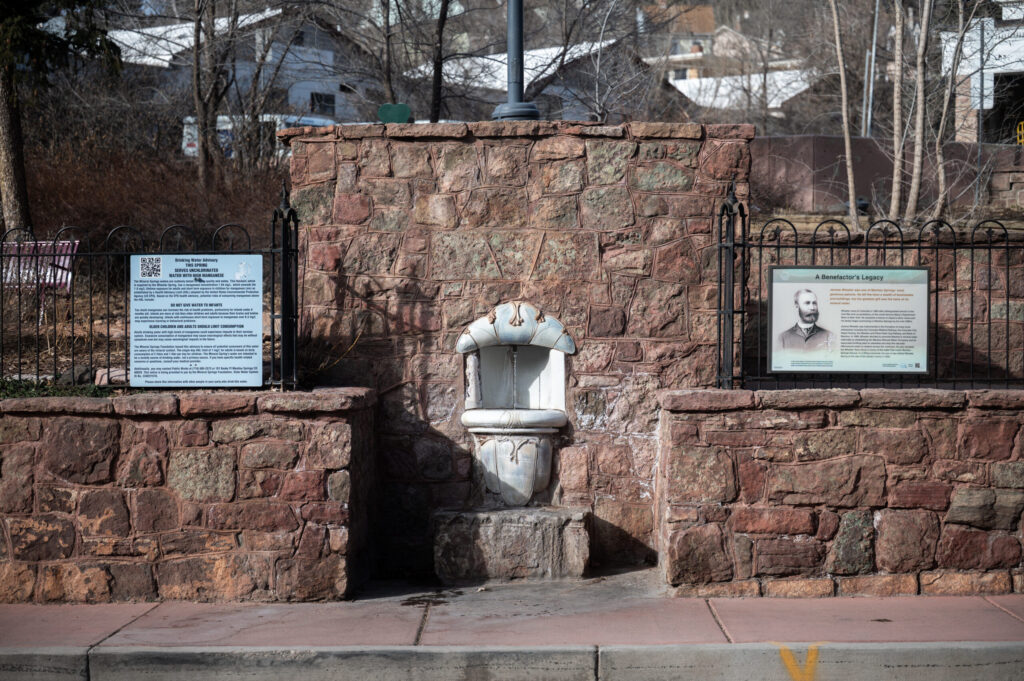
Supermarket chain H Mart hopes to revive mineral water bottling in Manitou Springs
Savannah Eller
savannah-eller@denvergazette.com
Updated 1 day ago
A major U.S. grocer has acquired the vestiges of a historic industry in Manitou Springs with the hope of bringing it back to life. H Mart, an Asian supermarket chain based in New Jersey with nearly a hundred locations across...

Savannah Eller
Reporter

Ken Salazar donates archives to Borderlands project, hoping history helps unify country
Vince Bzdek
vince-bzdek@denvergazette.com
Updated 6 hours ago
About the same time the Pilgrims were setting up shop 400 years ago in Plymouth, Ken Salazar’s family was scratching out a toehold in what is now New Mexico, helping to establish the city of Santa Fe. The Salazars had...

Vince Bzdek
Reporter

No deal: Basin states remain deadlocked as Colorado River negotiations collapse again
Marianne Goodland
marianne-goodland@denvergazette.com
Updated 21 hours ago
With a Feb. 14 deadline looming, the seven states in the Colorado River Basin have not reached an agreement on how to manage the river after the 2026 operating guidelines expire later this year, and John Entsminger, Nevada’s chief negotiator,...
Marianne Goodland
Reporter
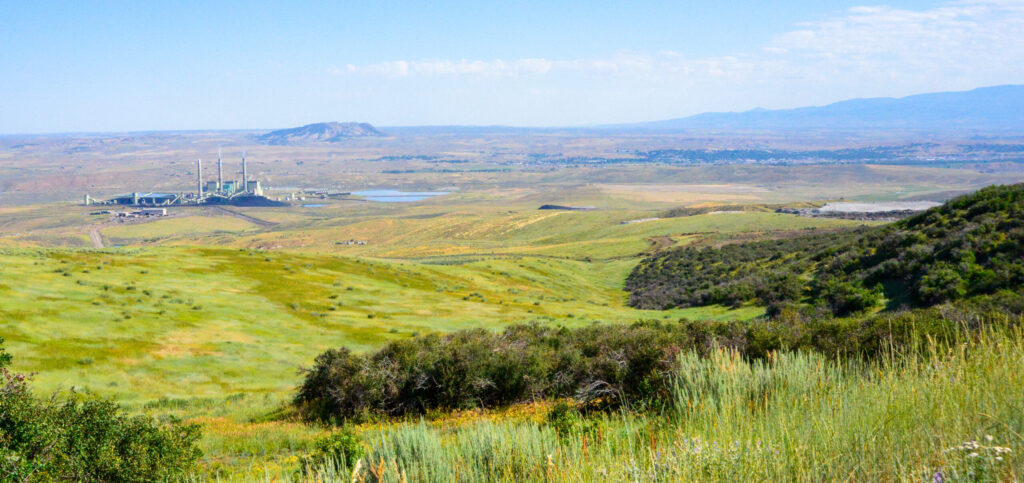
CU Boulder, state launch economic research in coal-transition areas
Scott Weiser
scott-weiser@denvergazette.com
Updated 2 days ago
Communities in northwest Colorado built on coal mining and power plants are losing hundreds of high-paying jobs and a major share of their tax revenue as operations wind down. In a yearlong effort, the University of Colorado Boulder is teaming...

Scott Weiser
Reporter
Trump admin. to revoke climate change regulations
The Associated Press
the-associated-press@denvergazette.com
Updated 4 days ago
WASHINGTON — The Trump administration on Thursday will revoke a scientific finding that long has been the central basis for U.S. action to regulate greenhouse gas emissions and fight climate change, the White House announced. The Environmental Protection Agency will issue a final...

The Associated Press
Reporter

Colorado landscape plants, trees, need winter watering during warm, dry weather
Scott Weiser
scott-weiser@denvergazette.com
Updated 21 hours ago
Dry, sunny, warm and windy winter conditions have left many Colorado landscape plants short of moisture, and Colorado State University Extension specialists recommend supplemental watering to prevent root damage and promote healthier spring growth. Evergreens, newly planted trees and shrubs,...
Scott Weiser
Reporter
Record-low snowpack persists in Colorado, but two waves of snow should hit in upcoming days
Spencer McKee
spencer@outtherecolorado.com
Updated 1 week ago
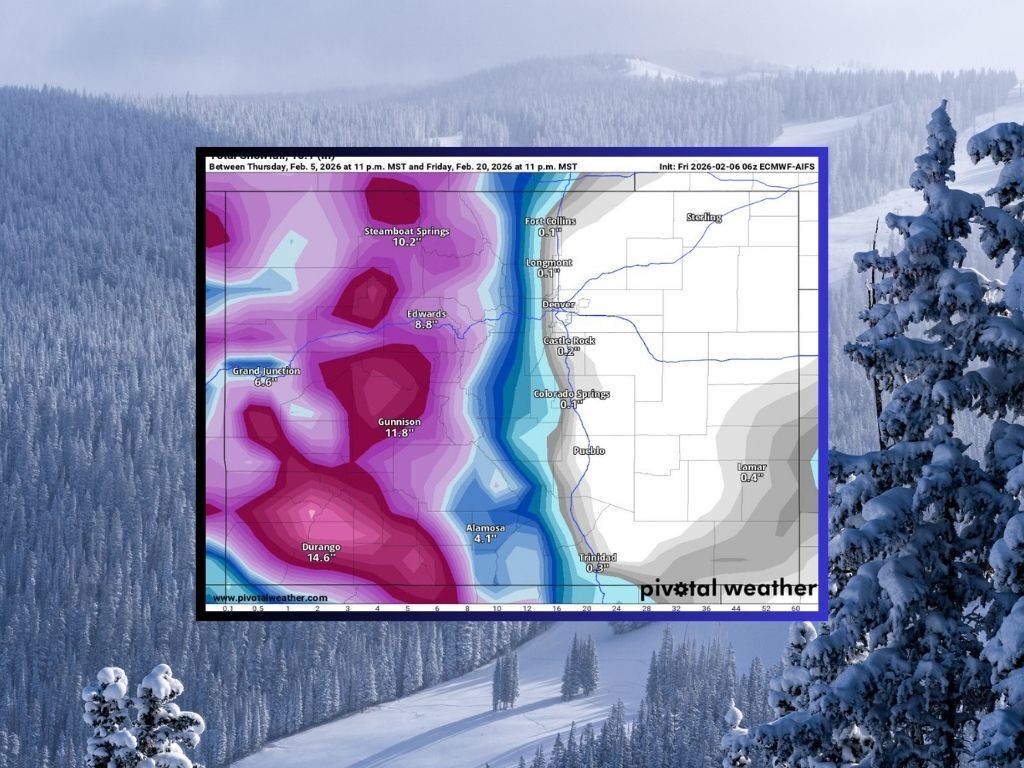
Colorado’s snowpack is the lowest it has ever been on Feb. 6 since tracking started in 1987, setting a new record-low for the 25th day in a row. That said, skiers and snowboarders can look forward to two winter storms...

Spencer McKee
Reporter
PUC approves scaled-back Xcel renewable push amid ratepayer cost worries
Scott Weiser
scott-weiser@denvergazette.com
Updated 1 week ago
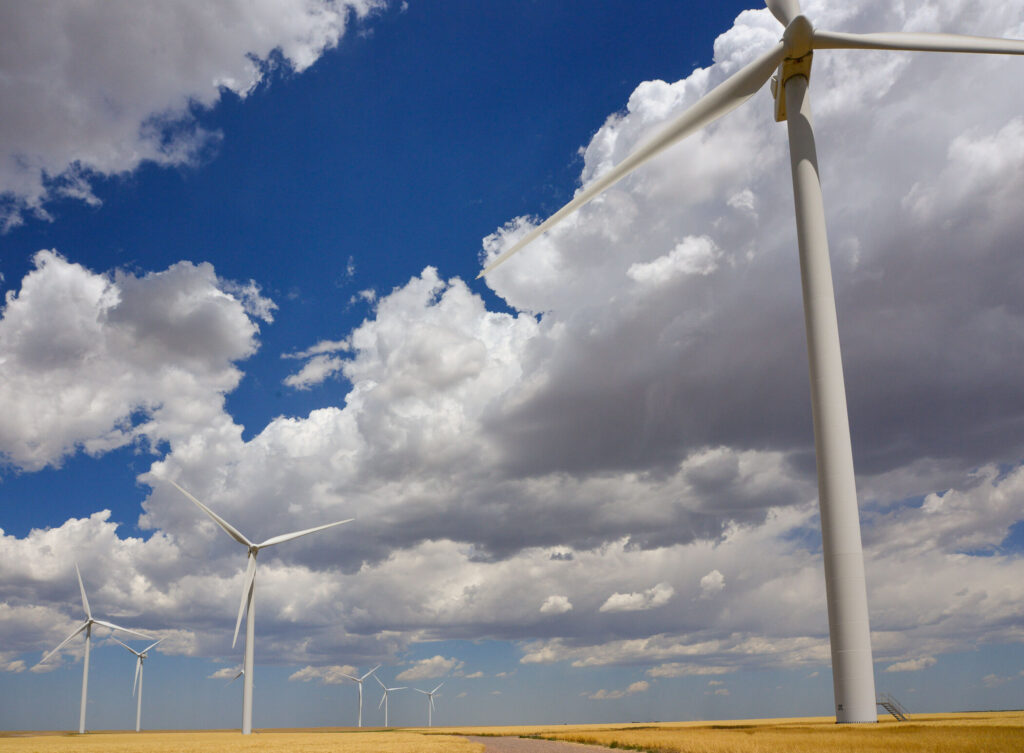
The Colorado agency that regulates public utilities approved wind, solar and battery storage projects for the state’s largest energy provider under an expedited near-term procurement process at a recent meeting. The decision by the Public Utilities Commission allows Xcel Energy...
Scott Weiser
Reporter

Vision Zero: As Denver doubles down, fatalities keep climbing
Mark Samuelson
mark-samuelson@denvergazette.com
Updated 2 weeks ago
A decade ago, Denver became one of many U.S. cities to adopt a bold, new model of traffic safety — one that envisioned an end to the hundreds of serious injuries and dozens of fatalities that plague the streets each...

Mark Samuelson
Reporter
PREV
PREVIOUS

Colorado marina shutting down summer boat ramp, slips due to record-low snowpack
Frisco Bay Marina faces a challenging summer as drought and record-low snowpack halt boat ramp use, affecting operations and staffing. FRISCO, Colo. — Operations will be very different this summer at the Frisco Bay Marina. Marina staff presented to Frisco City Council on Tuesday about what operations are anticipated to look like during the 2026 summer season. […]

Denver area events for Feb. 13
If you have an event taking place in the Denver area, email information to carlotta.olson@gazette.com at least two weeks in advance. All events are listed in the calendar on space availability. Friday Bugs and Brews: Romance is Wild — With encounters, craft beverages, fun activities and more, 6-8 p.m., Butterfly Pavilion, 6252 W. 104th Ave., Westminster, $40-$45. For ages 21 […]