

EDITORIAL: Denver’s ‘Vision Zero’ jumps the curb
Whatever the intended “vision” of Denver’s vaunted “Vision Zero” agenda for reducing traffic-related deaths and injuries, the policy hasn’t worked. It may even be contributing to the problem.
That’s the most telling takeaway from an eye-opening, in-depth news report last week in The Denver Gazette.
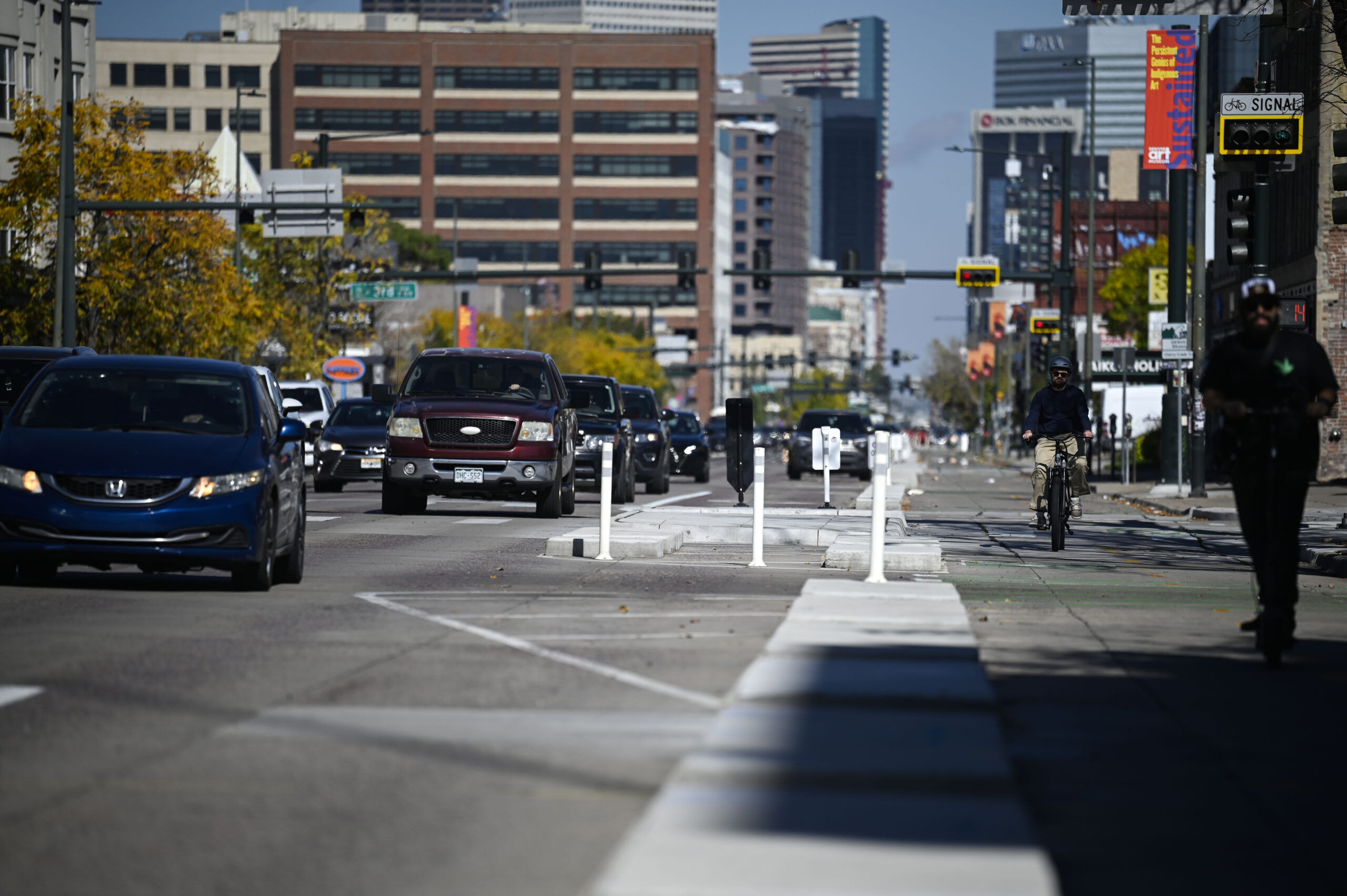
As The Gazette’s report noted, Denver streets and intersections have taken on a lot of the trappings of the Vision Zero architecture — lots and lots of distracting plastic bollards; speed humps; bright green hashmarks, and other infrastructure that aim to end fatalities and severe injuries among pedestrians, cyclists and motorists alike.
The city also is aggressively expanding bike lanes at the behest of cycling activists and in some places “buffering” the lanes with barriers like bollards so motor vehicles can’t access them. On Broadway, the bike lanes are even cordoned off with raised concrete medians.
The grand design was borrowed from Sweden, where it was pioneered in the 1990s.
And it appears to have worked — in Sweden. There, it did reduce traffic deaths and injuries.
But as for Denver, The Gazette report’s headline said it all: “Vision Zero: As Denver doubles down, fatalities keep climbing.”
Not only is Vision Zero failing to spare life and limb, the data shows traffic fatalities in the city increased last year from 80 to 93. Since 2017, when the city adopted its sweeping attempt at Vision Zero, deaths in Denver have risen 82%. Serious bodily injuries in the city did drop last year, but over the program’s history, serious injuries from traffic accidents have climbed 22%.
Break down the numbers, and it gets worse, as noted in The Gazette’s report. According to the city’s Department of Transportation and Infrastructure, Denver experienced increases last year in pedestrian and cyclist fatalities, as well as an eight-fold jump in scooter deaths.
Ironically, champions of the Vision Zero philosophy — who fault the city for flawed implementation — are among City Hall’s harshest critics.
“Since Mayor Johnston took office in mid-2023, more than 200 people have been killed and over 1,000 have been seriously injured on Denver’s roadways,” the Denver Streets Partnership said in a “D” report card it issued on the Johnston administration late last month.
Why is a policy, whose core premise is slowing traffic, not lowering casualties and, maybe, even adding to them?
The Gazette interviewed a former chief traffic engineer for the city who said the entire initiative is misguided and misapplied — and could be contributing to the rising numbers of serious accidents
“These people do not understand the mentality of the average American driver,” said Dennis Royer, who had directed the design of many key features of the city’s traffic network. Some of those are now being modified under Vision Zero.
“Drivers are used to getting from Point A to Point B in a certain time,” Royer said. “They’re not slowing them down, they’re stopping them … The bottom line is that people learn to step on the gas, more people are running lights, and you have more erratic drivers.”
In any event, the numbers don’t lie — and they make clear Vision Zero isn’t working.
Which makes you wonder whether Vision Zero ever was about saving lives as much as changing them. Given its emphasis on corralling cars and slowing traffic to a trickle, is the policy’s true aim to change the way Denverites get from Point A to Point B — by curbing the use of cars?
Is Vision Zero, in fact, simply about forcing the public to realign its transportation preferences — even if it means making the streets more dangerous?


EDITORIAL: Denver police should fight crime, not feds
The Gazette Editorial Board
thegazette-editorial-board@gazette.com
Updated 2 days ago
As federal immigration operations stir debate nationwide, Denver’s police chief has declared his officers would intervene if they witnessed “excessive force” by federal agents. “If we see a federal officer who we believe is using excessive force, then I think...
The Gazette Editorial Board
Reporter

EDITORIAL: Another pointless mandate — another blow to Colorado business
The Gazette Editorial Board
thegazette-editorial-board@gazette.com
Updated 3 days ago
High school chemistry might have inspired you to prank mom by asking her for some “dihydrogen monoxide” at dinner. Of course, you were deflated when she brought you a glass of water without even arching an eyebrow; she had taken...
The Gazette Editorial Board
Reporter
EDITORIAL: Bring down the hammer on Colorado’s child traffickers
The Gazette Editorial Board
thegazette-editorial-board@gazette.com
Updated 4 days ago
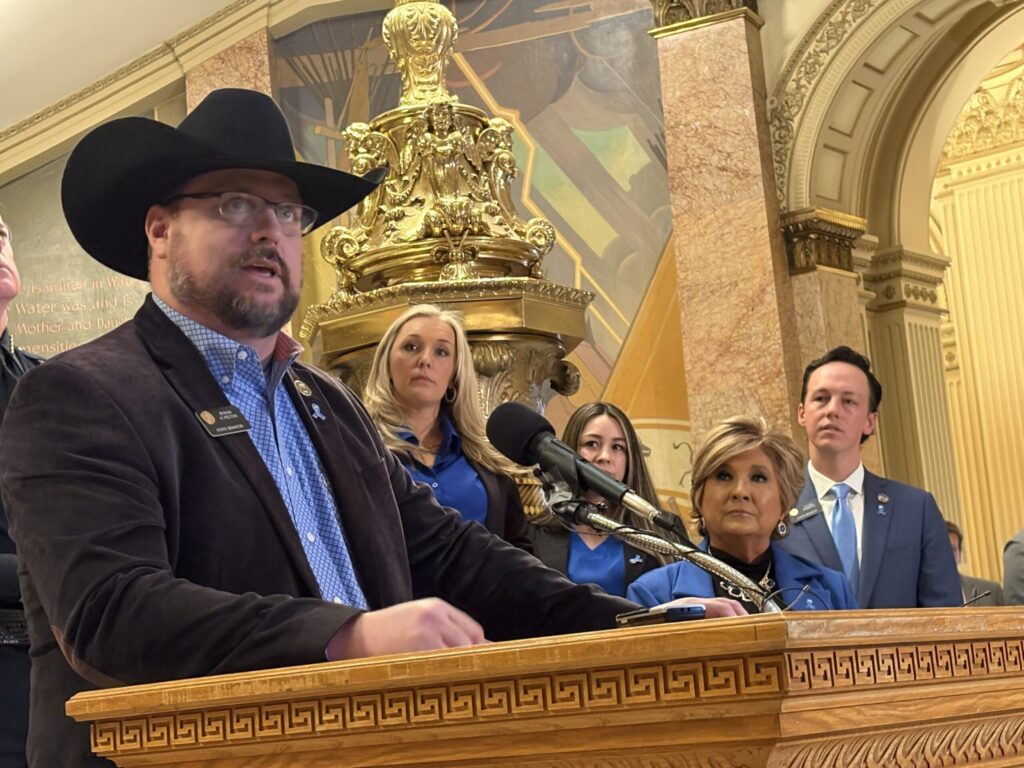
Just as Colorado’s legislature is poised for a new crackdown on child trafficking, a report released this week concludes the repugnant crime “remains near historic levels for the state.” “The ranking is among the highest in the nation for both...
The Gazette Editorial Board
Reporter
EDITORIAL: Leave Colorado’s Labor Peace Act intact
The Gazette Editorial Board
thegazette-editorial-board@gazette.com
Updated 1 week ago
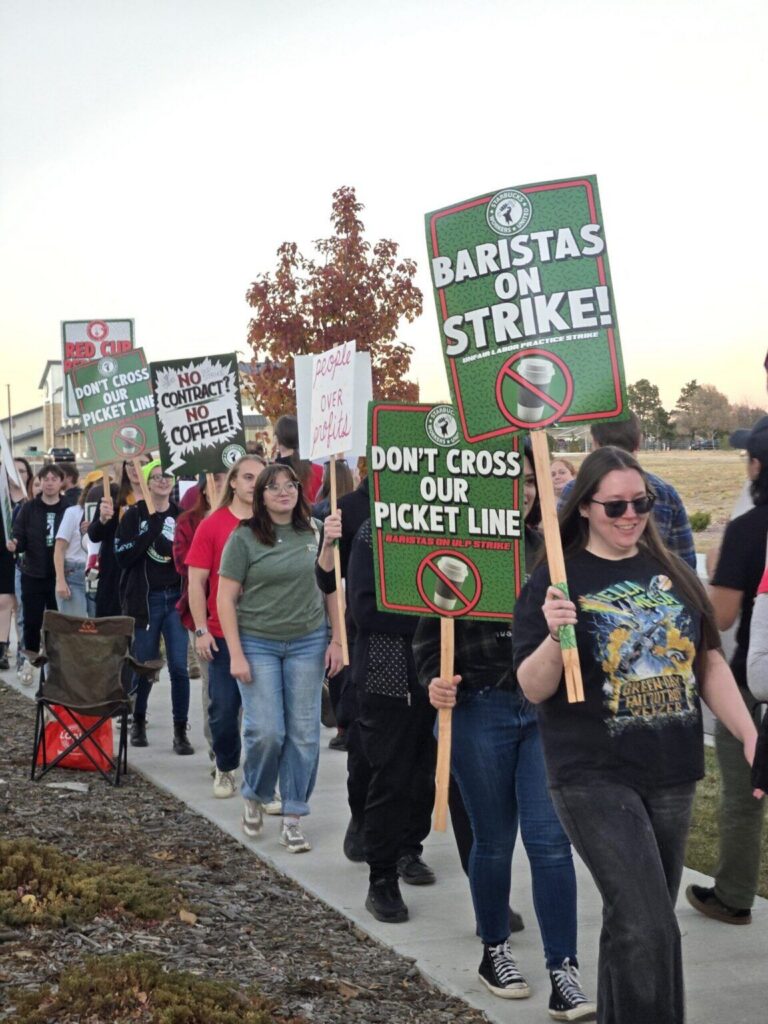
The latest reckless attempt in the legislature to gut Colorado’s long-standing and carefully balanced Labor Peace Act is roundly unpopular. The pending legislation has been drawing flak from Democratic Gov. Jared Polis as well as from the state’s business community. ...
The Gazette Editorial Board
Reporter
EDITORIAL: Cowboys’ move is Colorado’s loss
The Gazette Editorial Board
thegazette-editorial-board@gazette.com
Updated 6 days ago
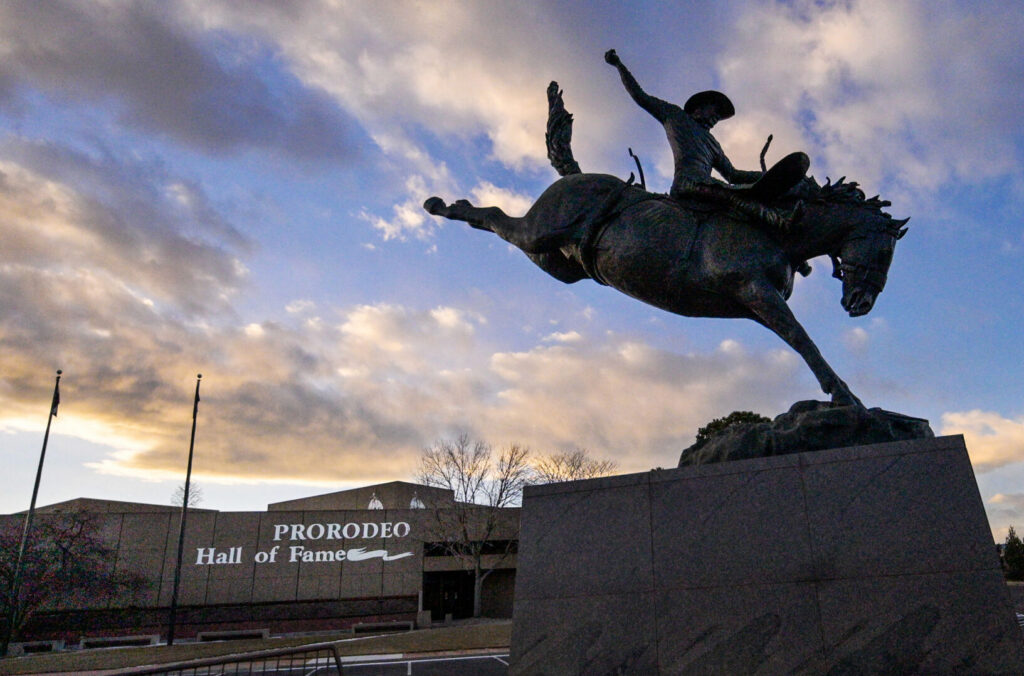
After more than 75 years of calling Colorado home, the Professional Rodeo Cowboys Association appears to be packing up its operations and ProRodeo Hall of Fame and moving to Wyoming. The all-but-official move to Cheyenne will mark the end of...
The Gazette Editorial Board
Reporter
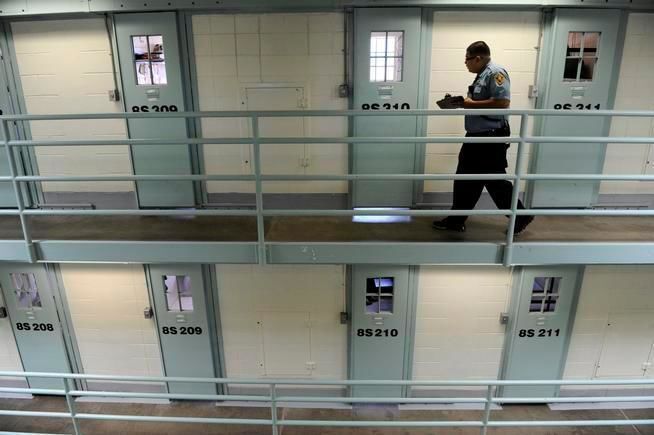
EDITORIAL: Lawmakers look for ways to let convicts loose
The Gazette Editorial Board
thegazette-editorial-board@gazette.com
Updated 1 week ago
If only the Democratic majority at the State Capitol worried as much about the offenders roaming our streets as it does about those who are behind bars. Colorado’s offender-friendly legislature seems oblivious to the former and convinced there are too...
The Gazette Editorial Board
Reporter
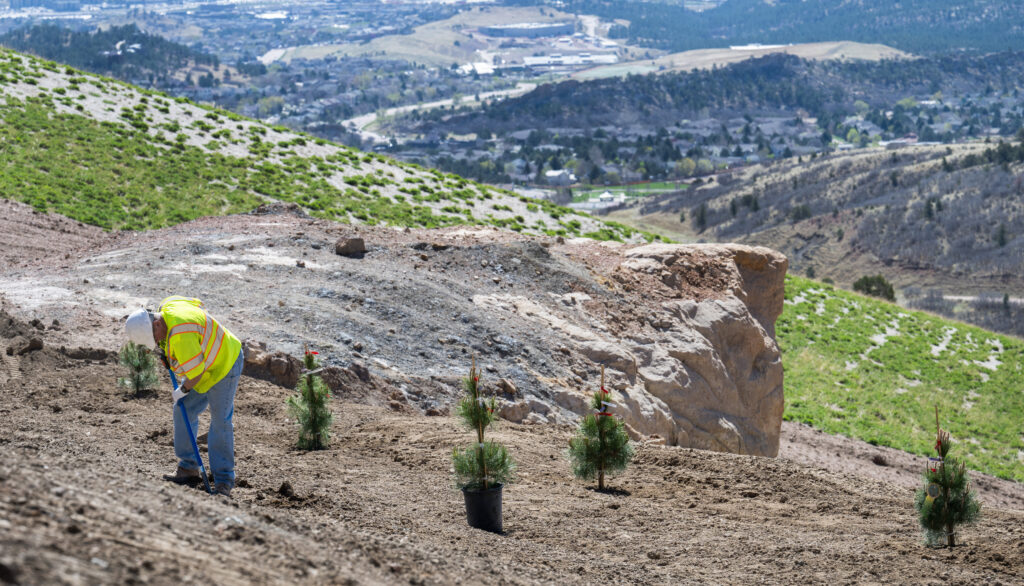
EDITORIAL: A scar heals above the Springs
The Gazette Editorial Board
thegazette-editorial-board@gazette.com
Updated 1 week ago
A Gazette report last month summarized the legacy of the Pikeview Quarry on the city’s northwest side with one simple yet accurate word: complicated. For decades, the “Scar Wars” that were fought over the quarry had cast a shadow over...
The Gazette Editorial Board
Reporter
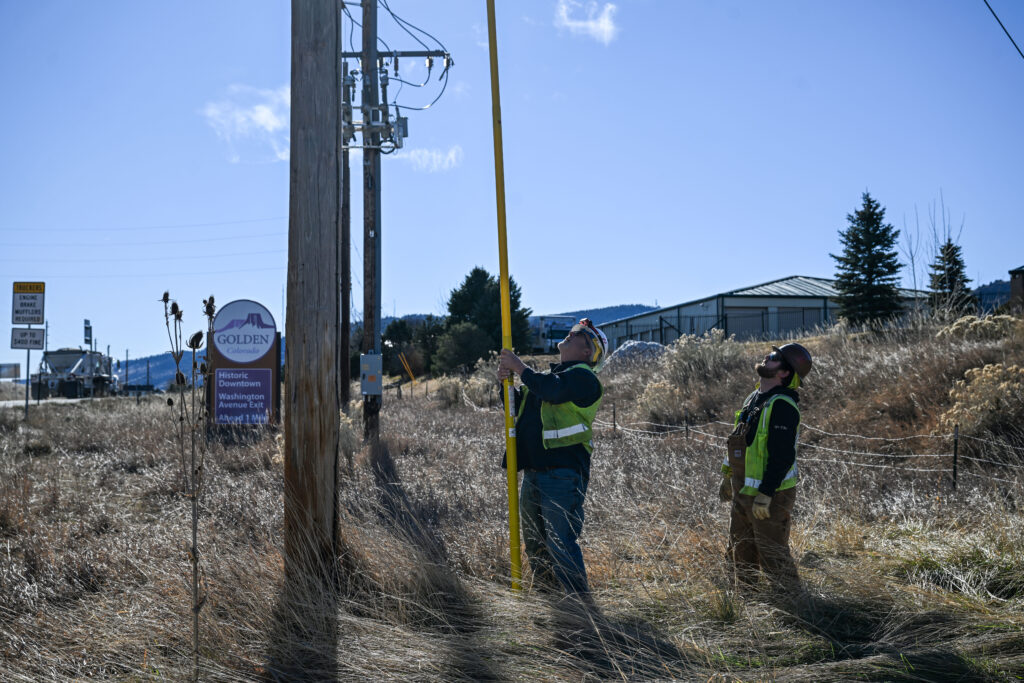
EDITORIAL: Don’t leave Coloradans in the dark
The Gazette Editorial Board
thegazette-editorial-board@gazette.com
Updated 1 week ago
When residents spoke at last week’s meeting of the Colorado Public Utilities Commission, which regulates the state’s utility companies, they gave them an earful about Xcel Energy’s “Public Safety Power Shutoffs” in December. The utility giant — a state-regulated monopoly...
The Gazette Editorial Board
Reporter
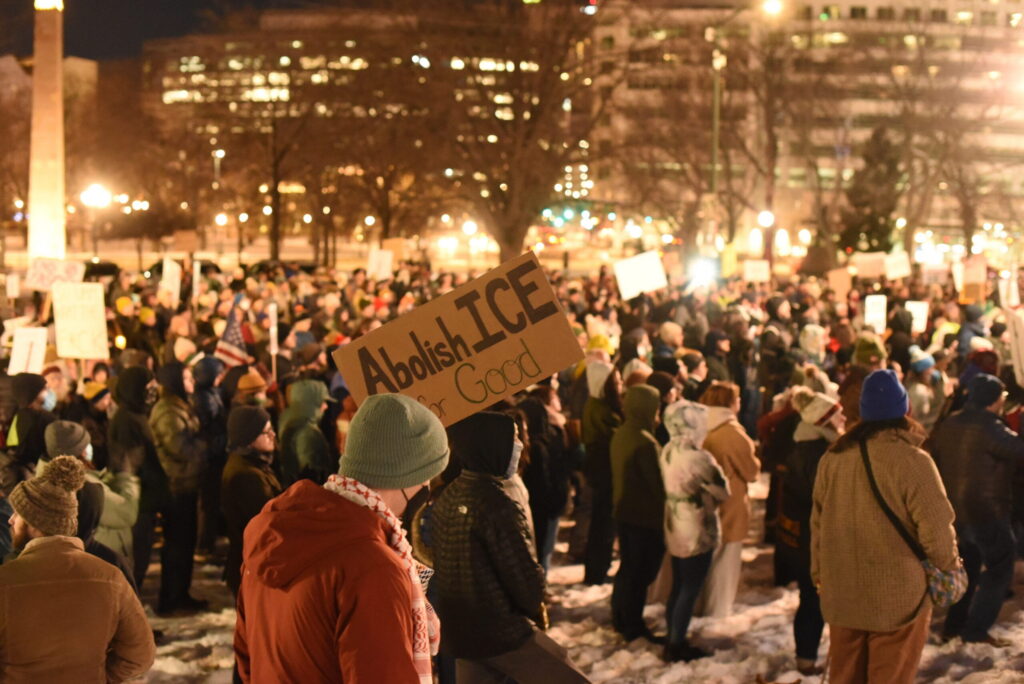
EDITORIAL: Defiance of immigration laws will backfire on Colorado
The Gazette Editorial Board
thegazette-editorial-board@gazette.com
Updated 1 week ago
The contempt for law enforcement among ruling Democrats at the State Capitol has escalated — from reckless to delusional. It was in 2020 that the Democratic majority in the legislature, led by its soft-on-crime political fringe, revoked qualified immunity from...
The Gazette Editorial Board
Reporter
EDITORIAL: Applause anew for Polis on school choice
The Gazette Editorial Board
thegazette-editorial-board@gazette.com
Updated 2 weeks ago
Kudos once again to Gov. Jared Polis for standing up — and sticking out his neck — for a promising federal initiative that incentivizes school choice. Thanks to the governor’s recent decision to OK our state’s participation, Colorado’s kids and...
The Gazette Editorial Board
Reporter