




82% of hikers hit the trail without basic life-saving piece of gear (and more shocking stats)
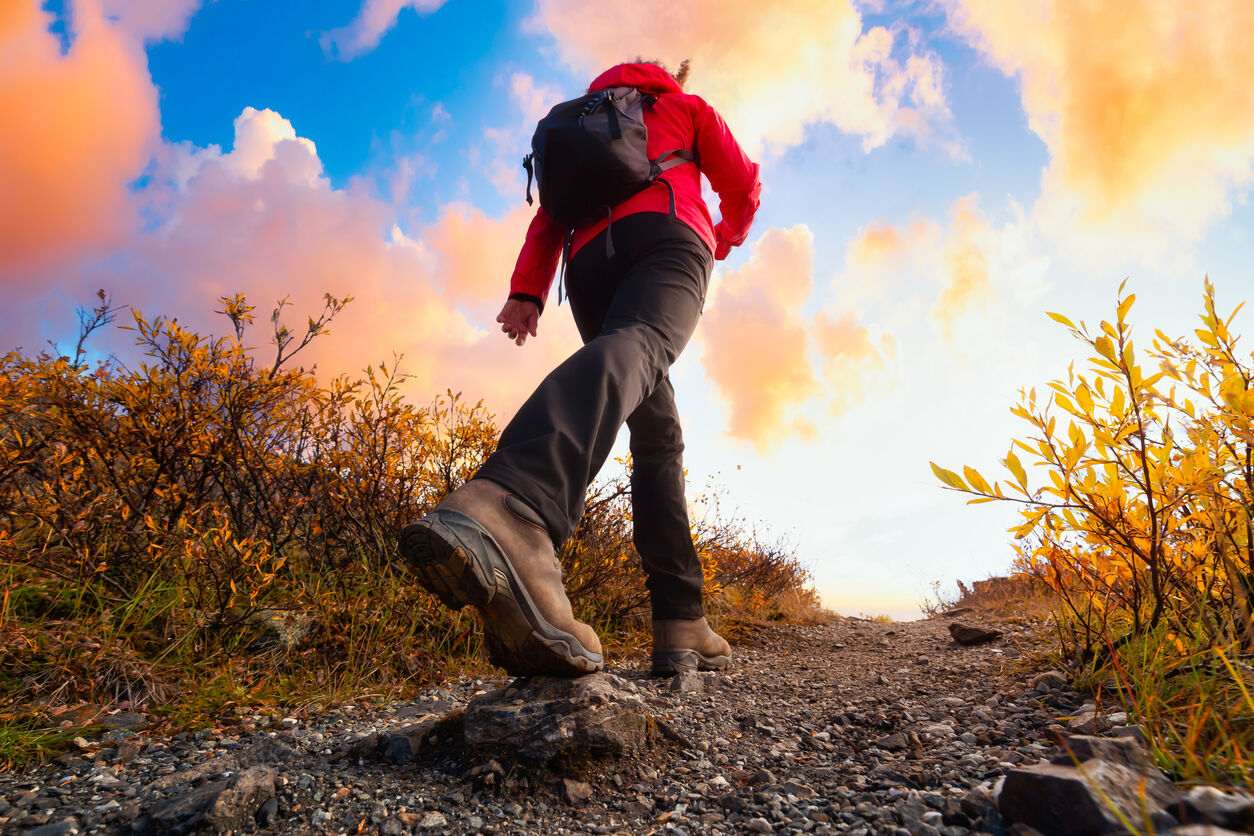
Summer hiking season is right around the corner in Colorado – and as all outdoor recreators should know, the risk of injury is always a possibility. After all, it’s hard to predict when an accident will occur – that’s why it’s considered an ‘accident.’ That said, being aware of the most common risks and taking steps to address them can be a useful tactic when it comes to limiting the likelihood that those accidents occur.
A recent report from Kuru, a footwear company, digs into what types of injuries occur on the trail in a beneficial way that allows the trailgoer to better understand how to avoid these concerns.
Here’s a look at some of the findings from that report:
- It’s estimated that around 4,000 to 5,000 serious hiking injuries occur each year around the United States, with ankle injuries accounting for 42 percent of serious injuries as the most common hiking injury to sustain
- Females tend to be more prone to injuring an ankle, accounting for 72 percent of all ankle-related injuries
- Also making up a large portion of serious injuries are head injuries (13.4%), with slips and falls being key contributors in these incidents.
- While not included in ‘serious injury’ numbers, blisters and strains can impact around 20 percent of all hikers. Key factors in this type of injury tend to be walking long distances or hiking in new shoes
- Improper use of a backpack tends to be another factor contributing to minor injuries, with an estimated 12 percent of all hikers experiencing neck or shoulder pain due to a pack that’s too heavy, uneven weight distribution, or improperly adjusted straps.
- While women tend to be more susceptible to ankle injuries, males end up accounting for about 55 percent of all injuries, with injuries most prevalent in the 30 to 50 age demographic. It is worth noting that the overall split between male and female hikers wasn’t addressed.
- It’s also worth noting that casual hikers account for more injuries than seasoned hikers at 60 percent of all injuries. Kuru indicates that lack of experience and preparedness can be factors in that gap. That said, it’s also worth noting that the report didn’t mention what share of hikers are considered ‘casual’ opposed to ‘seasoned.’
- Other key serious injuries include injuries to the hands and wrists, typically sustained while breaking a fall (8% of serious injuries), lower leg injuries (10.6% of serious injuries), and knee injuries (10% of serious injuries), typically sustained during steep descents
- An estimated 20 percent of serious injuries result in the need for hospitalization
The Kuru report also got more specific in terms of what leads to injury:
- Slips and falls account for 50 percent of serious injuries
- Key factors in falls were listed as slick trails, uneven terrain, improper backpack loading, and fatigue
- Per the Kuru report, lack of proper equipment accounts for 18 percent of all hiking accidents, with poor planning contributing to 22 percent of accidents. Exceeding ability was also a common factor, contributing to about 17 percent of all hiking incidents.
- It’s also worth noting that several risks of hiking that get quite a bit of talk were shown to be of smaller concern in terms of how many hiking accidents they cause. Equipment failure was shown to be a minor concern, being a factor in about three percent of all incidents. Falling rocks or debris was another relatively minor concern – a factor in about five percent of hiking-related accidents. While both of those concerns are still very serious, proper planning and having the right equipment remains the first step in preventing an accident.
- Another factor that often gets overlooked until it’s too late is having an adequate amount of food and water – this was a factor in 10 percent of hiking incidents – and keep in mind, it was also estimated that about 58 percent of hikers carry inadequate water when hitting the trail
While education about the risks has been shown to prevent hiking injuries, a lot of people still make basic mistakes when it comes to preparing for and executing a hike:
- Nearly half of all hikers don’t carry a map and compass (44%), which can increase chances of getting lost with an estimated 41 percent of search and rescue operations nationwide being the result of someone who is lost.
- As far as the other basics go, 23 percent of hikers carry first-aid, 32 percent of hikers don’t tell anyone their plans, 82 percent of hikers don’t carry emergency shelter (this can be especially important in Colorado given the way temperature swings occur as night falls), 40 percent of hikers don’t check the forecast, and 65 percent of hikers don’t carry a signaling device to use in the event of an emergency.
If you’ve read through all of the bullet points above, you’ve probably got a good idea of what actions can make a hiker safer. From wearing proper footwear with traction that prevents slips to bringing along the 10 essentials to wearing clothing that matches the forecast (and checking the forecast ahed of time), simple tactics can help to prevent most accidents. Staying hydrated, understanding your abilities and not pushing it too hard, and having a plan in place for when something goes wrong are also key.
Find tips for a safe backcountry adventure from Colorado Search and Rescue Association here and find Kuru footwear’s full report here.
STAY INFORMED: Get free Colorado news with our daily newsletter (Click here)
Get OutThere
Signup today for free and be the first to get notified on new updates.
PREV
PREVIOUS

Colorado restaurant dubbed 2nd-best in U.S. in major awards program
Food & Wine recently released its fourth annual Global Tastemakers Awards, celebrating the best in culinary travel. The categories included cities, restaurants, bars, hotels, airports, airlines, and cruises. The list, which includes 210 destinations and brands, involved input from more than 400 chefs, wine pros, and food and travel writers around the globe. Food & […]
New shuttle to travel from Golden to Red Rocks Amphitheatre
A community shuttle that starts soon will offer free rides to Red Rocks Amphitheatre and other key sites between Golden and Morrison throughout the summer. The Westracks community shuttle is launching on May 23, and will run weekends (Saturdays and Sundays) and holidays from 9 a.m. to 5 p.m. until Labor day, Sept. 7. Passengers […]