




Zebra mussels have “infested” six bodies of water in Colorado, sampling efforts resume
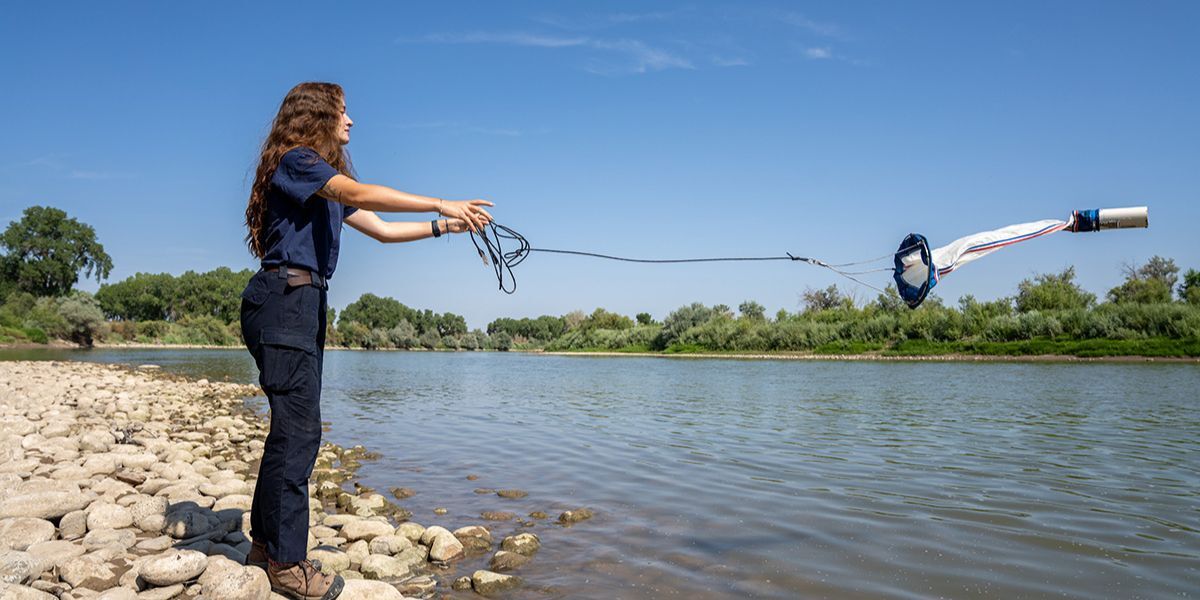
Colorado Parks and Wildlife has resumed sampling efforts related to aquatic nuisance species in the Colorado River, per a May 13 press release. This news follows the detection of zebra mussel veligers (larvae) in the river in July 2024 and the detection of adult zebra mussels in the river in 2025.
According to Colorado Parks and Wildlife, six bodies of water in Colorado are designated as “infested” with zebra mussels:
- Highline Lake at Highline Lake State Park (2022)
- Mack Mesa Lake at Highline Lake State Park (2025)
- West and East Lake at the Wildlife Area Section of James M. Robb-Colorado River State Park (2025)
- Colorado River from the Confluence of the Eagle River downstream to the Colorado-Utah border (2025)
- Red Rocks Lake at the Fruita Section of James M. Robb-Colorado River State Park (2025)
- Grand River Park in New Castle (2026)
It’s also worth noting that Colorado Parks and Wildlife anticipates additional discoveries of zebra mussels with increased sampling at private bodies of water throughout the Grand Valley.
Colorado Parks and Wildlife also reminded the public that no detections of zebra mussels have occurred between the headwaters of the Colorado River and the confluence of the Eagle River, nor in Eagle or Roaring Fork rivers.
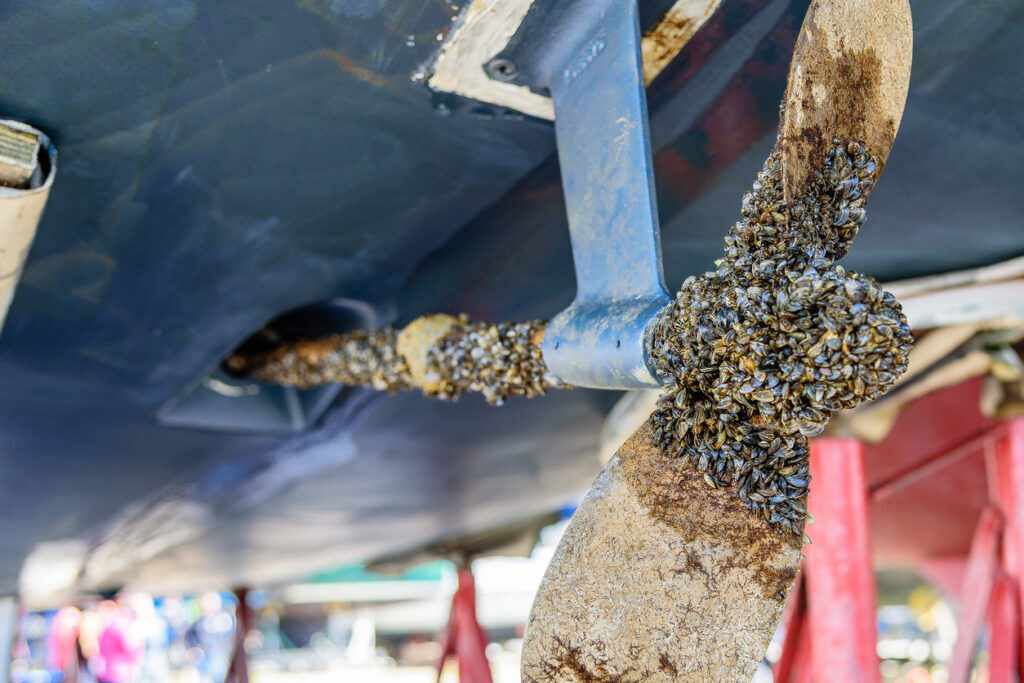
Zebra mussels are a concern because they can rapidly clog water infrastructure and cause costly damage. They’re also considered an invasive species in Colorado and can devastate ecosystems by outcompeting the state’s native species when it comes to food.
Colorado Parks and Wildlife has asked those who have private lakes and ponds utilizing water from the Colorado River to inspect their water via a sampling kit provided by Colorado Parks and Wildlife staff. Those who this applies to can contact [email protected] for additional information. It’s also been requested that those who use water from the Colorado River for other reasons to be on the lookout for signs of zebra mussels and to send photos to the aforementioned email for identification.
“Despite these additional detections, it remains critical for the continued protection of Colorado’s aquatic resources and infrastructure to fully understand the distribution of zebra mussels in western Colorado,” said Robert Walters, CPW’s Invasive Species Program Manager. “We can only achieve this with the assistance and participation of the public.”
It’s also worth noting that Colorado’s boat inspection and education effort is set to continue. Anyone on Colorado’s waters should be sure to clean, drain, and dry watercraft and other gear prior to entering another body of water. This doesn’t just include boats, either – it also includes paddleboards, kayaks, inner tubes, fishing gear, and more… basically anything that touches the water.
STAY INFORMED: Get free Colorado news with our daily newsletter (Click here)
Get OutThere
Signup today for free and be the first to get notified on new updates.
PREV
PREVIOUS
Skier may get hefty fine after ignoring closure at Colorado resort
A skier recently learned that ‘closed’ means ‘closed’ in Summit County, ending up with a court summons and the potential for a hefty fine related to alleged actions at Copper Mountain. Per a report from the Summit County Sheriff’s Office, Copper Ski Patrol called for deputy assistance in recent days after skier didn’t follow the […]

Denver bar shuts down 'unvaxxed' event citing "escalating safety concerns" and policy violations
Days after controversy started to brew related to an ‘unvaxxed singles and community’ meet-up that was slated to take place at a popular Denver bar, the bar has made a statement announcing that the event will no longer take place. According to Recess Beer Garden, the event that was set to be hosted by online […]