







Unidentified, unclaimed: How the Denver Medical Examiner’s office reunites people with their deceased loved ones
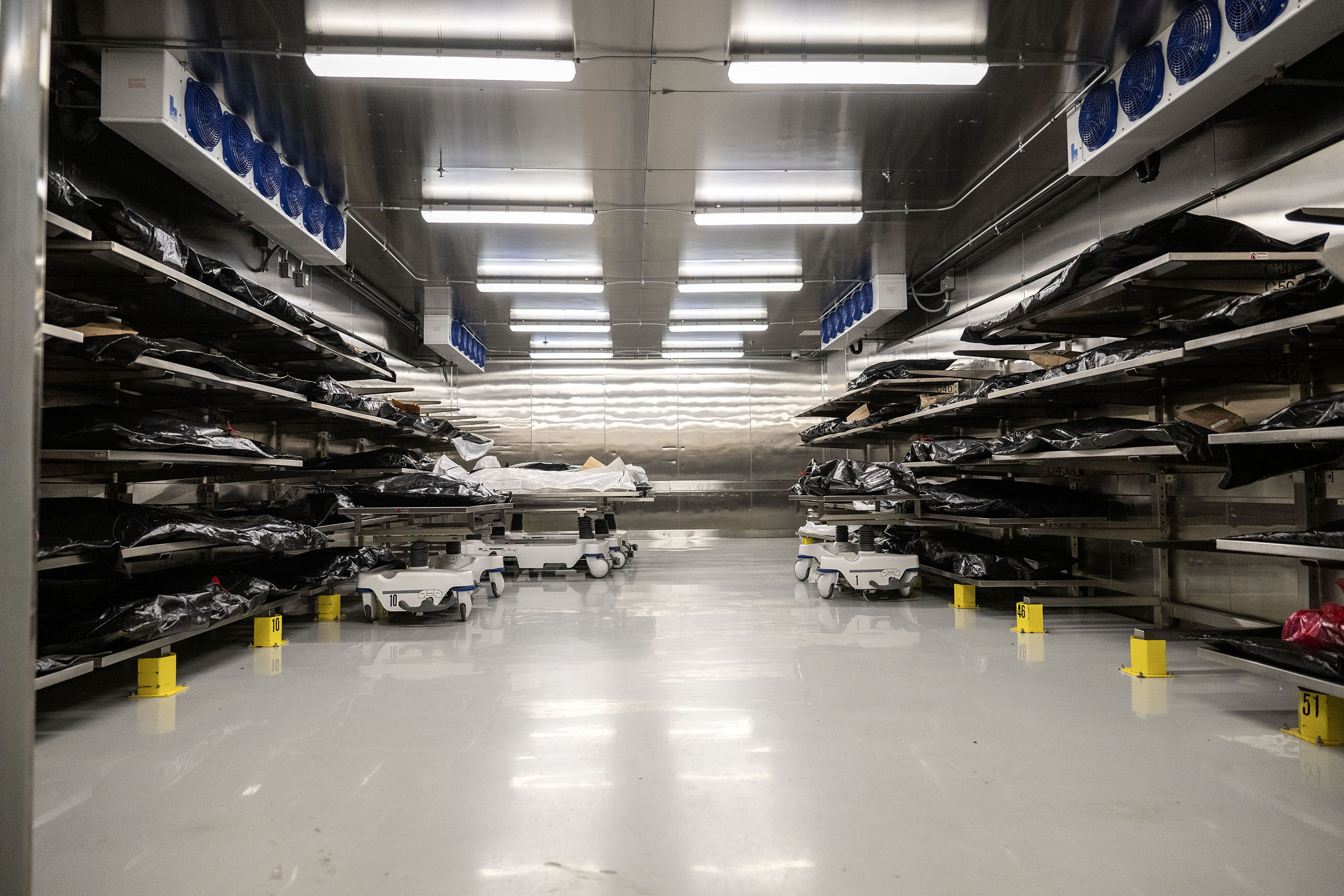
More than a dozen corpses at the Denver Medical Examiner’s Office are unidentified and officials have no idea who they were.
Some of these people were found dead within the last few months. Others have waited years, even decades, to be identified.
There are some who investigators were able to identify, only for them to have no known next of kin to release their bodies to and no one but strangers to mourn them.
The investigators who work to reunite these people with their loved ones said they do so to give a voice to those who can speak no longer. They work long hours, exhausting every possible resource to try and figure out who these people were and find those who loved them.
No matter how long it takes.
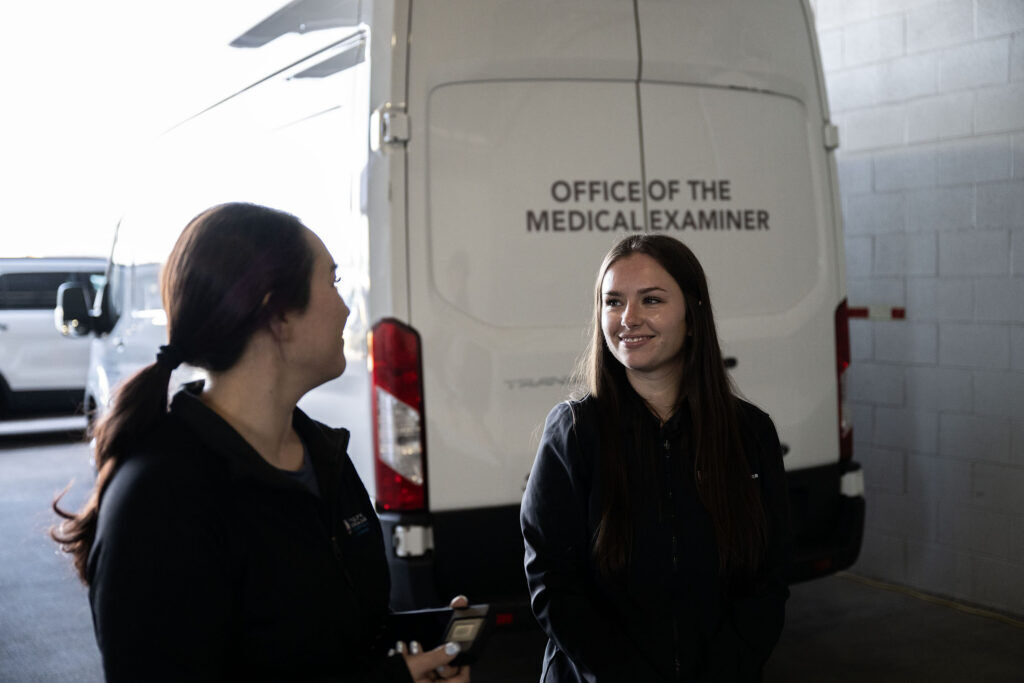
Sarah Buck and Hanah Shimeall are two of eight death investigators within the medical examiner’s office. In their roles, they are called out to the scene of deaths and work to determine causes of death, identify decedents and notify next of kin.
The work is hard, emotionally taxing and somewhat traumatizing — being surrounded by death every hour of every day.
Both said they didn’t pursue this line of work and somewhat fell into it. In college, Shimeall studied biology and Buck studied criminal justice. Both said they ended up in an internship at the office while trying to decide what to do for their career long term.
They said they fell in love with the job as it served as a way for them to help people.
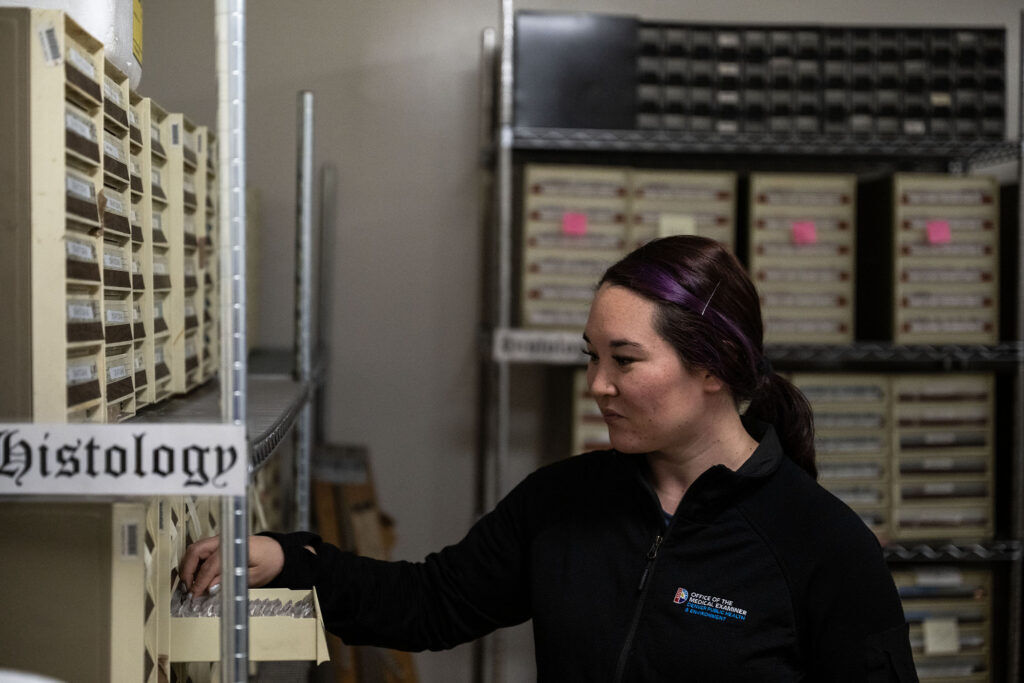
“Being able to speak for those who can’t speak any longer and bring justice or closure or answers to families,” Buck said. “That’s a big one for me.”
Investigating a death
When a death occurs, investigators from the examiner’s office are called out to the scene alongside police, distinguished by their uniform of a polo shirt and quarter-zip bearing the medical examiner’s logo, alongside dark blue scrub pants. The call can come at any time; Buck typically works a swing shift from 2 p.m. to midnight, and Shimeall typically works the night shift, which runs from 10 p.m. to 8 a.m.
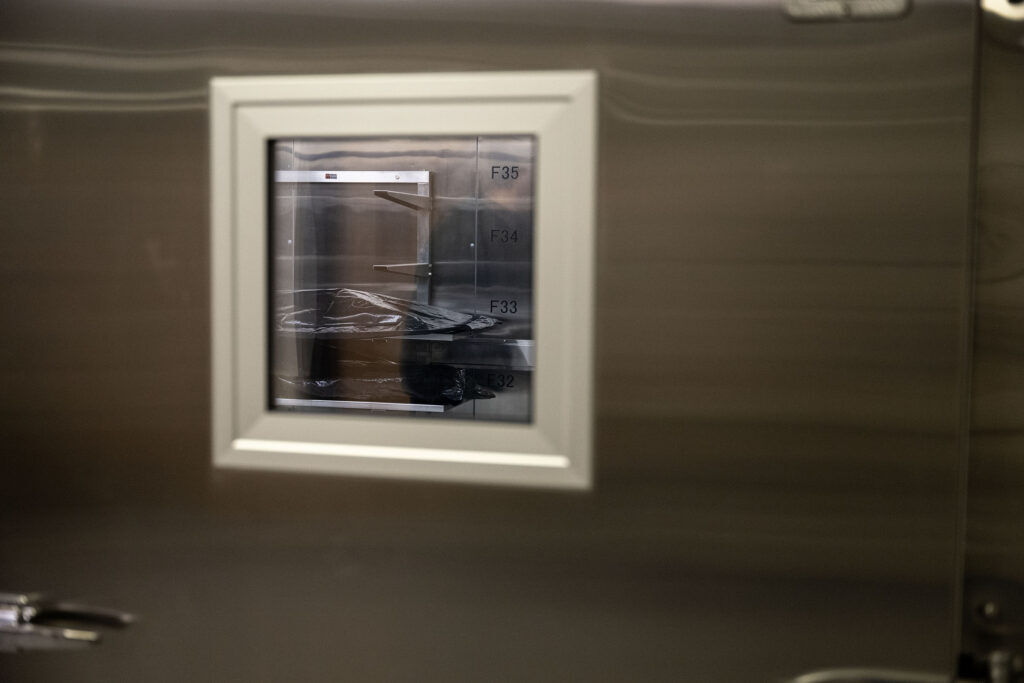
After the scene investigation is finished, the bodies are loaded into a van to be brought to the medical examiner’s office. They are brought through a receiving bay around the building’s side. When they leave, it will be through these same doors as funeral homes send a hearse to pick them up. Upward of 5,000 people will be brought through the office in a given year.
Walk the halls and it feels almost like a hospital. Cold and sterile, off-white walls and gray floors, fluorescent lighting with no windows, so one never knows what time it is. Silver metal doors stand guard for rooms stocked full of bodies wrapped in black or white plastic bags, their names — if known — scribbled on the bags in Sharpie.
Inside the office, investigators have an array of tools to try and create an ID for a decedent. Once brought inside, investigators create a record of the person that the medical examiner’s office uses to track the investigation.
Some investigations are easier than others. Often, leads are found at the scene of a death. A person’s ID or credit cards with their name on them are found on or near their body. Maybe a prescription, or a notebook bearing their name. But in many cases, especially the ones who remain unidentified for some time, investigators have little to go on initially.
First, fingerprints are checked and cross-referenced with law enforcement and Department of Motor Vehicles databases. Colorado is one of seven states that requires driver’s license applicants to be fingerprinted. After that, the bodies are weighed and photographed, alongside any personal belongings recovered from the scene.
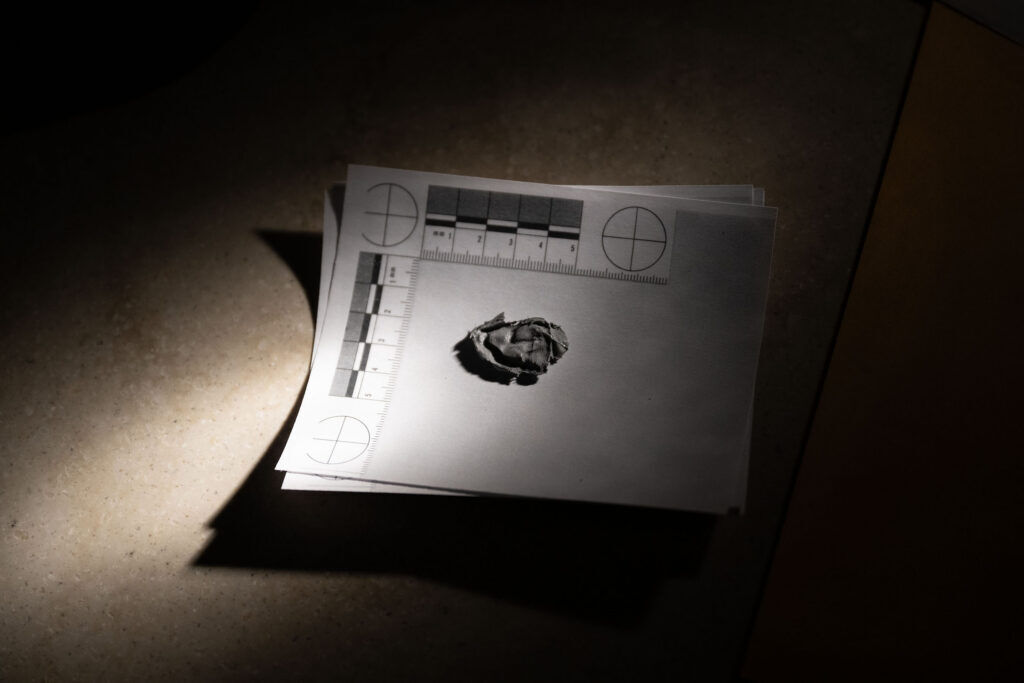
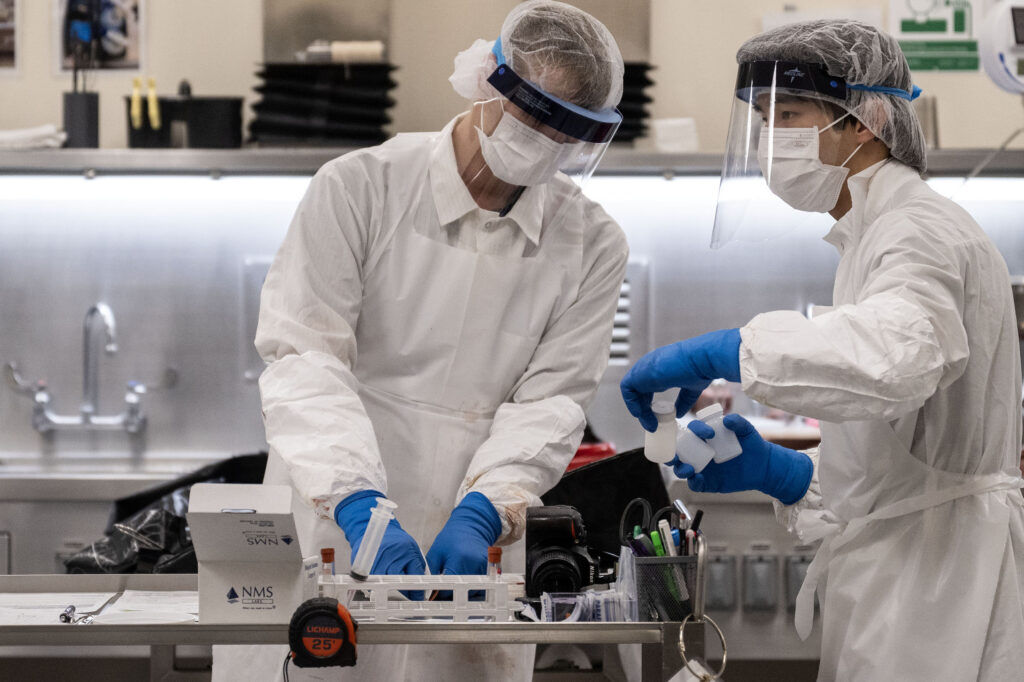
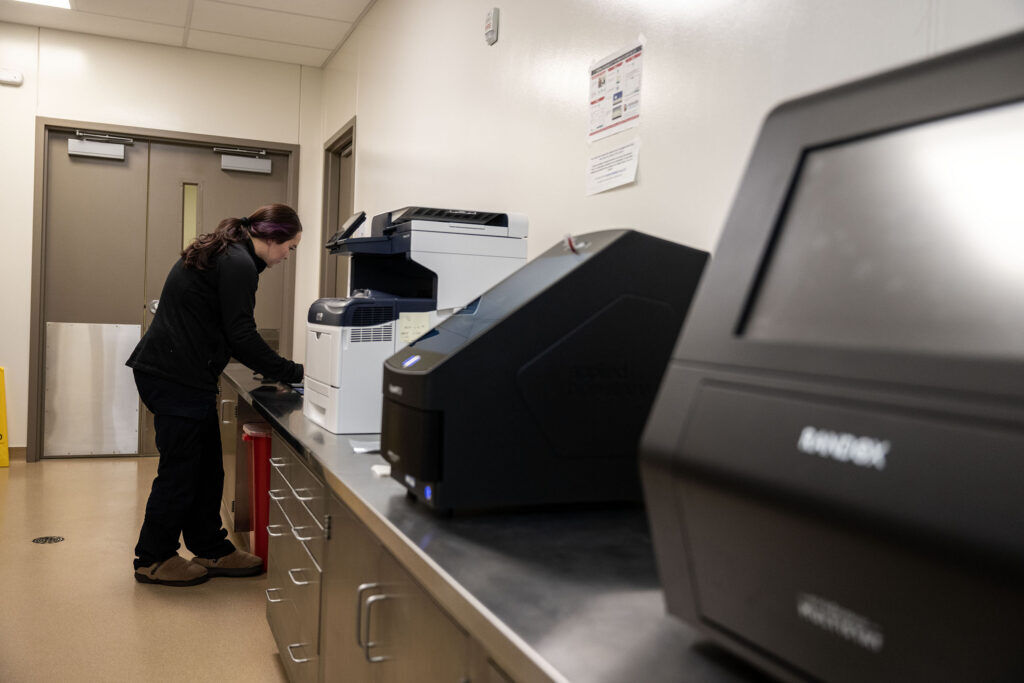
Other tools the medical examiner’s office uses include X-ray machines and DNA tools used to create a profile for a decedent. Investigators look for anything that may make someone stand out, such as a dental implant or metal plate, that can be added to a person’s profile. The office will even sometimes save a person’s brain, which can be sent off to a lab to analyze things, such as a seizure disorder, that can aid in an ID.
Ultimately, investigators try to collect as much information as they can about a person before they are sent off for an autopsy, which can determine a person’s cause and manner of death.
Death investigations can vary from natural deaths and overdoses to more grisly scenes.
Buck and Shimeall were responsible for identifying Michael Mott, 41, who died May 8 after he jumped a fence at Denver International Airport and walked on an airport runway. He was struck by a Frontier Airlines flight and sucked into the plane’s engine in what officials described as a suicide.
In that case, the runway was shut down for several hours as investigators combed nearly a mile-long stretch of runway for what remained of Mott.
Shimeall said investigators were able to find some of Mott’s fingers in the grass, from which she and Buck were able to obtain fingerprints and identify Mott rather quickly considering what happened.
“We were able to identify him very quickly, which on Saturday morning I don’t think anybody particularly expected,” Shimeall said. “And then make the family notification, which is really important.”
The long haul
To be in this line of work, you have to have a sense of humor. Gallows humor, like that of soldiers, is common around the office.
Staff wear clothing adorned with cartoon skulls and office decorations lean into the macabre, with model skeletons and CPR dummies dressed in construction gear lying around the halls. Doodles of headstones are sketched onto whiteboards and jokes about the smell are common.
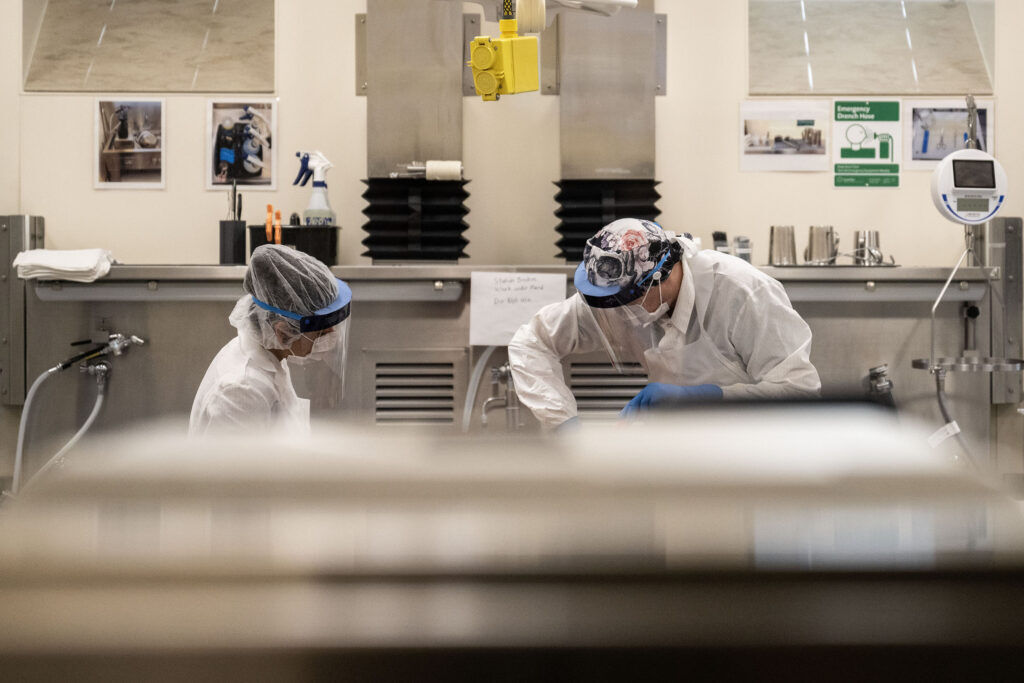
Coroners smile and joke with one another as they perform autopsies, their gloved hands forearm-deep into chest cavities.
It’s a way to cope with the emotions that may come up, both from being around death and from the sometimes long process of making an ID. With the levity also comes a deep respect for the dead, because even if they can no longer speak for themselves, they were once people full of life with people who cared for them.
“Just know that we’re not giving up on you,” Shimeall said.
Buck and Shimeall said making next of kin notifications is one of the hardest parts about their jobs. While they both want to help, they said it’s difficult seeing the emotions that come up when making a notification, which can range from appreciation to anger to sadness.
“There’s really no beating around the bush. You have to be honest with them,” Buck said. “It’s hard sometimes, too, when we really want to notify a family, but we don’t have a full positive identification. Maybe it’s a juvenile or it’s a car accident that’s hitting the news like crazy, and we were pretty sure we know who it is. We want family to hear from us rather than the news.”
“It’s really hard to balance and kind of use your judgment of, do I call this family? Do we wait? What are we going to do?” she said.
After 30 days of remaining unidentified or unclaimed, bodies are moved from a cooler to a freezer to slow the decomposition process and allow time for a proper burial. However, the freezer can only delay the inevitable, as eventually bodies will have to either be buried or cremated if no ID can be made or no next of kin can be found.
Once all the investigation materials are collected, if the person remains unidentified or unclaimed, then their case file is uploaded to the medical examiner’s website, as well as to the online databases NamUs and Nokfinders, which can be used by those seeking their loved ones in their search.
Many of the people who remain unidentified or unclaimed were homeless or were estranged from their family, which can make finding loved ones or IDs difficult. If next of kin manages to be found, investigators then point them to where they can find a person’s burial site or claim their ashes.
In a recent identification, Buck said Nokfinders was able to find a relative for a person who died in 2019. The person had been identified but no next of kin had been found until recently.
When she made the call, Buck introduced herself and explained she was looking for people who may have known the decedent. She said the family member was relieved and had believed their loved one was missing or possibly incarcerated.
“They had been looking for their loved one for years,” Buck said. “They just didn’t know where to look.”