Arts without journalism is like a tree falling center stage | John Moore
Decline in coverage is bad for local arts organizations and bad for potential audiences
When the Colorado Business Committee for the Arts recently asked me to lead its board of directors in a discussion on the overall state of local arts journalism, I said, “Sorry.”

I wasn’t turning them down. I was offering my one-word assessment of the sorry overall state of local arts journalism.
We’re not talking about a crisis. More like a massive crisis that coincides with the overall decline of an industry that continues to lose jobs faster than the coal industry – to the dread of some and to the grave-stomping delight of many others who have willfully turned away from principled journalism in favor of agenda-driven disinformation, propaganda and brainless TikTok videos.
Nearly 3,100 journalism jobs were lost in 2023, according to a Politico report – and another 500 in January alone. But this is not a new story. More like a death march over the past 15 years.
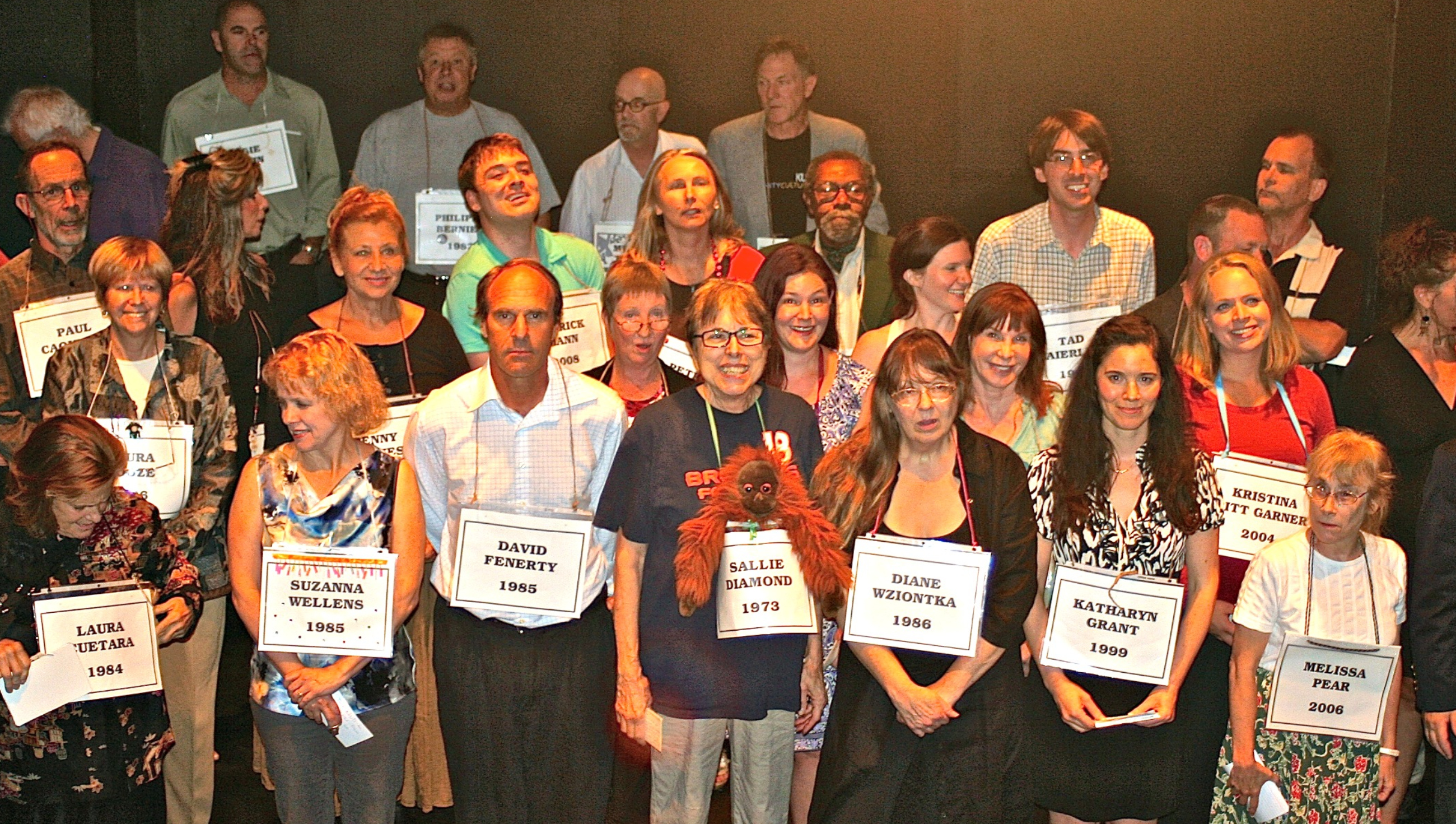
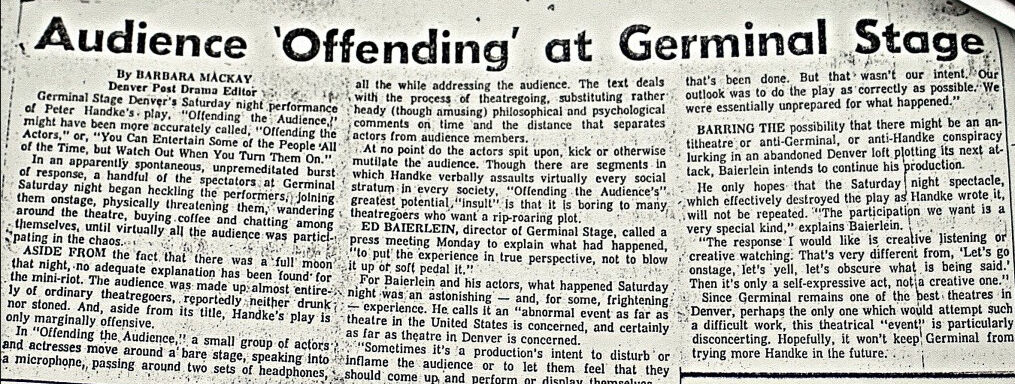
But let’s start even further back: When the 40-year-old Germinal Stage-Denver finally gave up its longtime home in northwest Denver in 2013, co-founder Ed Baierlein wanted to go out with a remount of a freaky, truth-in-title play called “Offending the Audience.” At the time, Baierlein showed me a scrapbook from his company’s initial 1976 staging. Included in it were 11 different, credible local newspaper reviews of the play. (Remember Up the Creek? I sure do!)
Side note: The scrapbook also included a coverage of a “mini riot” that broke out one night when audience members actually stormed the stage. But, back to my point: Eleven different reviews of the same play!
When I took an offer to walk away from The Denver Post in 2012, I took my regrettable place in history as the last salaried critic fully dedicated to covering live theater in Colorado. There will not be another.
The journalism landscape has become significantly smaller and more scattered since, and perhaps nowhere is the downturn more starkly evident than in diminishing coverage of the arts.
What the CBCA wanted to explore was how this continuing decline of hyper-local reporting on the Denver metro arts scene negatively impacts the community’s overall ecology and economy.
The consequences, I say, are stark. So does CBCA Executive Director Christin Crampton Day, whose organization has real skin in this game.
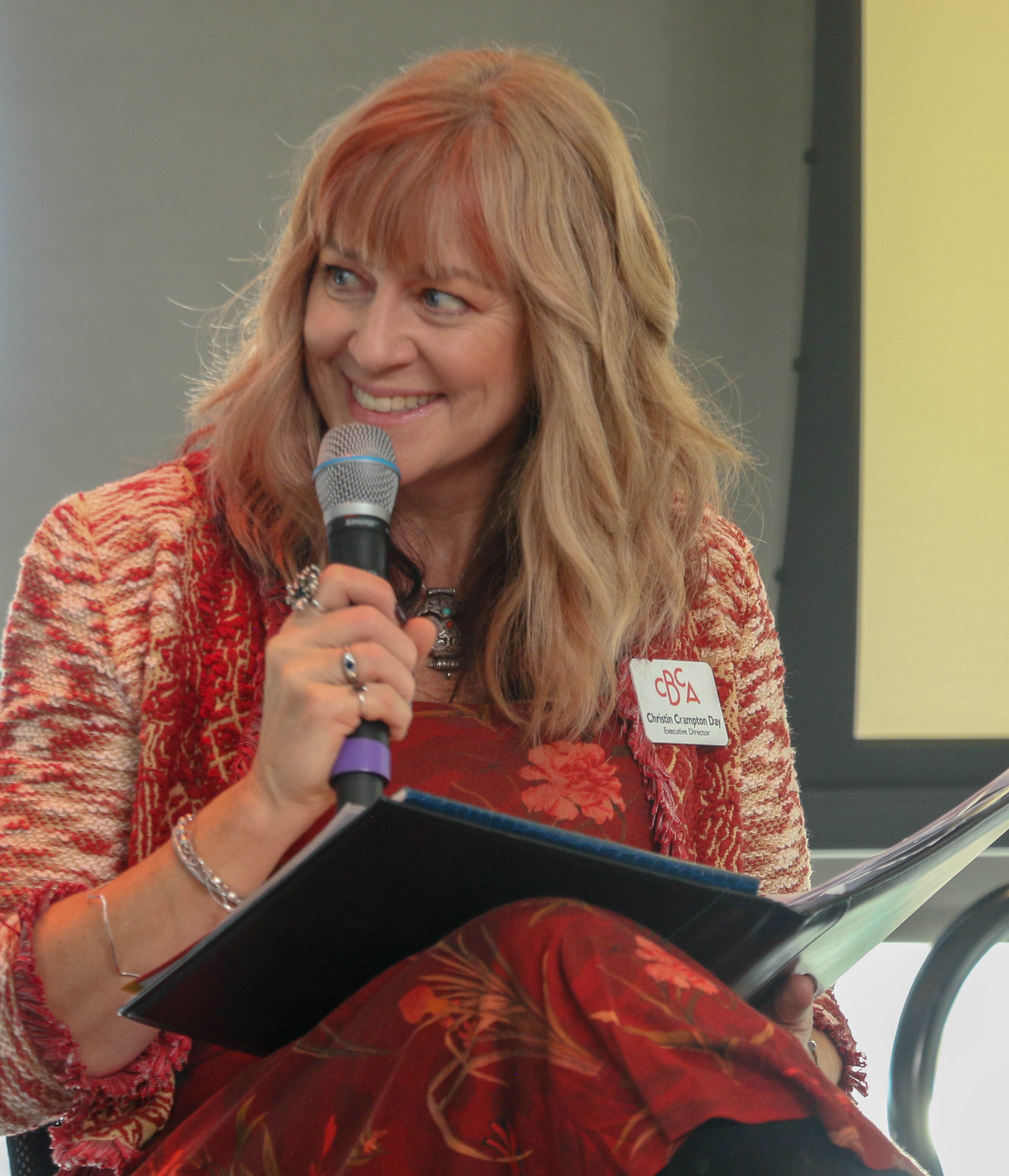
“It breaks my heart to see what has happened to professional journalism and arts journalism in our community, state and country,” Crampton Day told me. “Although Denver metro area arts, culture and scientific organizations generate $2.6 billion in annual economic activity, we don’t have equitable media coverage of our creative sector despite its importance to our social and economic well-being. The few arts journalists who remain are stretched so thin in covering a dynamic ecosystem with diverse industries and issues worthy of in-depth reporting and storytelling.
“Sadly, I believe this ultimately equates to a lack of cultural access, education, information and community participation.”
On my final day at The Denver Post, I remember looking around the newsroom and realizing: Our staff of writers and editors covering arts, entertainment and features was now “down” to 17. I thought that number was apocalyptic.
Today, 17 is an absurd fantasy. The only full-time writer covering “the arts” – all of them – for The Post now is my friend John Wenzel. I am a hybrid columnist/reporter covering “the arts” – all of them – for The Denver Gazette. Eden Lane just passed the two-year mark covering “the arts” – all of them – for Colorado Public Radio.
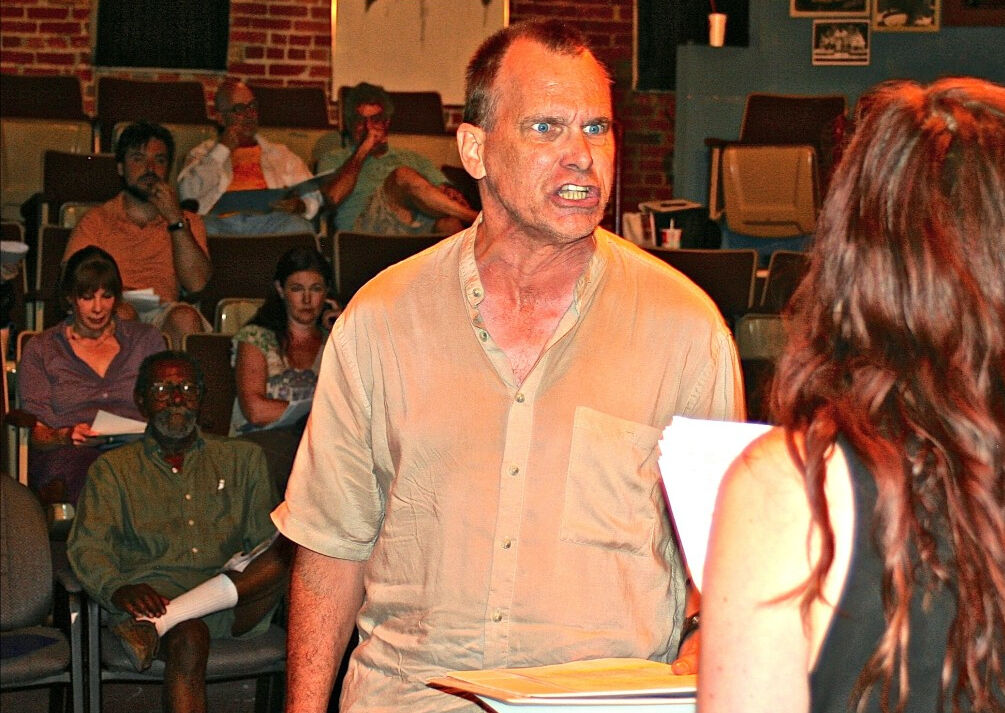
All of us, at one time, were specialists covering our defined areas of individual expertise. Today, we are all “generalists” trying in vain to write about as many concerts, recitals, plays, films, festivals, galleries – as well as breaking news, personalities, trends and topical issues – as any one person can. But nothing any of us do individually will ever be enough for our respective audiences. For every story we can take on, 100 more pitches will go unanswered. It’s like typing in a hamster wheel.
Worse than generalists, though – we are now “onlys.” We are “the only” full-time writers covering the arts – and only the arts – at our respective media outlets.
Most of us get support from editors and an all-star roster of freelancers who were once staffers at The Post or the late Rocky Mountain News and now help various outlets fill in the gaps for the equivalent of beer money.
Ironically, the destruction of the empires that were once The Denver Post and the late Rocky Mountain News has given rise to some spectacular one-off freelance arts journalism that you will come across in the Colorado Sun, Westword, Denverite, Boulder Weekly, Aurora Sentinel, Boulder Daily Camera, Denver Gazette and many others, including just about every neighborhood publication that falls under the Colorado Community Media umbrella.
If you were to ever see it all, in one place, the totality of the daily snapshot of local arts journalism on any given day is impressive.
Problem is, no one can keep up with all of those separate outlets, and none that remain has remotely the same reach once enjoyed by The Post or The News – including The Post. When I walked, the Post’s Sunday circulation was 538,000 and falling. The last time I saw The Post’s average print circulation reported in June 2022, it was down to 57,000 – which is still as big as it gets anywhere. Of course, most people these days are reading online, but whenever any business loses 90 percent of its core customer base in a decade, you can’t help but wonder how sustainable it is.
The bottom line: Even when you are the subject of a first-rate piece of local arts journalism these days – you have to wonder how many are even reading it.
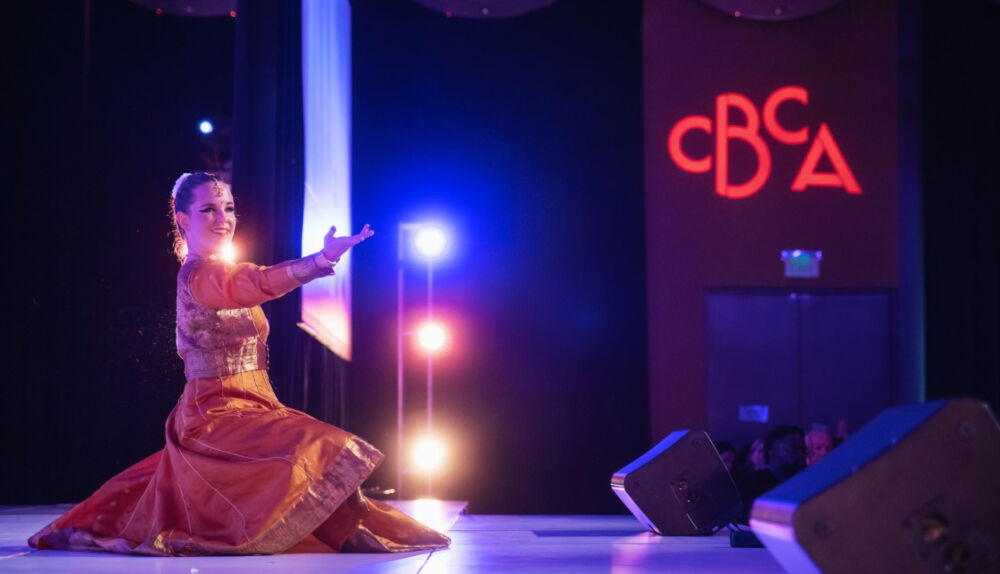
Fewer journalists means …
When you have fewer journalists covering the arts, it is bad for journalists and it is bad for local arts organizations. But more than anything, it is bad for everyone in Colorado who is becoming increasingly oblivious to the cultural lifeblood of their communities.
Fewer journalists, of course, means an overall decline in arts coverage, resulting in less exposure for artists and their work. Those journalists who remain face greater pressure to produce a high story count, leading to less in-depth or investigative journalism, and certainly less nuanced journalism overall. Despite all the best of intentions, that leaves you with a less-informed readership.
But the greatest loss to the Denver cultural ecosystem has been the once essential (if often maligned) presence of a trusted, consistent and reliable critical voice – not only to champion and elevate lesser-known artists, but to hold the entire artist community to a high, fair and consistent critical bar.
Believe me, being a responsible arts critic is a miserable, thankless existence. I do not miss the acrimony and the unavoidably hurt feelings when honestly assessing any given work of art. What I do miss was being in a position to let 538,000 readers in on some breathtaking stage offering they might not otherwise know exists. In their time, credible critics were the essential umbilical cord between the art and the community those artists are hoping to reach. Because quality critical perspectives undeniably led to cultural engagement.
Everyone hates a critic – until there are no more critics.
Which is not to say there is no remaining professional criticism. Most notably Lisa Kennedy, another post-Postie (I call us the Toast Posties) who still offers occasional, smart theater reviews and features there. But it wasn’t that long ago when The Post reviewed 170 theater productions a year. Those days are long over. According to the American Theatre Critics Association, there are now only about a dozen remaining full-time theater critics in the entire country, and none within a thousand miles of Denver.
Attempting to fill the vacuum are a host of citizen champions and cheerleaders in the form of self-appointed bloggers who are not compensated for their work and have no incentive to maintain a high critical bar. Which would lead you to believe that just about every theater production out there is better than Broadway.
The most influential online platform to emerge in our local theater community over the past few years has been a robust and growing site called OnStage Colorado, which provides theater news, reviews, listings and podcasts. It’s run by lifelong journalist Alex Miller, who enlists a team of volunteer theater enthusiasts who somehow manage to produce a write-up on just about every theatrical production in the metro area and beyond.
The inherent problem with any organic start-up site with no independent funding or advertising revenue is that its primary readership is not the general theatergoing public but the actual companies they cover, which incentivizes them to err on the positive side and blurs the line between journalism and boosterism. Because this is a pure labor of love, and no one is paid for their work, one can only wonder how sustainable this vigorous love letter to the local theater community can be in the long run.
It’s just business
The CBCA is an organization whose mantra is simple: A thriving arts community is good for business. So what can the business community do to support arts journalism? By supporting any forward-thinking initiative that employs actual arts journalists, especially in nontraditional ways. Every arts organization has a story to tell. They just don’t have as many journalists available to tell them. So, hire one to tell yours.
You might start with Toni Tresca, a self-starting, self-taught journalist who has emerged as the most promising counter to declining arts journalism in Denver in years. Tresca has completely rewritten the long-entrenched rules of freelance, which for decades dictated that freelancers wrote exclusively for one media outlet – for pennies per word. But Tresca, a master’s student at the University of Colorado Boulder, came out of nowhere in 2022 and took it upon himself to start producing smart, thoughtful theater features that multiple outlets are now eagerly publishing including Westword, Boulder Weekly and the Denver North Star. All told, Tresca is easily turning in the highest theater story count of any local arts journalist. Problem is (and there is always a problem), freelance pays for squat, the workload is unsustainable, and Denver is an expensive place to live. The minute someone offers Tresca a full-time job, and maybe throws in health insurance, he’s gone.
So what is the CBCA’s role in all of this?
“My hope is that we can find the necessary resources to invest in more arts and cultural media coverage to support the continued growth of this vital industry sector and the many benefits they bring to Colorado’s residents and visitors,” Crampton Day said.
To that, the former theater critic in me says, “Four stars.”
Addendum: Isaac Vargas is a full-time arts and culture reporter at Denverite. Parker Yamasaki is a full-time arts and culture reporter for the Colorado Sun. Emily Ferguson is a full-time music and culture editor at Westword.