Move to gut NEA is ‘a punch to the gut’ of Colorado arts organizations
JOHN MOORE
The White House unleashed a wave of dread and confusion this week when the National Endowment for the Arts issued letters canceling all existing grant contracts with hundreds of nonprofit arts organizations around the country, including more than 20 in Colorado.
“Funding is being allocated in a new direction in furtherance of the administration’s agenda,” it said in the termination emails, which were sent out after 7 p.m. last Friday (May 2).
They went on to say all previously approved and promised funding is now “withdrawn by the agency” – even though contracts for dozens of ongoing and upcoming projects were issued and signed a year ago. Canceled grantees have been given seven days to appeal the decision, but it’s anyone’s guess whether those appeals will be fully considered. According to a statement by the Colorado Business Committee for the Arts, “all 10 NEA discipline directors have resigned or been asked to resign, as well as other staff members.”
Separately, the Trump administration has released its proposed 2025-26 budget, which calls for the outright elimination of the NEA, the National Endowment for the Humanities, and the Institute of Museum and Library Services. That move was largely expected. Donald Trump tried the same tact in 2016, but NEA funding was quickly restored by a bipartisan effort from Republicans and Democrats in Congress. If Trump’s efforts are successful this time, the NEA effectively ceases to exist on June 30.
In the past five years, the NEA has distributed $39 million in federal funding in Colorado alone. According to the National Assembly of State Arts Agencies, every $1 the NEA invests in grants leverages $9 in local and private matches.
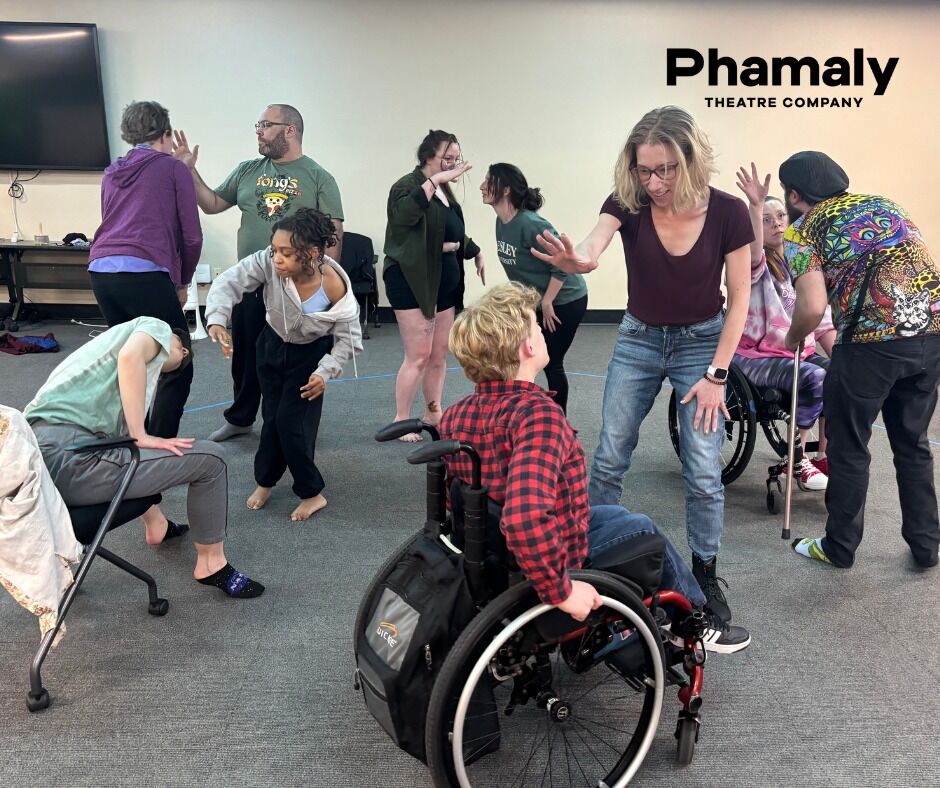
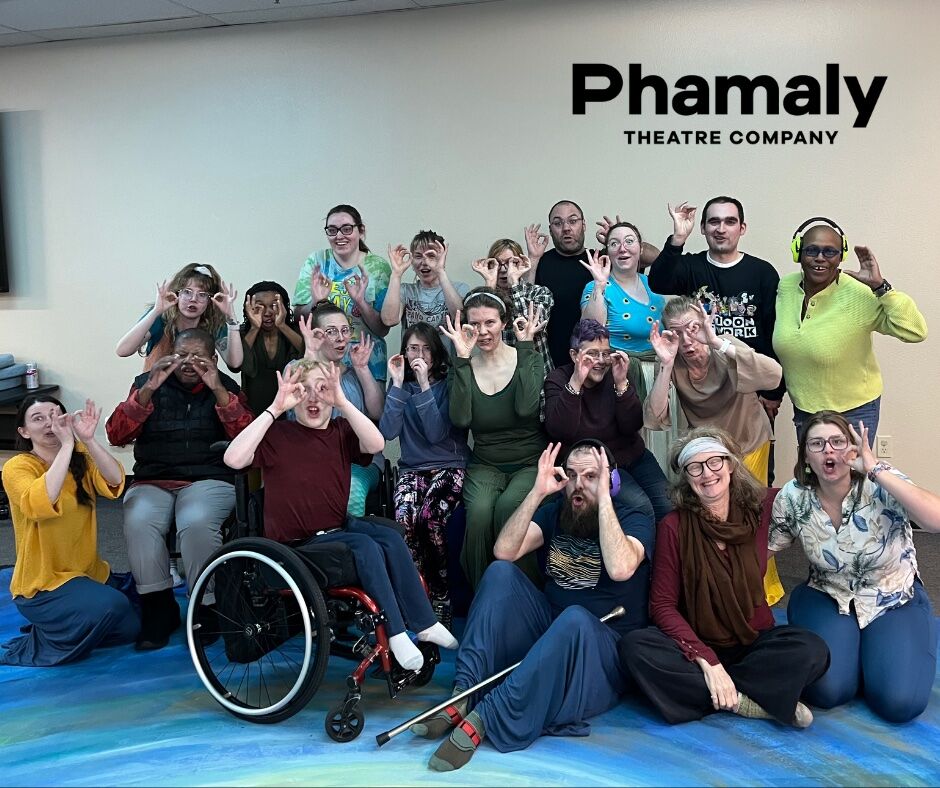
And yet, the NEA’s current total annual budget is only $207 million – or just 0.004% of the federal budget. But its funding is of critical importance to small companies like Denver’s disability-affirmative Phamaly Theatre Company.
“If the NEA goes away, it will be hard for companies like Phamaly to continue to serve a community that is already underserved at our present capacity,” Artistic Director Ben Raanan said.
A quick primer on how NEA funding disbursement works: When companies submit proposed projects that fit eligibility criteria for certain NEA programs, they are not simply issued a lump-sum check. Instead, they are offered binding contracts for gradual reimbursement of expenses up to a designated award amount. Think “pay as you go.”
For example, last May, Phamaly was promised $130,000 as part of a 2½-year NEA pilot program that included the addition of a full-time staff member and costs associated with its new stage production of “Pericles,” which opened Wednesday in Boulder and next travels to Colorado Springs and Aurora. It’s an adaptation of the Shakespeare play conceived in collaboration with London’s Flute Theatre as an interactive experience for people with cognitive disabilities.
The NEA paid Phamaly half of the contract in October. Now it says it will only reimburse Phamaly for costs incurred through May 31, effectively canceling the final 19 months of the pilot program. But with the project already launched and well underway, “I can confidently say that the money already has been spent,” Raanan said. Only now, Phamaly is on the hook to raise what remains unpaid by the NEA some other way.
Phamaly Managing Director Corrine Denny calls the NEA’s action “a punch to the gut” for the disabled community. Speaking of “Pericles,” she added, “It’s disgusting that they are trying to take this astonishing piece of human connection away from people who really struggle with human connection. But I am not going to let that happen.
“We’re in a tough spot, but we’ll be OK.”
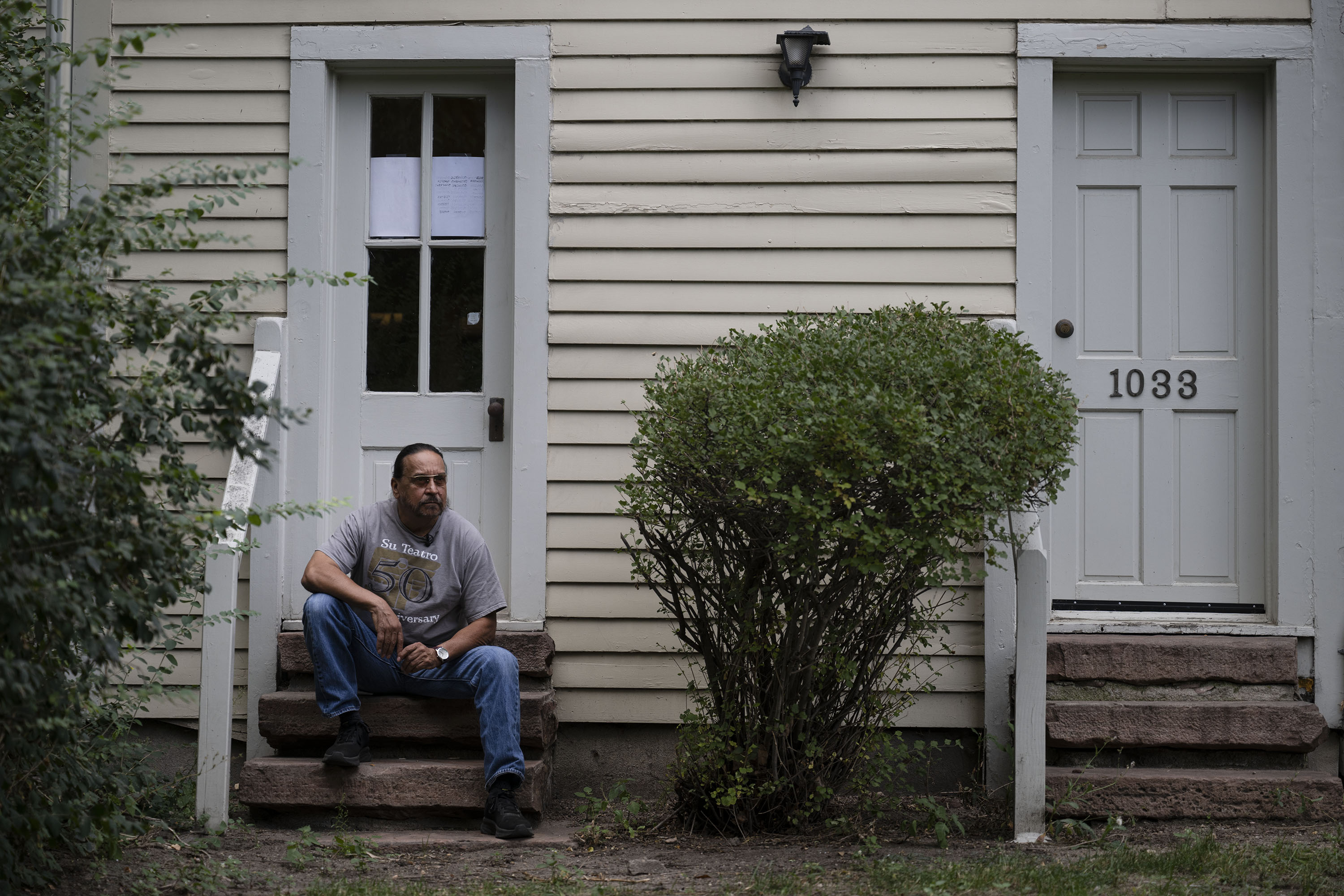
Denver’s Su Teatro was promised $15,000 to help pay for a special upcoming engagement of “Yankee Bajan,” a tale of assimilation and identity from U.S. playwright Linda Parris-Bailey scheduled for Sept. 18-20. Those funds were budgeted to house, transport and pay visiting performers from around the country and Barbados. For such special projects, said Executive Artistic Director Tony Garcia, “every penny becomes crucial.”
Adding irony and even more confusion to the already volatile situation is that, since its founding in 1965, NEA funding has almost exclusively – and necessarily – gone to local arts projects that specifically uplift underserved communities.
The point of “Yankee Bajan,” Garcia said, is to share stories across cultural lines, consistent with Su Teatro’s mission to advance mutual respect for other cultures.”
But, in his first week in office back in January, Trump issued a series of executive orders targeting diversity, equity and inclusion (DEI) programs in the public and private sectors.
Yet the NEA’s newly issued termination letters stipulate:
“The NEA will now prioritize projects that elevate the nation’s HBCUs (Historically Black Colleges and Universities) and Hispanic-serving Institutions, celebrate the 250th anniversary of American independence, foster AI competency, empower houses of worship to serve communities, assist with disaster recovery, foster skilled trade jobs, make America healthy again, support the military and veterans, support Tribal communities, make the District of Columbia safe and beautiful, and support the economic development of Asian American communities.”
So how are organizations supposed to comply with these new EDI directives that are clearly out of compliance with Trump’s own executive order banning funding for EDI?
It’s all as clear as a Hieronymus Bosch triptych.
Many nonprofit arts organizations quickly responded to the NEA’s termination letters with direct entreaties to supporters to make individual donations.
Even though “we would not have committed to this project without the NEA’s promise,” Garcia said, Su Teatro will move forward with “Yankee Bahan” “because plans for this project have been in the works for three years. Promises have been made. And, in contrast to that of the federal government, we would have to ask ourselves to consider the value of our word.” So the show goes on.

In December, Boulder’s acclaimed Motus Theatre was formally offered its eighth NEA grant — $35,000 to tour a new monologue series featuring adults who were incarcerated as youth. Now, poof.
Producing Executive Director Rita Valente-Quinn has two beefs with how it all has gone down. One is semantics: That the NEA now describes these grants as “tentative,” even though they had already been formally offered by the NEA, accepted by organizations and written into signed contracts.
More irksome to her is that Trump administration’s rationale for rescinding already approved and promised grants “is tied to a list of revised priorities that weren’t even introduced until the most recent grant cycle, which closed in April 2025.
“With or without NEA funds,” Valente-Quinn added, “Motus is committed to our vision and will premiere the monologues “Youth Behind and Beyond Bars” with musical responses from The ReMINDers a 7 p.m. Saturday, May 31, at the Boulder Public Library Canyon Theater.”
But then there is this …
Adding one more layer of confusion to the situation is that some organizations that were promised NEA grants this past year have received them, in full. Case in point: Warm Cookies of the Revolution, which calls itself “a civic health club,” was promised a $100,000 grant last May to support its “Future Town Tour,” consisting of multidisciplinary arts activities that encourage civic engagement in Leadville and other small towns in collaboration with the noted poet and performance artist Molina Speaks.
“No. 1, what is happening is screwed up, not cool, and it really negatively impacts lots of people in different situations,” Warm Cookies founder Evan Weissman said. “But also, it is important to note that we have received all of the funding that was promised to us – and I’m sure others have as well.”
The NEA money was supposed to be paid out in increments through the end of 2025. But Weissman greatly benefited from what he calls a “wink, wink, head’s up” he got from an NEA grant administrator just last month.
Weissman already had received two-thirds of his $100,000 grant when an email arrived in April that essentially said, in his words: “Hey, I’ve noticed that you have funds coming that you have not yet submitted for – and you might want to go ahead and do that right now.”
Wink, wink.
“So I submitted the next day, and the money was in our bank account within two or three days.”
What Weissman is saying is that was a $33,000 email from a benevolent NEA admin – because he now knows NEA payments are about to stop.
“So when an arts organization tells its supporters that their approved NEA grant has been withdrawn, I think it is important for people to ask them, ‘How much of your NEA grant are you not getting?’ It’s a fair question.”
Still, the bottom line is this: No one is getting anything if the NEA is eliminated.
In case you were wondering …
NEA funding is distributed according to a complicated formula that some call “the 60/40 split.” Sixty percent of the $4.2 million in NEA funding in Colorado for the year was designated for applying arts organizations like Su Teatro and Phamaly.

Forty percent goes to two agencies that trickle the funding down further: Creative West (formerly WESTAF), was given $2.53 million in the past year to spread around 13 Western states and three U.S. jurisdictions, and the state’s own arts office, Colorado Creative Industries ($1 million).
That money was promised a year ago, and that money was fully received and allocated, Creative West President and CEO Christian Gaines confirmed.
But with what just happened with the Trump budget proposal, “obviously, we’re in a different moment now,” he said.
“We are advocating nationally through a variety of different channels to try and save the NEA in some form,” said Gaines.