Primer: Denver Center is a little shop of homegrown musicals
JOHN MOORE

I get some variation of the question every time the homegrown Denver Center Theatre Company presents a Broadway musical. Right now, it goes something like this: “Why isn’t the national touring production of ‘Little Shop of Horrors’ being staged in the Buell Theatre?”
The answer: It’s not a national touring production. It’s a homegrown staging of “Little Shop” that’s being created right here, for Denver eyes only.
But the confusion is understandable. A quick primer is in order:
The Denver Center for the Performing Arts is big. It’s the largest non-profit theater organization in the country, depending on your chosen metric. And big means … big!
People often mistake the Denver Center for the land upon which it sits – the Denver Performing Arts Complex. The “Denver Center” is not a physical place. It’s a nonprofit business – an umbrella for six separate creative enterprises. There’s 1. A massive education wing that over 45 years has provided classes for nearly 3 million students. 2. A massive events wing that provides venues for every occasion. 3. A massive Broadway division that hosts national touring productions of (mostly) recent Broadway offerings in the Buell Theatre. Broadway is the sugar daddy that largely subsidizes all other Denver Center operations.
And then there are the Denver Center’s three homegrown theatermaking divisions: 4. Denver Center Cabaret self-produces small, fun musicals in the Garner-Galleria Theatre with local actors (like the current “Gutenberg”), while also hosting visiting productions (like the upcoming “Bluebird Improv” featuring Tim Meadows, May 16-18). 5. Off-Center is the adventurous programming wing that curates interactive experiences that target the young-adult demo (like David Byrne’s “Theatre of the Mind” freakout).
6. And then there is the branch that started it all back on New Year’s Eve 1979: The Tony Award-winning Denver Center Theatre Company (DCTC) has created more than 400 plays and musicals from scratch. More than a third have been world premieres. And, believe it or not, 56 of them – an average of more than one per season – have been musicals, or at least plays with music.
It might surprise some to learn that musicals have been a big part of the DCTC’s creative DNA from the very beginning.
“That is accurate,” said Chris Coleman, only the company’s fourth artistic leader in its 45-year history. “Even with the abundance of options that come through with the Broadway tours, the DCTC has long had an interest in breathing life into musicals.”
But that fact remains not widely known. Perhaps because about half of everyone who attends live theater anywhere in Colorado attends the Denver Center’s (mostly) fresh-from-Broadway touring musicals, according to data compiled by the Denver Gazette. Shows like the currently offered revival of “The Wiz” (through April 20), followed by “The Addams Family” (May 2-4).
So when people hear that a Broadway standard like “Little Shop of Horrors” is coming to the Denver Performing Arts Complex, it’s understandable if some assume it is going to be another visiting production. But “Little Shop” is a DCTC season offering that will be presented just down the archway from the Buell in the Wolf Theatre. And while the actors have been brought in from New York, the creative staff that has built the show are largely local artists employed by the Denver Center.
All I want is music, music ….
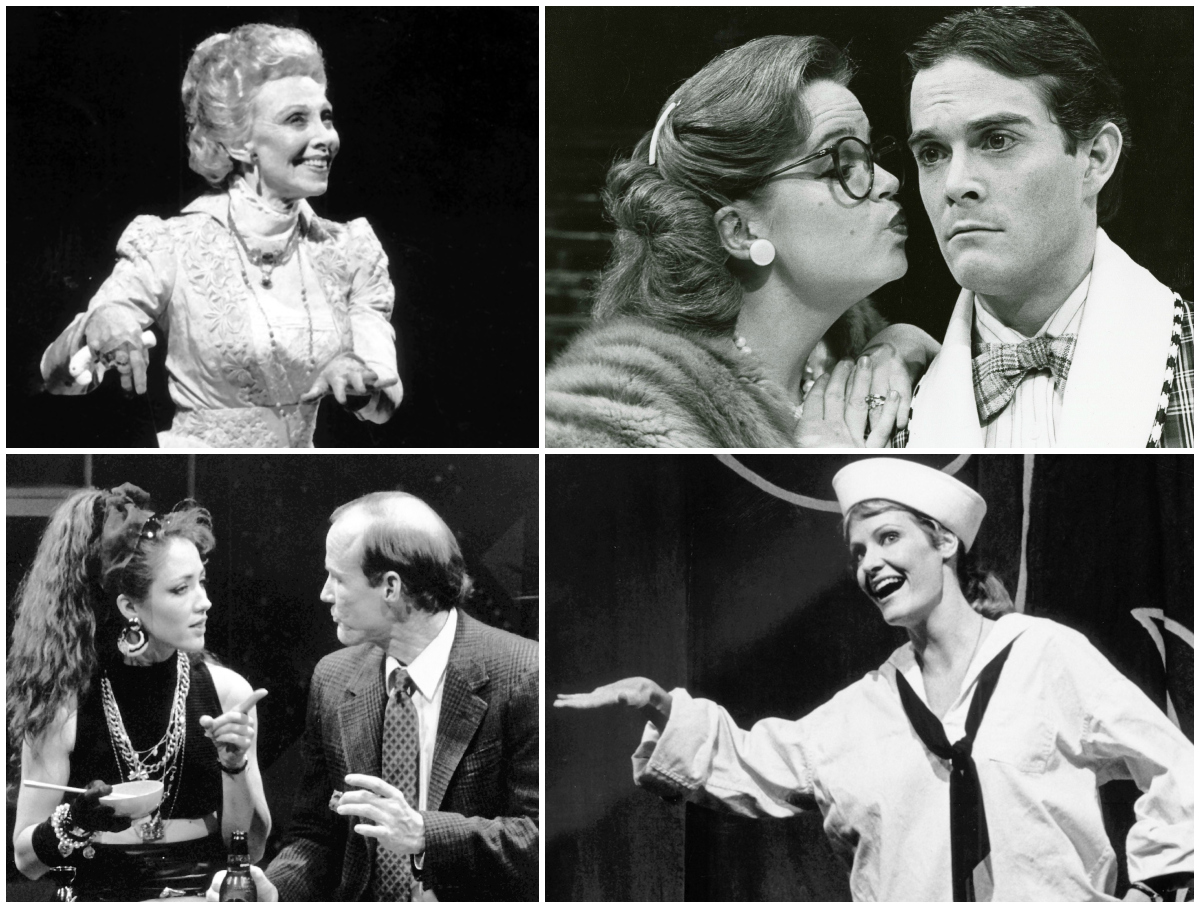
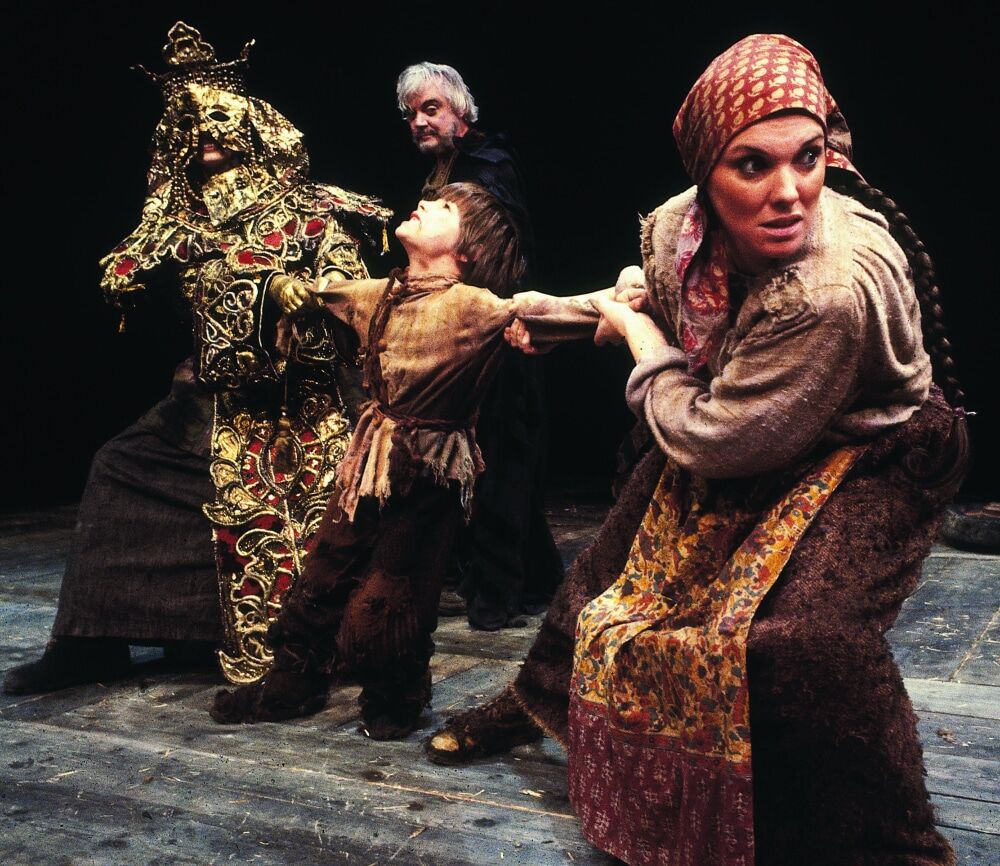
The DCTC’s debut production back in 1979 was a musically infused “The Caucasian Chalk Circle,” followed the next year by the traditional Broadway musical “How to Succeed in Business Without Really Trying.”
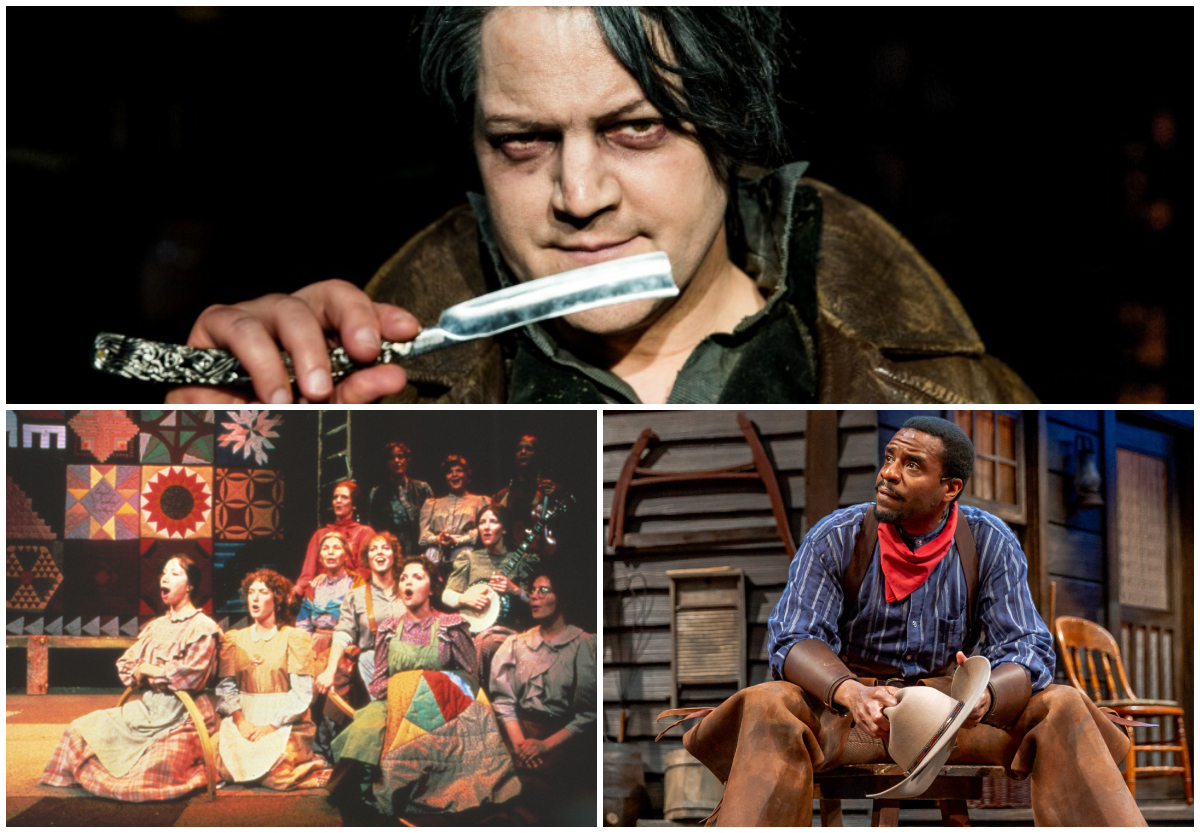
In 1982, the nascent company took a flyer on University of Denver theater major Molly Newman and her developing script about American frontier women. “Quilters” soon became the most produced musical in America. It only lasted three weeks on Broadway in 1984, but that was long enough to earn it six Tony Award nominations.
In those early days, the DCTC was all-in on big, Broadway musicals, largely because the company was building an audience base from scratch. Downtown then was sketchy. To tempt Denverites to come see its cutting-edge new plays, the company used Broadway spectacles as honey. In the span of 1986-89, they treated audiences to “South Pacific,” “Man of La Mancha,” “Guys and Dolls,” “Company,” “Carousel” and “A Little Night Music.” But they did it with a rebel spirit.
The DCTC made national news with its 1986 staging of “La Mancha” when librettist Dale Wasserman threatened to sue the company. He had found out legendary DCTC Artistic Director Donovan Marley was moving the story of an author on trial for his life from the Spanish Inquisition to a prison in present-day Nicaragua – complete with a hot-potato puppet-show prologue about U.S. involvement in Central America. That touched off a national debate among creatives over freedom of speech, and who owns a play – the playwright or the director?
Peace was declared and the show went on after Marley cut the prologue and agreed to have Don Quixote’s red, white and blue windmill repainted to a neutral color.
And this: Longtime company favorite Leslie O’Carroll, who was acting in her first-ever DCTC production at the time, could not play a nun who dies by rape. “One of the concessions was that I could no longer be raped – so they just kicked me to death,” she said with a laugh. “I could die. Just not through sexual violence.”
But times were tough for the DCTC in the late 1980s, and budget cuts put an end to producing big musicals that cost a lot more than they were taking in. After staging Stephen Sondheim’s “A Little Night Music” in 1989, the company would go 18 years before producing another Broadway musical. In 2007, new Artistic Director Kent Thompson staged the 1962 staple “A Funny Thing Happened on the Way to the Forum.”
The company did not abandon musicals altogether during the interim – just lavish Broadway ones. It shifted to developing new musicals that have proven to be popular around the country, like “Almost Heaven: Songs and Stories of John Denver.”
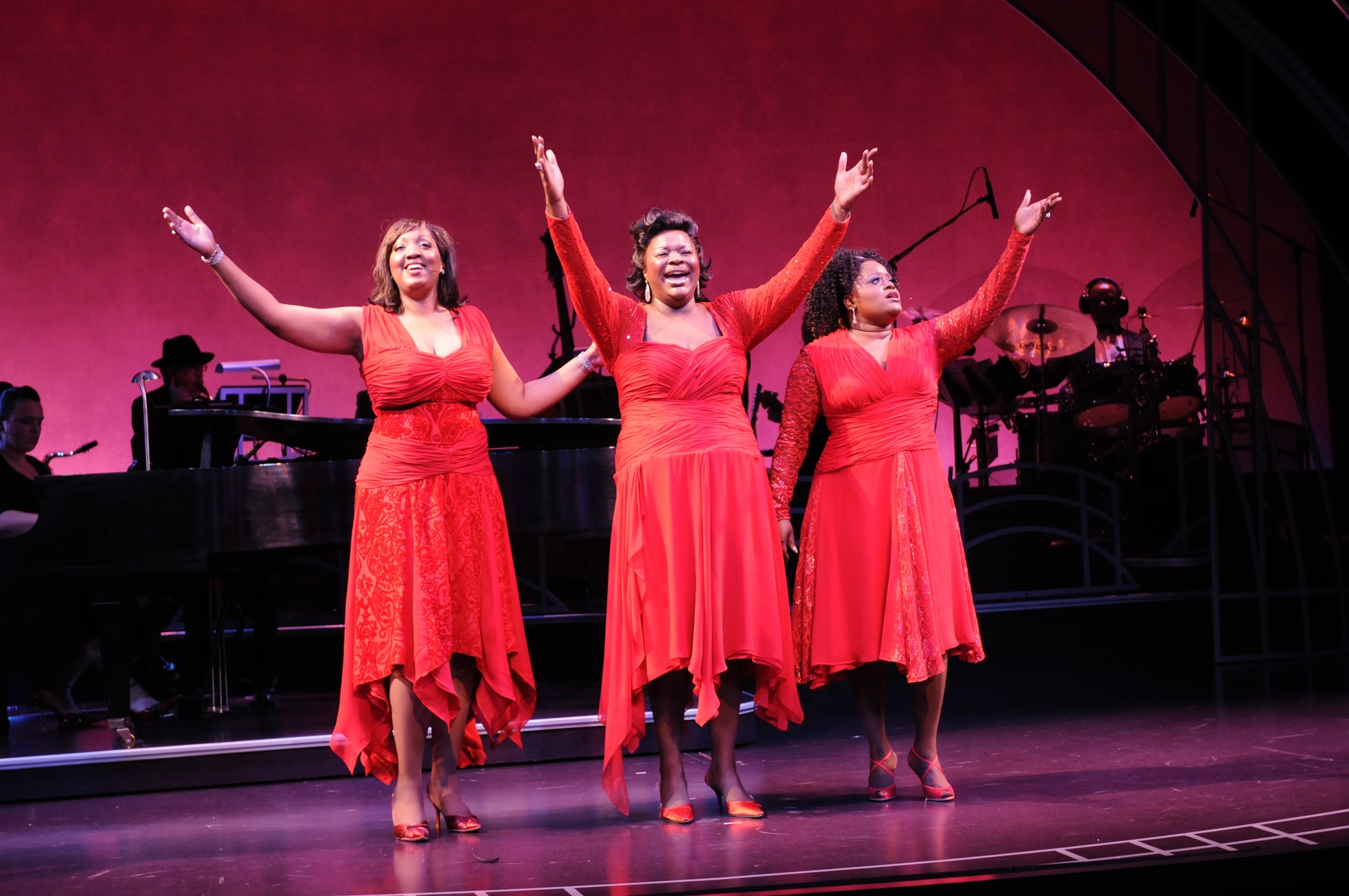
Company member Randal Myler and creative partner Dan Wheetman essentially created a new genre of populist musicals through the Denver Center. Some were biographies like “Love, Janis,” “Lost Highway: The Music and Legend of Hank Williams” and “Ring of Fire: The Music of Johnny Cash.” Others, like “Fire on the Mountain” (bluegrass) and “Mama Hated Diesels” (country) uplifted coal miners, truckers and other blue-collar heroes.
“Listen, all of Randal Myer’s musicals were fantastic,” said O’Carroll. “That’s what Randy knows how to do.”
He also knew something about saving money. He pioneered the idea that actors can also be your musicians, which made his musicals cost much less to produce. And they have been regularly staged around the globe ever since.
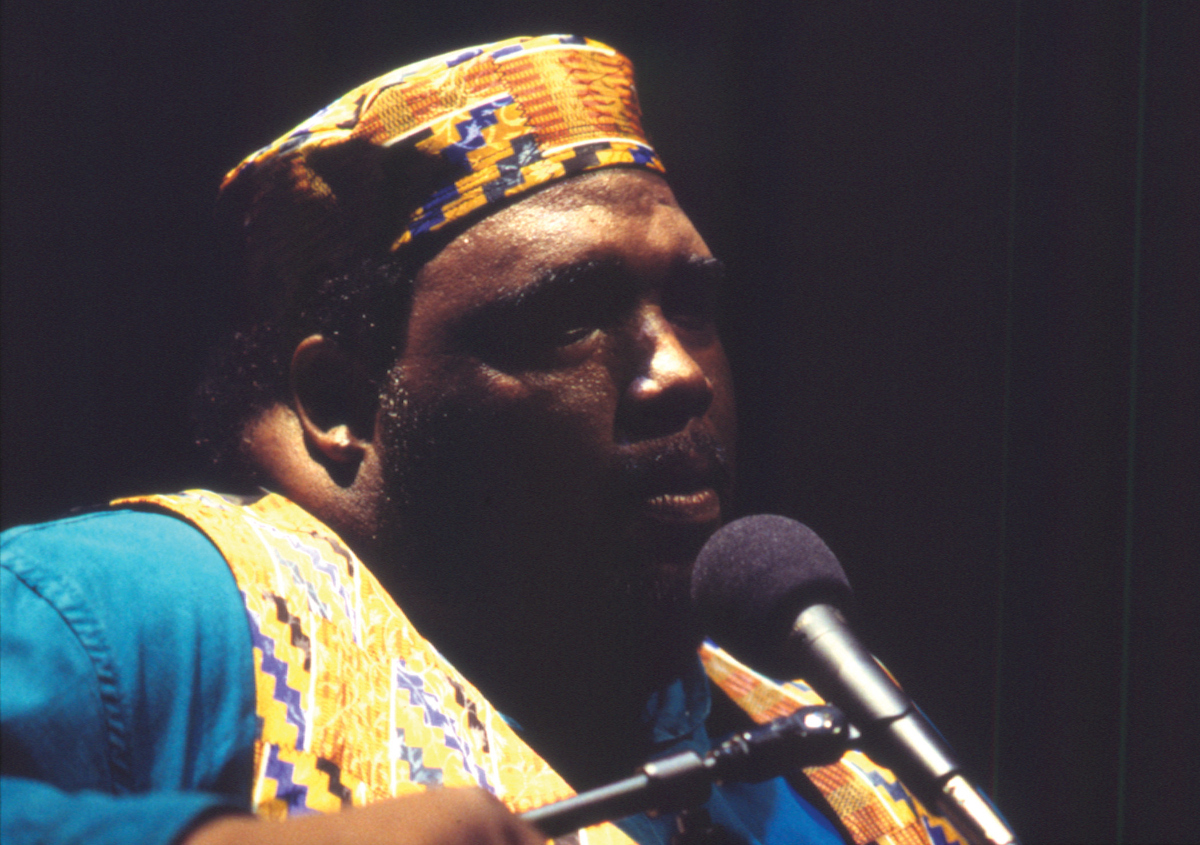
Myler’s biggest success actually sprouted from a 1994 Denver Center Education offering. Myler sent his collaboratively conceived “It Ain’t Nothin’ But the Blues,” which traces the history of the blues from Africa to today, to Denver-area schools before developing it into a full-length musical that Marley put on the DCTC’s 1994-95 mainstage season. It then played all around the country on its way to a Broadway run at the Lincoln Center, where it earned four 1999 Tony Award nominations, including best musical.
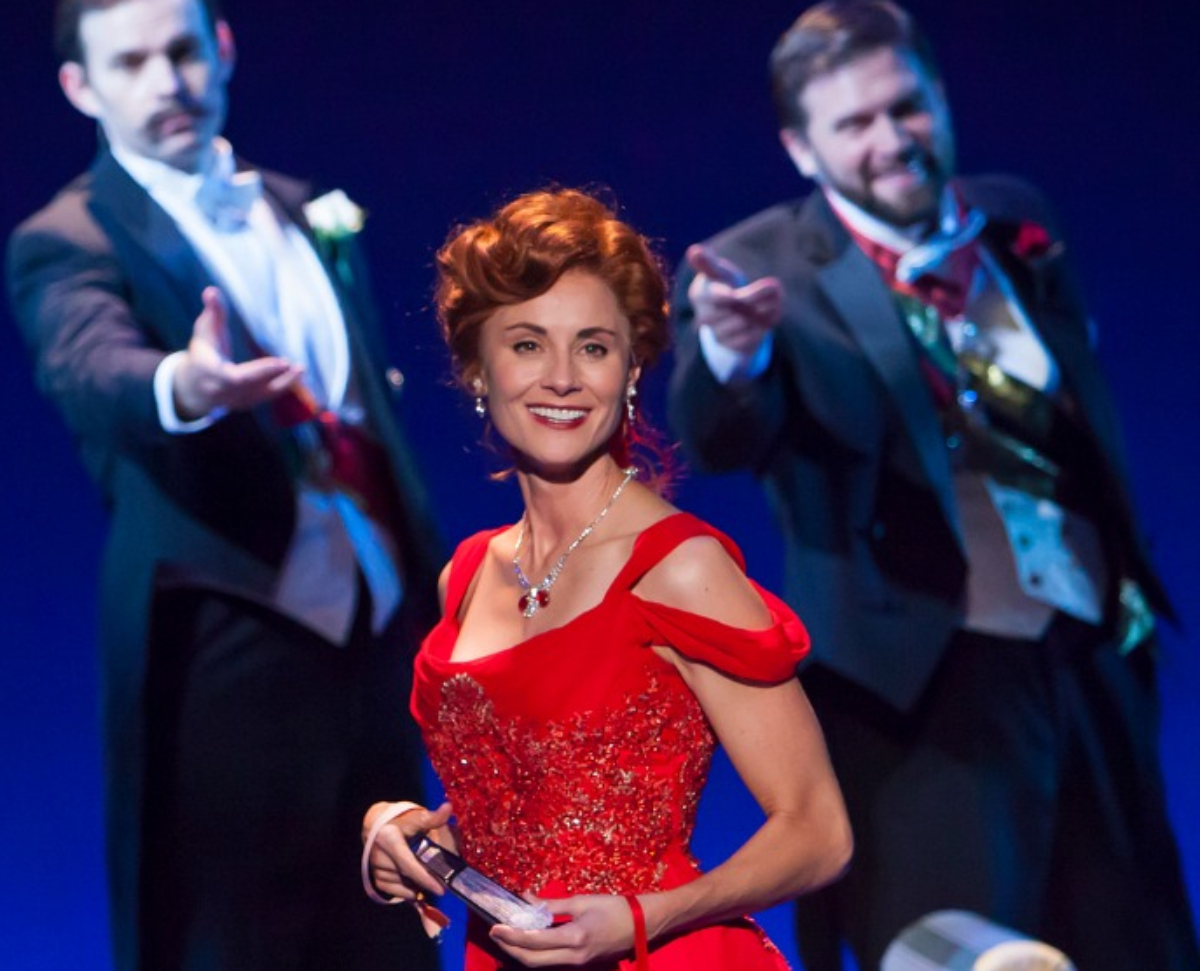
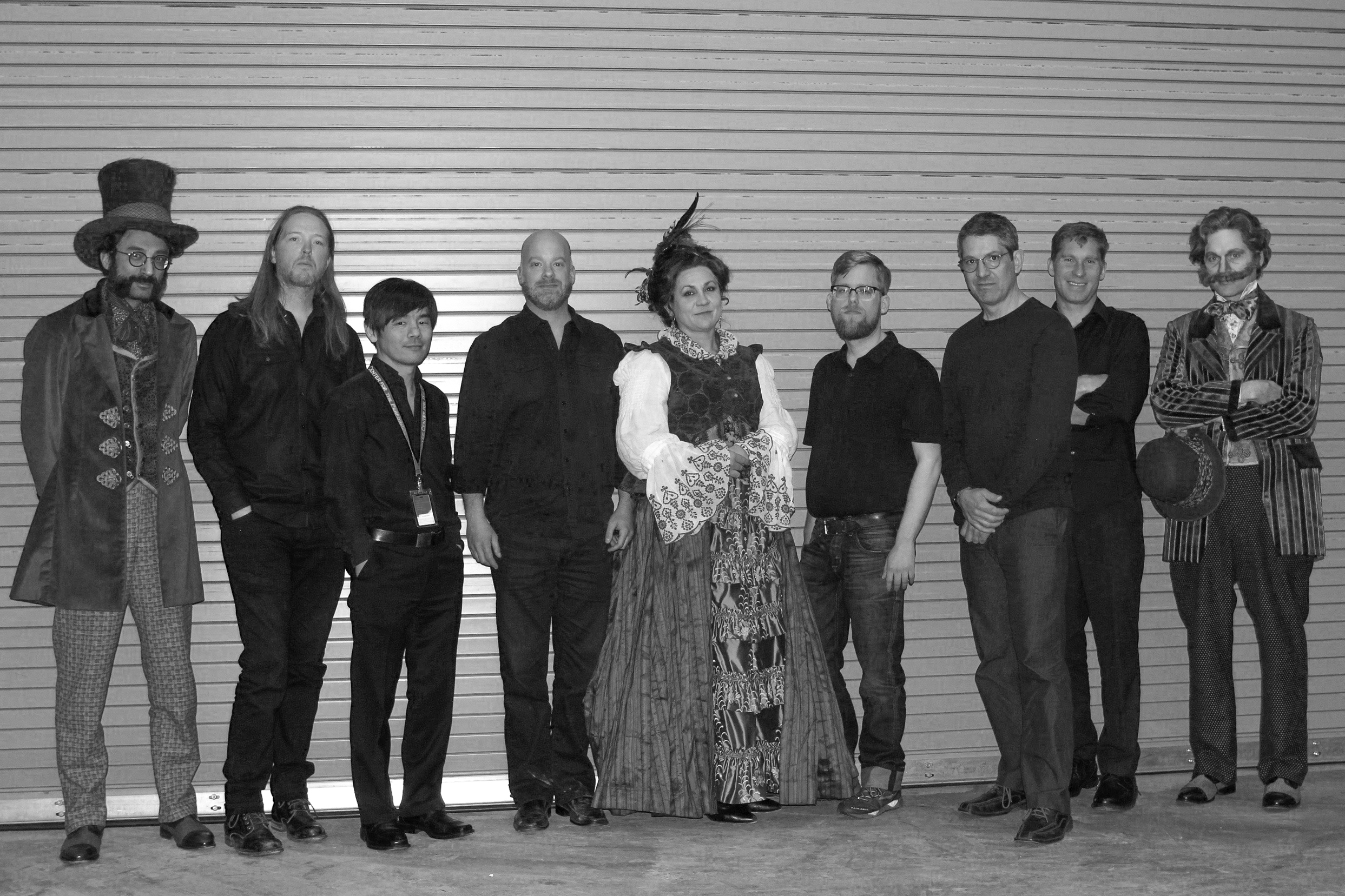
Thompson made a splash when he commissioned a re-examination of the popular but problematic 1960 Broadway chestnut “The Unsinkable Molly Brown.” After five years of development, the new “Molly Brown” bowed in 2014. It had just begun an off-Broadway run before a planned Broadway transfer in 2020 when the COVID shutdown knocked it flat. Starting in 2016, Thompson re-immersed the DCTC in its Broadway roots with spectacular productions of “Sweeney Todd” (with Denver band DeVotchKa reinterpreting the Sondheim score), “The Secret Garden” and “The Who’s Tommy.”
Since his arrival in 2018, Coleman has continued the trend, coming out of the box with an “Oklahoma!” set in an all-Black town, a rafter-raising “The Color Purple” and another go at “A Little Night Music.”
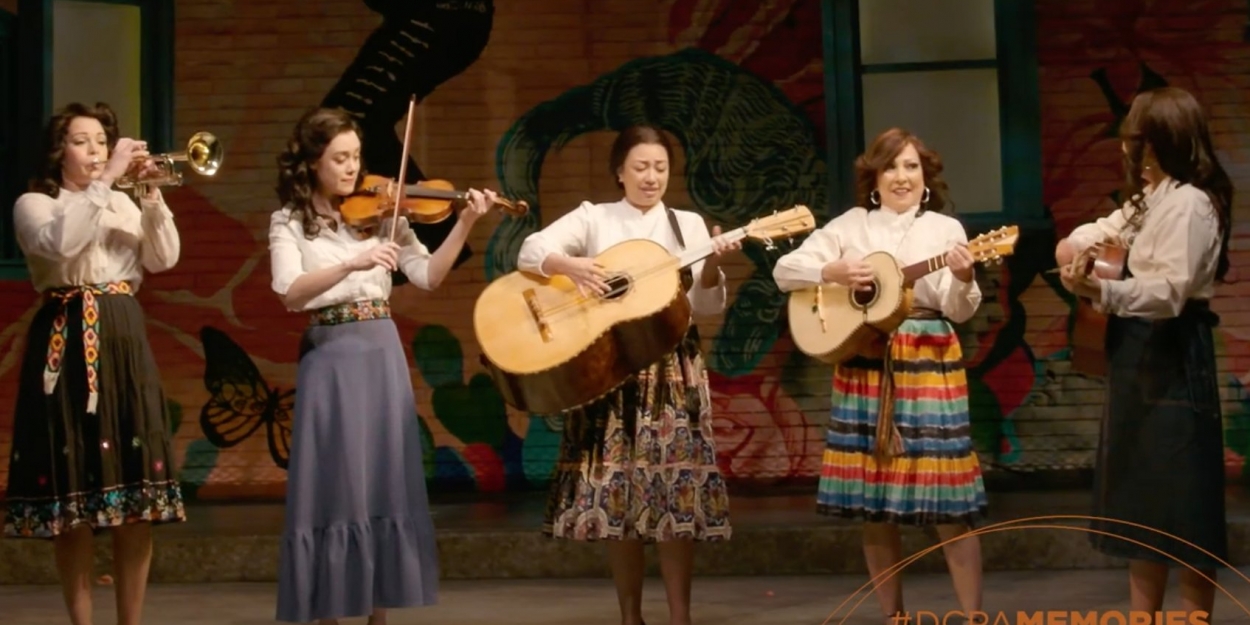
Coleman also took significant financial and creative risks in developing Neyla Pekarek’s Colorado-bred “Rattlesnake Kate” into a fully fleshed musical. Of those, Coleman said he feels a particular pride in presenting a singular new vision for “Oklahoma!”
“It was great fun to launch my tenure here with that big, American classic – seen in a slightly different fashion,” he said.
Feed me!
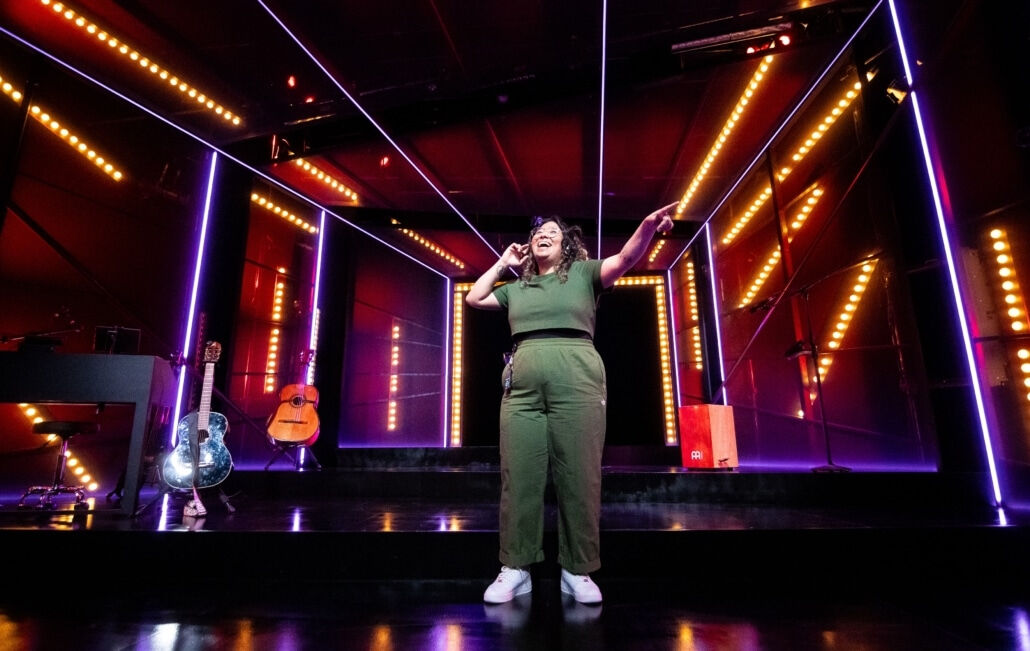
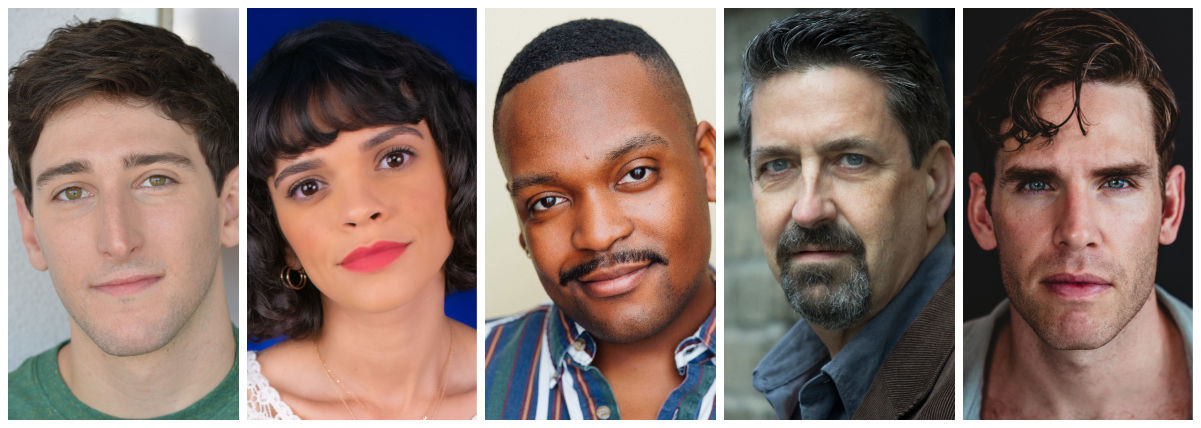
Which brings us to “Little Shop of Horrors,” a quirky stage adaptation of the classic horror film about an anemic botanist, a sadistic dentist and a plant that’s about to devour Denver. Coleman, who is directing, is fully aware of those who adamantly believe the Denver Center’s Broadway wing should be for musicals and the theater company should be for making “straight” (non-musical) plays.
“I sometimes get this feedback from subscribers,” Coleman said. “I love the passion folks feel around the subject.”
But the decision to cross those lines really comes down to two basic facts. One is that theatergoers, as a whole, prefer musicals to plays. Full stop. And at a time when arts organizations are swimming upstream to get attendance levels back to pre-pandemic levels, there is nothing wrong with giving people what they want.
(As long as you aren’t only giving them “what they want.”)
“Musicals still tend to drive greater attendance numbers than plays,” Coleman said, “so this is a wonderful way to reach more folks in the community. And personally, I grew up performing in musicals, so I just have a lot of affection for the form.”
O’Carroll thinks Coleman’s musical strategy makes perfect sense.
“I think Chris is smartly building his audience back after the pandemic,” she said, “and I think those are the titles that are bringing people in.”
Not just musicals, she added. “Fun musicals.”
The second basic fact is that size matters, and the smaller, the better. The Theatre Company presents its musicals in the Wolf Theatre, which was recently downsized from a capacity of 750 to 610. Now, if “Little Shop” were a touring production (and again, it’s not), you would be seeing it in the Buell, which seats 2,800. In St. Louis, it would be in a theater that seats 4,500. And if that were to be the case, O’Carroll said, “you are not going to have the same audience experience.”
No one who sees “Little Shop” in the Wolf will be more than 13 rows from the front of the stage.
“I think there is something wonderful about experiencing musicals in a more intimate setting than the touring houses can accommodate,” Coleman said.
“The superpower of the DCPA is that you can find so many different kinds of experiences all in one place.”