Time warp: Director returns to fated Esquire of his youth to screen debut film | John Moore
Three generations of one family who walked to beloved theater as kids will be in attendance


In 1938, 7-year-old Marcia Strickland held tight to her babysitter’s hand as they walked to the Hiawatha Theater at 6th and Downing to watch the latest episode in the popular pre-TV serial “The Lone Ranger.”
In 1968, Marcia’s 10-year-old daughter, Kate Bermingham, made the same walk to the same theater, renamed the Esquire back in 1942, to see the Beatles’ trippy “Yellow Submarine” with her older brother.
And in 2000, Kate walked her 8-year-old son, Nelson, and his siblings the six blocks from their home on Humboldt Street to see “Himalaya,” a heartbreaking family film from Nepal that was nominated for best foreign film that year.
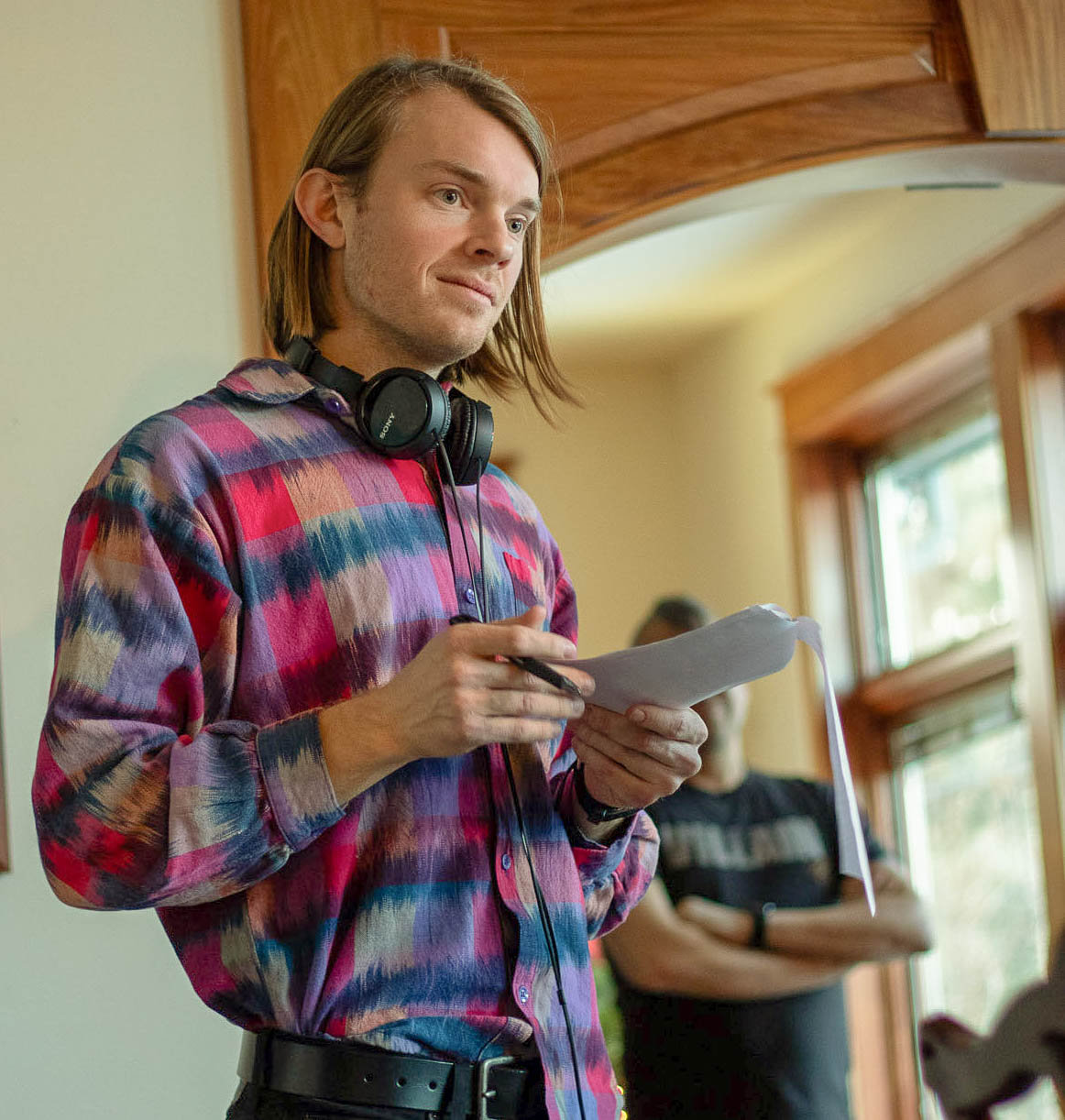
“I remember that it felt like such a trek to get there,” said Nelson, now a 32-year-old Los Angeles filmmaker officially known in the Hollywood registry as H. Nelson Tracey. “It seemed like such an odd thing for the family to be walking to the movie theater,” he said. But he now sees it as the very thing that made it cool: A nod to a bygone era of neighborhood and community.
“Our family drove past the Esquire on the way to our house every day,” he said. “It had an allure and a mystique about it for as far back as I can remember.”
“Himalaya” was the first film Tracey ever saw with subtitles – at age 8! – and the first of more than 60 films he would see at the Esquire over the next decade. They were the formative popcorn years that made his path to becoming a professional filmmaker inevitable.
Tracey’s parents gave their son a video camera for his 12th birthday in 2004. Not for making home movies, mind you. For making movies, young Spielberg-style.
“The first movie I ever made is called ‘Tooths,’” he said. It was a spoof of “Jaws,” filmed on location on a family trip to Cape Cod – and all his siblings acted in it. “We had a shark fin made out of cardboard and duct tape,” he said. “And my younger brother, who was 4 at the time, played the fisherman trying to catch the shark.”
Eat your heart out, Robert Shaw.
Fast forward 20 years, and Tracey is coming home to the Esquire one last time, for a special screening of his directorial film debut – a romantic comedy he also wrote called “Breakup Season” – at 7 p.m. Wednesday, June 19.
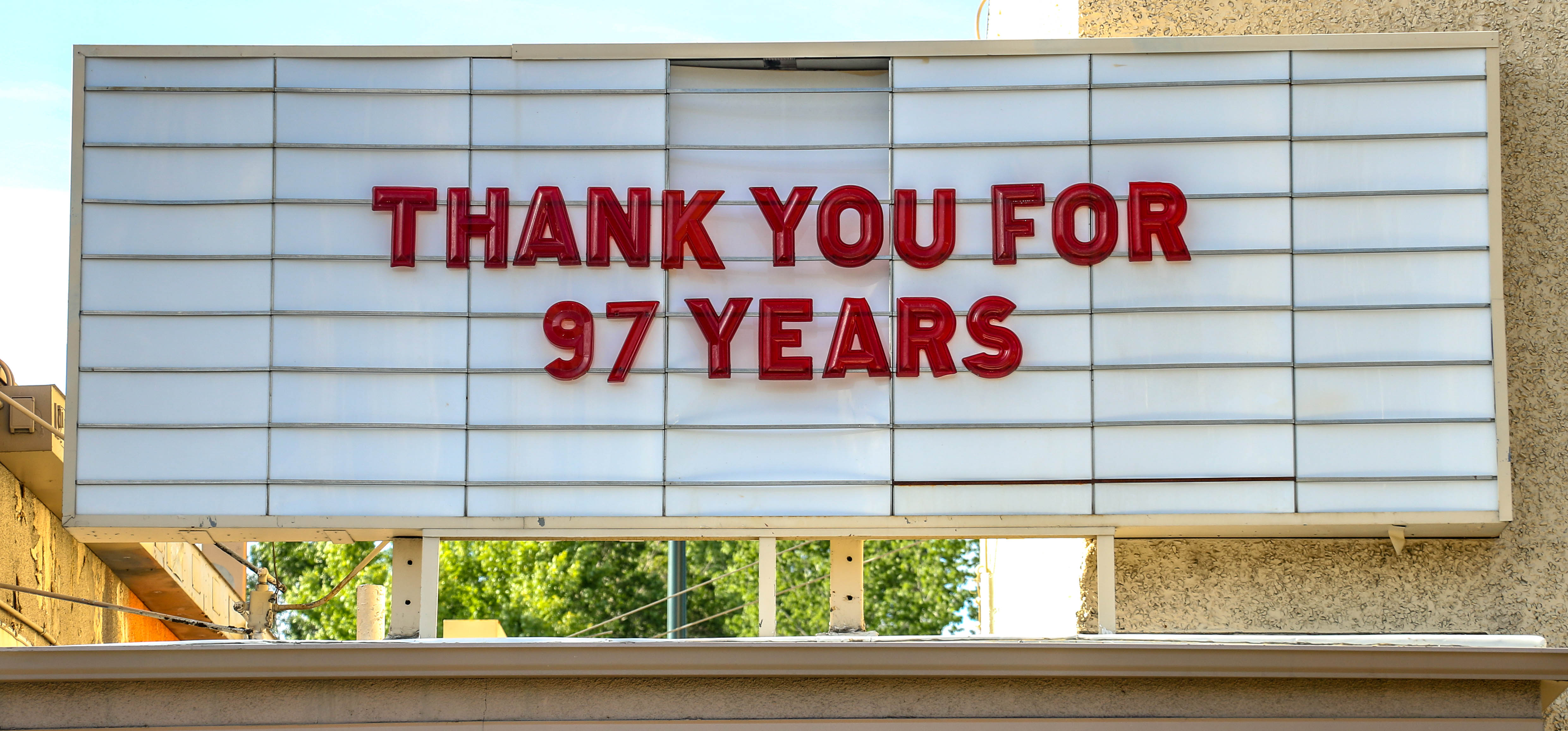
Landmark Theatres announced in March that owners Sam Leger and Tim Finholm, who bought the Esquire for $2.1 million in 2021, will soon repurpose the building for upscale office, restaurant and retail uses. Landmark’s lease is up on June 30.
After 97 years, another big piece of Old Denver is running out of time. And when that word reached Tracey in L.A., the sentimental storyteller scrambled to adjust the rollout of his new film, which is already making the film-festival rounds in the hope of a national distribution deal in the fall. He called the Esquire and booked it.
“Once I found out the Esquire was a finite thing, I felt like I owed it to my childhood self to play there one last time,” he said. And what better way to play than to premiere for Colorado audiences a film that is largely informed by everything he saw and absorbed as a kid at the Esquire?
We’re talking “The Motorcycle Diaries.” “Nicholas Nickleby.” “The Darjeeling Limited.” “Wild.” His first midnight movie was a re-release of “The Pirates of the Caribbean” and – after turning 17 – the first of at least 10 late-night screenings of “The Rocky Horror Picture Show.”
“I remember, as a kid, my mom would be like, ‘Oh yeah, “Rocky Horror” is the movie where they throw rice at the screen’ – and immediately I was like, ‘I have to see this movie,’” Tracey said.
If you know, you know: “Rocky Horror” is often performed with a “shadow cast,” meaning with live, costumed actors mirroring their film counterparts from in front of the screen. The audience calls out signature lines. It’s one big party. Tracey later performed in a shadow cast himself during his college years at Chapman University, a top film school in Orange, Calif.
Back in 2008, young Tracey saw lines wrapped around the block to see soon-to-be-named Best Picture “Slumdog Millionaire.” “I remember looking out the car window and thinking, ‘How cool is that?’” he said.
The next year, the film that imprinted itself in his head forever was “500 Days of Summer,” starring Joseph Gordon-Levitt and Zooey Deschanel. That’s the nonlinear story of a young man reflecting on a failed relationship. At the time, Denver Film hosted a series offering sneak peeks at big-buzz films. “It was a full house,” Tracey said. “The air conditioning was broken, so it was hot as hell. But man, that movie was a huge influence on my new film.”
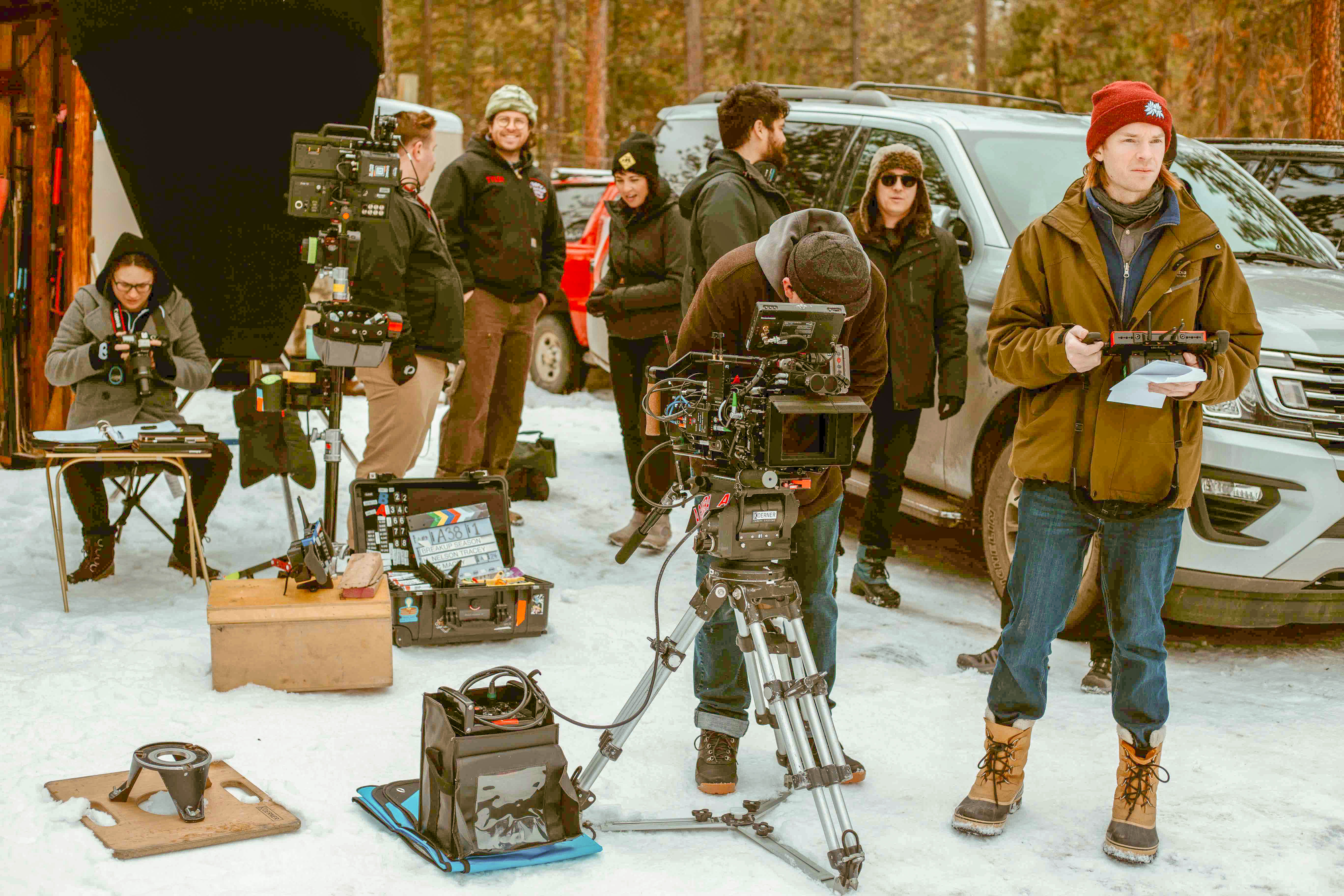
“Breakup Season” is an independent feature starring Chandler Riggs (“The Walking Dead”) and Samantha Isler (“Captain Fantastic”). It’s about a young man who brings his girlfriend to his rural hometown in Oregon to introduce her to his family at Christmas – but things don’t go as planned.
“I feel like there are a lot of movies about romances in high school and college – and most romcoms take place with people in their 30s, when people are generally getting married,” he said. “But I wanted to tell a story about breakups in that early 20s window where you’re out of college, but you’re not quite on your own two feet yet. That’s a time when relationships are really unstable. And that’s where the birth of this movie came from.”
The very first review of “Breakup Season” drew a direct comparison to “500 Days of Summer,” which Tracey took as the highest compliment. “That’s the movie that had the biggest influence on my writing, and my storytelling tendencies – and I saw it with a packed house at the Esquire.”
On June 19, “Breakup Season” will become the final movie ever to make its Colorado premiere at the Esquire. He calls the evening “a manifestation of a lifetime of studying film, starting at the Esquire Theatre.”
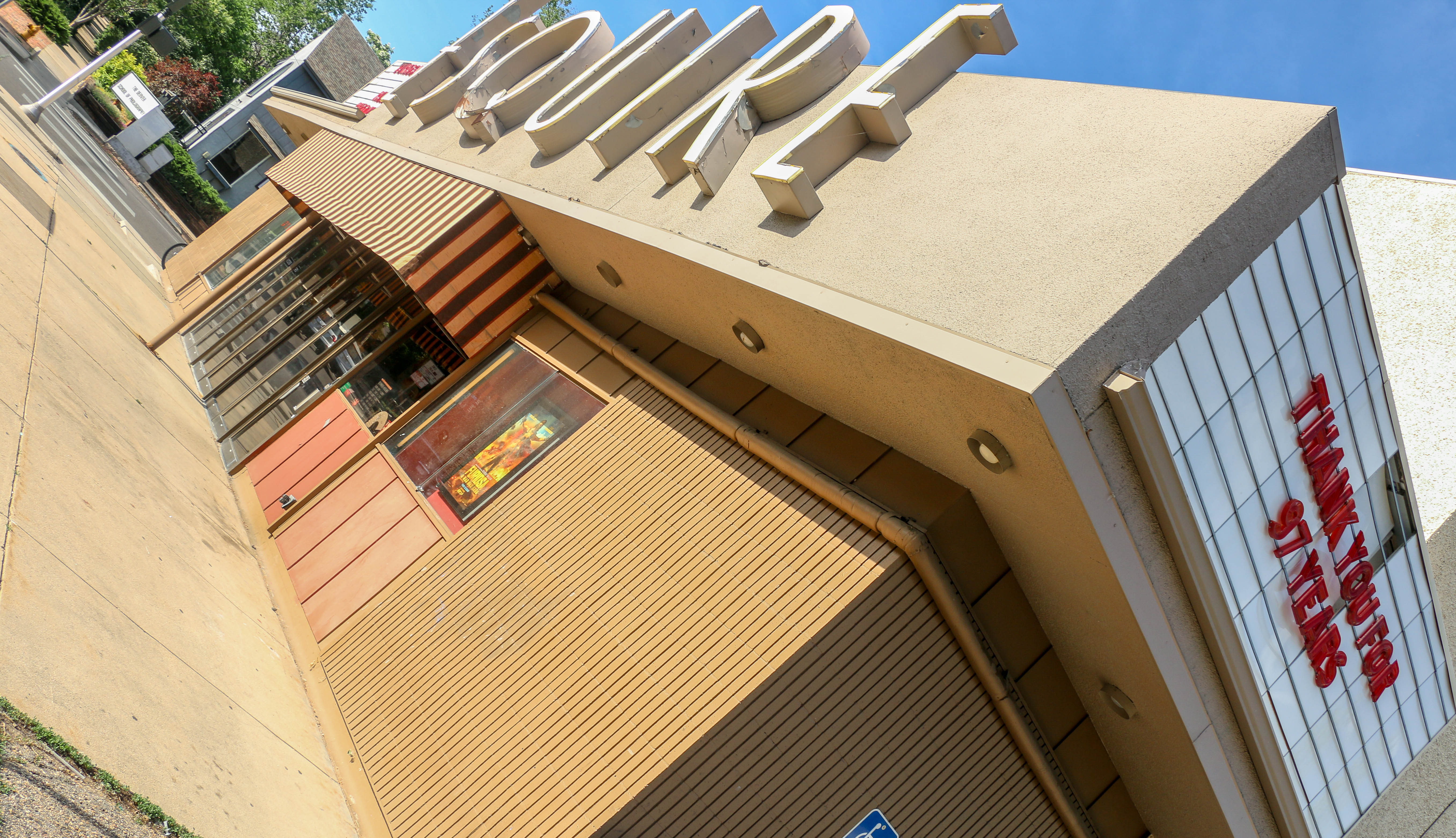
We all know why the Esquire Theatre is closing. It has been happening incrementally for years: There was the flood that temporarily shuttered it in 2018. The pandemic that shut it down for far longer – when streaming became the preferred way for families to watch movies. The labor strikes that followed.
But this story is about more than the death of the Esquire. It’s about the overall post-COVID decline of the neighborhood movie theater as a cultural way of life. A recent AV Club essay predicted that as many as 40 percent of all movie screens will be gone in the next eight years.
This week, the franchiser for the Alamo Drafthouse in Dallas filed for bankruptcy and closed all five locations after what the Alamo CEO called “the worst-performing quarter in moviegoing history.”
To Tracey, “It all feels like a canary in a coal mine with all of these things that are happening,” he said. “It goes without saying that movies play better in a theater, and that seems to have been lost on everyone in favor of watching movies at home.”
That has Tracey thinking of all that is being lost on a larger scale.
“If you know the history of Denver, you know the Esquire isn’t the only historic site that is just being wiped out,” he said. “The plans for The Esquire make me really disheartened. It’s going to be replaced with something really generic that adds no value to the neighborhood and does nothing for the community as a whole. Losing places like the Esquire is a travesty that takes away a lot of the fabric of what gives the neighborhood its character.”
Tracey takes some comfort in knowing that the Landmark’s sister theaters, notably the nearby Mayan and the Chez Artiste further south, remain open, making it possible that young people might still have the kind of bonding arthouse experience that he had when his mom took him to the Mayan to see “Brokeback Mountain,” Ang Lee’s landmark story of two cowboys who develop a sexual and emotional relationship on the Wyoming plains.
Tracey is not gay. That’s not the point. The universal power of film is.
“As a 13-year-old straight kid, wanting to go see ‘Brokeback Mountain’ was not a popular decision, especially in 2005,” Tracey said. “My mom was anxious about letting me see an R-rated movie that was about gay cowboys. But I pushed her so hard to let me see that movie, and she conceded.” They watched it together in one of the upstairs theaters.
“Ah, (bleep), now I’m crying,” Tracey said, followed by an “I’m sorry.” He had no reason to be. I asked him why he thought the film affected him so deeply, since it wasn’t his story. It starts with having a grandfather from Wyoming. It ends with the power of Ang Lee. And in between?
“I still can vividly recall just the grippingness of the story,” he said. “That movie helped normalize the conversation about not being straight. And Heath Ledger gave one of the greatest performances in film history.
“I can still remember the hug I gave my mom right after that showing. I can’t explain to you the level of love that I have for that movie and the role that it played in my filmmaking style. Independent films can have that impact on people – and the fact that I went with my mom only made it all the more special.”
On June 19, all three generations of Tracey’s family who grew up walking to the Esquire Theatre will be on hand – including Marcia Strickland, the now 92-year-old grandmother who first visited at age 7 in 1938. Also his mom, dad, siblings and a lifetime of Colorado friends made along the way, all most likely filling the 275 seats in the main auditorium.
“I get so emotional just even thinking about it,” he said. “I’m looking forward to us all experiencing the film together because I think the humor lands really well in a crowd – and the big, titular scene always happens in pin-drop silence. It’s that palpable feeling of a shared experience that makes moviegoing so special.”
It’s a full-circle moment for Tracey, whose first nine years in the film industry have primarily been working as an editor on documentaries. Like the very first one he ever saw, when his dad took him to see “Touching the Void” at the Esquire in 2003.
“And to think, now I have a career in documentaries,” he said incredulously. “It’s just wild that an independent movie theater called the Esquire planted a lot of the seeds in me that are just really starting to take shape decades later.”