Colorado scientist scandal echoes nationwide cases of misconduct and overturned convictions
The type of scandal at Colorado Bureau of Investigation’s forensic lab has been seen before.
In Massachusetts and Oklahoma crime labs, scientist misconduct ultimately triggered tens of thousands of overturned convictions and the release of an innocent man from death row. One man may have been wrongly executed, as well.
And while not identical to what is happening in Colorado, the similarities are striking as Yvonne Woods, once CBI’s most esteemed forensic scientist, who now stands accused of more than 1,000 irregularities, including manipulating data, skipping steps, and failing to analyze evidence.
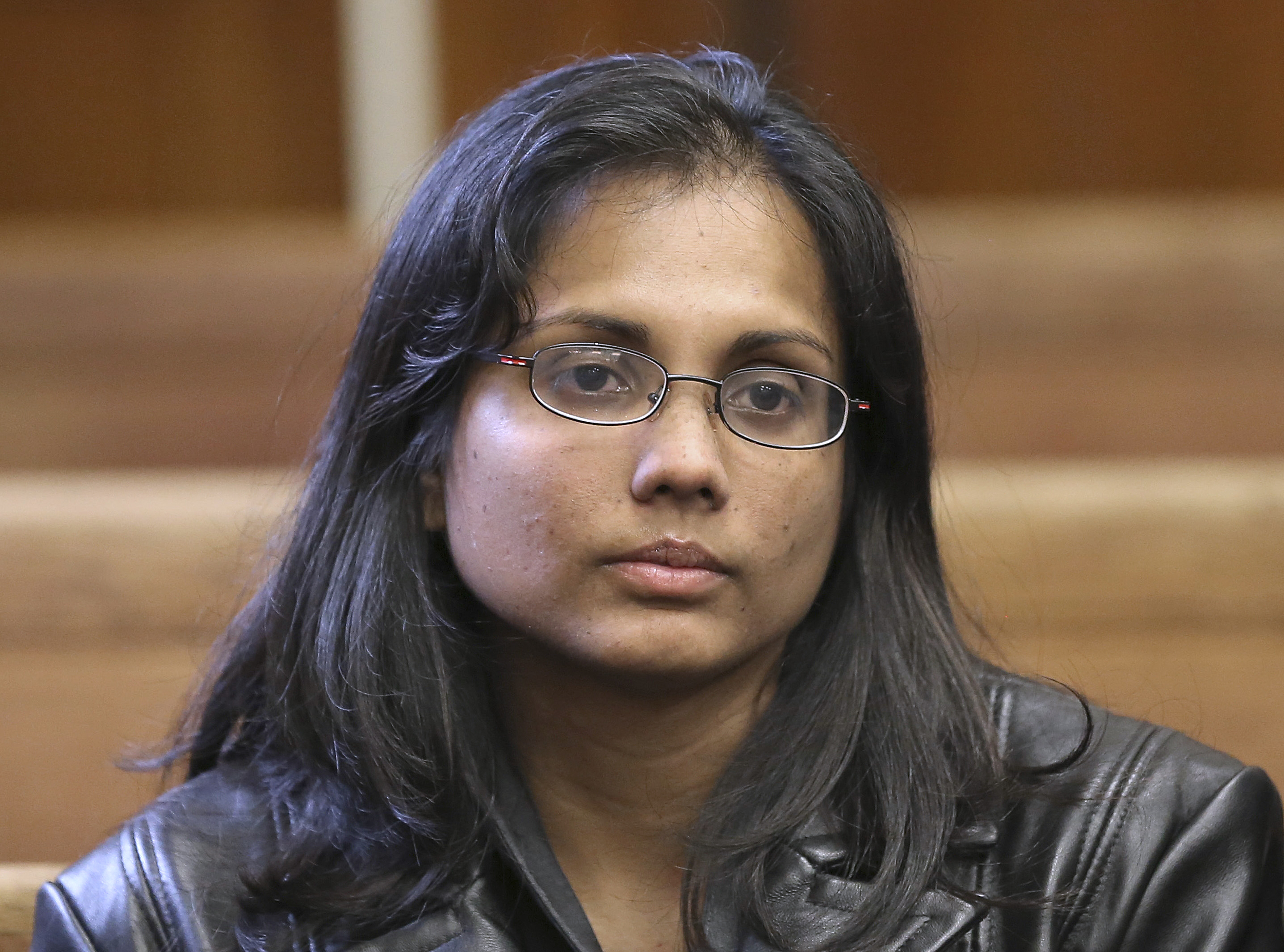
In late 2012, another top scientist — Annie Dookhan at the William A. Hinton State Laboratory in Boston — was charged with evidence tampering, perjury and falsifying records.
Once lauded by supervisors for her productivity, often seemingly completing five times that of others in the drug lab, Dookhan admitted that she altered or faked results in thousands of drug cases to cover up a practice known as “dry-labbing,” where she simply looked at samples and logged results rather than testing them.
She served three years in prison in a plea deal. It was later revealed that red flags were ignored.
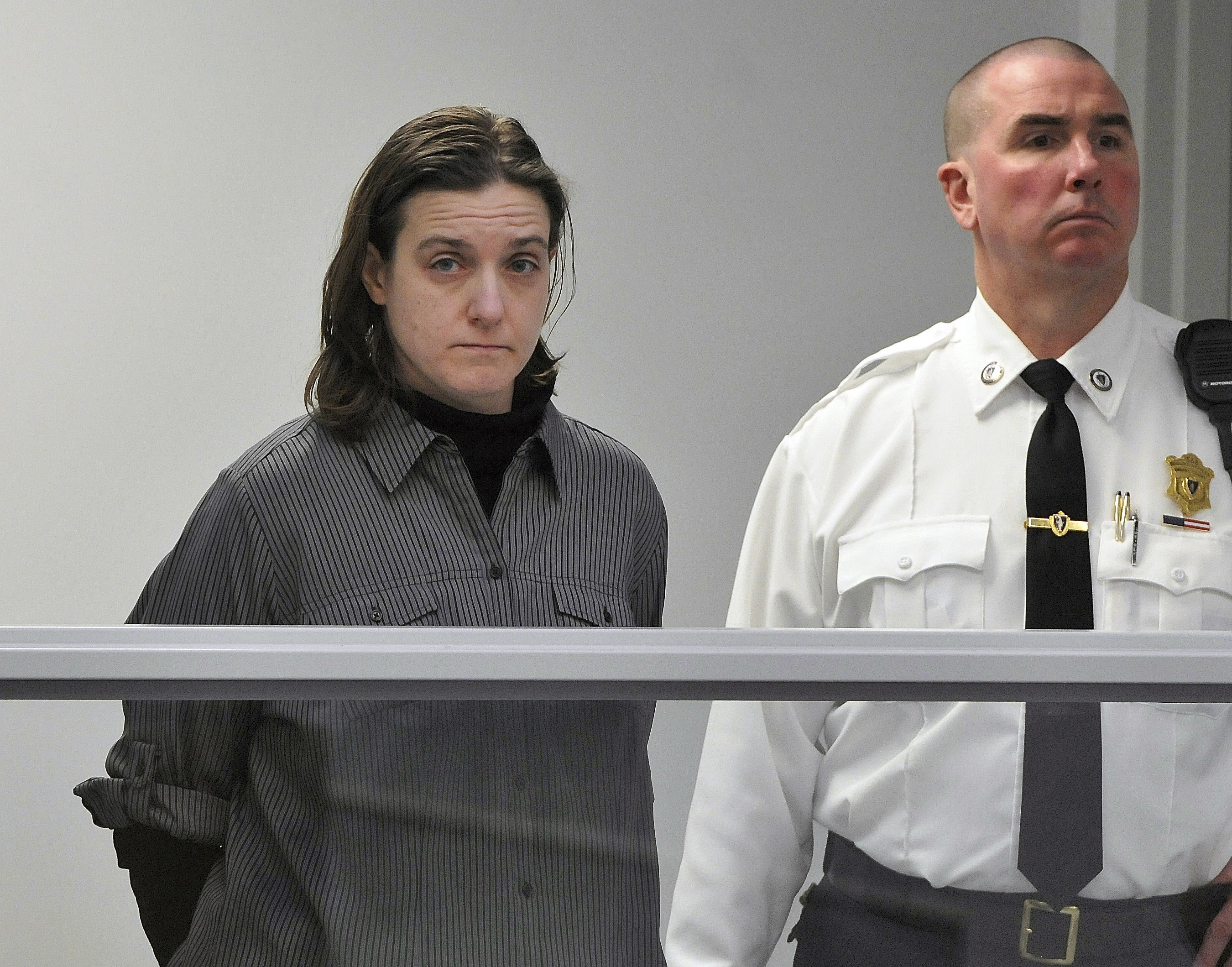
Simultaneously, across the state in Amherst, another analyst, Sonja Farak, who would admit that she was a drug addict, was accused of skimming drugs from lab samples and stealing evidence she was supposed to be testing.
Farak later said she started with small amounts of methamphetamine and then moved to cocaine and smoking crack, sometimes 10 to 12 times a day, for most of the nearly 10 years she worked there. She was arrested in early 2013 after a co-worker noticed samples missing from evidence.
She pleaded guilty to two counts of tampering with evidence and served 18 months in prison.
The double-barreled scandal took a massive toll: More than 38,000 drug cases were overturned, the state lab in Boston was shut down, the head of the Massachusetts Public Health Commission resigned, and two assistant attorneys general in the Farak case were disbarred for intentionally withholding evidence to limit the scope of the wrongdoing.
Years before, in 2000, Joyce Gilchrist, a forensic chemist at the Oklahoma City police crime lab, was accused of altering or destroying evidence and giving false testimony at trial. She, too, was considered a star for her productivity and for her ability to draw conclusions from evidence that no one else could, typically to benefit prosecutors.
Gilchrist was fired in 2001 but was never criminally charged and denied any wrongdoing. She died in 2015.
But the reverberations echoed for years and led to conviction reversals and prison releases, including that of Curtis McCarty who was freed from death row in 2007. Based on Gilchrist’s testimony, McCarty was convicted of a 1982 murder he said he did not commit. It was later learned Gilchrist intentionally changed her notes and then destroyed evidence in the case.
Questions also emerged in the Malcolm Rent Johnson case, who was sentenced to death for the 1982 rape and murder of an elderly woman. Gilchrist testified that the semen found in the victim’s bedroom was consistent with Johnson’s blood type. He was executed in January 2000, just before the scandal broke.
Laura Schile, who started work as lab supervisor in 2000, told The Denver Gazette she immediately had suspicions about Gilchrist’s work. She, along with three other scientists at the lab, reviewed the Johnson evidence and found no sperm was present.
Schile said she shut down the lab for a few months, as more irregularities were uncovered, and she called the FBI to help investigate. In addition, she asked an outside lab to look at the work of all analysts, not just Gilchrist. She also kept defense attorneys in the loop.
It was all needed, she said, to fully understand the scope of the problem. Now living in Arizona, she left the Oklahoma City lab after she said she was threatened with reprisal.
Luke Ryan, the Massachusetts defense lawyer, whose clients were caught up in the Farak case, told The Denver Gazette that misconduct in labs is more widespread than most people suspect. “It’s really distressing,” he said, “For every one that comes to light there are many more that we never know about.”