Are Colorado’s 2 biggest cities headed toward a ‘Doom Loop?’ | Vince Bzdek
When Mayor John Suthers exited office in Colorado Springs recently, he said the thing that keeps him up at night is the prospect of the city becoming another San Francisco, Seattle or Portland. “Look at Seattle today, they are spending a billion dollars a year on homelessness. They have nothing to show for it.”
New Mayor Mike Johnston of Denver said something similar in an interview, that one of the biggest risks Denver faces is “a Doom Loop” like the one threatening San Francisco, in which increased homelessness, crime and remote work drive businesses and individuals out of downtown forever.
A Wall Street Journal article in the past few days made the point that downtown San Francisco’s economic health is now worse than nearly every other major urban center. Its 25.7% office vacancy rate is close to 10 percentage points higher than the U.S. vacancy rate of 16.4%, according to commercial real-estate firm Colliers International.
“Retailers like Nordstrom and Banana Republic have announced in the past few months that they are closing their downtown San Francisco stores,” the Journal wrote. “The owner of the city’s biggest mall, located downtown, is handing it back to the lender rather than continue to make debt payments.”
Next year, the city is going to face its first deficit in years because it has lost its commercial tax base.
Mark this week in history: Washington, D.C., did something honorable | Vince Bzdek
“If we can’t improve our street conditions, people won’t come back. That’s the Doom Loop,” San Franciscan Tom Wolf, director of West Coast initiatives for the Foundation For Drug Policy Solutions, told us recently during a town hall on homelessness sponsored by The Denver Gazette and Colorado Politics. “I’m really worried for Denver that they don’t get caught in that same cycle.”
Five years after roaming the streets of San Francisco as a homeless person struggling with heroin and fentanyl addiction, the now-recovered Wolf offered a stark message to Denver:
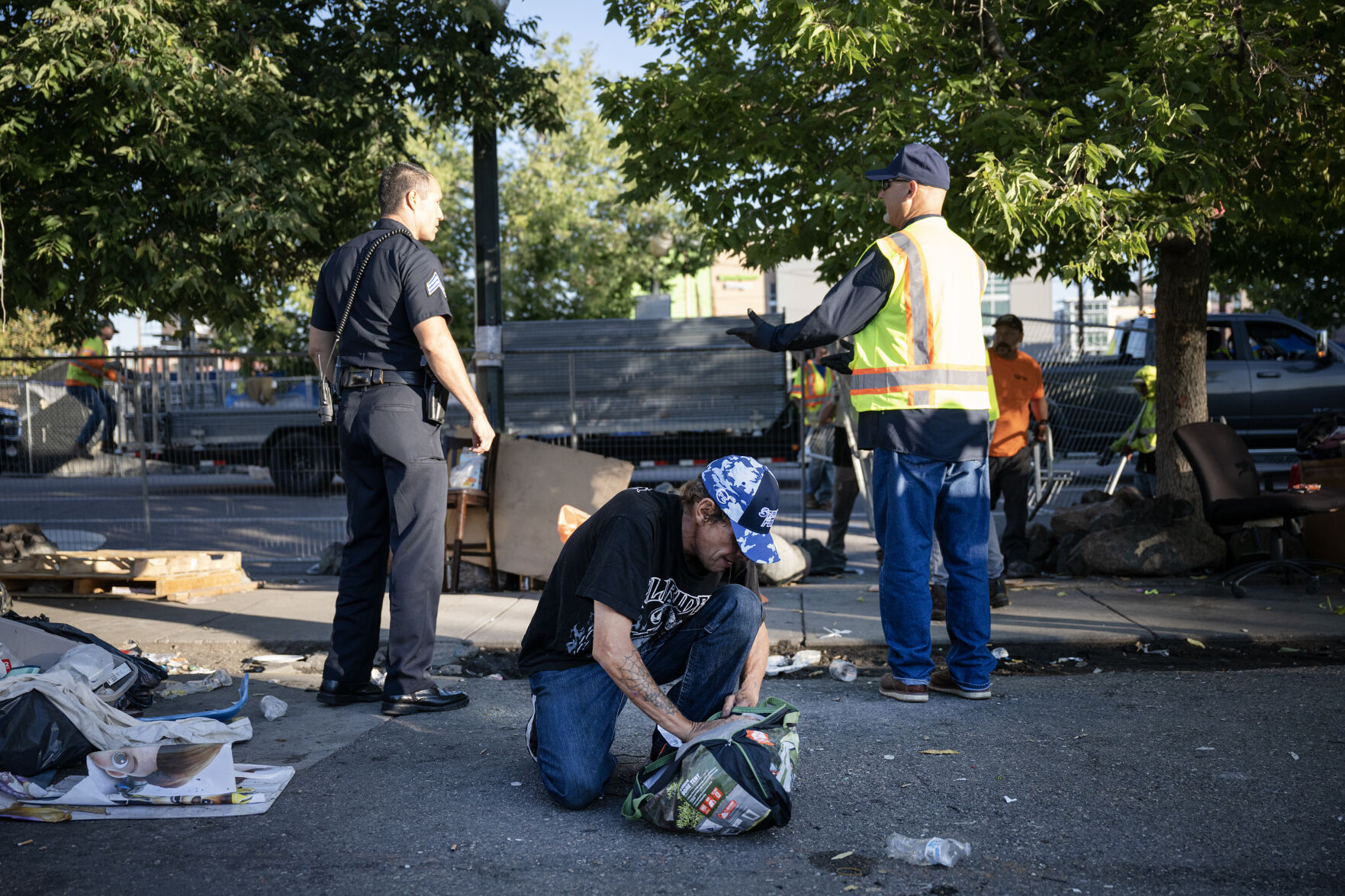
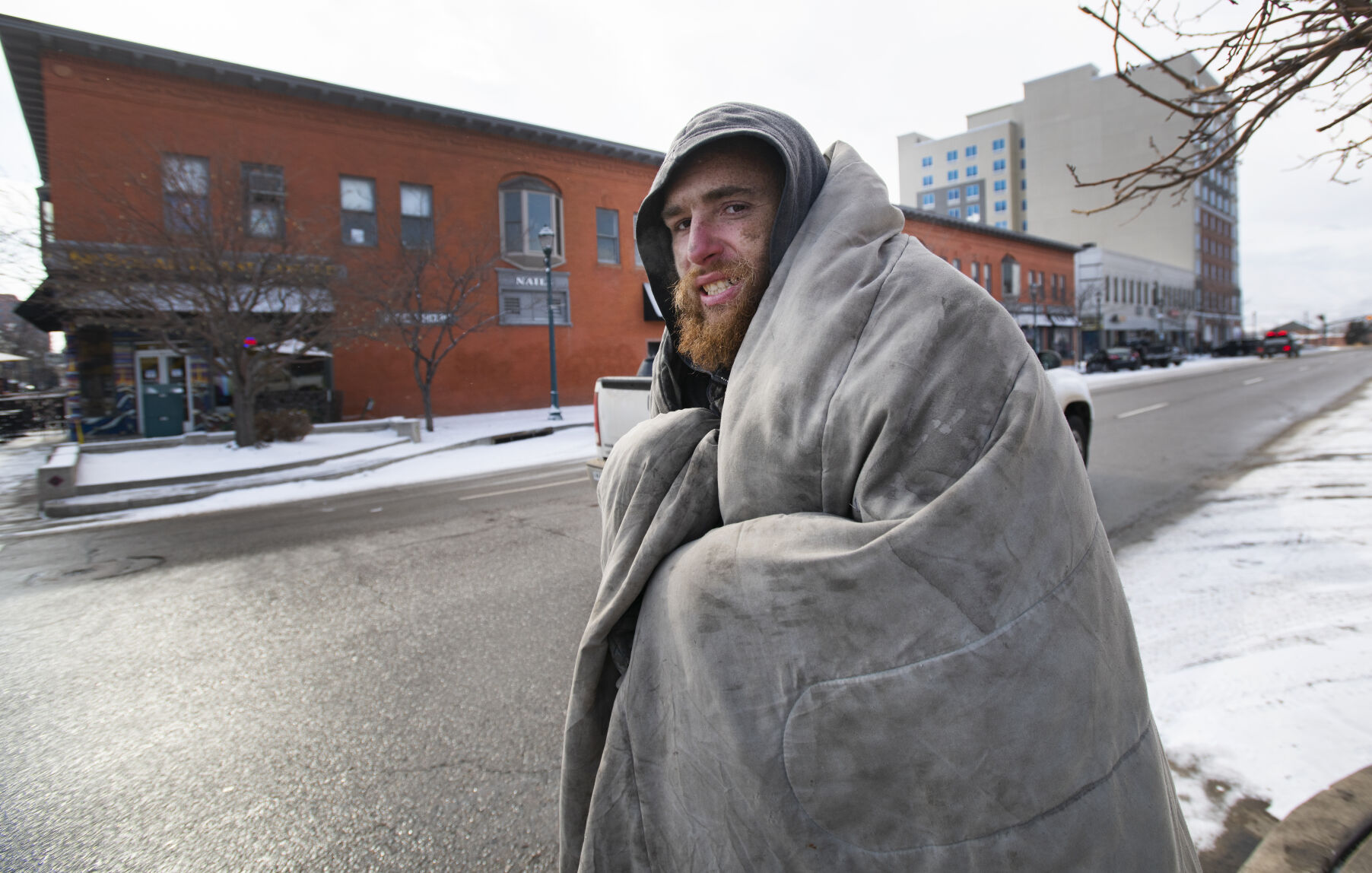
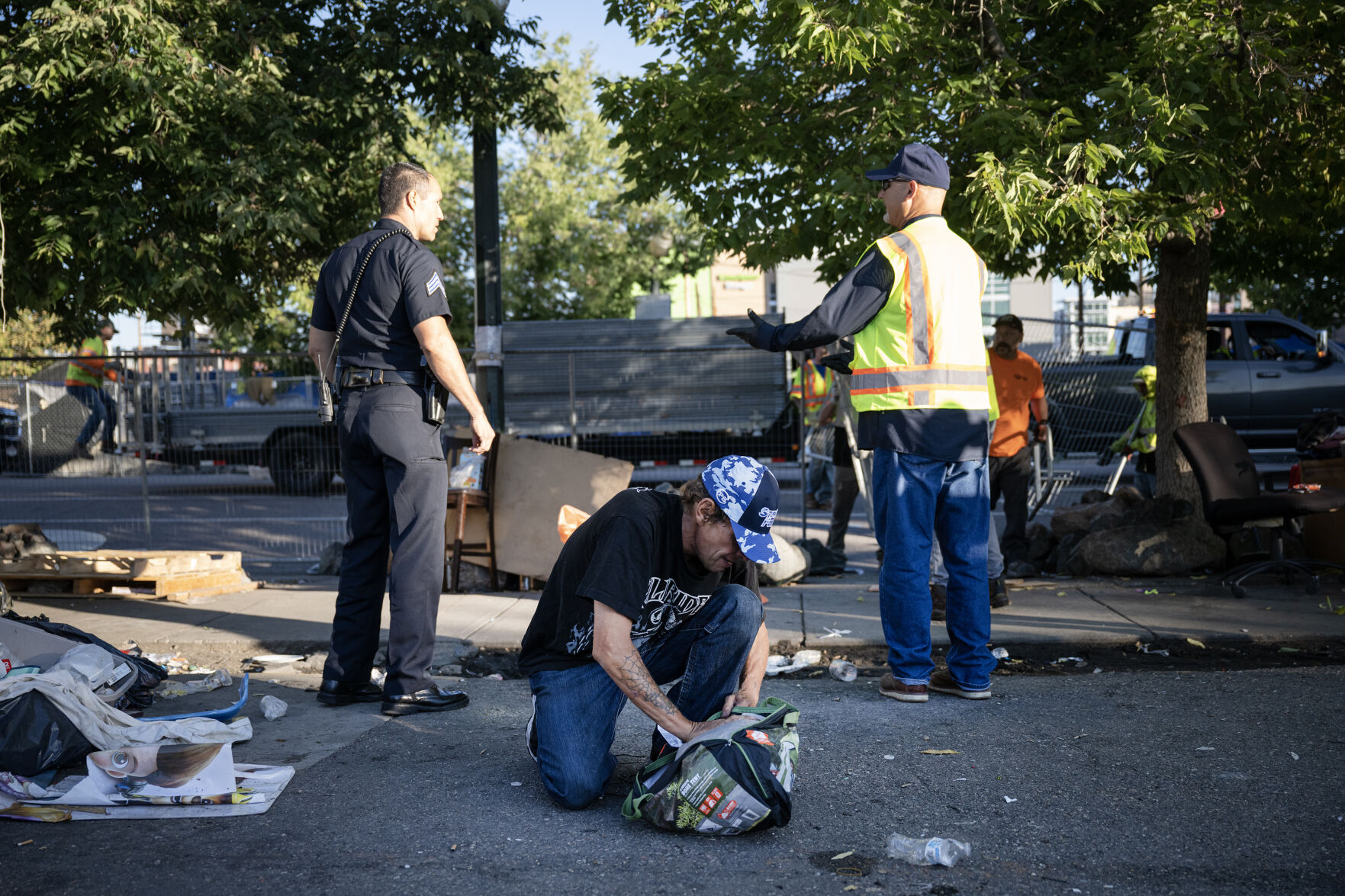
“What I noticed when I went to Denver last month, and I met with Mayor Hancock and other outgoing officials over there was that the level of suffering on the street is the same as it is in San Francisco. There just weren’t as many. But it still raised the alarm bells for me because everything I saw visually, from what I smelled, what I heard, people I talked to, it’s moving in that same direction.”
San Francisco has between 8,000 and 20,000 homeless on its streets, where Denver has between 6,000 and 7,000 and Colorado Springs has between 1,000 and 2,000.
“You can’t deny what’s happened here in San Francisco,” Wolf said. “You can’t deny the linkage to its policies,” which have led to extraordinarily high housing prices in the urban core and have sidestepped crackdowns on the proliferating homeless camps in town.
The phrase “Doom Loop” was repopularized by Arpit Gupta, a finance professor at New York University, in a paper he wrote last year called “Work From Home and the Office Real Estate Apocalypse,” warning that many major U.S. cities could be on the brink of slipping into such downward fiscal spirals.
We’ve seen Doom Loops before, like when manufacturing jobs started to leave Detroit in the 1970s. That proved to be a triggering event for a cascade of calamity, with tax revenue falling, services suffering, businesses closing, shoppers staying away, residents moving out, and disorder moving in. The pandemic and the mass exit of tech workers from San Francisco have been triggering events for San Francisco.
Suthers worries about city government spreading itself too thin in the future as cities like Colorado Springs swell. “Stick with the basics. Cities have everything they can handle by doing public safety, public works, transportation and parks. Don’t do the Cabrini Green thing. It’s always been a disaster. Cities are not good at running housing projects.“
Wolf shares the view that cities shouldn’t pin all their hopes on building enough housing to get themselves out of the Doom Loop.
To Wolf, homelessness is foremost a mental health and substance abuse crisis.
“We are now facing a situation where in Denver you have 5,000 homeless people,” Wolf said. “If 80% of them are addicted to drugs at this very moment, that severely complicates the issue of actually ending that individual’s homelessness, and you can’t just end it by just putting them in a house or in a tiny home or in a shelter.”
“Seventy percent of all our overdose deaths in San Francisco happen at a fixed address,” he pointed out. “The majority of those deaths are happening inside permanent supportive housing.” He said some of the hotels that San Francisco put homeless people into became markets for drug dealers, who suddenly could feed off a host of clients all congregated in one place.
So how do cities in Colorado avoid the Doom Loop?
Wolf thinks San Francisco might be able to show them the way out, actually.
The city recently recalled its district attorney, who had pushed criminal justice reform that favored more lenient prosecutions. The mayor replaced him with rising star Brook Jenkins, who has enforced tougher penalties against drug dealers and drug users in an effort to clean up the streets of San Francisco.
“We elected a couple new supervisors,” Wolf noted, “one of whom is in active recovery, to help manage the city council, move it more towards the middle. Now we’re working again with the police department, the California Highway Patrol, the National Guard with logistics to help manage our street crises, the U.S. Marshals are here, the DEA is now here. And Speaker of the House Emeritus Nancy Pelosi just asked for and got approved Operation Overdrive from the Department of Justice to step up enforcement of drug trafficking and drug dealing to help reduce some of these harms to our community so our city can breath for a minute, so we can ask what is happening here, how can we start revitalizing our downtown core. And bring businesses back and start rebuilding that tax base we lost.”
The city has even enlisted a squadron of blue-shirted “community ambassadors” who help people feel safer in downtown shopping districts.
Mayor London Breed has increased the police overtime budget by $25 million, attempting to make up for a 599-officer shortfall.
Suthers agrees that law enforcement has to be a key part of the equation, not just social programs and housing projects and tax incentives to draw businesses back.
A recent Brookings Institute study points out that cities have faced challenges like this before and bounced back: “As we experience yet another rhetorical onslaught predicting the decline of cities and their downtowns, it is important to remember that cities have faced their share of crises before. From suburbanization and white flight to the rise of crime in urban centers in the 1990s to the 9/11 terrorist attacks on New York, cities and downtowns — and most especially, the people who activate them — have proved their resilience.”
But this time may be different. This time, downtowns may have to reinvent themselves to survive, becoming more residential and cultural centers and walking neighborhoods than just commercial hubs.
And sometimes, cities simply don’t revive.
We here in Colorado have more historical experience than probably any other state with what can happen when the boom goes bust. They are called ghost towns, and our state, by some counts, has over 1,500 of them. When the gold and silver mines petered out in those towns 100 years ago, some of the richest cities on earth became empty, haunting husks nearly overnight. Let’s pray they are not omens for our present downtowns in the post-COVID mutations of our urban cores.