




Colorado Trail: State’s iconic Denver-Durango sojourn observes 50th year
Part 1
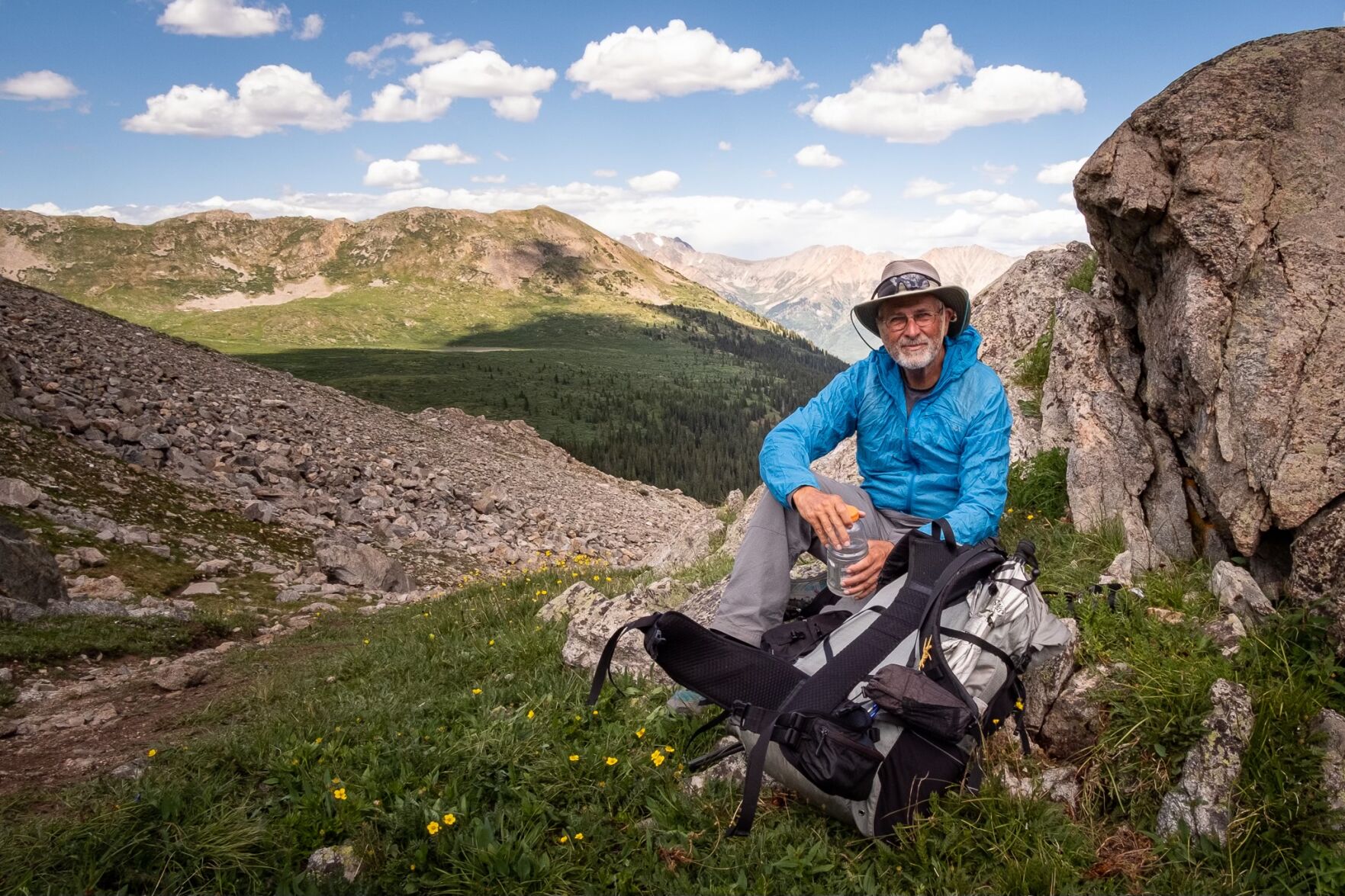
Earlier this summer, walking between the bustle of downtown Durango, David Fanning stopped to sit down and collect his thoughts.
“This one took a lot out of me,” he said.
The Fort Collins man was referring to his recent hike on the Colorado Trail — his eighth time finishing the famed path from Denver to Durango, stretching nearly 500 miles through the Rocky Mountains. Fanning believes eight finishes to be the most by any individual ever.
And he believes that will be it for him.
“I’m 73,” he said. “It’s getting to be a bigger undertaking than it used to be.”
And so he took the time to really take in the sights along the trail. He thought back to the best of times (the friends he made along the way, those bluebird days) and the worst of times (loved ones lost over the years, those high-country storms).
“I’m pretty sure this is the last time I’m gonna do this hike,” Fanning said there on a bench at the end. “And I can’t tell you how many times tears welled up in my eyes at all these favorite places, all these favorite memories.”
They were happy tears. Tears understood by any and all who have roamed the Colorado Trail.
“If you complete the trail, you’re different,” explained Steve Staley, who has completed it four times. “It’s hard to explain to people until they’ve done it, but you are a changed person after.”
Staley chairs the board of the Colorado Trail Foundation, the nonprofit that rose out of the trail’s creation. This summer, the foundation celebrated 50 years of the trail, recalling the start of earnest construction in 1974. (A “golden spike” at Molas Pass would finish the job 13 years later.)
The 50th milestone seemed like a good time for The Denver Gazette staffers to get an intimate view of the trail.
In the coming days, they’ll be rolling out stories, photos and videos from their experience on foot and bike this summer.
Perhaps they were changed, too — in that way hard to explain.
“I think the overarching importance of the Colorado Trail would be hard to pin down,” said Bill Manning, the former longtime executive director of the Colorado Trail Foundation, whose days on the trail date to 1986.
“To some extent, its importance is measured in the experiences of individuals,” Manning went on. “People who complete the whole thing, they’ve accomplished something really big. … They learn they can set their sights on something and stick with it, and if they just put one foot in front of the other, they’ll have walked 500 miles.”
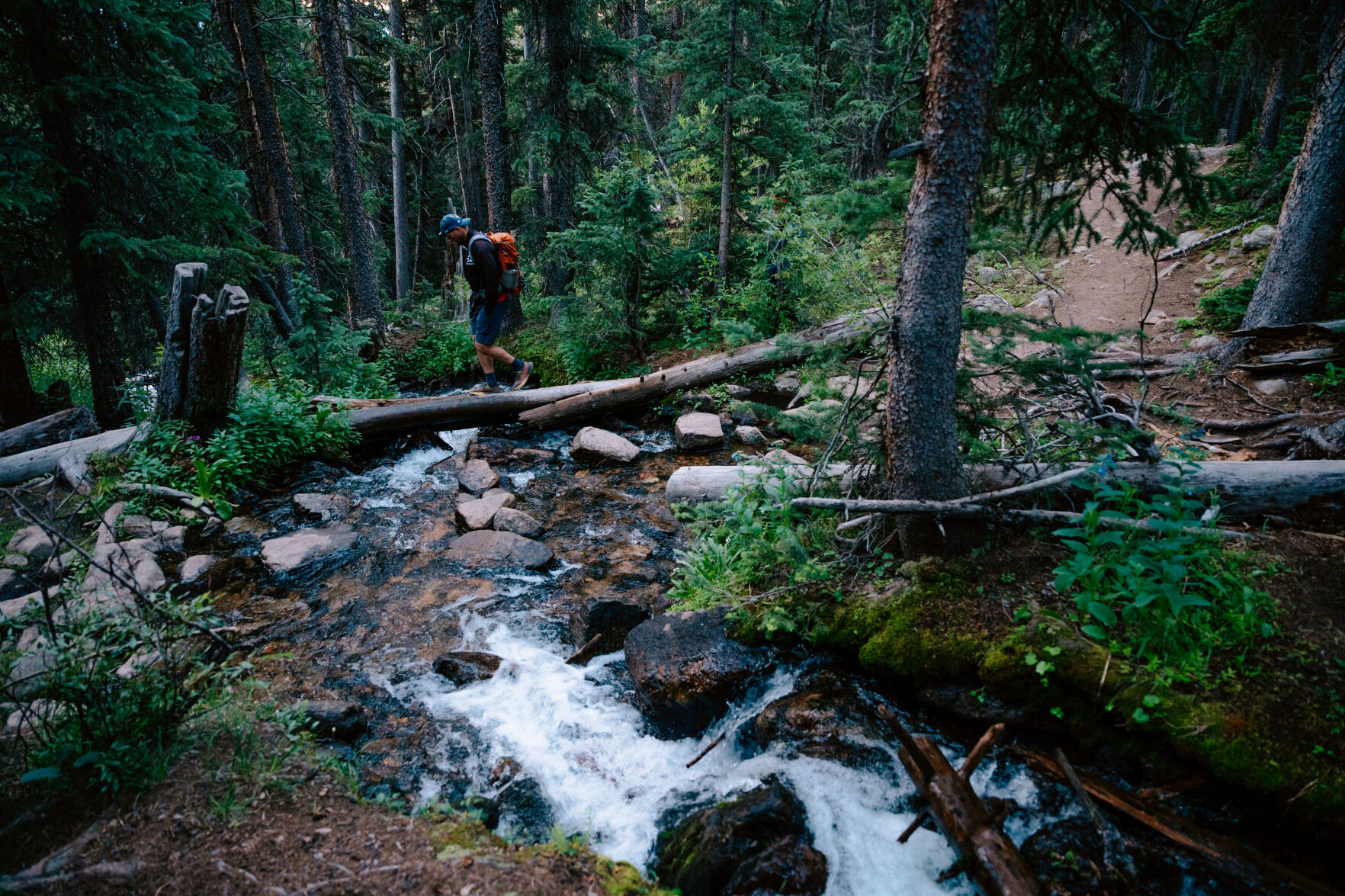
It’s hard for the Colorado Trail Foundation to say just how many people do this. The best estimate is in the numbers of people reaching out every year for a certificate of completion — lately between 400 and 500, who might take about a month to hike, or two or three weeks to bike.
It’s hard to say what brings them. Fanning has gotten more insight than maybe anyone. During his eight hikes, he interviewed hundreds of people and compiled their stories into a book, “Voices of the Colorado Trail.”
“A lot of people will say, ‘I don’t know why this appealed to me.’ All of my friends and family said, ‘Don’t do this, it’s dangerous,'” Fanning said. “But somehow, people feel this calling.”
Ultimate allure
No doubt, people are drawn to this state’s signature beauty.
By the Colorado Trail Foundation’s description, the path travels six national forests and six wilderness areas, crossing through five major river drainages and over eight mountain ranges.
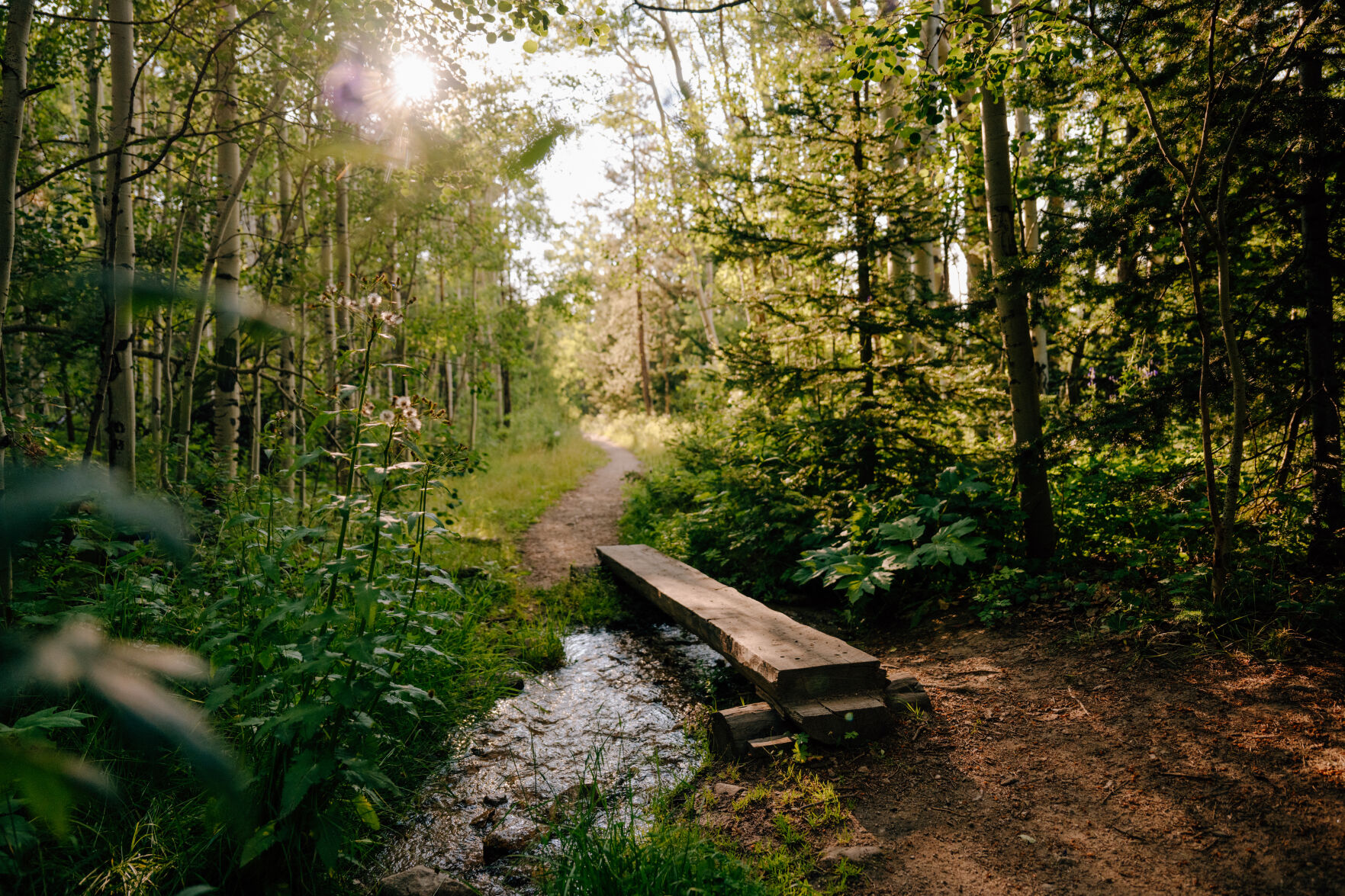
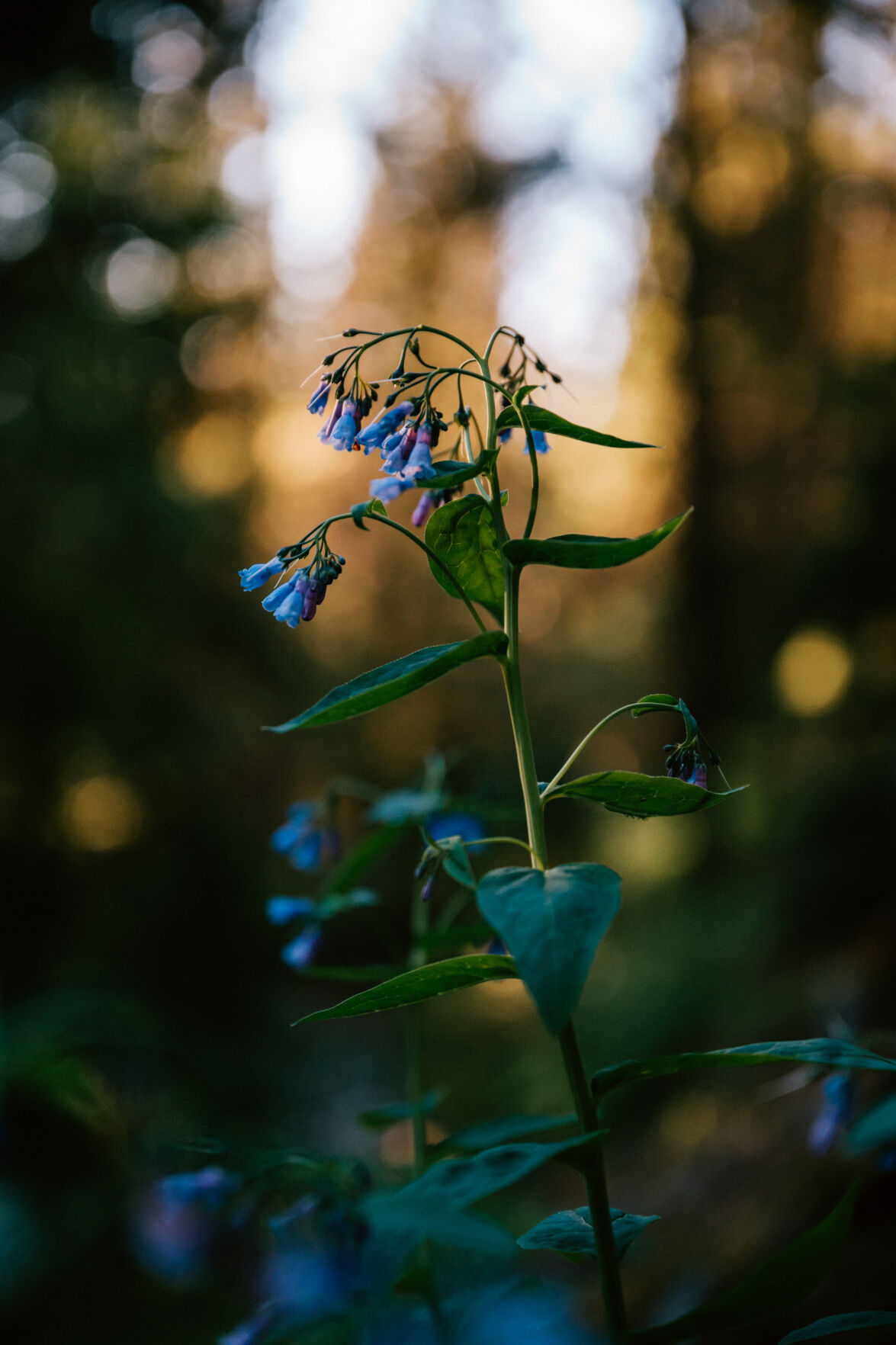
Quite unlike thru-hikes along the Appalachian Trail and Pacific Crest Trail, one continues along elevations averaging around 10,300 feet. One continues through lush meadows splashed with wildflowers, through towering forests of pine and aspen and higher to the alpine, where peaks roll endlessly in view.
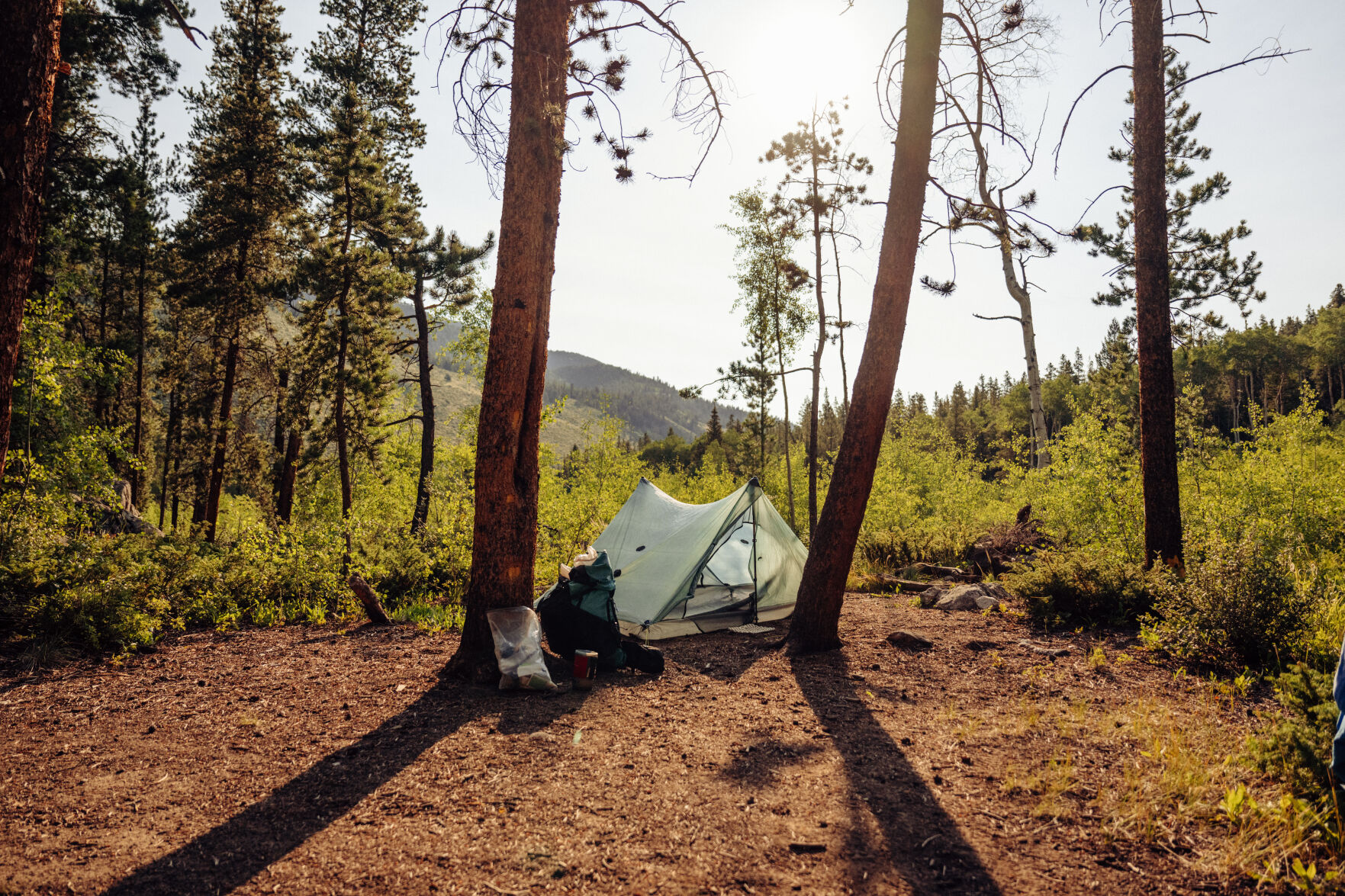
Just south of Denver, at the Waterton Canyon trailhead, one is bound for those regal views of the Collegiate Peaks, onward to the rugged wonders of the San Juans. One often stops along the way, resupplying or overnighting in postcard towns such as Leadville and Creede, Lake City and Silverton. There are ghost towns along the way, too, and scenes that recall the mining industry that built this state.
“If we had an ambassador for Colorado, I think the Colorado Trail would be a great ambassador,” said Colorado Springs-based finisher Patricia Cameron. “Because it gives you all of Colorado.”
It’s no wonder the Colorado Trail is one of 10 “premier routes” globally, according to a governing body that oversees such routes. That’s the body called Fastest Known Time, which tracks speed records of the outdoor sporting world.
On the Colorado Trail, records rapidly rise and fall. One was set in June: Kyle Curtin took six days, 15 hours and eight minutes to run from Denver to Durango — the fastest time ever.
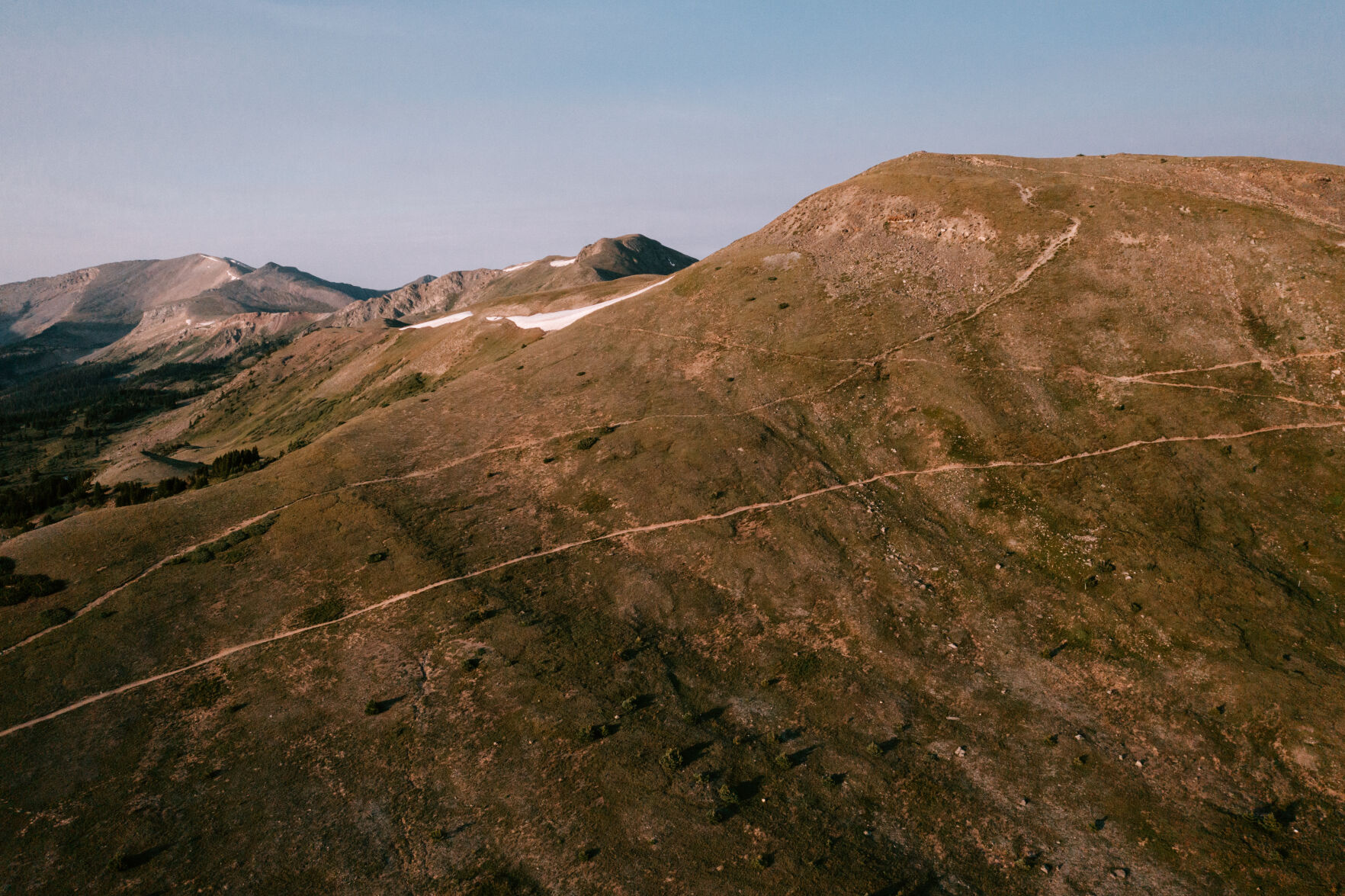
It’s a proud record that he knows will be hotly chased.
“That’s THE iconic trail of Colorado,” Curtin said from his home in Durango. “I don’t know if there’s a single race or a single summit or anything else you can say: ‘That’s gotta be the pinnacle of trail running in Colorado.'”
Explaining why Grand Junction-based Melinda McCaw has run it twice. Last year, she set a new women’s mark on a west-to-east route: 12 days, eight hours, and four minutes.
McCaw previously biked the Colorado Trail three times. What keeps her going back?
“Man, it’s just something about when you get out there and you’re pushing hard,” she said. “I don’t want to call it an addiction — that sounds negative — but there’s something about it that just draws me in.
“And not just that,” she added. “The entire trail is so beautiful. … It’s like a candy store for your eyes up there.”
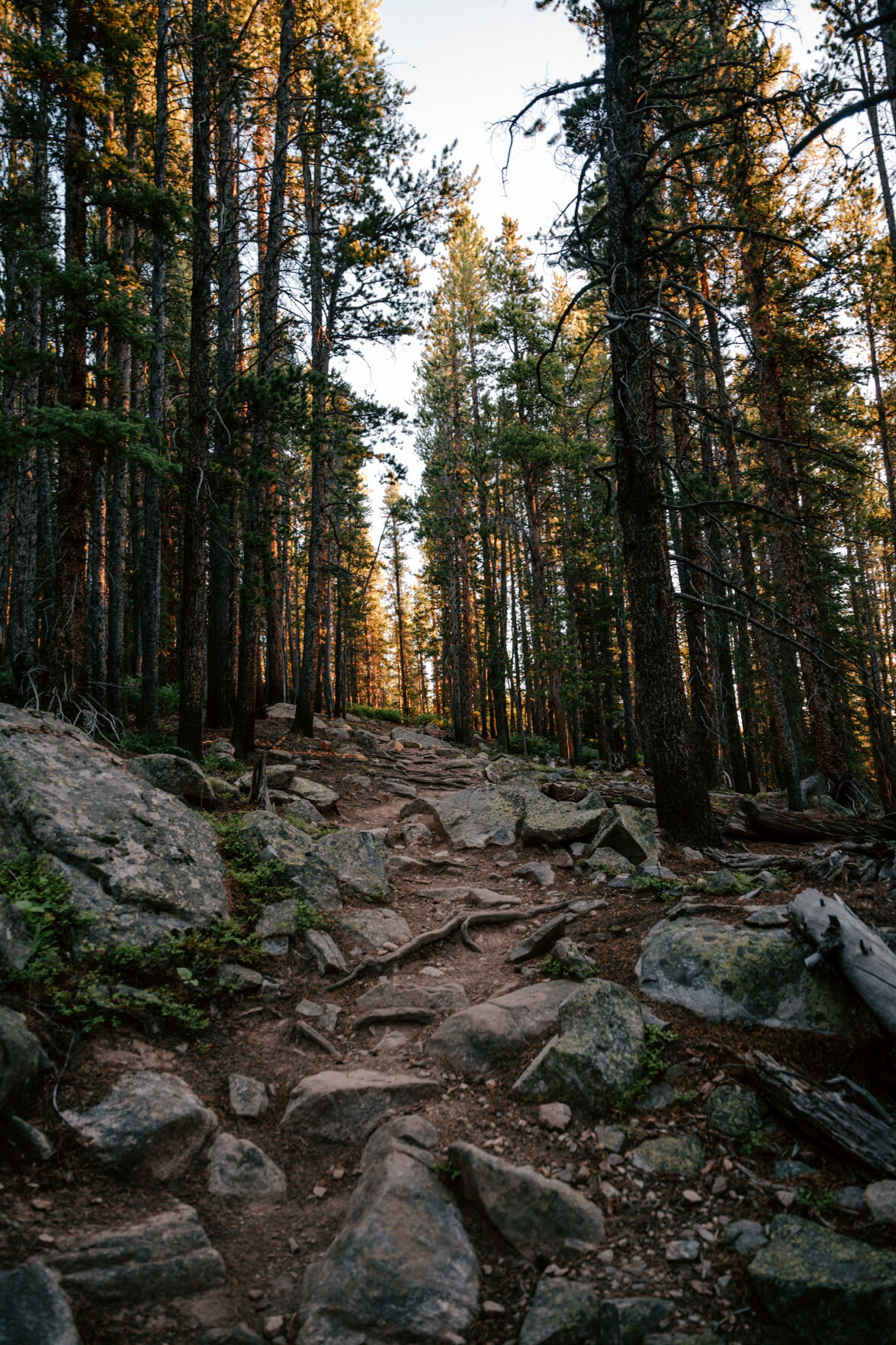
Cameron took her time on the trail in 2020 — closer to the typical month for a hiker — but she learned that draw no less. Two years later, she took to the Pacific Crest Trail. Recently, she came off the Coast to Coast Walk in England.
This is surprising to her, considering where she was before the Colorado Trail four years ago.
“I had only backpacked two nights in a row ever,” she said.
She had a mission on the Colorado Trail: She was raising awareness for the nonprofit she was rolling out, Blackpackers, which aims to connect people of color to the outdoors and tackle historic barriers and inequities. On the trail, Cameron saw no other Black woman like her. And that, she knew, had to do with a variety of complex, deep-rooted factors — regarding the racial wealth gap, for one.
Cameron could relate as a single, working mother.
“Between the time you take off work, the money it takes to get prepared for it and the gear it takes to make the experience comfortable, the money you spend on the trail is humongous,” she said.
But compared with the much longer Appalachian Trail (about 2,190 miles) and Pacific Crest Trail (closer to 2,650), Cameron saw the Colorado Trail’s nearly 500 miles as much more approachable. Sure enough, she got hooked.
Sure enough, she was changed.
“It definitely altered my personality. I made a sharp, 90-degree turn from wherever I was going after the Colorado Trail,” she said. “Like, you can’t tell me anything. I believe I can do anything.”
Trail is born
A trail for all. That’s what Gudron “Gudy” Gaskill imagined some 50 years ago.
She was the Colorado Mountain Club president — the first woman to hold the title in the historic club — who stumped in Washington, D.C., for the Volunteers in the National Forests Act of 1972. This would provide the foundation on which to build the Colorado Trail; the legislation allowed the U.S. Forest Service to recruit and assign volunteers to such projects.
Gaskill would be the agency’s point person for what was first envisioned as the Rocky Mountain Trail. It was envisioned amid concerns that echo to today, including “overcamping” and wilderness degradation.
Between 1967 and 1973, Colorado’s national forests saw a 20% increase in use, read a 1974 article in Colorado Magazine.
“The wilderness was literally being ‘loved’ to death,'” the story said.
The story was about the launch of Colorado Trail construction, which was contested. “Wouldn’t the trail bring more people and damage to the wilderness?” critics asked.
“I believe there are many people who would like to get outdoors, but who need a trail to lead them out there,” said Bill Lucas, the regional forester at the time. “If we do this right, I believe the Colorado Trail will attract many people who would otherwise be scattered all over the forests in a haphazard, unplanned fashion.”
The trail would do good that could not be measured, Gaskill believed. It would instill a love for nature and inspire generations of stewards, she believed.
Manning got to know her as he became the next generation’s representative to lead the Colorado Trail Foundation.
“She was kind of like a bulldog, and she sank her teeth into it and just would not let go,” Manning said.
Tenacity would be needed after the 1974 start of construction. Trail building money dwindled, while volunteer interest wavered and environmental questions continued.
“Trail to Nowhere,” read the headline in a 1984 edition of Empire Magazine.
“If there ever is a Colorado Trail, it will likely be because Gudy Gaskill hasn’t given up,” the article read.
She saw a groundswell of support come from that article — support that included then-Gov. Richard Lamm.
The following years saw hundreds of volunteers rally and carve trail through the mountains between Denver and Durango. Colorado Trail Foundation history recalls it as an “unprecedented” effort, culminating in 1987 with the finishing celebrations.
Stories continue
The work, of course, continues — as Gaskill knew it would. That was the purpose of the Colorado Trail Foundation, which last year reported 900 volunteers totaling 20,000 hours of maintenance and other stewarding work.
“The trail is not something that’s just there,” said Staley, the foundation’s board chair. “It’s a living thing that needs to be nurtured.”
Hikers commonly become nurturers, also as Gaskill predicted. She died in 2016 at age 89.
“I have no doubt that Gudy would be very pleased with the Colorado Trail of today,” Manning said.
Pleased by the stories, he thinks. Stories he’s heard over the years.
Stories of people plagued physically and mentally finding power on the trail. Of people recovering from loss and divorce.
Of people walking through the uncertainties of life between jobs. People walking through the hardships of addiction and depression.
“All of those things, there’s nothing better than just walking a long distance and placing one foot in front of the other,” Manning said. “It’s almost like meditation.”
There are stories of strangers becoming friends. For the man who just finished the Colorado Trail an eighth time, that’s what he thinks about.
“The first time I hiked the trail, I was 63,” Fanning recalled. “I hiked a lot of the trail with a 37-year-old nurse from Las Vegas and a 19-year-old kid from Steamboat. Here’s a 19-year-old, a 37-year-old and a 63-year-old, and we don’t know each other at all, and we had so much fun together.”
Reflecting there on a bench in Durango, at the end of the trail once more, Fanning spoke soft and slow, cherishing the stories that came back.
“There was an older gentleman, I think he was a very successful businessperson,” Fanning recalled.
“He was saying: ‘You know, I really put a lot of pressure on my kids to sort of follow in my way of looking at the world. But when I’m out here … it really has opened my eyes to the way that people can look at the world. I think I’d be a much better husband and father as a result of being out here.”
That’s how Fanning has felt after each time out on the Colorado Trail — like a better person.
“And just so grateful,” he said.
Most of all, he’s grateful for the stories.
“I’m gonna tell them to my grandkids,” he said.
Get OutThere
Signup today for free and be the first to get notified on new updates.
PREV
PREVIOUS
VIDEO: 10 days of bikepacking on the Colorado Trail
The Denver Gazette’s Jonathan Ingraham spent ten days biking Colorado’s mountain passes on the Colorado Trail this summer for the trail’s 50th anniversary.
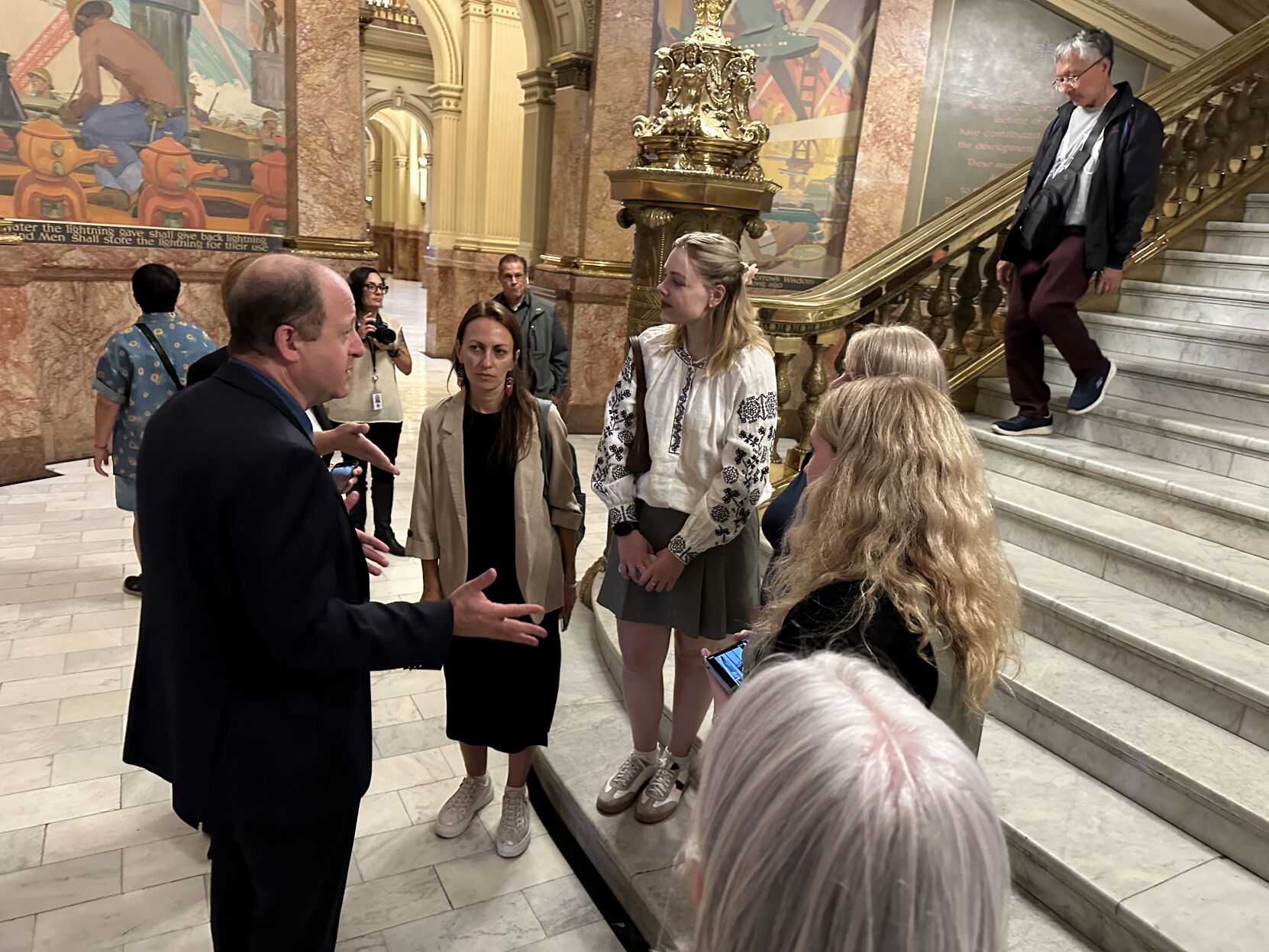
Ukrainian journalists: 'The bloom of our nation, they have to go fight' | Vince Bzdek
Ostensibly, three Ukrainian journalists visited Gazette newsrooms last week to learn techniques from us that will help them report the war more powerfully. Our investigative team showed them how to navigate public records systems to help them do journalism that can affect policy change. Our digital team taught them the latest multimedia strategies, and our […]