




People with disabilities staff this Colorado brewpub: They have an inclusive message
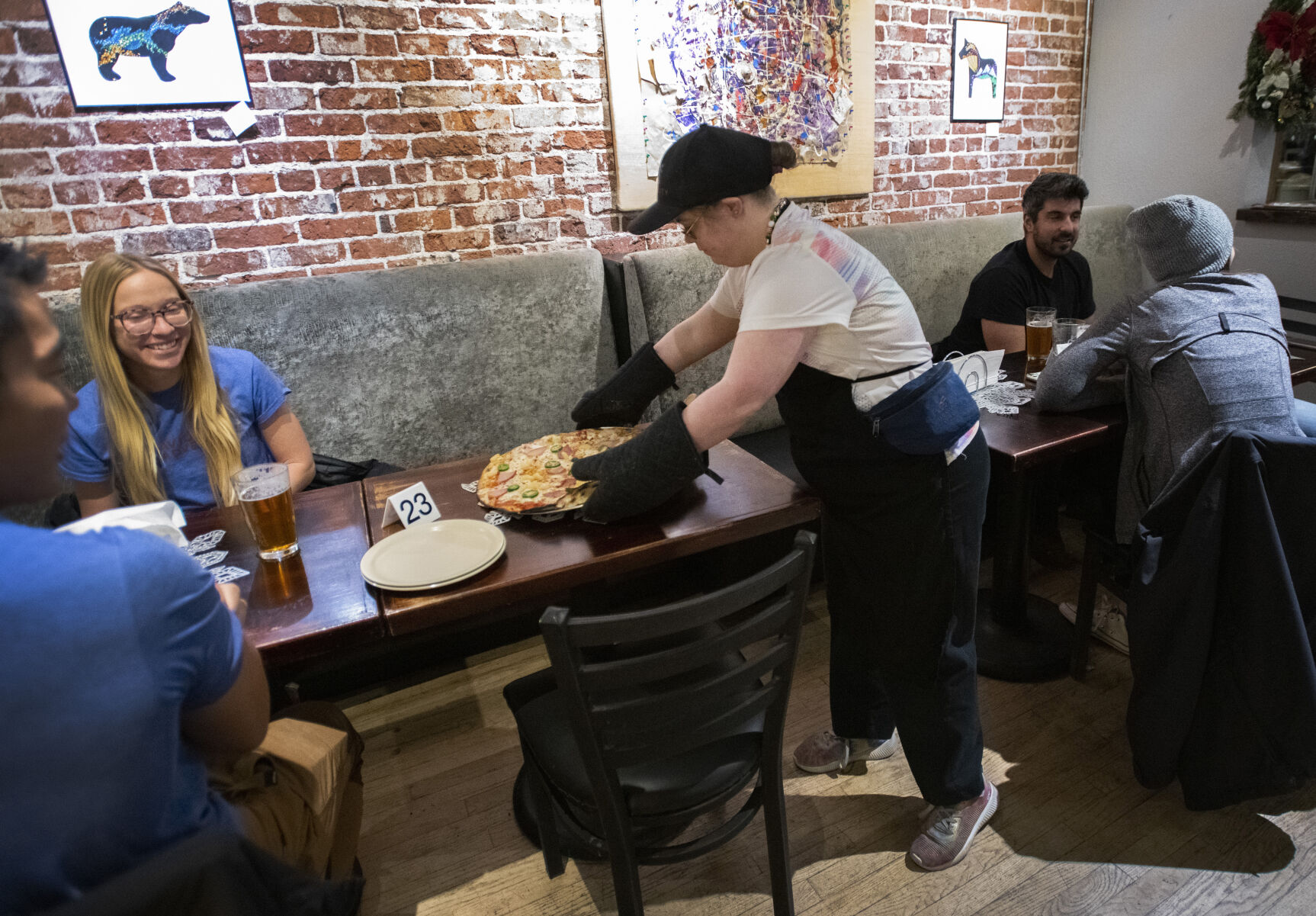
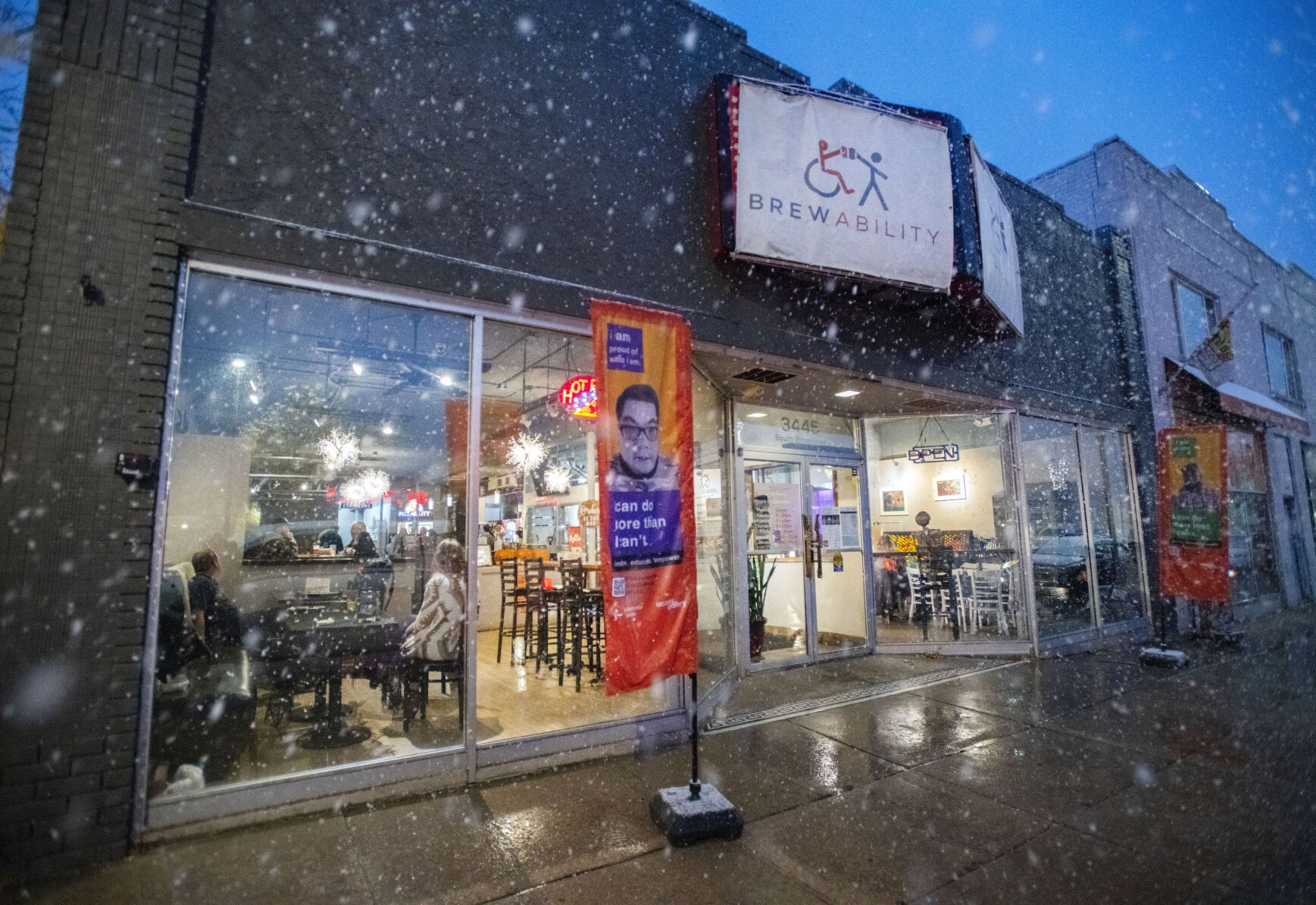
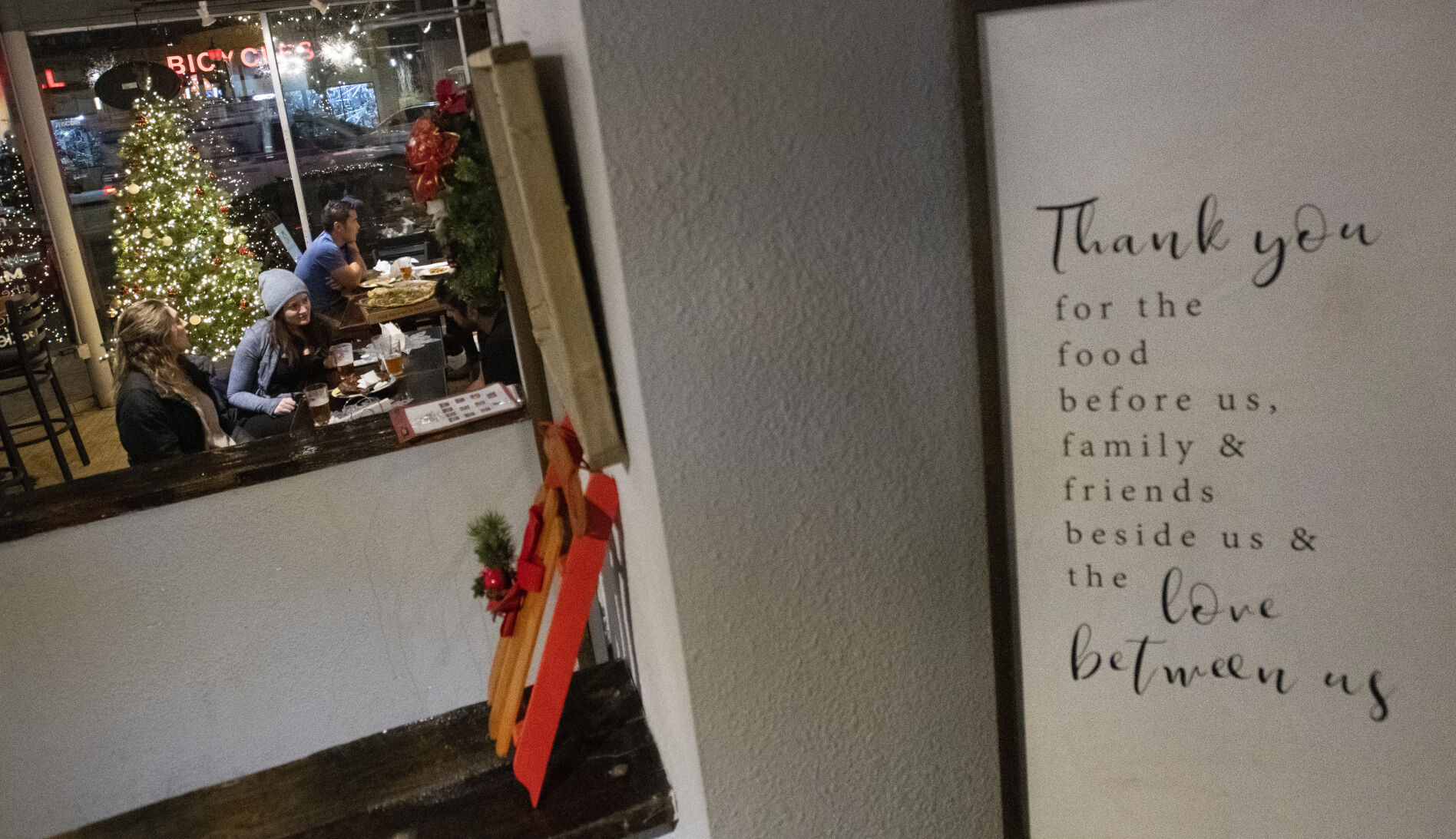
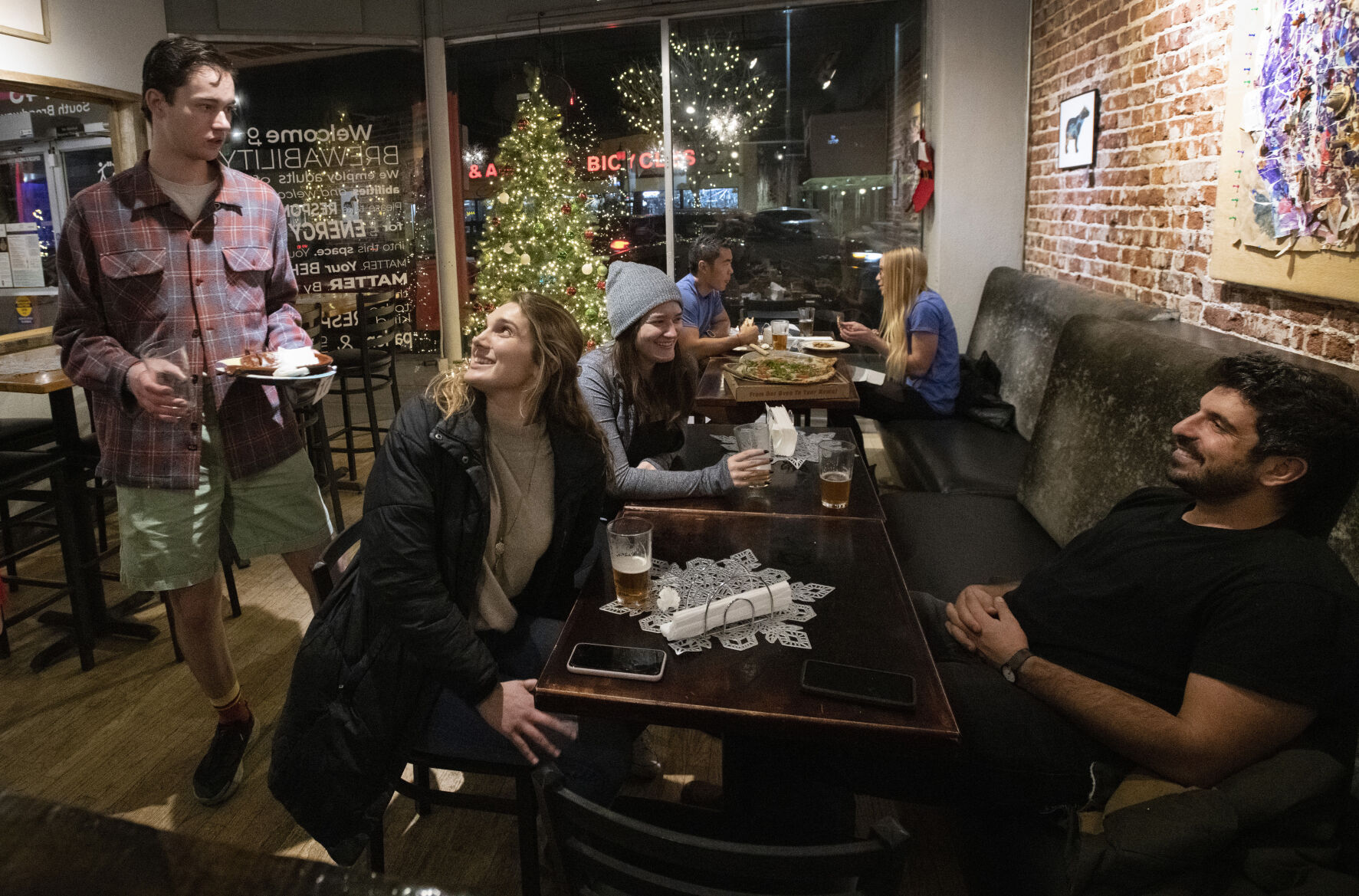
ENGLEWOOD • It’s not often you see someone skip to work, smiling through the door to clock in. That’s what you see here at Brewability.
“Sometimes they dance into work,” says owner Tiffany Fixter. And sometimes they dance out the door, she says — “depending on how the tips are.”
It’s not often you see such exuberance in the workplace. Then again, it’s not often you see a workplace like Brewability.
In a beer-loving state, it’s the only brewery of its kind here and, Fixter believes, anywhere else.
The people making and serving suds and pizza are people with intellectual and developmental disabilities. More than two dozen here are navigating work and life with autism, Down syndrome, cerebral palsy and visual and hearing impairments, to name a few conditions represented behind the bar and in the kitchen.

They are people Fixter wants everyone to know. People wanting and needing to work.
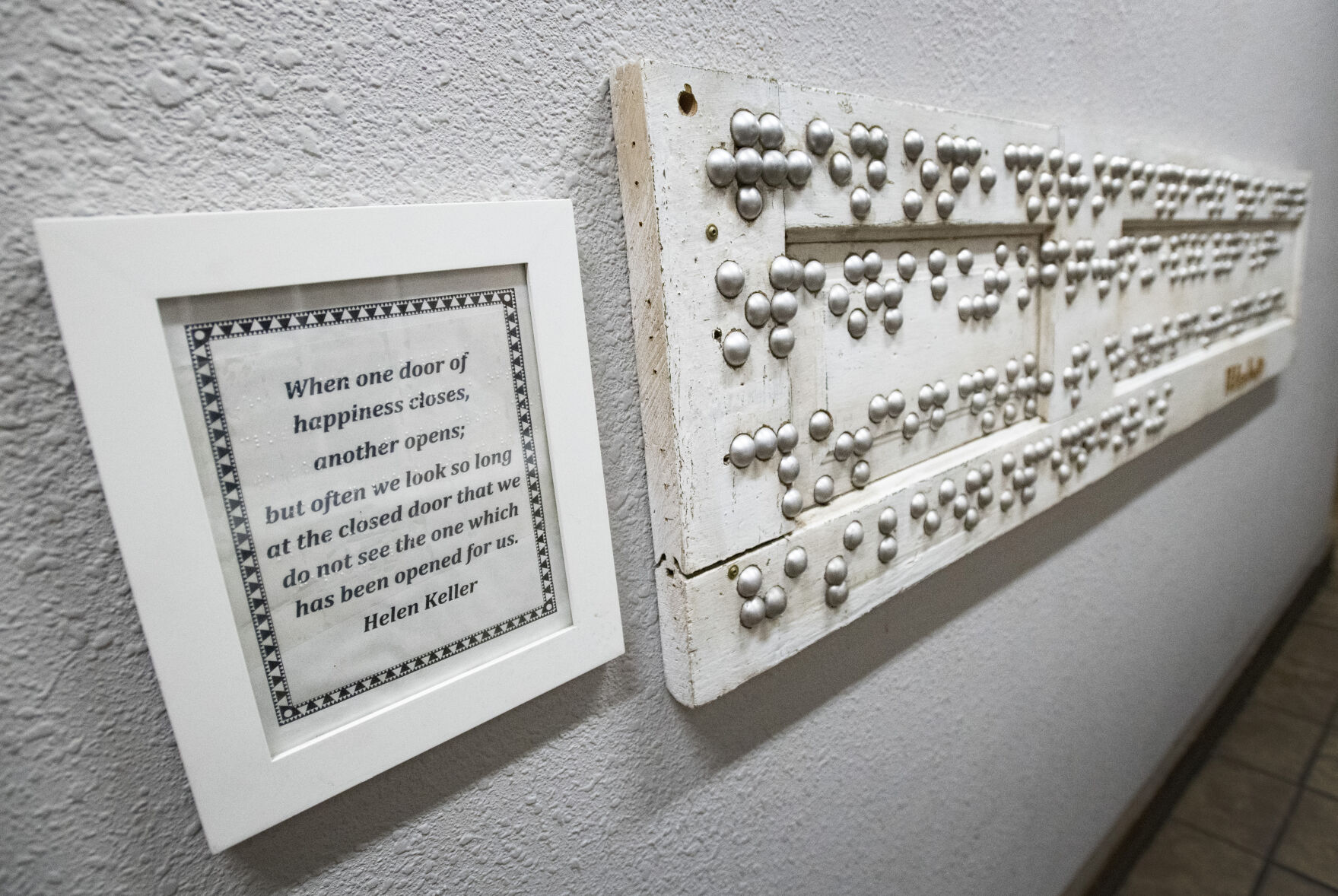
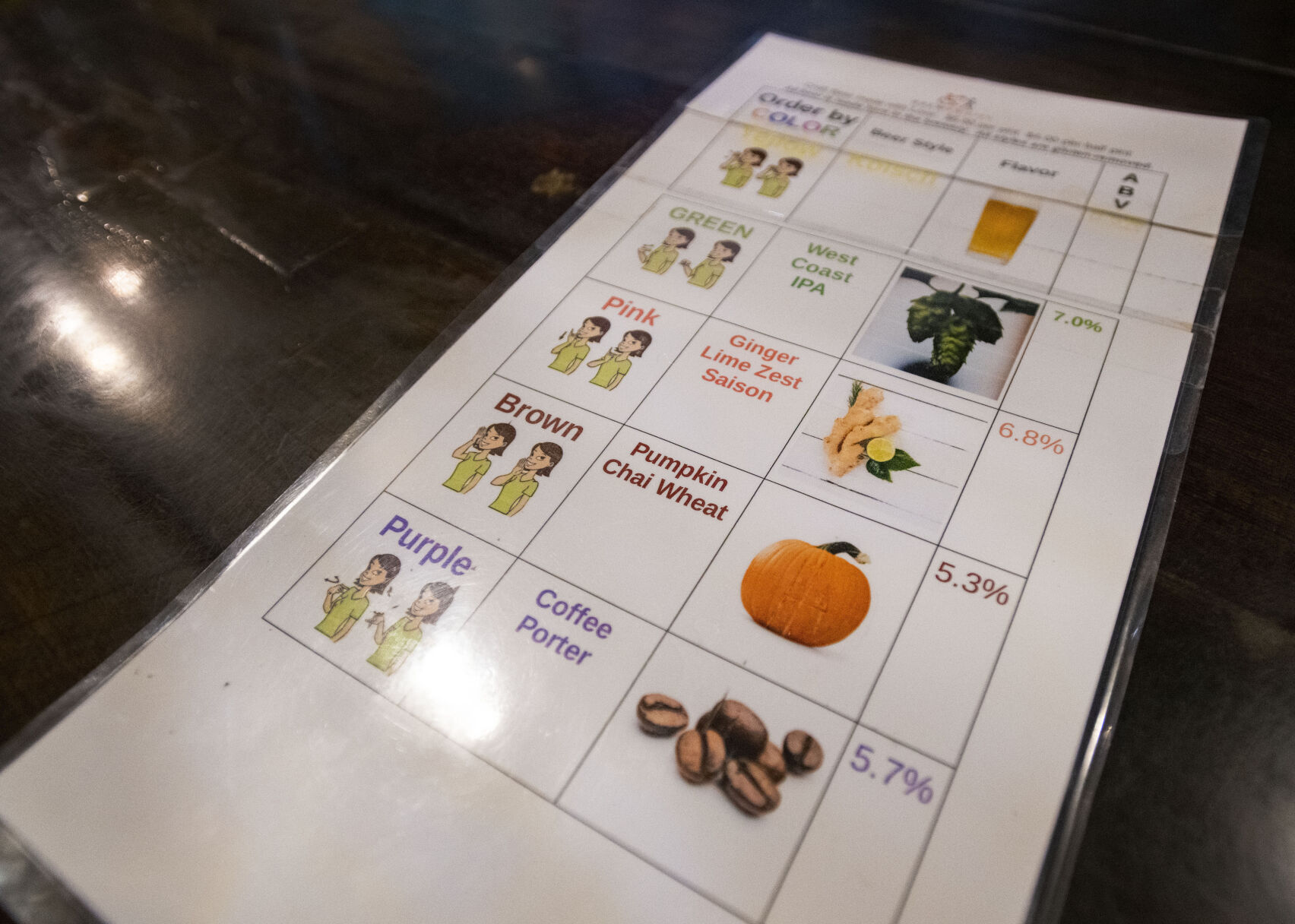
They are Juliana Trunfio, who sometimes reads Braille to identify the right beer to pour. The tap handles are also color-coded, for co-workers who identify that way.
“As someone who is visually impaired, I have always been looking for a place where it’s OK to be different and I don’t have to fight for my needs,” Trunfio says. “Never did I believe I could be a bartender. And then I met Tiffany, and it’s been one of the best experiences so far in accepting fully who I am.”
They are Jacob Ruth, who struggled for acceptance growing up with autism.
In school, “they declared me a failure,” he says. “Was I bullied for having a disability? Yes, I was.”
At Brewability, he’s accepted. He’s encouraged, empowered.
“The ultimate mission is to bring welcome-ness, and I say keep it up,” he says. He spreads his arms wide, as if to reach all of Denver, all of Colorado, all of a nation. “I would love to see this place go here.”
That’s the problem, Fixter says. There’s not enough places like this.
This was a harsh reminder six years ago, when Fixter’s career in special education brought her to a Denver day center for adults with disabilities. It was where they went “just to have some entertainment throughout the day,” Fixter says.
“We were in charge of around 130 clients, and only one had a part-time job,” she recalls. “It was really disappointing. They’re sitting around this warehouse pretty much coloring and stringing beads, and they’re sad. There’s not a lot of purpose there.”
Thirty-two years after the Americans with Disabilities Act, millions of people with disabilities continue to face barriers when it comes to getting work. They “are still too often marginalized and denied access to the American dream,” according to a White House proclamation last year marking National Disability Employment Awareness Month.
According to the latest data by the Bureau of Labor Statistics, about 19% of working-age people with disabilities are employed. That’s compared with closer to 64% of people without a disability.
Fixter wanted to help fill the gap. And what better way to fill it, she thought, than with the coolest, hippest industry around?
She described the brewery idea in a Kickstarter campaign that at least got her started (she would seek capital from her parents, Estes Park business owners who made sacrifices). Conversely, that fundraising effort elicited “a few death threats,” Fixter says.
In a broad, rallying time for inclusion, Fixter saw those threats as more harsh reminders: Clearly, there was work to be done for people with disabilities.
“People are scared of what they don’t understand,” Fixter says.
Too scared, Trunfio says.
“People are scared of how to address things,” she says. “They think they don’t know how to talk to somebody who is visually impaired, they don’t want to say the wrong thing, and so they’re like, ‘I’m just not gonna say anything.’ It’s kind of like, ‘If I don’t hear it or see it, it doesn’t exist.'”
They might not understand the “sensory room” through Brewability’s front door — a quiet, cozy nook with certain colors and textures. They might not understand some of the workers with ear plugs, sensitive to noise. They might not understand the vibrating floor by the music stage in the corner. People unable to hear can dance along, too.
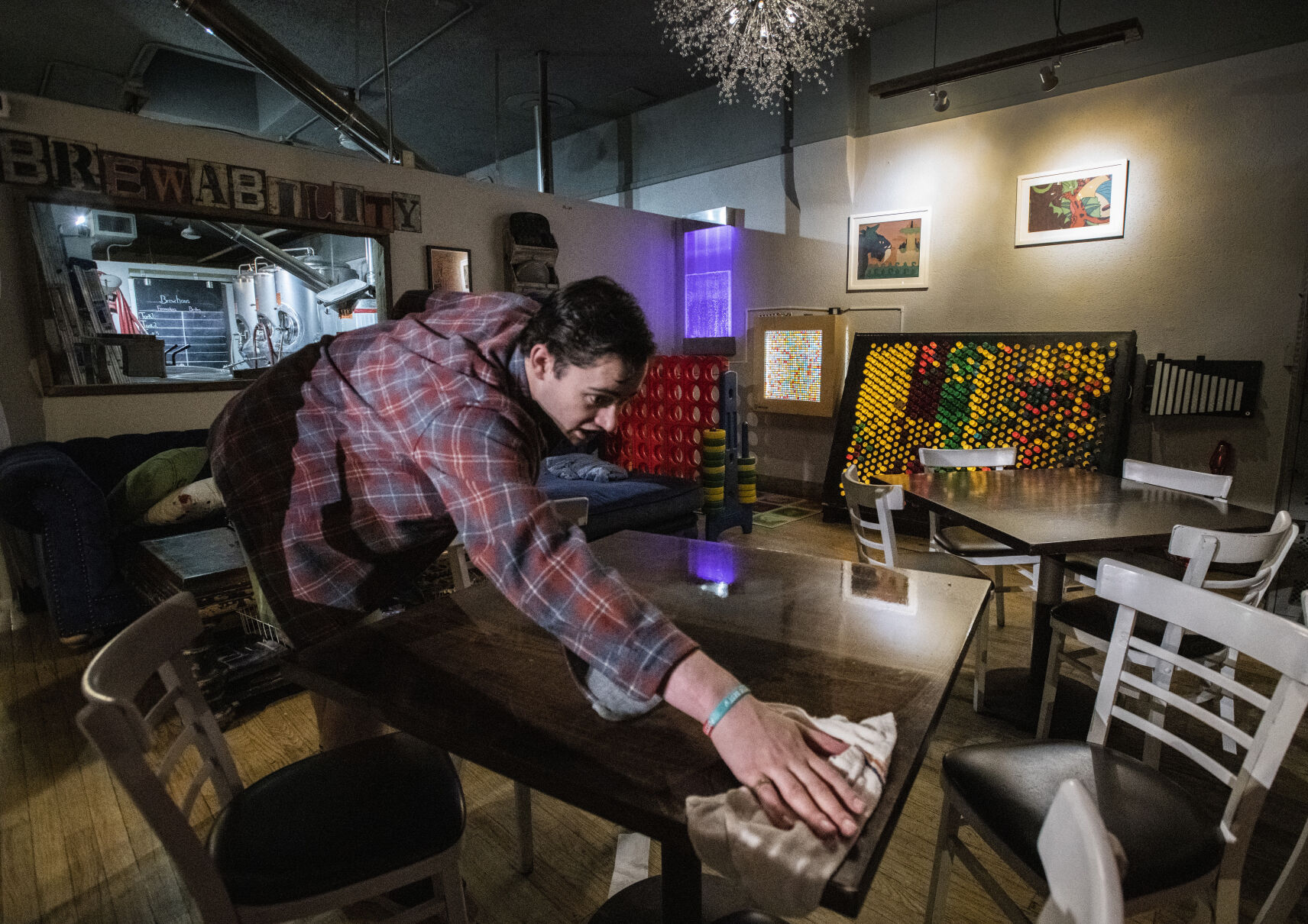
Some regular customers understand, though.
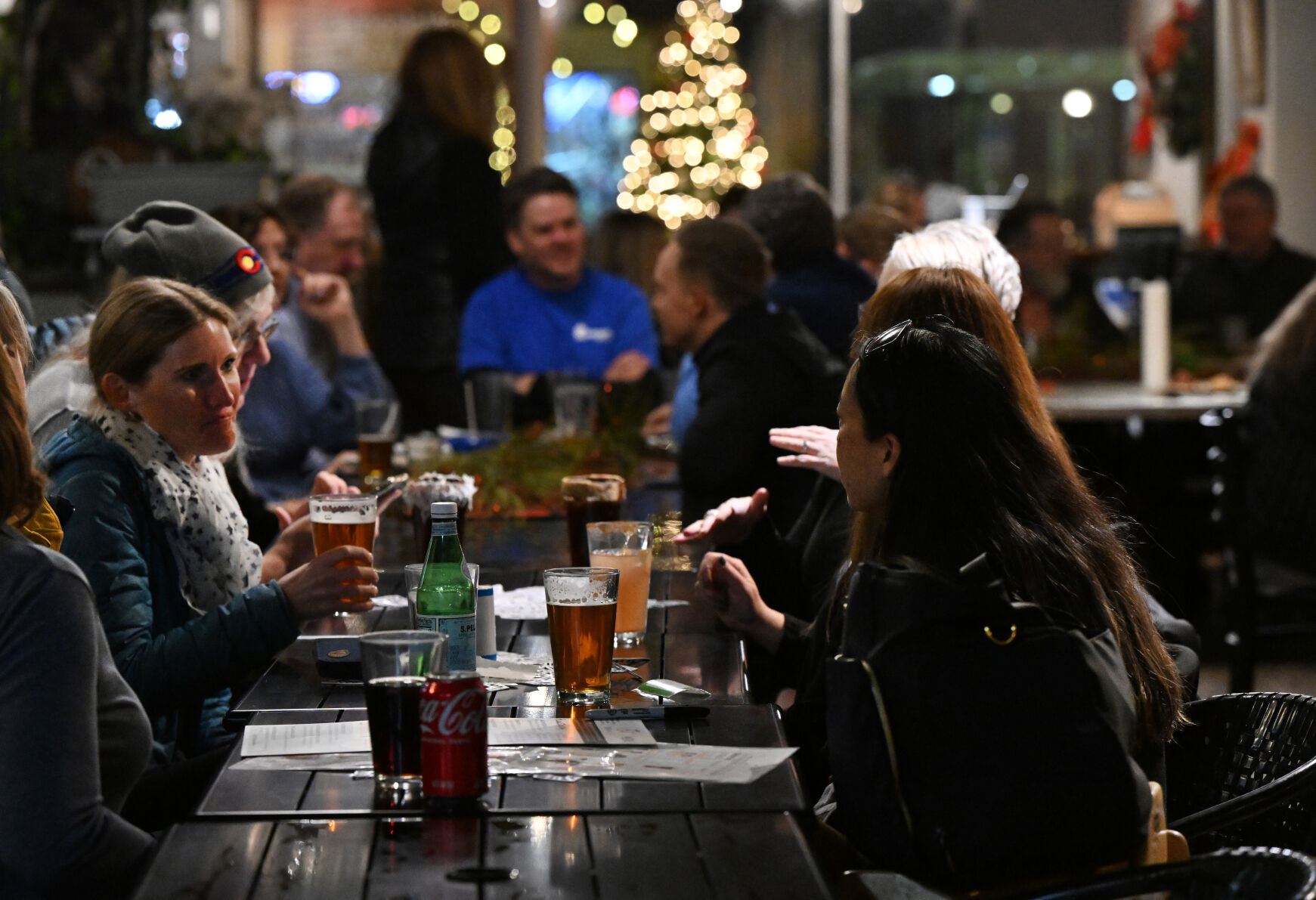
“We have some families who tell us this is the only place their children will eat,” Fixter says. “It gives parents a place to just breathe and relax and know that, if their kid has a meltdown, they’re not gonna be stared at. We’re here to support.”
At first, it was hard for Tanner Schneller to understand. When the longtime brewer came by the job at the business’s start, the idea sounded “daunting,” he admits.
Then he got to know the workers. How eager they were to learn. How some just needed a small accommodation. How loyal they were.
“It turned out that nobody really left,” Schneller says six years later. “We have a very, very low turnover rate. I don’t think I have worked any other job that retains employees like we have. And obviously a lot of other places have the opposite problem.”
While restaurants report struggles for help, Fixter says her waiting list for people wanting to work at Brewability numbers close to 300. (“If you’re looking, I’m happy to help teach and train and get you staffed up,” she says.)
But Brewability has not been immune to other industry challenges. Fixter says sales are down 33% while food costs are up 40%.
Some days, she’s scared. “I’m scared that if we fail, nobody else will try,” she says.
There is, indeed, still work to be done. Brewability continues to be a victim of hate.
Last year, messages were scrawled on a nearby utility box and dumpster. “Why do we want autistic people to know how to be drunk?” read one. “Alcohol and autism don’t mix,” read another.
Fixter addressed the perpetrator on Facebook: “We have a strong community of people who believe that people with disabilities have the power of choice. In addition to beer (all below 7%), we sell soda and local On the Fence kombucha. We also sell pizza. We do not pressure alcohol consumption on staff and customers.”
She ended: “You do not need to support us, but you cannot stop us.”
Tony Saponaro, for one, would not be stopped.
It can be hard for him to find peace, to settle his mind, he says. But making pizza, pouring beer, tending tables, washing dishes — the jobs at Brewability have a way of putting him at ease.
“It’s easier to be calm when you’re treated better,” he says. “And when you’re treated better, you work better.”
He’s not much of a beer guy.
“But I really like the community around beer,” he says, “and how people make connections around beer they wouldn’t make otherwise.”
Get OutThere
Signup today for free and be the first to get notified on new updates.
People with disabilities staff this Colorado brewpub: They have an inclusive message
ENGLEWOOD • It’s not often you see someone skip to work, smiling through the door to clock in. That’s what you see here at Brewability.
“Sometimes they dance into work,” says owner Tiffany Fixter. And sometimes they dance out the door, she says — “depending on how the tips are.”
It’s not often you see such exuberance in the workplace. Then again, it’s not often you see a workplace like Brewability.
In a beer-loving state, it’s the only brewery of its kind here and, Fixter believes, anywhere else.
The people making and serving suds and pizza are people with intellectual and developmental disabilities. More than two dozen here are navigating work and life with autism, Down syndrome, cerebral palsy and visual and hearing impairments, to name a few conditions represented behind the bar and in the kitchen.
They are people Fixter wants everyone to know. People wanting and needing to work.
They are Juliana Trunfio, who sometimes reads Braille to identify the right beer to pour. The tap handles are also color-coded, for co-workers who identify that way.
“As someone who is visually impaired, I have always been looking for a place where it’s OK to be different and I don’t have to fight for my needs,” Trunfio says. “Never did I believe I could be a bartender. And then I met Tiffany, and it’s been one of the best experiences so far in accepting fully who I am.”
They are Jacob Ruth, who struggled for acceptance growing up with autism.
In school, “they declared me a failure,” he says. “Was I bullied for having a disability? Yes, I was.”
At Brewability, he’s accepted. He’s encouraged, empowered.
“The ultimate mission is to bring welcome-ness, and I say keep it up,” he says. He spreads his arms wide, as if to reach all of Denver, all of Colorado, all of a nation. “I would love to see this place go here.”
That’s the problem, Fixter says. There’s not enough places like this.
This was a harsh reminder six years ago, when Fixter’s career in special education brought her to a Denver day center for adults with disabilities. It was where they went “just to have some entertainment throughout the day,” Fixter says.
“We were in charge of around 130 clients, and only one had a part-time job,” she recalls. “It was really disappointing. They’re sitting around this warehouse pretty much coloring and stringing beads, and they’re sad. There’s not a lot of purpose there.”
Thirty-two years after the Americans with Disabilities Act, millions of people with disabilities continue to face barriers when it comes to getting work. They “are still too often marginalized and denied access to the American dream,” according to a White House proclamation last year marking National Disability Employment Awareness Month.
According to the latest data by the Bureau of Labor Statistics, about 19% of working-age people with disabilities are employed. That’s compared with closer to 64% of people without a disability.
Fixter wanted to help fill the gap. And what better way to fill it, she thought, than with the coolest, hippest industry around?
She described the brewery idea in a Kickstarter campaign that at least got her started (she would seek capital from her parents, Estes Park business owners who made sacrifices). Conversely, that fundraising effort elicited “a few death threats,” Fixter says.
In a broad, rallying time for inclusion, Fixter saw those threats as more harsh reminders: Clearly, there was work to be done for people with disabilities.
“People are scared of what they don’t understand,” Fixter says.
Too scared, Trunfio says.
“People are scared of how to address things,” she says. “They think they don’t know how to talk to somebody who is visually impaired, they don’t want to say the wrong thing, and so they’re like, ‘I’m just not gonna say anything.’ It’s kind of like, ‘If I don’t hear it or see it, it doesn’t exist.'”
They might not understand the “sensory room” through Brewability’s front door — a quiet, cozy nook with certain colors and textures. They might not understand some of the workers with ear plugs, sensitive to noise. They might not understand the vibrating floor by the music stage in the corner. People unable to hear can dance along, too.
Some regular customers understand, though.
“We have some families who tell us this is the only place their children will eat,” Fixter says. “It gives parents a place to just breathe and relax and know that, if their kid has a meltdown, they’re not gonna be stared at. We’re here to support.”
At first, it was hard for Tanner Schneller to understand. When the longtime brewer came by the job at the business’s start, the idea sounded “daunting,” he admits.
Then he got to know the workers. How eager they were to learn. How some just needed a small accommodation. How loyal they were.
“It turned out that nobody really left,” Schneller says six years later. “We have a very, very low turnover rate. I don’t think I have worked any other job that retains employees like we have. And obviously a lot of other places have the opposite problem.”
While restaurants report struggles for help, Fixter says her waiting list for people wanting to work at Brewability numbers close to 300. (“If you’re looking, I’m happy to help teach and train and get you staffed up,” she says.)
But Brewability has not been immune to other industry challenges. Fixter says sales are down 33% while food costs are up 40%.
Some days, she’s scared. “I’m scared that if we fail, nobody else will try,” she says.
There is, indeed, still work to be done. Brewability continues to be a victim of hate.
Last year, messages were scrawled on a nearby utility box and dumpster. “Why do we want autistic people to know how to be drunk?” read one. “Alcohol and autism don’t mix,” read another.
Fixter addressed the perpetrator on Facebook: “We have a strong community of people who believe that people with disabilities have the power of choice. In addition to beer (all below 7%), we sell soda and local On the Fence kombucha. We also sell pizza. We do not pressure alcohol consumption on staff and customers.”
She ended: “You do not need to support us, but you cannot stop us.”
Tony Saponaro, for one, would not be stopped.
It can be hard for him to find peace, to settle his mind, he says. But making pizza, pouring beer, tending tables, washing dishes — the jobs at Brewability have a way of putting him at ease.
“It’s easier to be calm when you’re treated better,” he says. “And when you’re treated better, you work better.”
He’s not much of a beer guy.
“But I really like the community around beer,” he says, “and how people make connections around beer they wouldn’t make otherwise.”
Get OutThere
Signup today for free and be the first to get notified on new updates.
PREV
PREVIOUS
People with disabilities staff this Colorado brewpub: They have an inclusive message
ENGLEWOOD • It’s not often you see someone skip to work, smiling through the door to clock in. That’s what you see here at Brewability. “Sometimes they dance into work,” says owner Tiffany Fixter. And sometimes they dance out the door, she says — “depending on how the tips are.” It’s not often you see such exuberance […]

Dean Williams, lightning rod for normalization in corrections, ends four-year tenure
A wide-sweeping experiment of social “normalization” in Colorado’s correctional system has an uncertain future after executive Director Dean Williams announced the end of his nearly four-year tenure. Williams is an outspoken advocate for rehabilitation in incarceration and looks to international practices as reform models. He expanded arts, mentorship and education programs, allowed inmates to travel […]