Colorado lawmakers talk safety, ‘Bill of Rights’ for students in trouble with the law
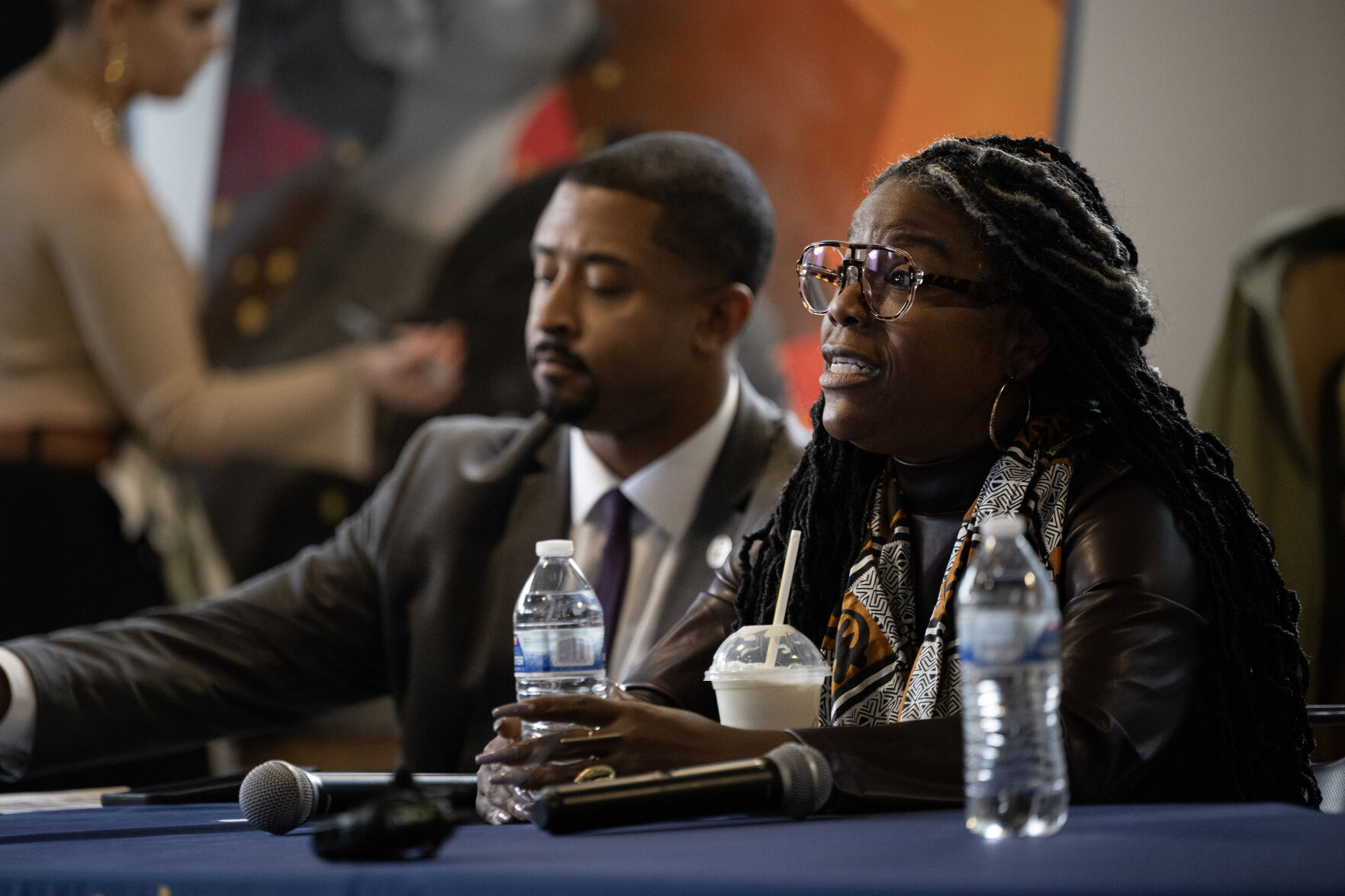
State Rep. Jennifer Bacon had a message for the high school students who turned out Wednesday to talk about school safety: “We need you all to share your stories.”
Bacon, a Democrat who represents Denver, added: “I know you can change minds.”
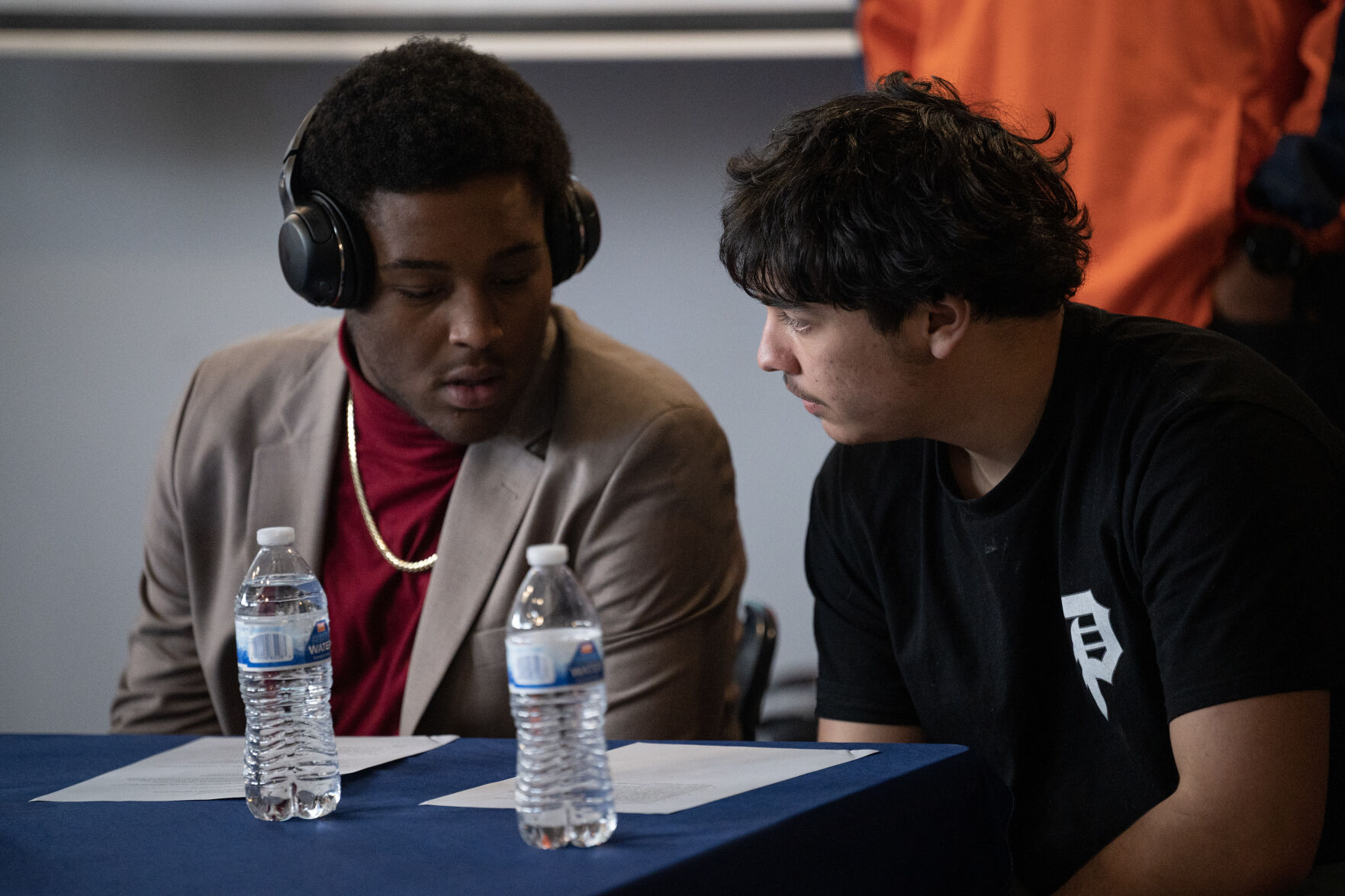
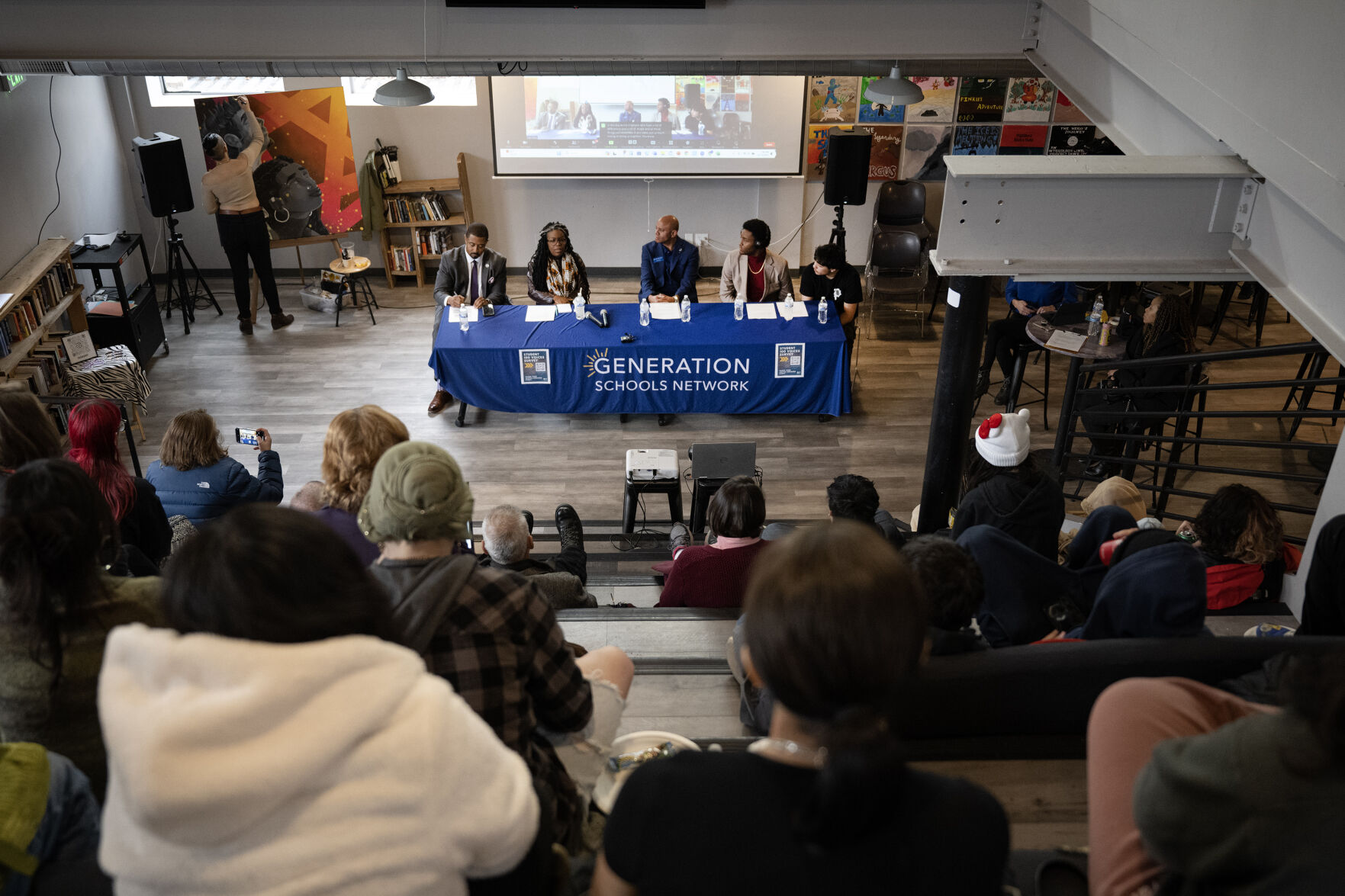
Nearly 150 people, including at least 30 students, attended the event online and in person at 5280 High School, said organizers with Generation Schools Network (GSN), who hosted the event.
5280 is a charter school that serves students who struggle with substance abuse, self-harm, eating disorders and other destructive behaviors, according to the school’s website.
For months, organizers with the network have been working to draft what they’re calling a “Justice Engaged Student Bill of Rights.”
The effort first began in 2021 with a grant from the Colorado Attorney General’s Office and a two-year pilot program to connect students, families and educators while collecting information on academic disruptions caused by interactions with the legal system.
Founded in 2006, GSN is a nonprofit organization in Denver that seeks to help every student thrive in school, work and life.
Wednesday’s event was designed to gather information that will help shape the language for a bill the organization hopes to introduce in the upcoming legislative session.
The local effort seeks to help students who have had encounters with the legal system graduate high school by eliminating barriers and creating pathways to school re-entry.
A bill of rights is necessary, supporters say, because earning a diploma is correlated with financial attainment and the graduation path for these youth is not often a straight one.
Simply put, “justice engaged” or “justice involved” students are youth who have come into contact with the criminal justice system either as victims, offenders or witnesses. Advocates and school officials alike use this language to describe students who may or may not be adjudicated.
While a bill of rights for troubled children isn’t a new idea in Colorado, there is no such provision for “justice-engaged” students.
Bacon and Wendy Loloff Cooper, CEOs of Generation Schools Network, said if passed in Colorado a bill for justice-involved students would be the first in the country.
Understanding the breadth of the issue is tricky.
No state or local agency in Colorado tracks the educational outcomes of these students.
Young people involved in violent crime have been at the center of a brewing debate over how best to ensure their education.
Some argue for better tracking of these cases and a bill of rights to give students charged criminally the attention they need. Broadly speaking, the idea has attracted the support of Denver Public Schools — but also pushback from others concerned other children could be placed in peril.
“Our system is not designed to meet young people where they are,” Bacon said.
Last year, nearly 6,500 Colorado youth had been newly engaged with the justice system, Cooper said.
Very few are expected to graduate.
A University of Washington study in 2019 found only 20% of students with court interactions graduated high school compared to 74% of their peers. Of those who did graduate, 19% had a delayed graduation.
While the bill’s language is still being formulated, it is expected to include tracking requirements, a “navigator” to assist justice-engaged students with school re-entry, clarification on academic transfers between lock-up facilities and districts, among others.
Bacon said she hoped to introduce a draft of the bill by March.
“If kids are not in school, if they’re not learning, what do you expect will happen,” Bacon said. “This is about school safety.”
While the event was attended by state Sen. James Coleman, D-Denver, Bacon said they are still looking for a lawmaker to sponsor a version of the bill in the Senate.