







Biden’s executive order halting some asylum claims could reverberate in Colorado
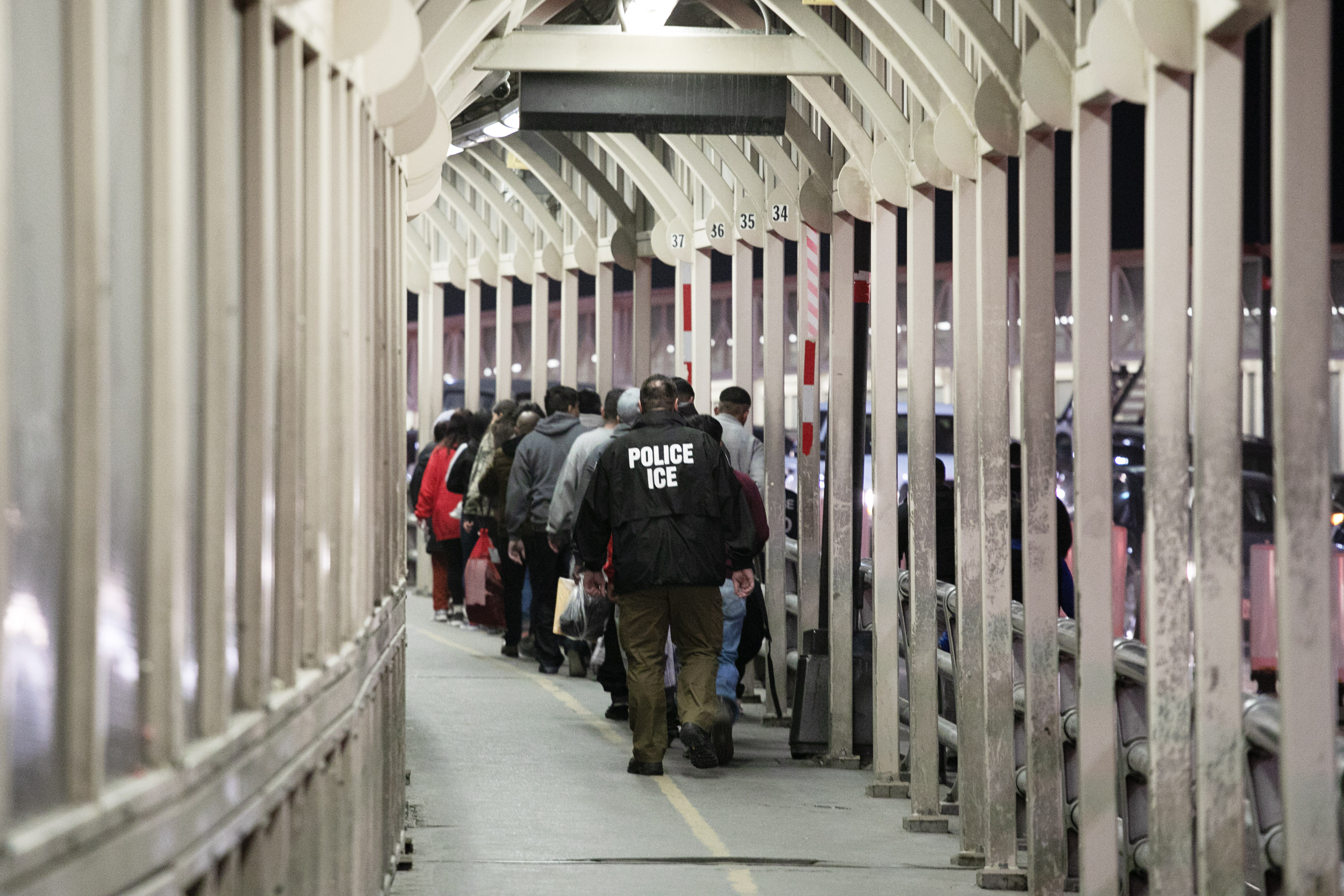
President Joe Biden is expected to sign an executive order on Tuesday halting certain asylum claims at the U.S.-Mexico border until crossings fall dramatically, a move that could have direct ramifications for Colorado, particularly Denver, which has struggled to respond to the illegal immigration crisis that has cost the city tens of millions of dollars.
Biden’s move appears to be a sweeping attempt to curb the flow of immigrants, addressing one of his biggest liabilities ahead of November’s election with Republican Donald Trump.
Biden’s move would effectively prevent new asylum claims by immigrants who illegally walk across the border until levels drop by roughly two-thirds of where they stand today, according to people familiar with the matter, who requested anonymity to detail the plans before they are publicly announced.
The measure would kick in once levels hit roughly 2,500 crossings per day between ports of entry. U.S. authorities recorded about 4,300 encounters per day in April with the immigrants between ports of entry, according to the most recent data available. That means the administration can move quickly to bar a large swath of asylum claims, though the policy is sure to be challenged in court.
In Denver, the crisis has cost city taxpayers more than $70 million. Denver has received roughly $17.3 million in state and federal reimbursements.
And Denver’s local spending doesn’t count education and health care costs.
From November through January, for example, the UCHealth system assumed more than $17 million in uncompensated care for the patients. Within that timeframe, UCHealth officials estimated that the health system saw roughly 5,800 immigrant patients who are new to the system. This represents a 69% growth in this patient cohort, compared to the same period in the previous year.
Meanwhile, Colorado lawmakers have directed $24 million in one-time funds from the state education fund to the Department of Education, an allocation that aims to help districts address any increases in enrollment that occurred after the pupil count. Many of the newly-enrolled students are immigrants who came to the United States with their families.
Early in the crisis, officials in Denver decided that local taxpayers would shoulder the cost to temporarily house, feed and transport tens of thousands of the immigrants, who traveled to Colorado’s most populous city after crossing the U.S.-Mexico border illegally.
As of Monday morning, 42,137 immigrants — mostly from South and Central America, specifically Venezuela — have arrived in Denver since December 2022.
Mayor Mike Johnston’s administration has had to freeze hiring and cut services to pay for the growing expense, which he initially estimated — at the height of the latest wave in January — at $180 million.
That figure has been cut in half with the drop in border crossings and reductions to immigrant services.
It remains to be seen what Biden’s executive order exactly bodes for Denver. Johnston’s office did not respond Monday to a request for comment.
While immigrants have long sought a new home in Colorado, the migration over the past 19 months is distinctively different than in previous immigration waves. Mexicans — who have deep roots in the U.S. — primarily have driven earlier waves.
Spokespersons for U.S. Sens. Michael Bennet and John Hickenlooper — both democrats — declined to comment, saying they had not yet seen the executive order’s language.
The Denver Gazette also sought comment from the Polis administration, which did not respond in time for publication.
U.S. Rep. Lauren Boebert took a swipe at Biden on Monday, without mentioning the president’s move to limit the number of asylum seekers when crossings spike.
“Biden granted effective amnesty to 350,000 illegals without getting permission from anyone,” Boebert said on X, formerly twitter. “He did it in such a way that didn’t even require permission from Congress. Joe Biden has one goal — fill America with as many invaders as possible.”
Lawmakers and others have been invited to the White House for an event on Tuesday afternoon, the people said. Biden would allow asylum claims to resume only once border encounters fall to about 1,500 a day, the people said.
‘Too little too late’
The order is Biden’s most aggressive attempt yet to tackle the crisis on the U.S.-Mexico border, which has seen record levels of immigrants and taxed communities across the country struggling to deal with the influx of new arrivals. A bipartisan Senate plan that would have given Biden similar powers was blocked by Republicans at Trump’s behest earlier this year, denying the president a political win.
Tuesday’s order is politically risky.
It will likely invite criticism from Biden’s left flank. It has the potential to stymie his efforts to shore up an electoral coalition already riven by divisions over his handling of the Israel-Hamas war and overarching concerns over his age and fitness to serve a second term.
Trump has hammered Biden on the border, spotlighting violent crimes allegedly committed by people who crossed the border. Polls show a close race between Trump and Biden and voters say the border and immigration are critical issues.
In Colorado, a recent statewide poll showed illegal immigration emerging as the paramount issue for Colorado voters. Roughly two in three view the unprecedented influx as a major problem lawmakers should address.
Biden’s timing reflects an effort to deter an increase in crossings that typically happens in summer and early fall right before the election, and comes amid a political transition in Mexico.
Outgoing Mexican President Andres Manuel Lopez Obrador has taken steps to curb crossings. His successor, Claudia Sheinbaum, who was elected the next leader on Sunday, doesn’t take office until Oct. 1, and it is unclear what actions she will continue to take. The U.S. administration has said it has no reason to expect a change.
Border crossings have already fallen from the highs seen in late 2023 and Biden has taken steps in recent weeks to tighten immigration rules and drive those numbers down further. In May, the administration proposed a rule that would allow the U.S. to expedite expulsions of immigrants seeking to claim asylum in certain cases, though the change would only affect a small percentage of those caught on the border.
Biden will look to enact some of the changes under Section 212(f) of the Immigration and Nationality Act, which also will likely invite legal challenges. Trump’s actions on immigration while president, including a travel ban, also invoked those authorities and tested the boundaries of the law. Some of his measures were overturned in court, limiting the options available to Biden.
Top Department of Homeland Security officials have stressed the limits of executive action. More broadly, the White House has argued the main constraint on addressing the situation at the border is a lack of funding and staffing — issues Biden can’t address on his own. The White House has repeatedly said any executive action it takes will not match the power that a bill passed by Congress would have.
Republicans criticized the expected move.
“It’s too little too late,” House Speaker Mike Johnson told Fox News Sunday. “The only reason he’s doing that is because the polls say that it’s the biggest issue in America.”
The Associated Press contributed to this article.


