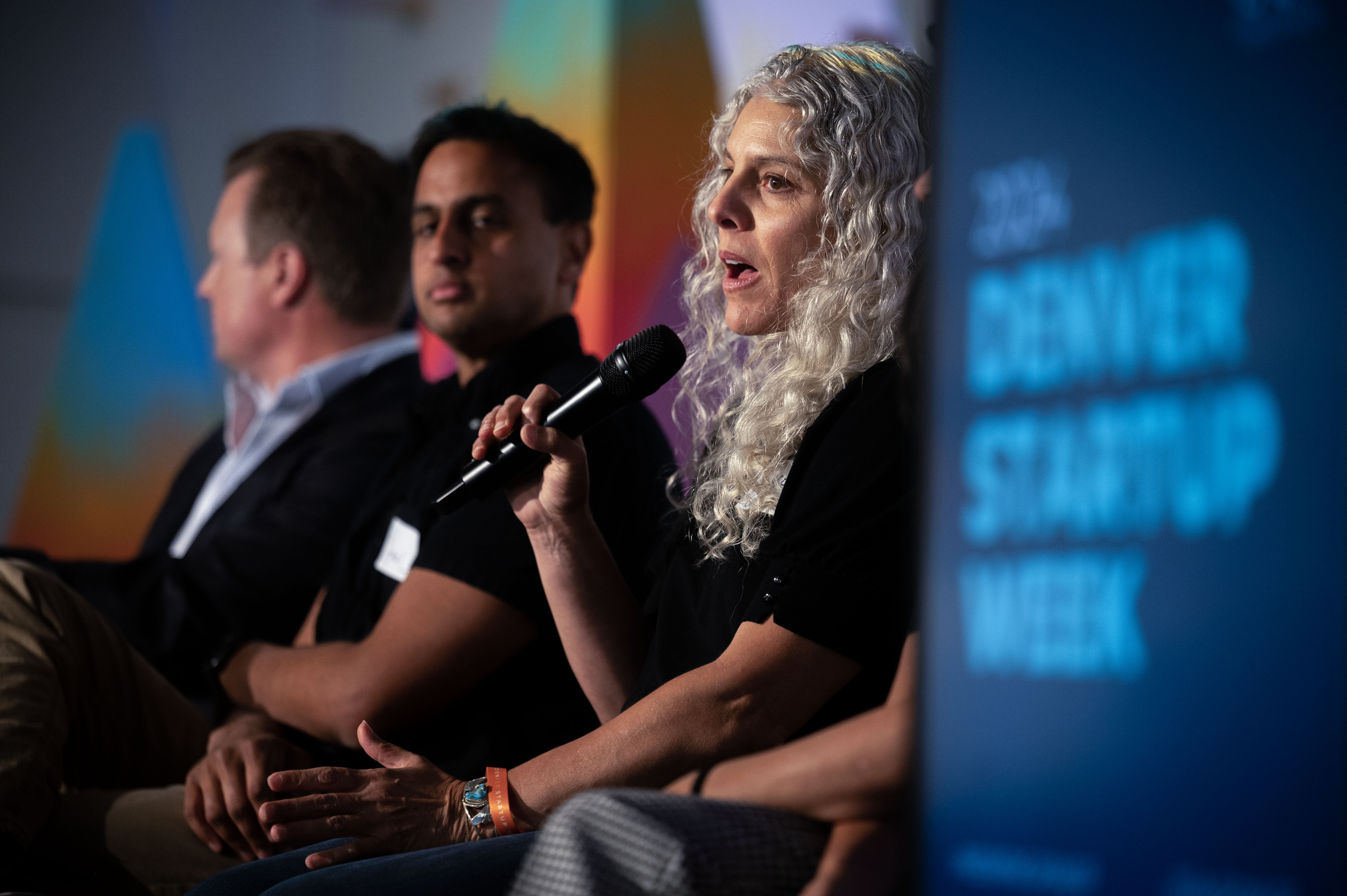
What’s holding Denver’s startup scene from growing like Austin or Miami?
“It's going to be just like climbing a 14er,” a Dish Network executive said. “And some parts of those are just going to be really hard.”
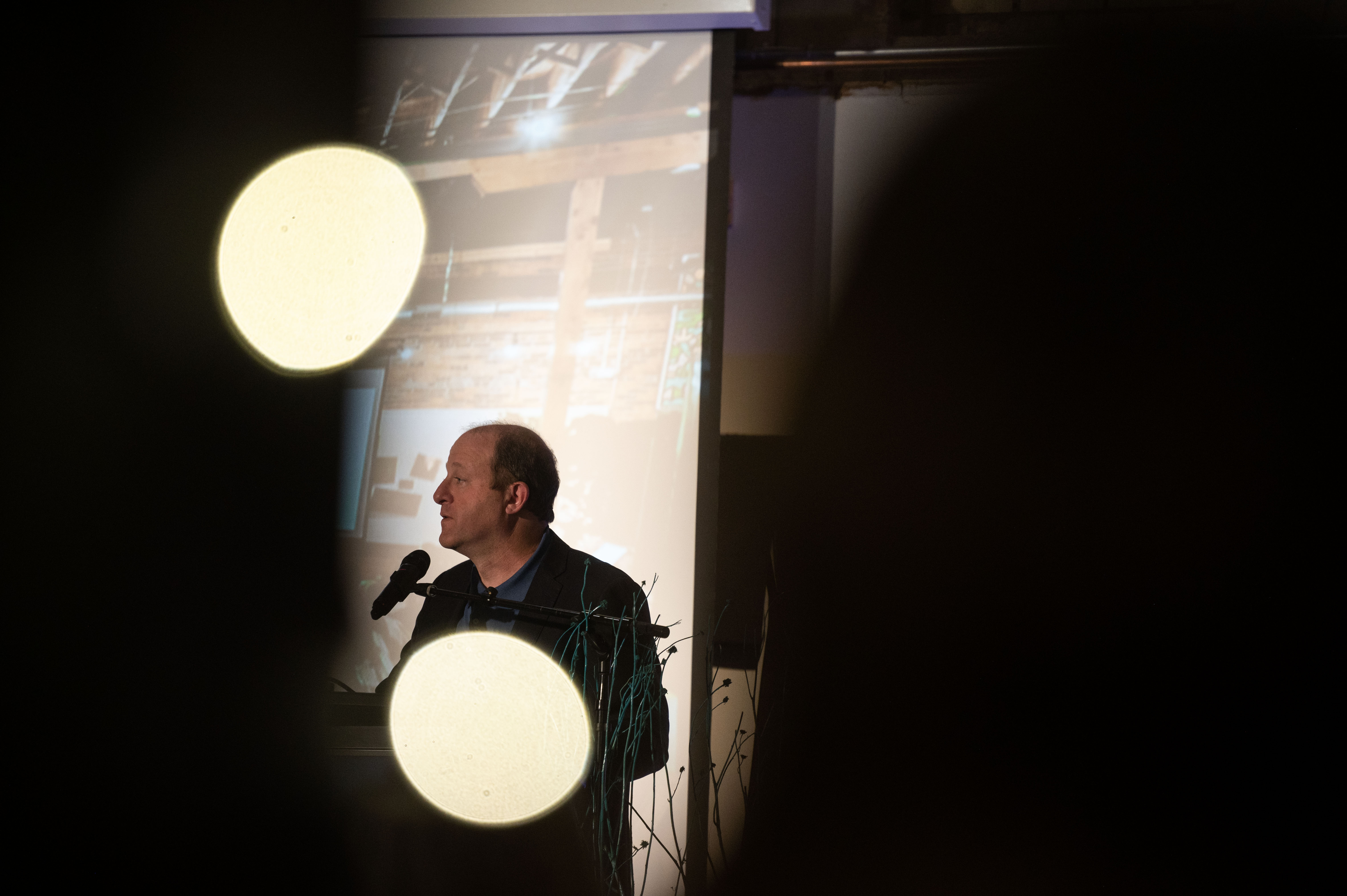
When venture capitalist and entrepreneurial coach Nicole Glaros moved to Denver in 2000, she described much of Colorado as still a “cow town.”
The state’s startup community then could fit into a small conference room, she recalled on Thursday.
Jumping forward to 2024, the number of companies and investors exploded. Colorado is much more diversified and less reliant on oil and agriculture, Glaros said.
This week, the city’s annual Denver Startup Week hosted approximately 12,000 technology professionals within downtown.
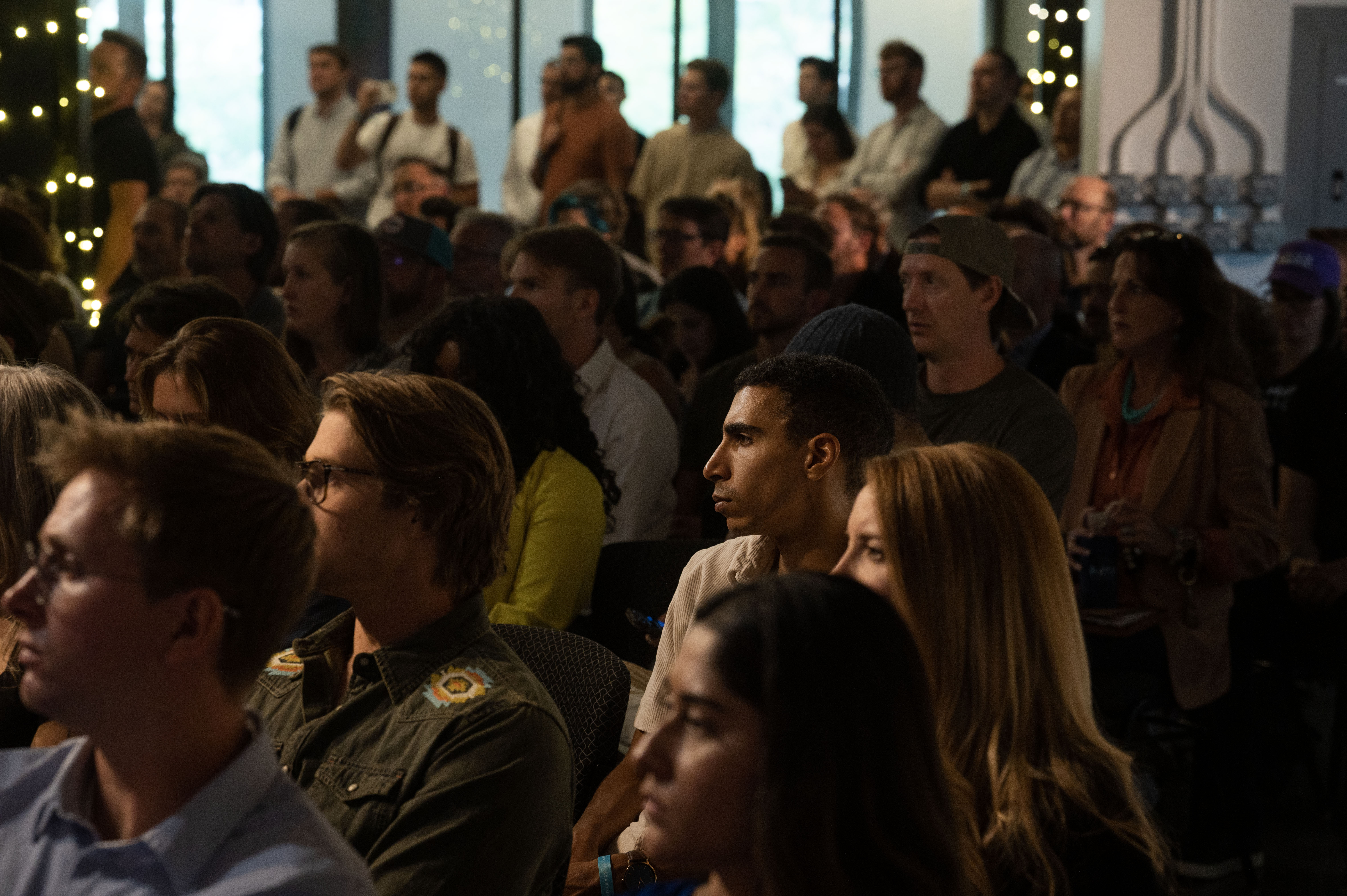
“I always say that building these ecosystems, it’s a 20-year project,” Glaros told a room of nearly 100 people at one of the conference panels. “And it starts over every single day.”
But recent headlines have cast doubt on the state of the Denver metro startup community, said Denver Startup Week co-founder Erik Mitisek.
On the last day of the yearly tech conference, organizers put together a session titled “Colorado: Peaked or still climbing?” to discuss how Denver went from being considered a rising startup hub in the 2010s to Austin and Miami getting more attention as the next star destinations to launch a tech company.
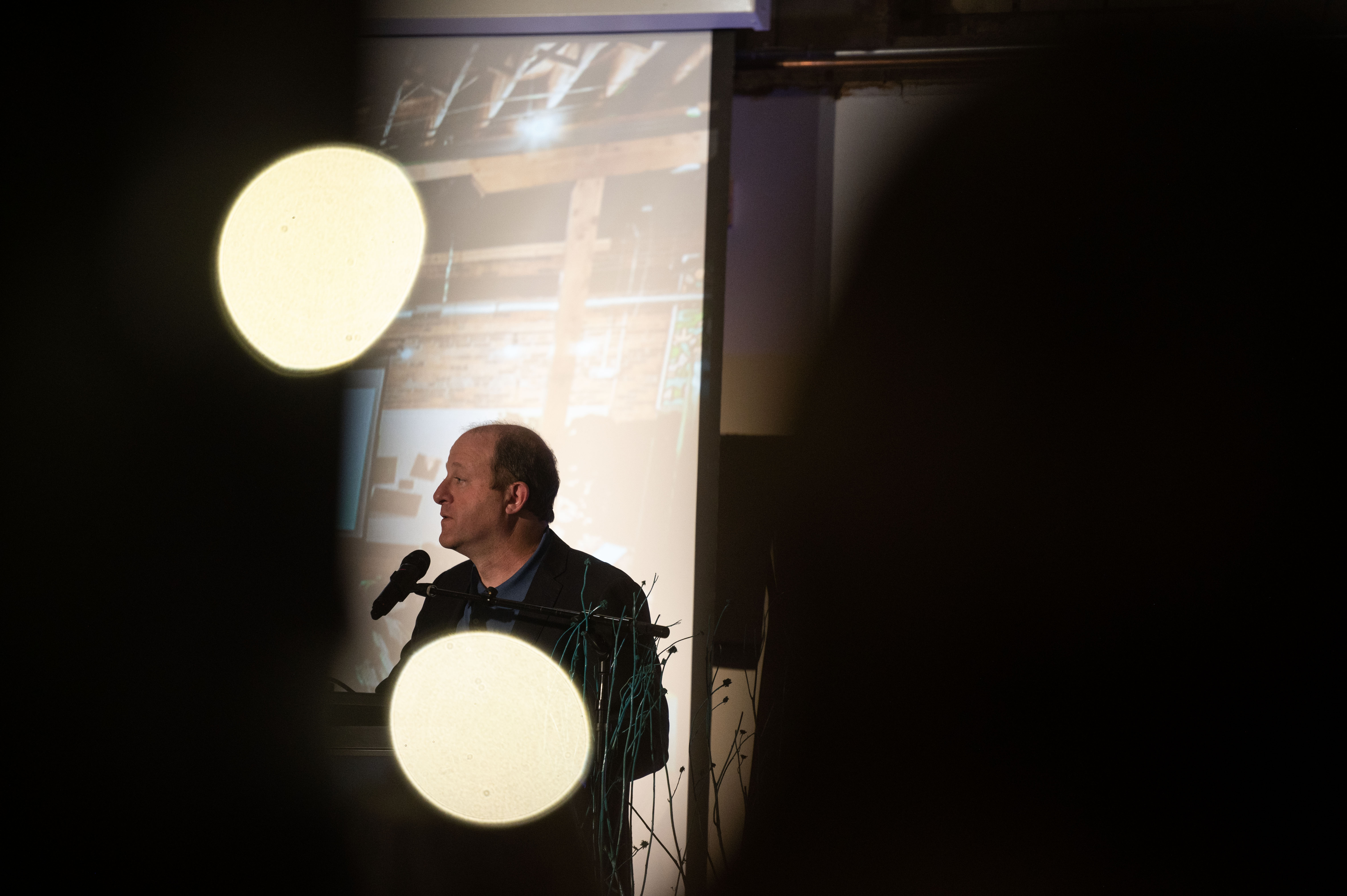
One of the region’s first accelerators Techstars — a Boulder institution co-founded in 2006 by Gov. Jared Polis, venture capitalists David Cohen, Brad Feld and David Brown — announced in February it would move its headquarters to New York City. Numerous local tech companies had layoffs.
And about a third of downtown Denver office buildings sit empty.
But then there’s been plenty of good news, too.
Denver was named the hottest job market in the U.S., according to a study released by ADP earlier this month. The White House recognized Colorado as the nation’s top quantum computing hub. Earlier this year, Denver-based Ibotta became the state’s largest tech company to go public.
Colorado’s startup scene is still growing and attracting various industries to set up a presence in the state, said John Swieringa, Dish Network’s technology president and chief operating officer.
But it’s not ascending in a linear fashion, either, he added.
“It’s going to be just like climbing a 14er,” Swieringa said on the panel. “And some parts of those are just going to be really hard.”
Headwinds are ‘real’
For starters, Swieringa said, “we’ve got a lot of tailwinds in town right now.”
Colorado companies — especially in the quantum space — are focused on getting quality work done that most people don’t hear about, the satellite T.V. executive said.
But the headwinds are also “real,” he added.
Attracting top talent into the area is a struggle with Denver’s high cost of living, Swieringa said. Most homes in the area sold for about $600,000 last month, according to the Denver Metro Association of Realtors. Every business small and large is feeling the effects of housing prices in bringing in or keeping their employees, he said.
The COVID-19 pandemic also hit Denver hard and was a “step back” for the city, said Glaros.
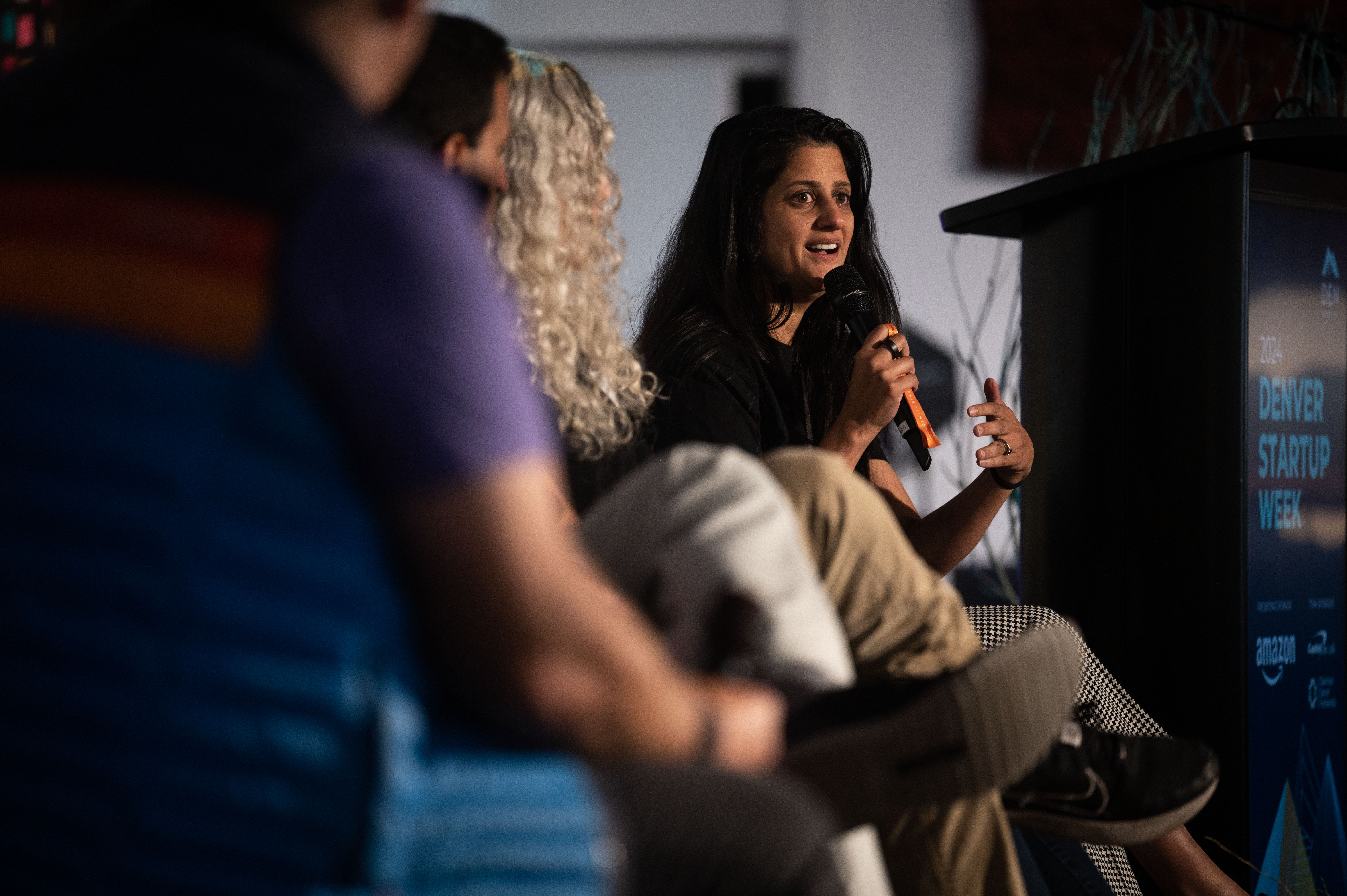
For Bijal Shah — the new CEO of Guild, a local company working with Fortune 1000 companies with managing employee education benefits — another reason it’s harder to convince workers to move to Denver is because the startup ecosystem isn’t fully developed yet.
“They’re taking a high risk on the job at a specific company because the ecosystem still needs further building,” Shah said.
Despite most of the decade seeing a shift to remote work because of the pandemic, she said, office locations are going to start becoming top of mind again.
“We’re seeing a movement back to people coming into the office and so locations can start mattering again more than it has,” Shah explained.
Cultural differences from Silicon Valley
As Denver Startup Week kicked off Tuesday, venture capitalist Dan Caruso called on Colorado to attract more investors on the ground to become a top 5 tech hub by 2035.
The region might not reach the heights of Silicon Valley or New York, he said, but it still has room to play in the big leagues. Colorado just needs more investors willing to take on risk.
It’s a point investor Amol Deshpande also brought up.
Deshpande of Divergent Investments moved to Denver two years ago from California and said the metro region is underinvested in and needs more “personality” investments San Francisco sees, adding that Colorado is losing many of its best companies toward cities where the money is.
“It’s very weak compared to the Bay area,” Deshpande explained. “In the Bay area, you go to a coffee shop and raise $5 million for a seed round.”
He did credit Denver’s culture for being more “normal” than other tech hubs as a positive.
There’s also a higher density of investors and entrepreneurs in Silicon Valley, making it easier for rising businesses to get access to free advice to guide their growth.
“Everybody here is a consultant. … Around here, everybody wants your money to talk to them like they’re experts or something,” Deshpande said. “So, I think there’s an opportunity to create a true ecosystem.”
Glaros also noted how getting good advice, an essential part of a startup ecosystem, is much harder for entrepreneurs in Denver.
“In Colorado, everyone’s really nice,” Glaros said. “They want you to succeed, but they don’t give you the feedback on why they’re not going to buy your product and why they’re not going to fund you.”
That culture needs to change, she said.
When asked if they believed Colorado’s tech scene has peaked, the investors and senior executives rejected the notion. The state hasn’t even begun the climb compared to other markets, Deshpande said.
The state’s startup scene has many good qualities going for it, he said, such as its talent pool that could equally compete with Silicon Valley.
“But for that to change,” he said, “somebody has to step up and write checks and take risks.”