King Soopers workers stopped striking — now the two sides have 100 days to come up with a deal
Over the next 100 days, union leaders and the grocer will work to settle their issues.
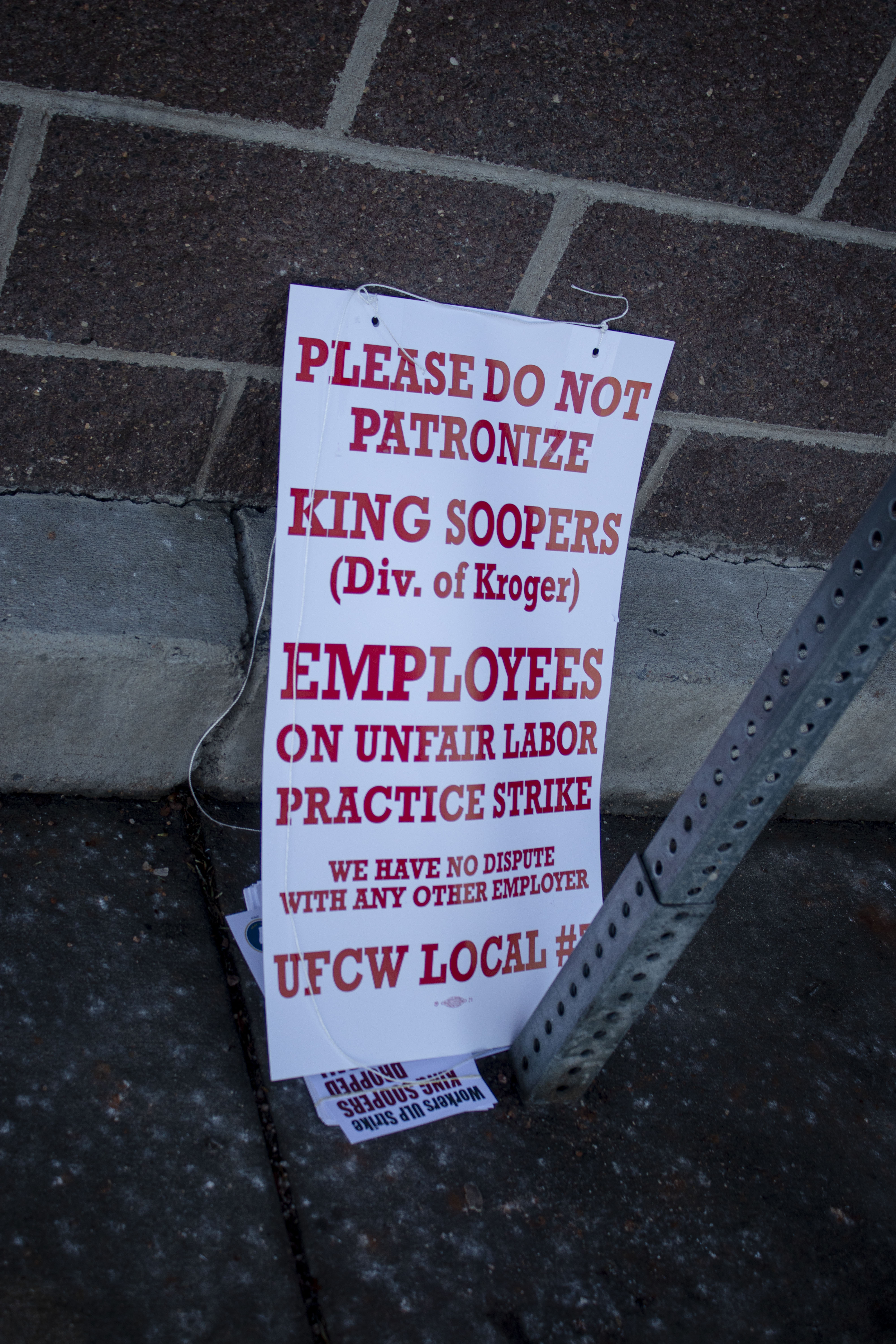
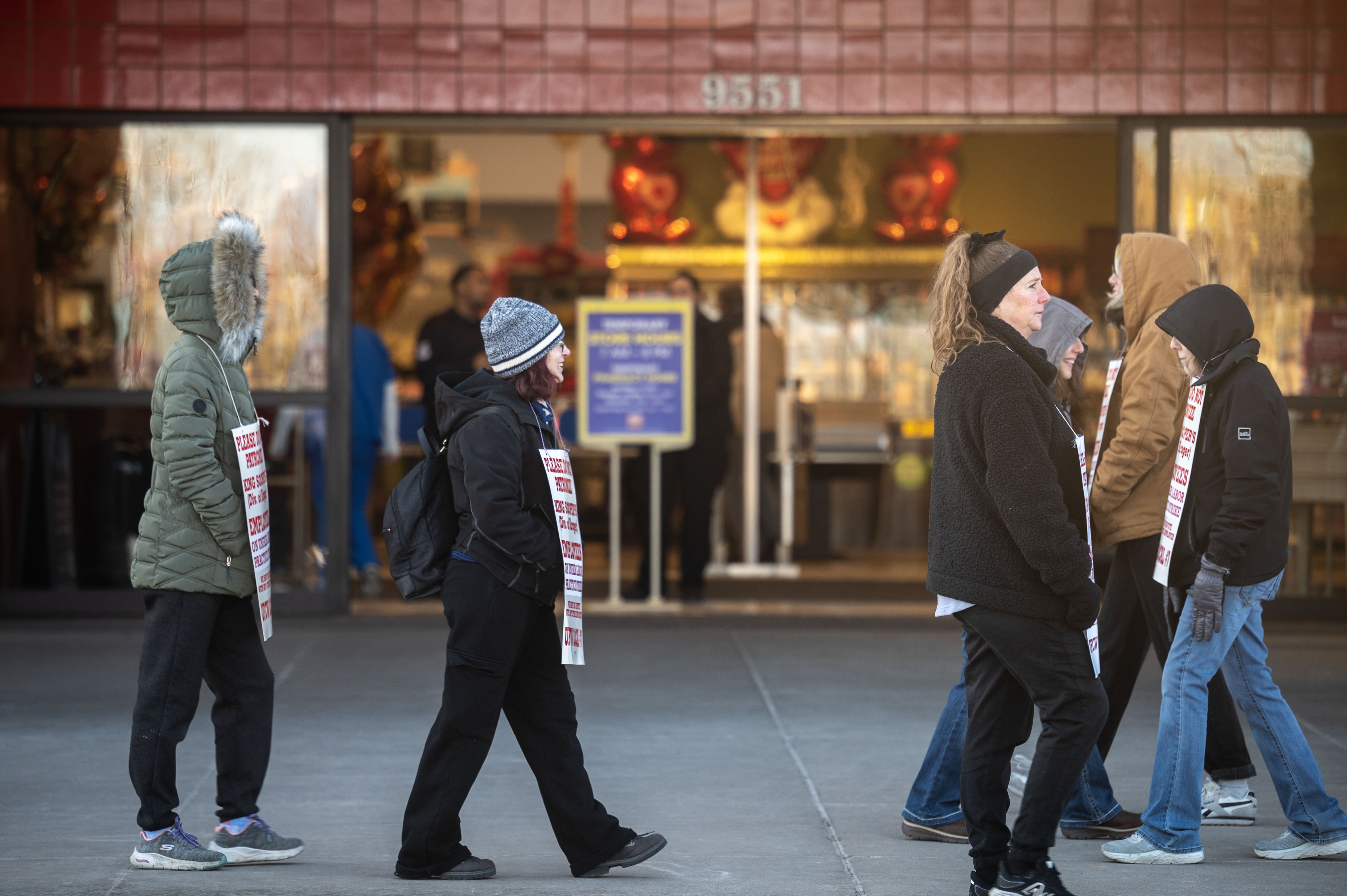
The strike against King Soopers lasted 12 days — at least for now.
It was longer than the metro Denver area strike against the grocer in 2022 and it sought to hurt the Colorado grocery chain owned by Kroger on Super Bowl Sunday and Valentine’s Day, two very lucrative shopping periods for the month of February.
The strike — originally planned to last two weeks — brought out lawsuits, a narrowly-crafted restraining order against the strikers, transporting and housing thousands of temporary workers at a cost to the company, allegations of illegal unfair labor practices, frustrations over staffing shortages, and warnings that employees were at risk of losing healthcare benefits.
It encompassed 10,000 unionized grocery workers across the region and expanded to two stores in Pueblo. Workers in Colorado Springs were authorized to join in at any time, though they never were called to walk off the job.
King Soopers stores began returning to some normalcy on Tuesday morning, but union leaders said the issues that led to the strike are still not settled, while the company it is committed to securing a long-term contract that “supports our associates, benefits our customers.”
Unlike when the 2022 strike ended, King Soopers and union leaders didn’t agree to a new contract for workers this time.
Instead, they agreed to a “100-day period of labor peace.”
“Our strike was just the beginning of our fight,” according to a memo for union workers.
“Our focus remains on reaching a fair agreement that honors their hard work while ensuring we continue to provide fresh, affordable groceries for the families who rely on us,” a King Soopers executive said.
The grocer and the United Food and Commercial Workers Local 7 agreed to restart contract negotiations on the condition that picketing will stop and workers won’t get retaliation for striking, according to an agreement signed by union president Kim Cordova and Kroger’s Senior Director of Labor Relations Ian Adams.
The union said the 100 days will give them enough time to propose a staffing proposal to address labor shortage issues and protect employee pensions.
King Soopers agreed to stop utilizing temporary workers hired for the strike by Thursday morning. It fully restored store and pharmacy hours at unionized locations beginning on Wednesday.
The grocer also agreed to give union workers the credits needed for healthcare benefits in April using work hours accumulated in January instead of February, which it’s normally based off of.
The standstill
Tension has been mounting for several months, as neither side could get near to an agreement.
The Denver metro region contract that was settled after the 2022 strike ended in mid-January after an extension, right as contracts in Pueblo and Colorado Springs were also expiring, pushing union leaders to threaten a larger strike across the Front Range.
The union claimed the grocer was participating in illegal unfair labor practices, wouldn’t give union leaders the necessary company data to create a staffing proposal to address labor shortages it said is straining workers, and claimed the grocer wanted to gut retiree health benefits and its offer wouldn’t provide sufficient wage increases for workers.
It also came on the heels of Kroger’s proposed merger with Albertsons falling apart, which the union strongly advocated for.
The grocer denied the allegations, calling them baseless, and stuck by its “Last, Final and Best” offer it proposed on Jan. 16, including throughout the strike.
The company said the union never came back with a counteroffer, and that the strike was backed by “misleading rhetoric, and we believe its purpose concerns unlawful objectives and issues unrelated to what is important to our associates.”
Thousands of workers — after voting in favor — began striking on Feb. 6. Picketers urged customers to go to competitors like Safeway.
King Soopers hired thousands of temporary workers from non-unionized stores or from out-of-state Kroger stores, which the company’s president, Joe Kelley, said was costly as the grocer had to cover their transportation and lodging costs. The grocer also cut store hours.
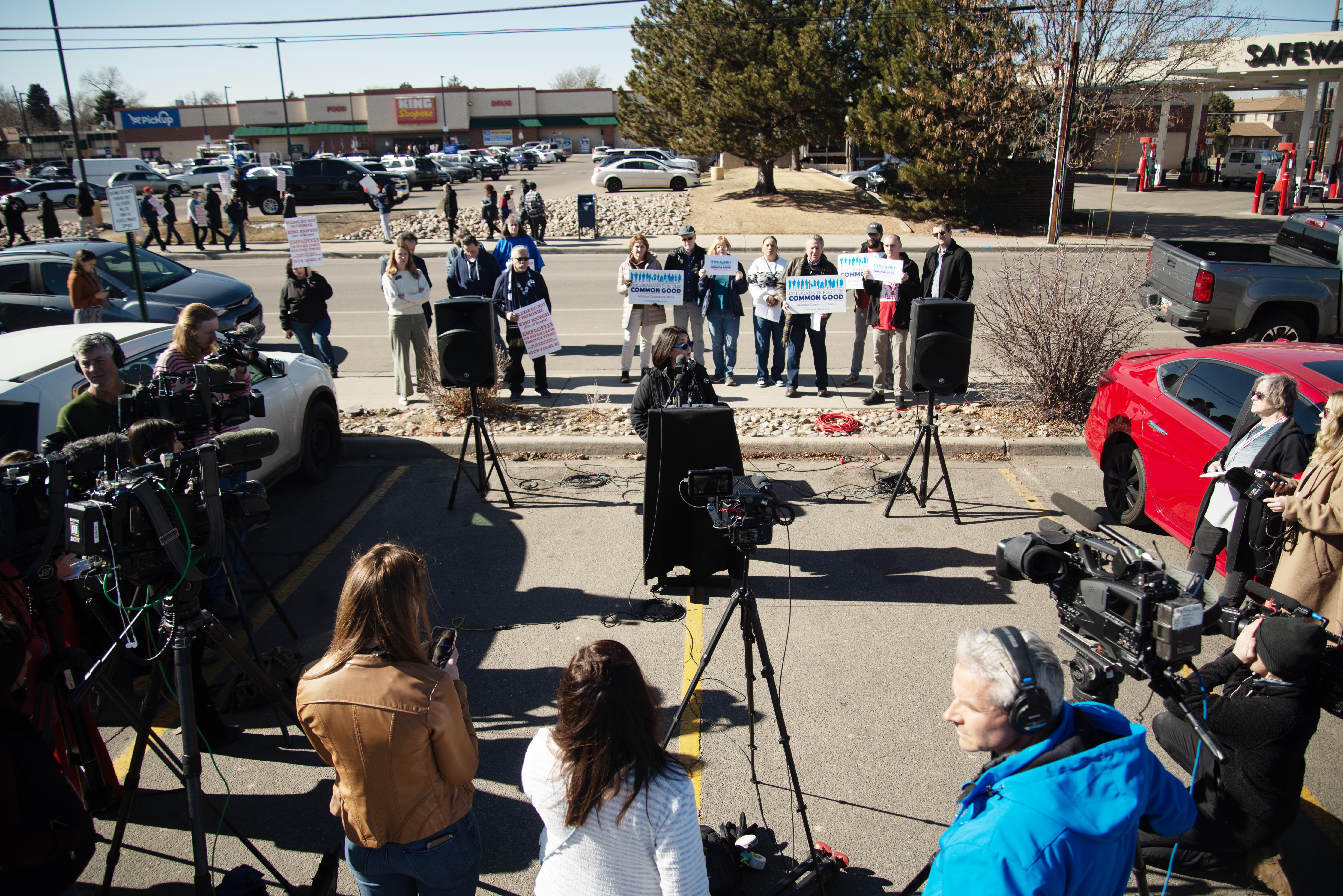
Cordova told reporters when the strike began that she was willing to extend picketing as long as necessary and to include other parts of the state from north Colorado to the Western Slopes.
Hours before deal made
Over President’s Day weekend, there was a flurry of last ditch attempts to come to an agreement.
For Cordova, she said it started when a judge ruled in favor of the union’s right to protest. The judge had granted King Soopers’ temporary restraining order against the union but also emphasized protecting the workers’ right to picket.
The grocer reached out to Cordova “shortly after” the Denver judge issued the order against strikers Friday, she said in a phone interview on Tuesday. The order was quite limited to what the grocer originally asked for, as it did not require picketers to stop protesting directly in front of store doors. The order said the union must instruct its members to not impede delivery vehicles or put temporary structures up or piles of trash in front of the stores that block traffic into the store.
King Soopers said it was ready to negotiate since the first day of the strike.
“One thing we did have discussions with the company about is that it took a strike for them to recognize that staffing was a problem here,” Cordova said. “That was a big deal.”
Workers willing to stand in freezing temperatures was a sign of how serious the issue was for them, she said.
The two parties discussed getting sales data that the union has been seeking in order to make its own staffing proposals and for King Soopers to pull its “final” offer. The strike almost ended a day earlier, the union president said, but she alleged the grocer walked back on those two agreements.
Kelley also said the two sides almost reached a deal Sunday after 13 hours of negotiating, but it fell apart late in the night over a few details.
By Monday morning, talks resumed.
It wasn’t until around 9 p.m., half an hour before the agreement was publicized, that Kelley said he felt confident the strike would come to an end.
The union and grocer eventually came to agree that the Jan. 16 offer was no longer final on Monday night. The offer is still on the table for the union to accept or reject, but there’s more room now for negotiations.
The sales data wasn’t included in the deal.
“We are still fighting over the data that we need,” Cordova said.
Kelley told The Denver Gazette that the union will not get the sales data, because it doesn’t play a factor in staffing decisions.
King Soopers uses unit data, he explained, because boxes are a better indicator of workload than sales numbers that can be skewed by inflation. He said the grocer is committed to addressing staffing issues, including testing ideas in several stores, but that data would not help and wouldn’t be part of the return-to-work agreement.
“We will give them any and all unit data, which we’ve already given it to them back two years,” Kelley said. “If they want more, we’ll give them that, too.”
Those are the kinds of details to be hashed out over the next 100 days.
Could another strike still happen?
Kelley said he believes the grocer and the union can reach a deal in several weeks, instead of 100 days.
“If we get to the table, roll up our sleeves next week and the union negotiates in good faith and we have an open mind, which we do, I think we can get this deal done pretty quickly,” he said.
Cordova still wants to remind people that another strike could be possible again after the 100 days if bargaining doesn’t improve this time around.
“We can strike again and we will if we have to,” Cordova said. “My hope is that they’re going to come to their senses.”
While it was a disturbance, Kelley said King Soopers’ business was still strong. He added that he doesn’t believe the union’s tactics were as effective as in 2022, as some customers reported feeling exhausted by the inconvenience.
Striking stores “outpaced our expectation,” he said.
Cordova meanwhile said the strikes succeeded in getting the grocer’s attention, as customers went to competitors. Safeway, Whole Foods and Sprouts parking lots were packed during the strike, she said.
“They knew they were in trouble,” Cordova said.
She added that Denver could also set a precedent nationally, as, she maintained, the issues the workers face are not unique to just Colorado. While disagreements may have begun here, she said she believes Kroger may have realized this is no longer a local issue and should resolve it here first before more contracts expire nationally.
In comments on UFCW Local 7’s Facebook page, several workers said they disapproved of the return-to-work agreement, saying continuing to strike would have pushed the grocer to cave to the demands the union was asking for.
The union’s response? They still have leverage.
“This is only one round of the fight,” according to the post.