Defense wraps up in trial of Fort Lupton officer who put woman in patrol car on train tracks
A criminology professor and researcher on use of force testified Thursday in the trial of a Fort Lupton police officer — who is charged with putting a handcuffed woman in a patrol car parked on train tracks that was hit by a freight train a few minutes later — that it’s possible for police officers to see some details of a stimuli-loaded scene around them without actually processing them.
“First, you must perceive before you can build into your sense-making,” said David Klinger, a professor of criminology at the University of Missouri-St. Louis.
His words bore echoes of language Officer Jordan Steinke used earlier this week, when, pressed by a prosecutor, she testified she did not realize the patrol car was on train tracks.
“I am sure I saw the tracks, sir, but I did not perceive them,” Steinke said.
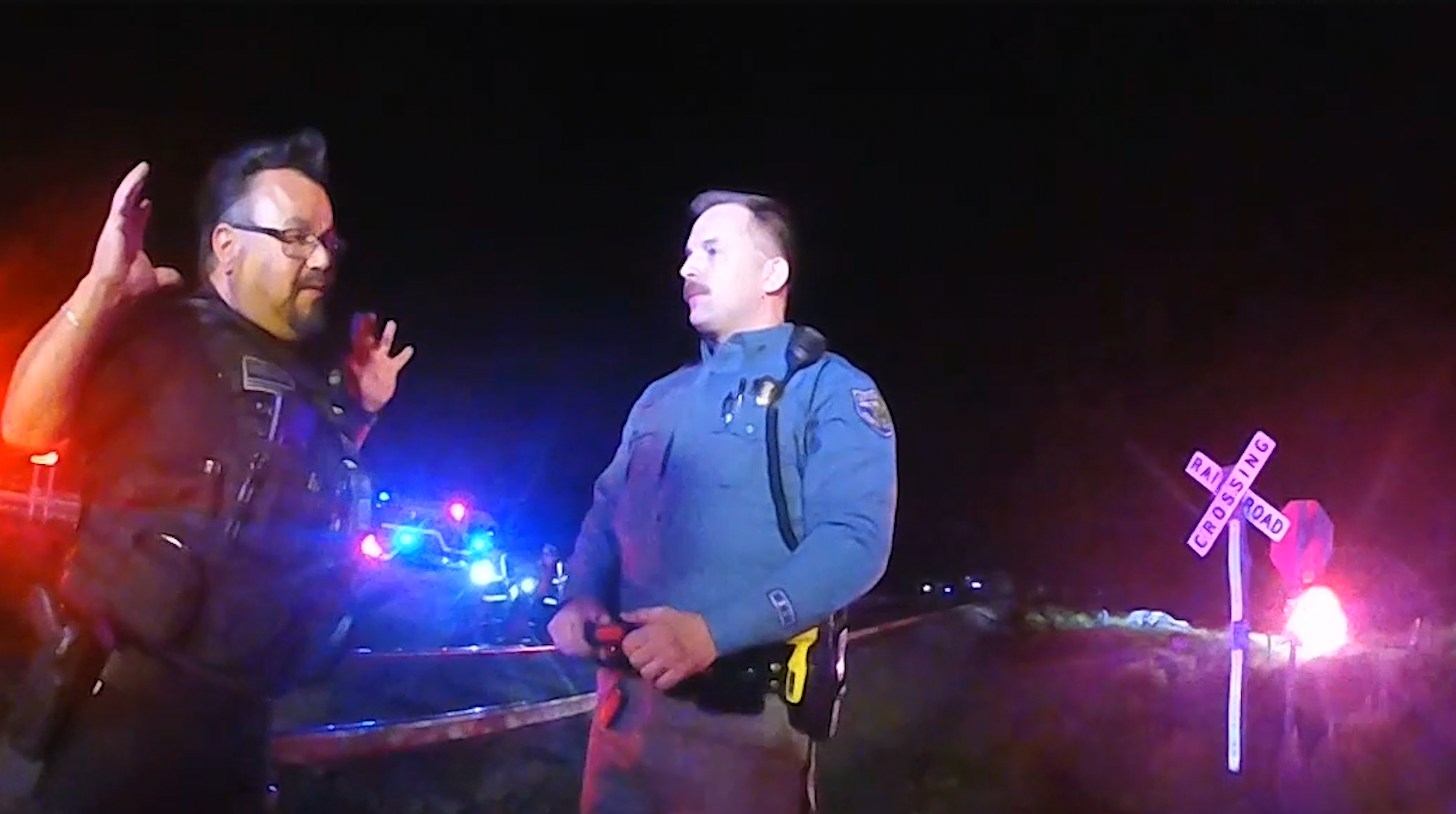
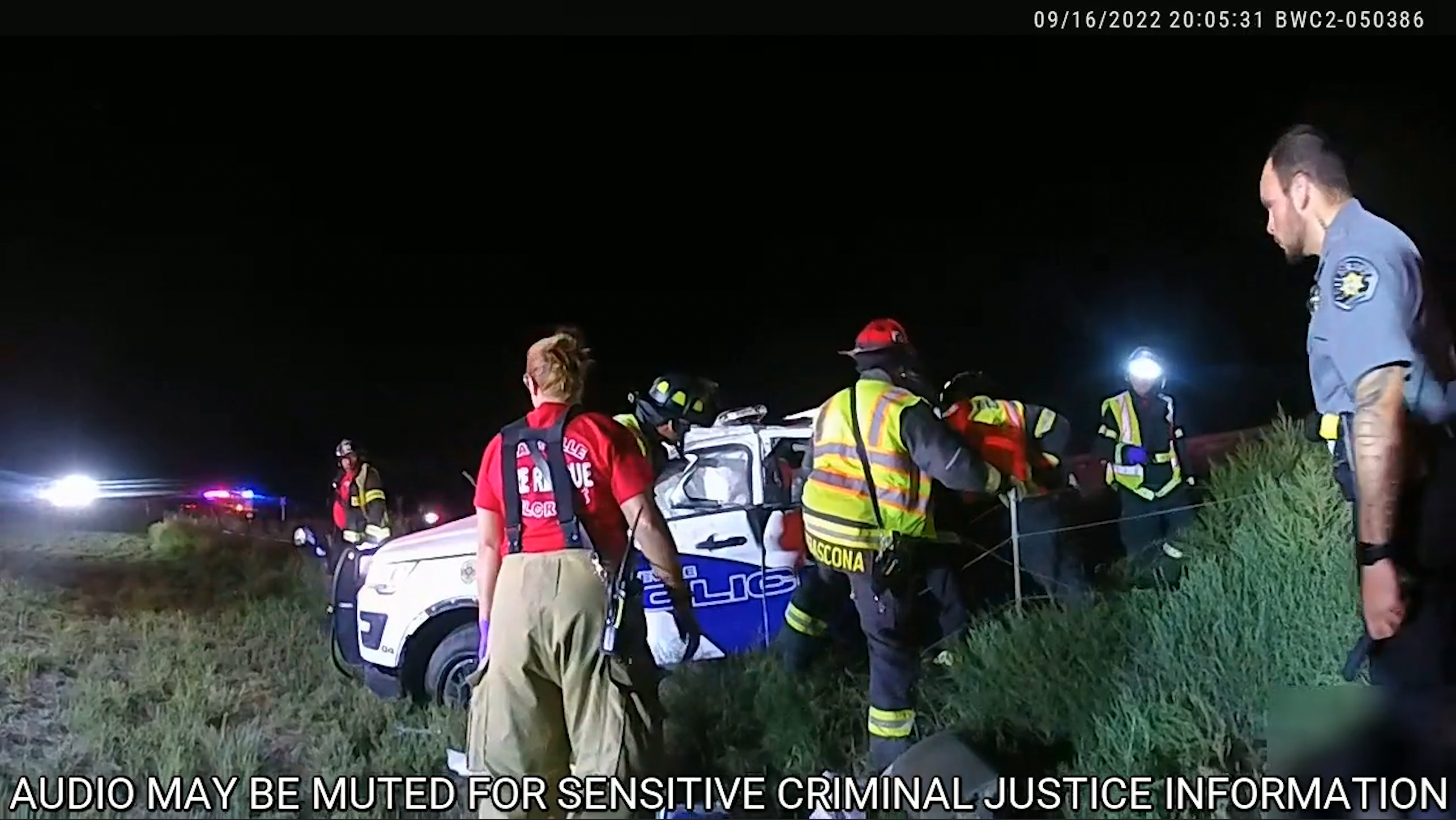
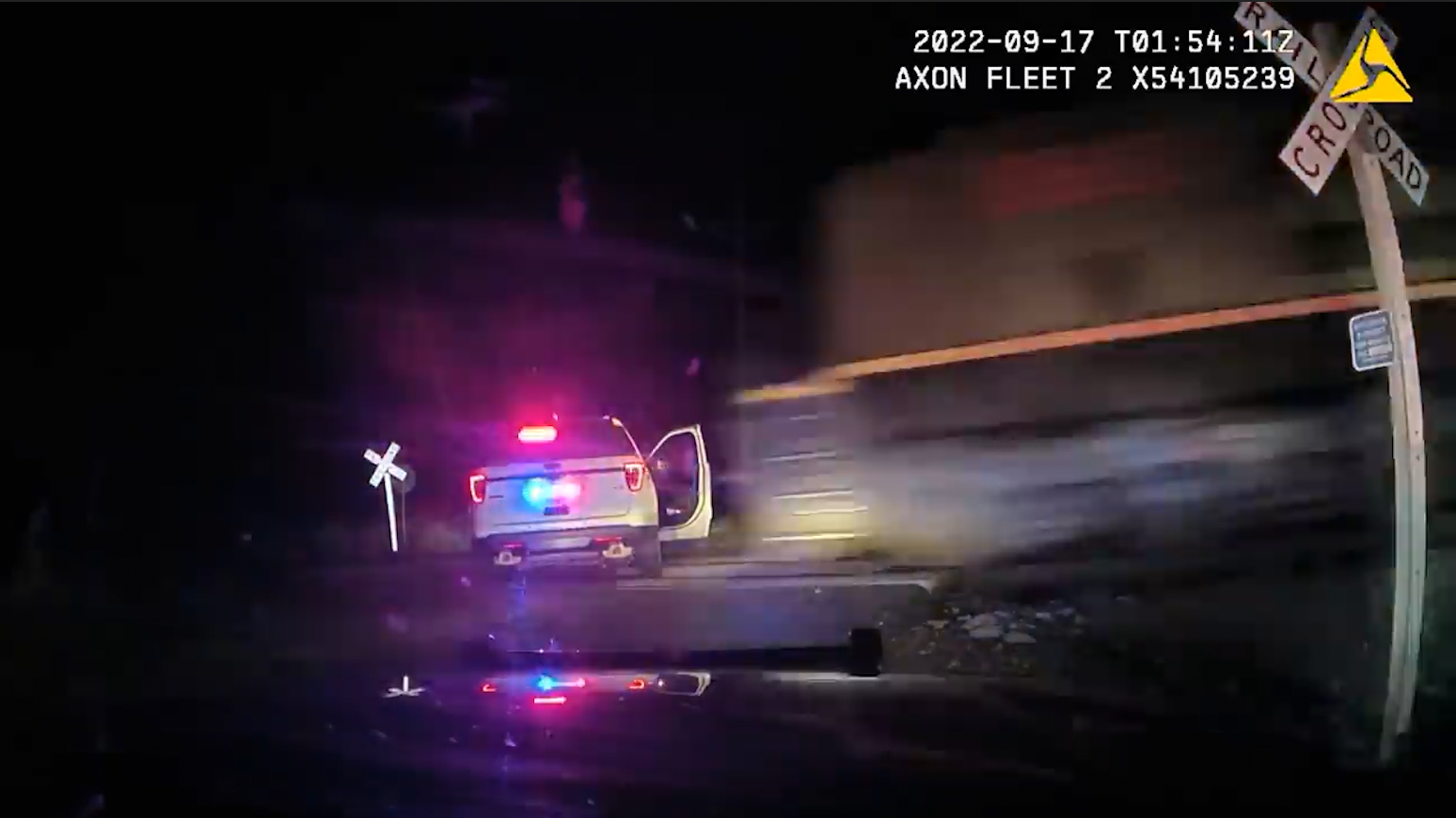
On the night of Sept. 16 last year, Steinke responded to a spot just north of Platteville, around Highway 85 and County Road 36, to arrest Yareni Rios because of an accusation she pointed a gun at a young man during a road-rage episode. She parked her patrol car behind another belonging to a Platteville police officer that sat on train tracks, and put Rios in the car – temporarily, while the officers processed the rest of the scene, Steinke testified.
About two minutes later, a freight train plowed down the tracks and slammed into the car with Rios still handcuffed inside.
Rios-Gonzalez survived the crash but suffered serious injuries, including a traumatic brain injury and broken ribs and limbs. She has filed a civil lawsuit.
Steinke faces three charges: Attempted reckless manslaughter, a felony, as well as reckless endangerment and third-degree assault, both misdemeanors. The Platteville police sergeant who parked his car on the tracks has also been charged with reckless endangerment.
Steinke’s defense attorney, Mallory Revel, mentioned shock and devastation the officer expressed after the crash in her closing argument Thursday, after she wrapped up her case on behalf of the police officer. Revel’s defense — that Steinke wasn’t aware of the train tracks — is key to a conviction or acquittal, because recklessness in the criminal context means awareness of a risk but disregarding it.
Someone can’t disregard a risk they’re not aware of, Revel said, and argued prosecutors have built their case on speculation and what they believe Steinke should have known, without presenting any witnesses who could corroborate that Steinke knew the patrol car was parked on tracks.
“When we look at the state’s case, there is reasonable doubt at every turn,” Revel said.
Revel called as her last witness Carl Tolman, an agent at the Colorado Bureau of Investigation who testified investigators re-created the scene of the crash and he found the train tracks were difficult to see looking north or south on a dark night, and someone walking on them around the road crossing wouldn’t have tripped over the tracks because they lie flush with the road.
Prosecutor Christopher Jewkes argued plenty of evidence shows Steinke was aware of the tracks: She drove through the area regularly going to and from work in Fort Lupton, she often stopped for trains at the crossing, dash camera video from the night of the crash shows flashing patrol car lights reflecting off signs announcing the train crossing.
“She saw, she knew, she was aware. Those signs are unmistakable. The tracks are unmistakable,” Jewkes said.
Chris Ponce, an attorney representing Rios in her civil case, expressed skepticism about the relevance of testimony by David Klinger, the criminologist, to Steinke’s case because he used examples of situations that escalated into officers shooting. By contrast, he said, Rios never posed a threat to police and he sees the circumstances of Rios’ arrest as a routine stop a police officer should be well-prepared to handle.
“The question really is, what counts as a stressful situation? In that paradigm that he explained, in the social psychological aspect of ignoring obvious details, it’s our opinion that this situation does not count as a situation that would be so overwhelmingly stressful to a police officer such that she didn’t notice that the train tracks were there.”
Revel declined to comment after Thursday’s proceedings.
Weld County District Court Judge Timothy Kerns will issue a verdict, instead of a jury. He indicated he plans to rule at 1:30 p.m. on Friday.