







Jury finds Denver police violated rights of protesters during 2020 George Floyd demonstrations; awards $14M
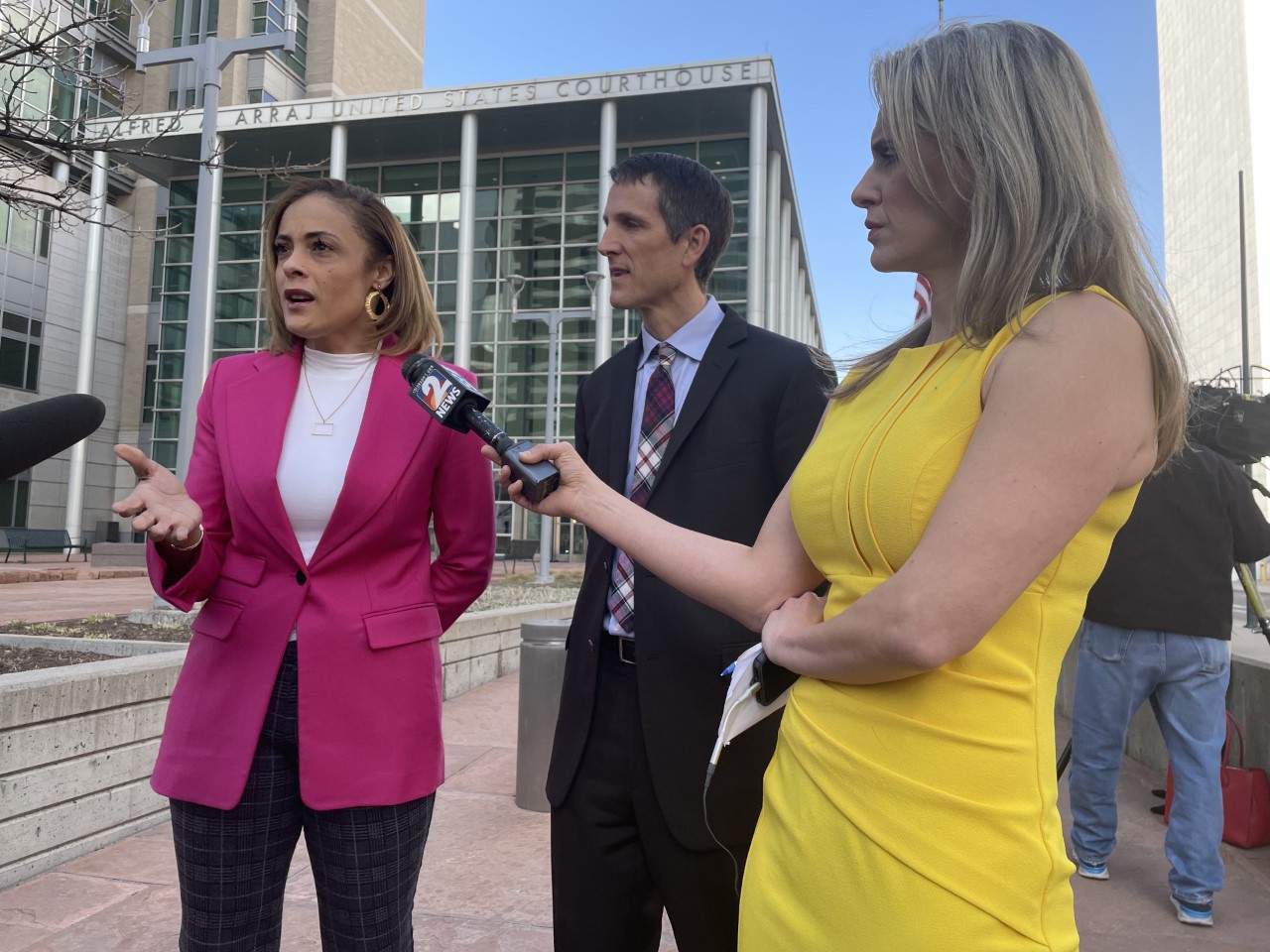
It took jurors around four hours to find that Denver police violated the constitutional rights of demonstrators by using excessive force during George Floyd protests in 2020.
The jury awarded the protesters $14 million in damages.
The case went to the jury Friday morning when attorneys wrapped up their closing statements after three weeks of trial.
A dozen protesters had brought the federal excessive-force case against Denver, claiming that misuse of less-lethal weapons by police during the 2020 demonstrations violated their constitutional protections against excessive force and for free speech, peaceful assembly and to petition their government.
Less-lethal munitions refer to projectile weapons and to chemical agents such as tear gas and pepper spray. The term has been criticized because the munitions it covers can cause serious injury or death.
The protesters said they had been affected in one way or another by these munitions. Zachary Packard said he was knocked unconscious and suffered a fractured skull when he was hit in the head by a shotgun blast of a Kevlar bag filled with lead pellets.
The jury awarded Packard $3 million, the biggest amount among all of the protesters bringing the case.
Former Denver Officer Jonathan Christian also was sued for shooting at one of the protesters, current state legislative candidate Elisabeth Epps, with a pepper ball. He is the only individual officer named in the case.
The jurors found Christian violated Epps’ Fourth Amendment rights and awarded her $250,000 in punitive damages. They denied her First Amendment claims against him.
At trial the two sides disputed whether the pepper ball fired by Christian actually hit Epps. She said after the verdict came down it had felt “disorienting” for the city to challenge her account of what she experienced.
“So to have jurors who don’t know me … to have them see the same things that we saw, it’s incredibly validating.
“It feels incredibly warm. I don’t know that I’ll ever see those eight people. But it feels really, really warm.”
Attorneys for the protesters have sought to show that none of them ever assaulted officers or destroyed property.
For the protesters to win their case, the jury had to decide that the city caused the excessive uses of force through a failure to properly train officers, other policies and practices, or by policymakers for the city approving of the officers’ conduct.
For nearly all of the protesters, the jury found the city liable because of all three on both their Fourth and First Amendment claims. They only denied plaintiff Ashlee Wedgeworth’s Fourth Amendment claims, and awarded her $750,000.
As the verdict for the first protester, Claire Sannier, was read, the group of plaintiffs let out a collective sigh.
“Hopefully what police departments will take from this is that a jury of regular citizens takes these rights very seriously,” attorney Tim Macdonald said.
The jury was limited to deciding whether the 12 plaintiffs had their constitutional rights violated, meaning they couldn’t win their case because of because of excessive force used against other people not named in the suit.
Denver has said the police department did the best it could to adapt to the protests that erupted quickly and included people who harmed officers and destroyed property alongside peaceful protesters.
The Denver Police Protective Association, the labor union representing the department’s officers, released a statement Monday standing behind their actions during the George Floyd protests.
“We were targeted and we also cannot forget over 70 of our officers were injured because of this violence. If the men and women of the Denver Police Department had not held the line for those five days, there would not be a downtown Denver.”
The union’s president read the statement but refused to answer questions from reporters Monday at a press conference called by the union.
Below is a breakdown of the awards given to each plaintiff in the case. All the damages are compensatory, except for the punitive amount awarded to Epps for her claim against Christian.
- Claire Sannier: $1 million
- Stanford Smith: $1 million
- Zachary Packard: $3 million
- Sara Fitouri: $1 million
- Maya Rothlein: $1 million
- Amanda Blasingame: $1 million
- Joe Deras: $1 million
- Elle Taylor: $1 million
- Ashlee Wedgeworth, $750,00
- Jackie Parkins: $1 million
- Elisabeth Epps: 1 million in compensatory damages, $250,000 in punitive damages
- Hollis Lyman: $1 million
