




CSU study reveals potential for growing Colorado wine industry outside the Western Slope
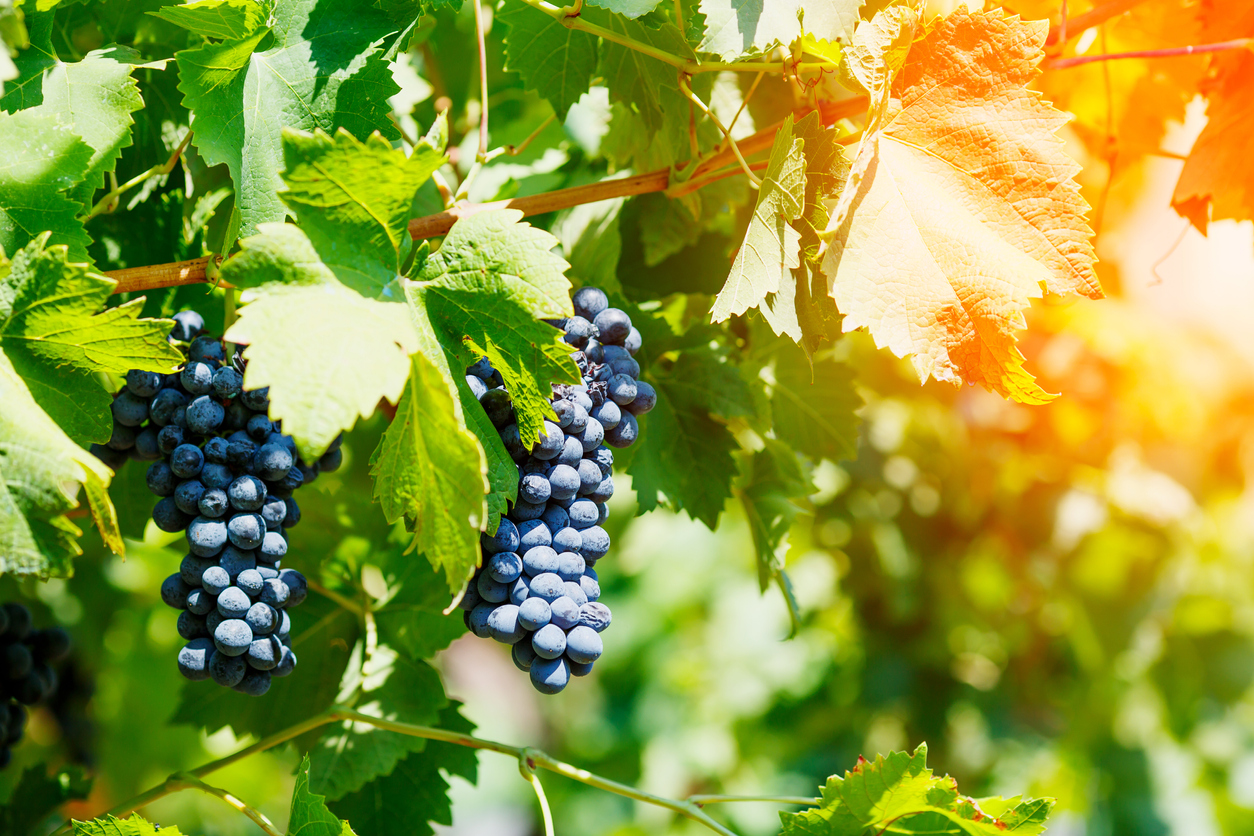
Colorado’s wine industry, which has been centered around Palisade for decades, could be primed for expansion to other parts of the state, a recent study by Colorado State University suggests.
In the study, researchers discovered that the unique climate conditions that allow cold hardy grape vines to thrive in Palisade could be present in other areas of the state, including Montezuma County in the Four Corners, western Montrose County (home to Nucla and Naturita), and Fremont County (home of Cañon City), and to a lesser extent, the Arkansas River Valley.
Peter Goble, a climatologist and water availability specialist, led the study, alongside Horst Caspari, a viticulture professor at CSU’s Western Colorado Research Center, and State Climatologist Russ Schumacher, who is also based at CSU.
“More vineyards, more production is a long-time goal for the Colorado wine industry,” Caspari said in a press release.
The researchers delved into historical temperature data specific to Western Slope — accounting for factors, such as elevation, slope gradient and direction, which contribute to microclimates common across Western Colorado. These microclimates complicate temperature and climate assessments, the researchers said, adding they compared real-time observations from temperature-monitoring networks against climate model data, revealing areas with existing potential for wine growing.
“The most exciting take is that there are other portions of the state with a climate similar to the well-known Grand Junction/Palisade area to be hospitable to this kind of agricultural operation,” Goble added, noting that it’s still too early to make definitive judgments about where these opportunities might be.
“Interested wine growers in these areas might be willing to experiment on very small scales,” he said. “I would recommend anyone considering doing this get temperature measurements on their property because of these microclimates.”
One of the inherent challenges that winemakers face cultivating growing wine grapes in Colorado is the brutal cold that can affect plants in the winter months.
“It takes less than one hour of severe cold temperature to kill a plant to the ground,” Caspari added. “We get a killing frost but then we get mild temperatures again, which slows the plant’s cold acclimation. Then, when there is a sudden sharp drop in temperature, it’s too cold for what the plant can handle. We’ve seen a lot more damage in the fall in the last 20 years than we ever had. The temperature swing is getting bigger.”
Cold temperatures have at times disrupted Colorado’s wine industry, as was seen in 2009, 2013 and 2020.
Aside from the progress being made in climate analysis, strides are also being made in horticulture and selection of grape plants.
“A great new grape that’s gaining in popularity is a Plant Select recommendation for the Rocky Mountain region,” said Colorado-based gardening author Jodi Torpey. “Saint Theresa Seedless Grape is a sweet table grape, like a Concord, that produces large clusters of grapes in September. Gardeners living in elevations up to 8,000 feet can grow this hardy grape.”
The CSU-led study offers hope for the expansion of Colorado’s wine industry by identifying regions with suitable climates for grape cultivation. However, challenges related to temperature fluctuations must be addressed to fully capitalize on these opportunities, the researchers said.
As the industry continues to evolve, further research is likely to play a crucial role in its growth and sustainability, they added.
Get OutThere
Signup today for free and be the first to get notified on new updates.
PREV
PREVIOUS

Semi crash closes eastbound lanes of Interstate 70
One lane re-opened just after 6 a.m.
DU Pioneers basketball hires B.J. Porter as assistant coach: Colorado Sunshine
Where good news shines The University of Denver has completed its basketball staff by hiring B.J. Porter as an assistant coach. Porter was an assistant for four seasons at Azusa Pacific, where he played his final two seasons of college basketball. In his four years, the Cougars had three 20-win seasons and finished with a […]