Denver plans for $4.6 billion mix-use development at Superfund site
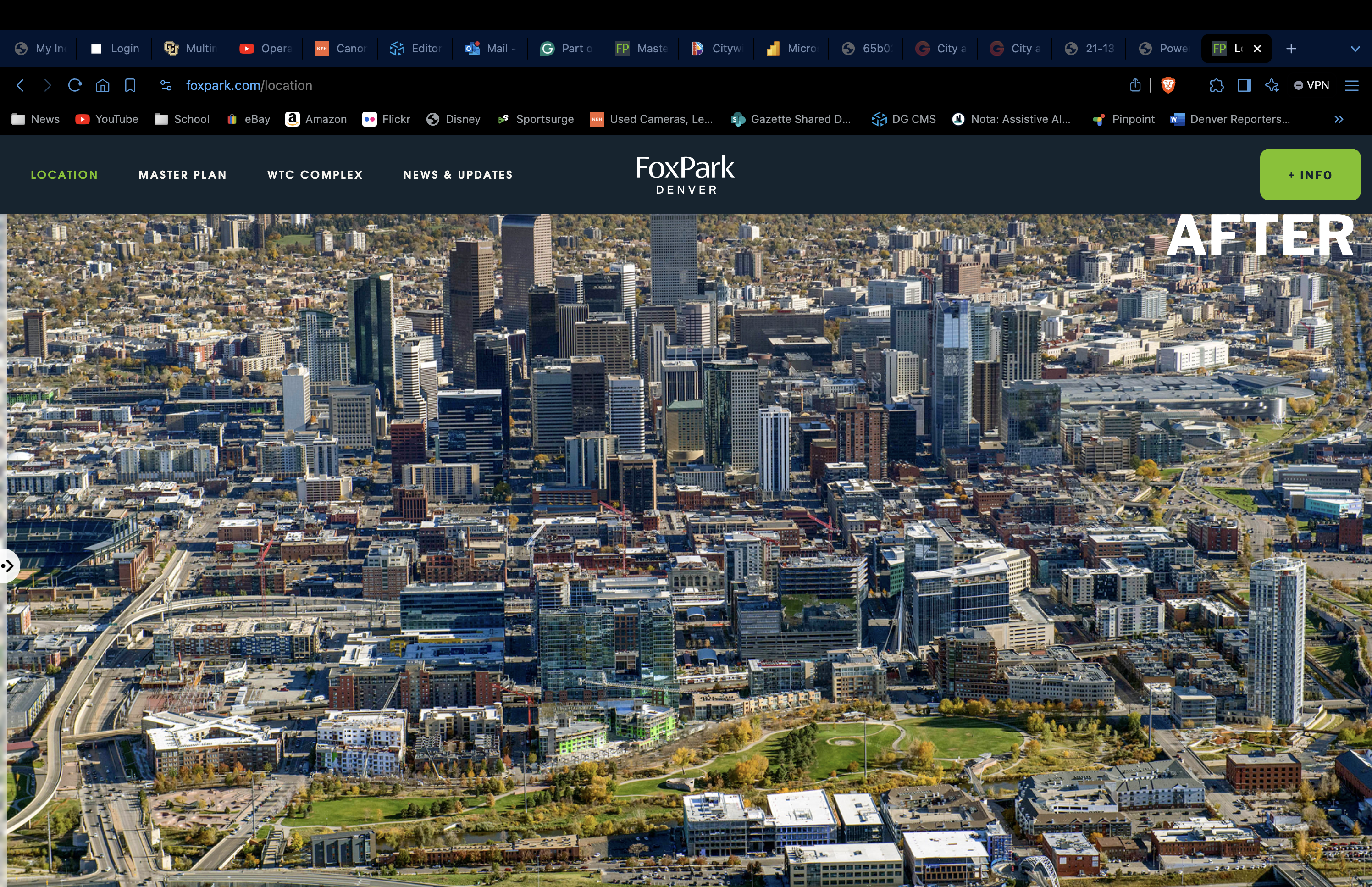
Denver officials said they are pushing ahead with an ambitious plan to build a multibillion dollar mix-use development at a Superfund site, a significant portion of which will be funded by the city’s taxpayers.
Once completed, the project — strategically located at the intersection of two major arteries — will feature roughly 2 million square feet of office space, 50,000 square feet of “cultural space” and 521 hotel rooms, plus more than 3,000 housing units.
It is among several major projects planned in the city, whose downtown has struggled to recover following the pandemic and is beset by vacancies, open-air drug use in some quarters and homelessness, though business groups said the latter is less visible compared to just a year ago.
City officials said the Superfund site — contaminated areas that the Environmental Protection Agency is tasked to clean up — completed its environmental remediation, clearing the way for the project estimated to cost $4.6 billion.
Officials said tax-increment financing and two metropolitan districts will provide just under $570 million for the infrastructure surrounding the project, while private developers anticipate spending roughly $4 billion. Tax-increment financing means collecting sales and property taxes within an area to invest in infrastructure improvements. The idea is to generate a steady stream of revenue that would be used to borrow money for projects.
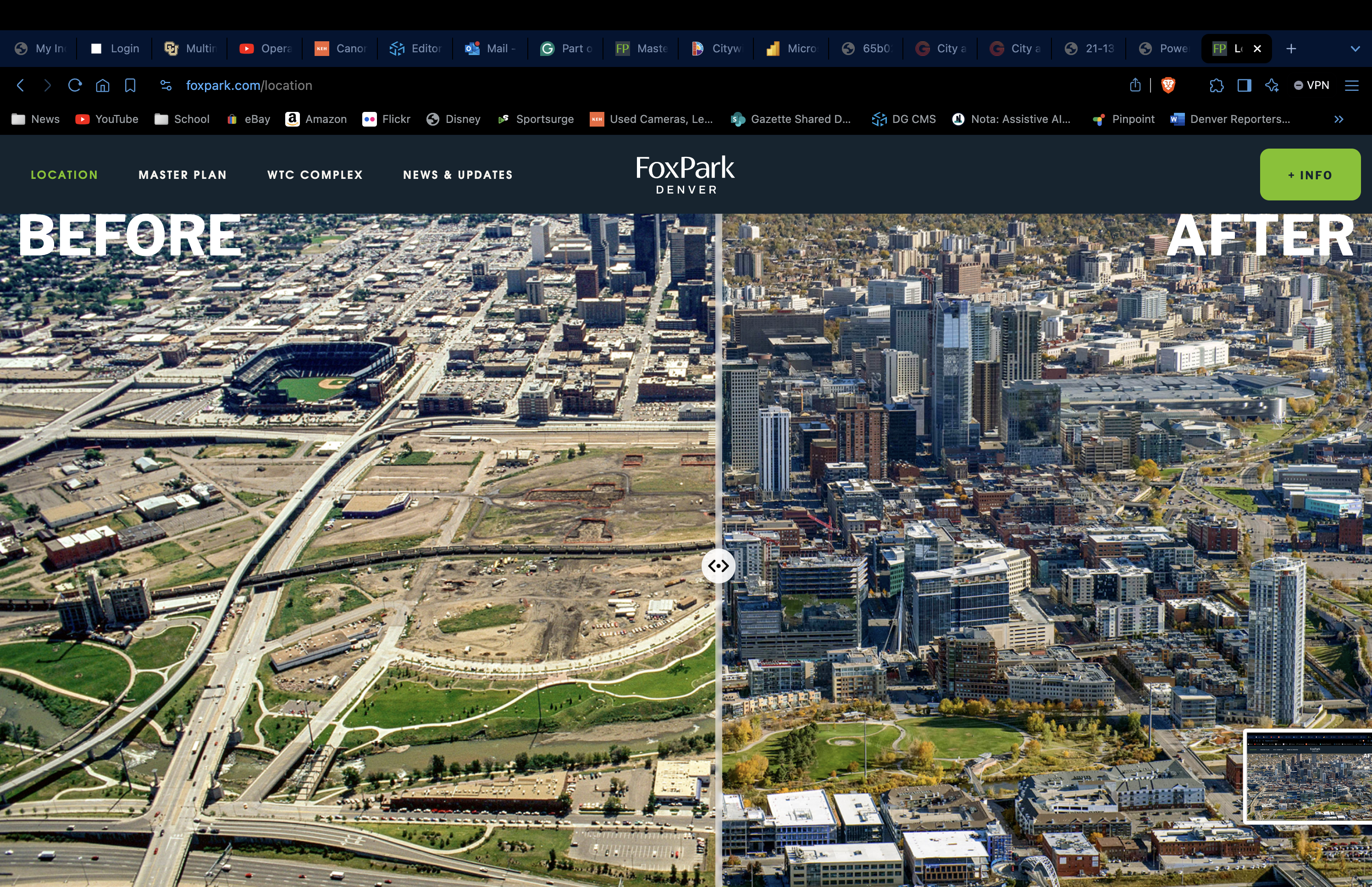
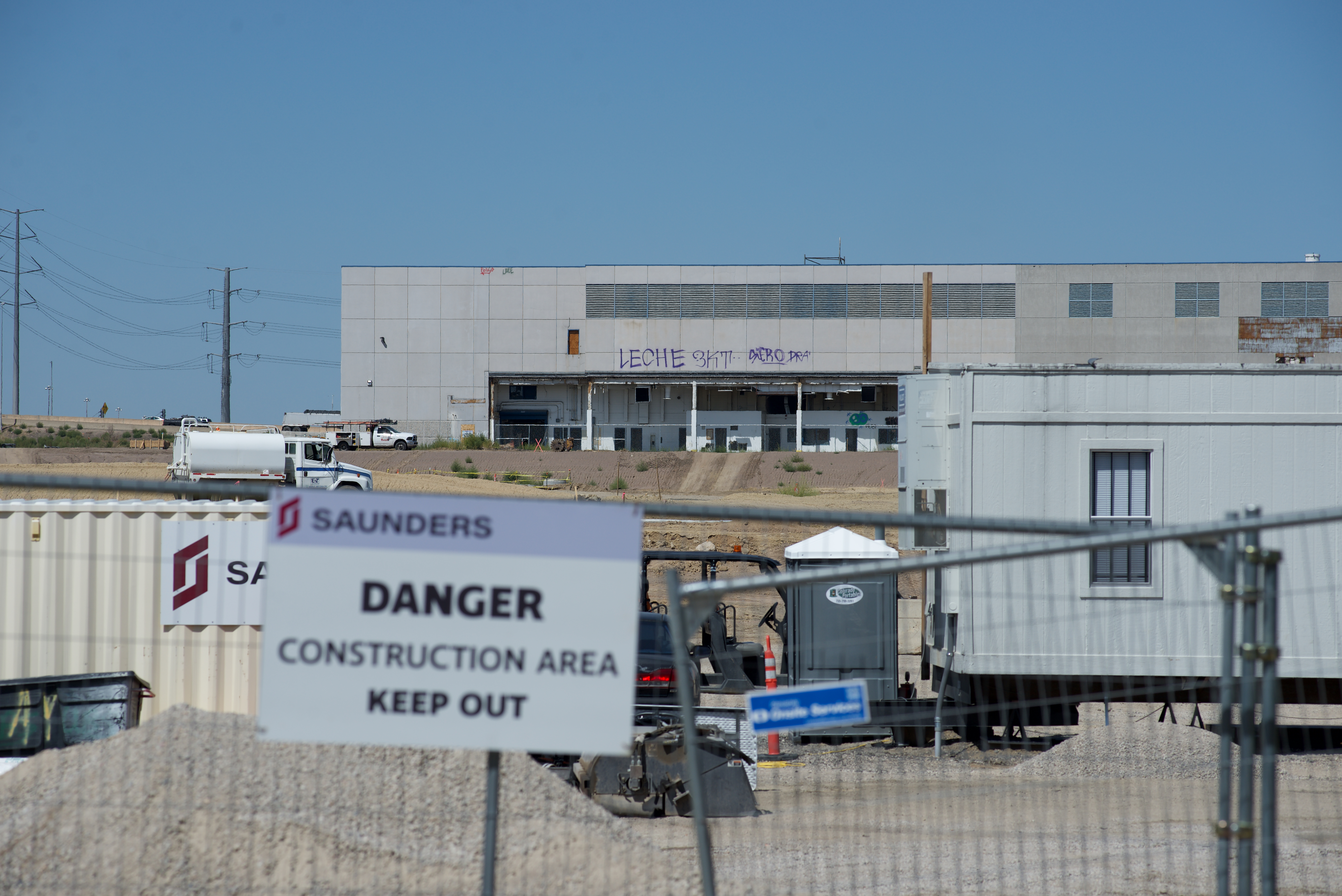
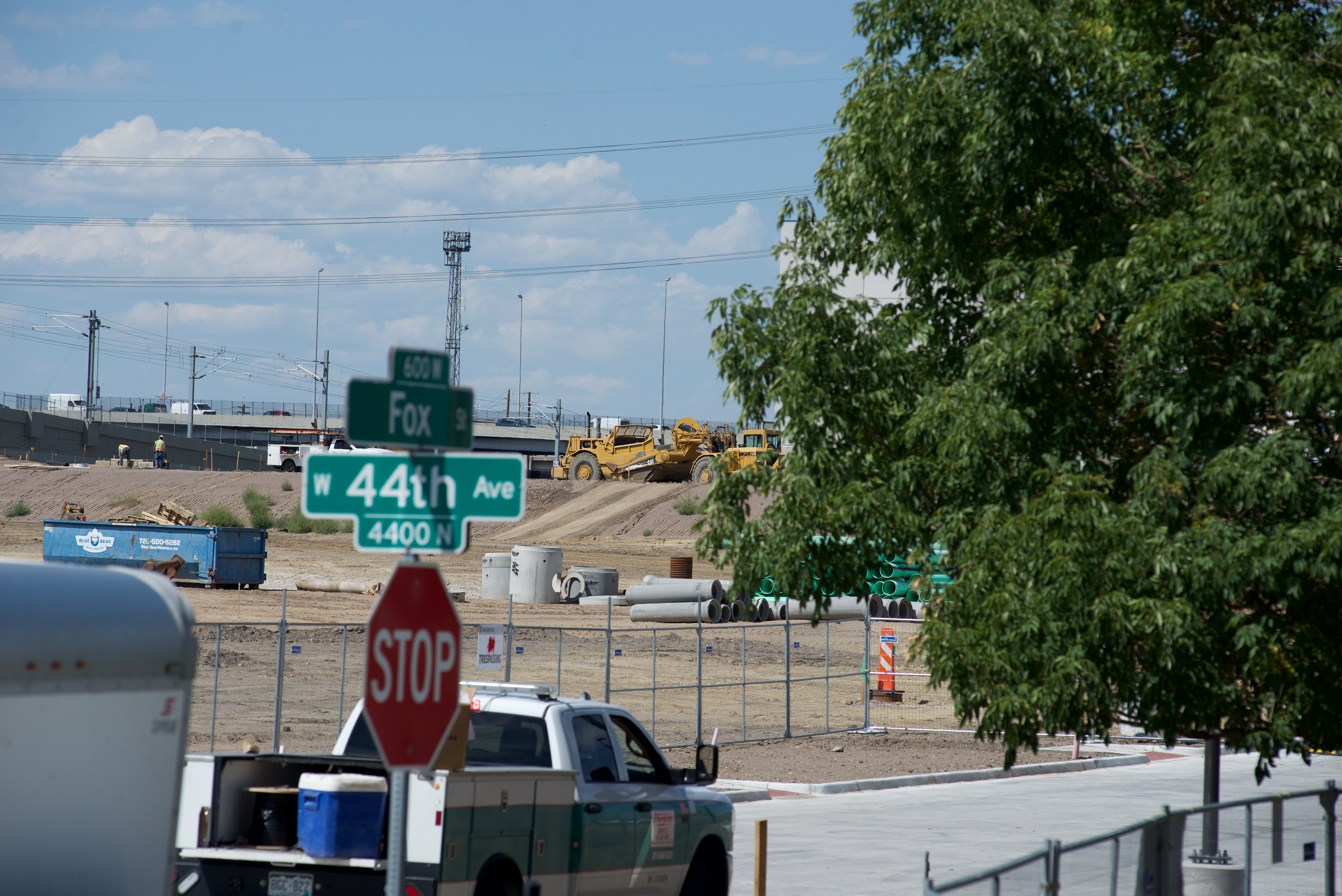
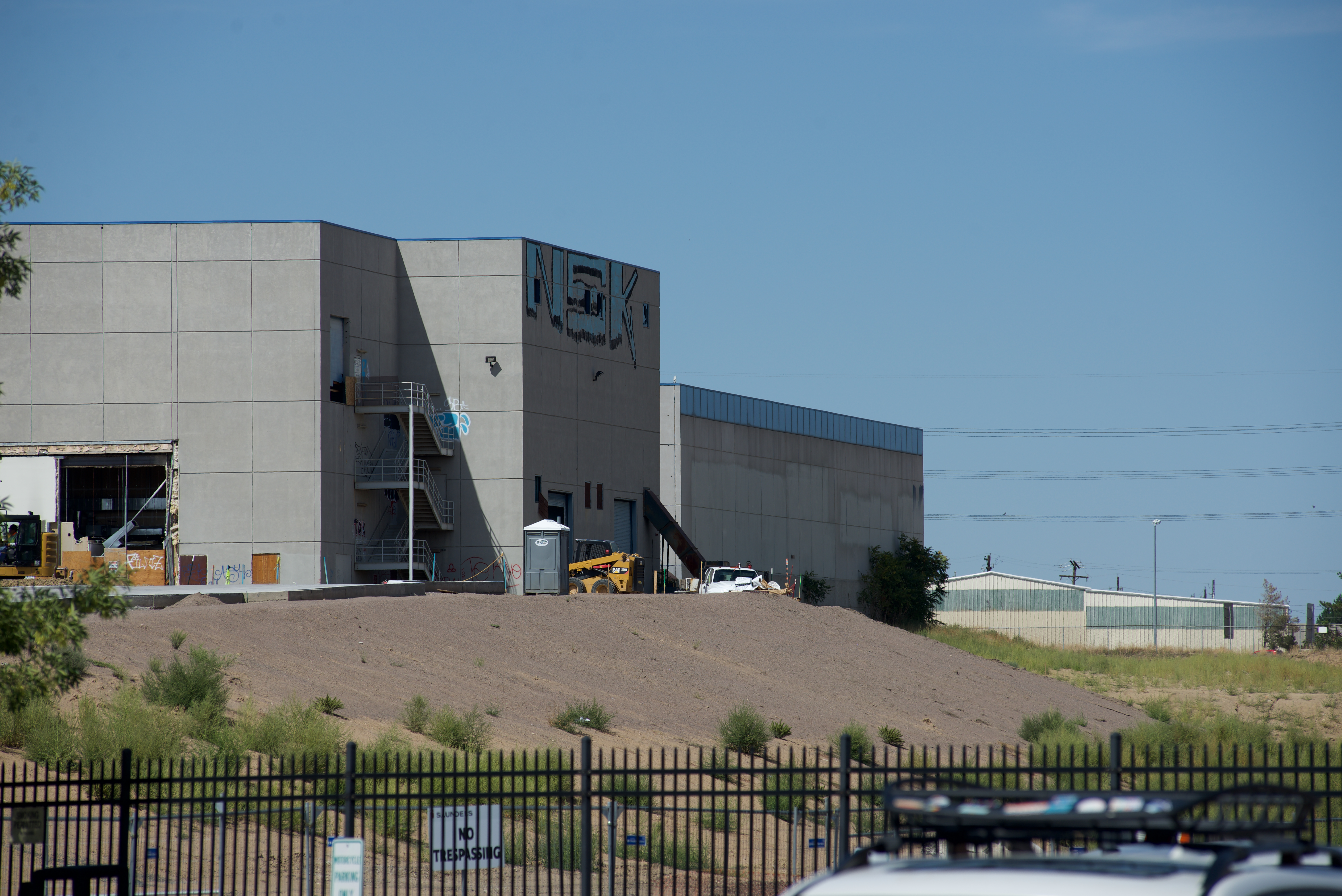
Part of Denver’s Globeville neighborhood and nestled between the intersection of Interstate 25 and Interstate 70, the project site near the 41st and Fox Station was determined to be blighted and the Denver Urban Renewal Authority set out to improve various aspects of it, including the adaptive reuse of a warehouse, officials said.
The area offers rail connections to the Regional Transportation District’s B and G-Lines which run into Downtown’s Union Station.
Globeville falls into what the city identified as “Inverted L,” a collection of neighborhoods to the north of I-70 and the west of I-25. Globeville and its sister neighborhood Elyria/Swansea are home to minority communities and exist in the industrial heart of Denver. To the north stands the Cherokee generating station, formerly a coal-burning power plant, and the Suncor oil refinery.
The Fox Park project predates Mayor Mike Johnston’s administration. It kicked off in earnest after the Denver City Council approved the metropolitan districts and tax increment for area in 2021. Estimates at the time suggested the metropolitan districts and the tax increment would raise about $570 million.
City officials said that figure remains accurate.
At the time, the metropolitan districts and the tax increment area drew the ire of then-Councilmember Candi CdeBaca, who represented District 9. She had voted against those measures — the sole councilmember to do so — but insisted it was not intended to denounce the developer but the financing tool they planned to tap.
“This doesn’t happen very often, where my vote doesn’t match the communities’ vote, but I recall these same conversations when we did the TIF for Welton Street,” she said during the 2021 meeting. “It looks and sounds good, but we don’t have policies in place to protect the neighborhoods when we are making very big changes.”
“The issue is not the plan nor the developer, but the tool,” she said.
CdeBaca consistently voted against metropolitan districts and tax increment financing, saying she worries about their effect on residents further into the future. In 2023, she lost her reelection bid to Darrell Watson. He could not be reached for comment.
Johnston celebrated the final environmental remediation during a press conference on Wednesday morning.
“The effort to clean up and rebuild this site is a testament to the progress we can make when government and private partners stand shoulder-to-shoulder to better our community,” Johnston said in a news release. “Thanks to the dedicated work of the EPA, our federal partners, and Fox Park, this site will drive economic opportunity, support Denverites in their own communities, and help create a vibrant Denver that serves us all.”
Of the 3,000 housing units planned for the project, a small portion is dedicated for “affordable housing.”
Fox Park was originally not going to have any affordable housing units, according to previous city council meetings. After extensive revisions, 7% of all residential units have been earmarked for affordable housing, translating to 235 affordable units. A quarter of that is set aside for people in the 60% area median income bracket, while the rest is reserved for those in the 80% bracket.
That 80% AMI level came under fierce scrutiny during recent city council meetings, when councilmembers clashed over the mayor’s 0.5 point sales tax increase that administration expects to raise up to $100 million annually to fund affordable housing.
The 7% of affordable housing in this development is notable since it is below the margin of the city’s current requirements that developments must set aside between 8% and 12% for affordable housing.
The land owner, Vita Fox North, agreed to set aside $2 million for rental assistance that will go to residents in the surrounding area. Additionally, the group earmarked $4.25 million for affordable housing.
While this project appears to have momentum, some developers, such as Zocalo Community Development — which wants to build 400 units — complained they are getting the silent treatment.
“Despite having invested the better part of a million dollars alongside the land owners, we haven’t heard from the Vita principals for more than two months,” Zocalo CEO David Zucker said.
Zucker is no stranger to development in Denver, having largely built his career in the Mile High city. He has also been struggling to get a development in Sloan’s Lake off the ground — that project has run into what some described as bureaucratic hurdles.
The Fox Park project used to be home to Boston and Colorado Smelting Company’s Argo Smelter, which operated for nearly a century, according to a press release. Its operation created pollution and hazardous waste in the neighborhood, requiring the environmental cleanup of the Vasquez Boulevard & Interstate 70 Superfund site.
Crews have removed more than 470,000 cubic yards of contaminated dirt, enough to fill Empower Field up to 230 feet, the news release said.
“Transforming contaminated properties into community assets is a fundamental goal for Superfund cleanups, and today we celebrate a reuse success that has been a long time in the making,” the EPA’s Regional Administrator, KC Becker, said in the release.
Becker added it is “gratifying” to see the cleanup efforts will result in a mixed-use development with a 14-acre park.
The Fox Park area has gone unused for nearly 15 years due to the contamination, officials said.
“We take great pride in the transformation we are bringing to Fox Park and the neighborhood,” Jose Carredano, the managing partner for Fox Park said. “This achievement is made possible through our strong collaboration with government partners and the support of the community.”