Denver City Council postpones vote on $6 million immigration aid contract
Members of the council's progressive bloc questioned why the contract could not be modeled after the basic income project, which saw moderate success.
Denver City’s councilmembers on Monday grilled the Johnston administration and postponed voting on a $6 million contract for a group to manage the distribution of food and provide services for immigrants.
More questions than answers had emerged at the council’s meeting.
The contract would have allocated money for Haven of Hope, which would use it to manage distributing food and personal items and provide other services for immigrants enrolled in Denver’s Asylum Seekers Program (DASP).
This was a change from the original contract, according to a city slide deck, as program participants would have been given a debit card to buy what they needed.
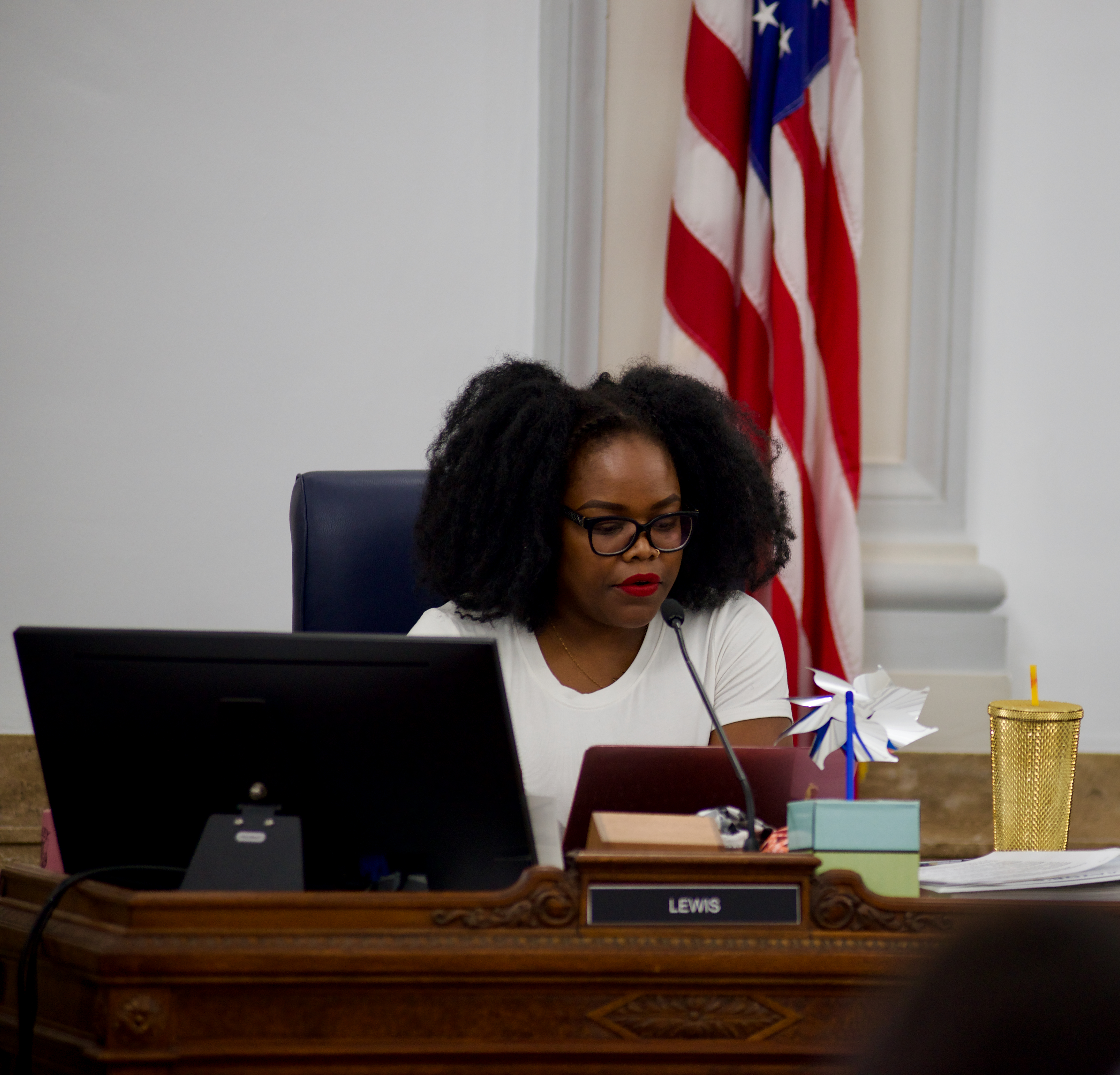
Councilmember Shontel Lewis pressed the Johnston administration why the program wasn’t planning to use direct assistance.
Specifically, Lewis highlighted and lauded the Denver Basic Income Project — which the City Council provided $2 million for in March — and questioned why DASP is not building on that model.
“(My vote is) not a reflection of Haven of Hope. I’m voting no because this program was originally contemplated to provide migrants with direct assistance to allow them to meet their needs,” Lewis said. “What (Denver Basic Income) does is provide unconditional dollars and trust that folks are going to have the autonomy over their own lives to make the best decisions and the data showed us that that’s exactly what they did and I would imagine that’s no different for our migrants.”
In June, the Denver Basic Income Project shared the results of a year-long study, revealing that of the 400 people responding to the study, 45% had found stable, permanent housing.
When the study began, only 10% had permanent housing.
The Denver Basic Income Project is distinct from DASP in critical areas, according to Sarah Plastino, who is leading the city’s response to the immigration crisis.
She pointed out two specific roadblocks facing participants.
Her staffers are charged with caring for the immigrants — who arrived in Denver after crossing the southern border illegally — and the city wanted to avoid any concern that direct cash assistance could be seen as remuneration from the local government or immigrants being paid illegally, Plastino said.
“In terms of our legal concerns about direct cash assistance for migrants, we know the people in DASP are not authorized to work legally,” she said. “We shifted from debit cards to physical distribution because no debit card platform software we looked at can control the category of goods eligible for purchase on the front end.”
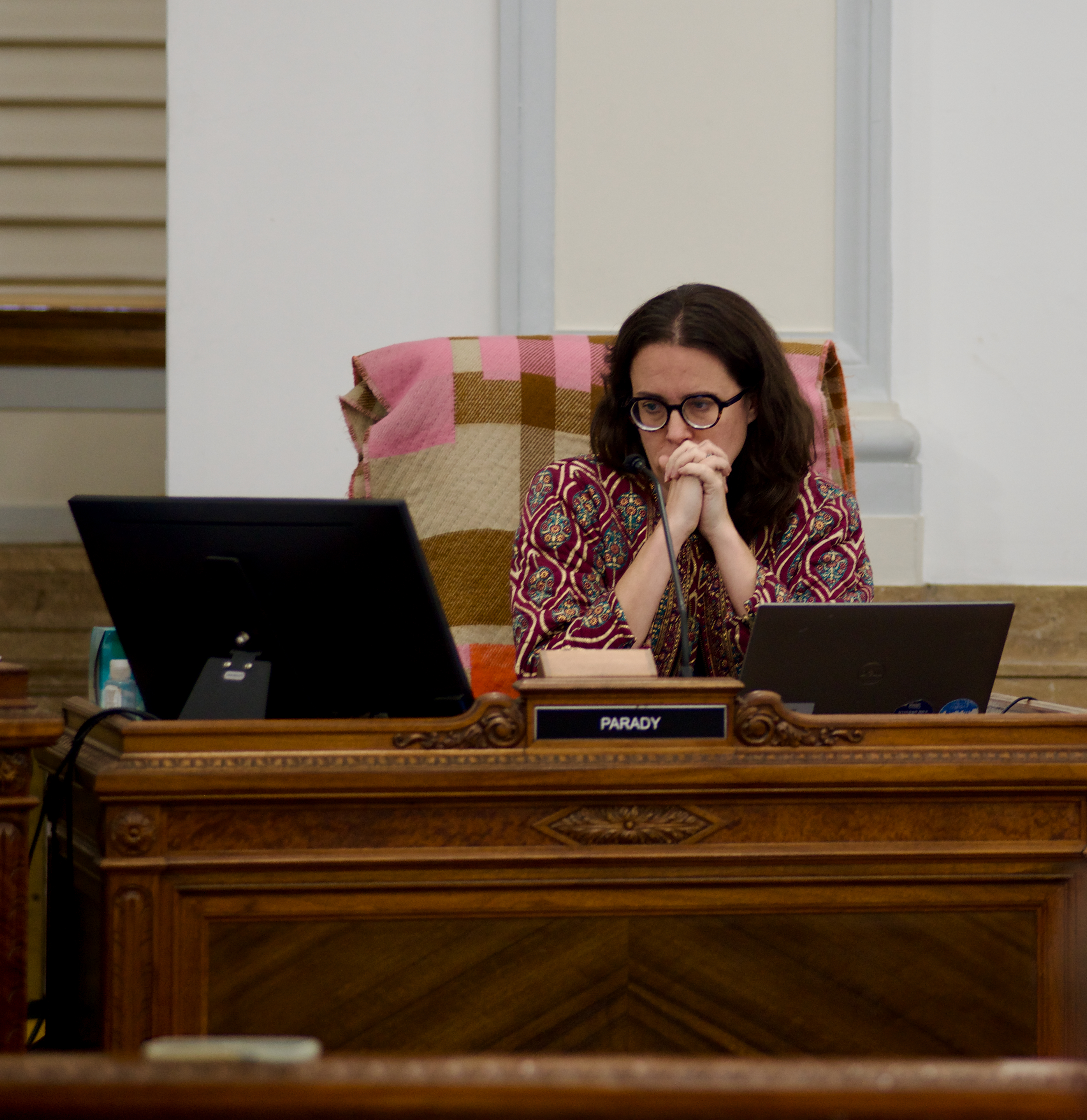
Another councilmember, Jamie Torres, said the city provided $1,000 checks to immigrants unlawfully staying in the U.S. who did not qualify for stimulus checks sent during the COVID-19 Pandemic. Risks exist when money is sent regularly because it could mean immigrants are viewed as a public burden, a key question in immigration applications.
“If payments are regular, it becomes a public charge risk for immigrants and could compromise their immigration application in the future,” Torres said. “So, there are things down the line that have nothing to do with Denver’s legal analysis and have everything to do with the federal government’s.”
Plastino agreed and said this was another concern flagged by outside counsel.
Still, the contract raised more questions and provided few answers, prompting Councilmember Stacie Gilmore to call for another postponement.
“Councilmember Torres rightly said we are in uncharted waters and we’re going to be working with and serving our new community members for decades,” she said. “I want to make sure that we’re very clear on what we’re voting on and what legal reasons exist for or not doing something and I’m unclear about that right now.”
The council unanimously approved the postponement.