




Water-smart gardens? Botanic Garden chief says native plants offer gorgeous, sustainable landscaping
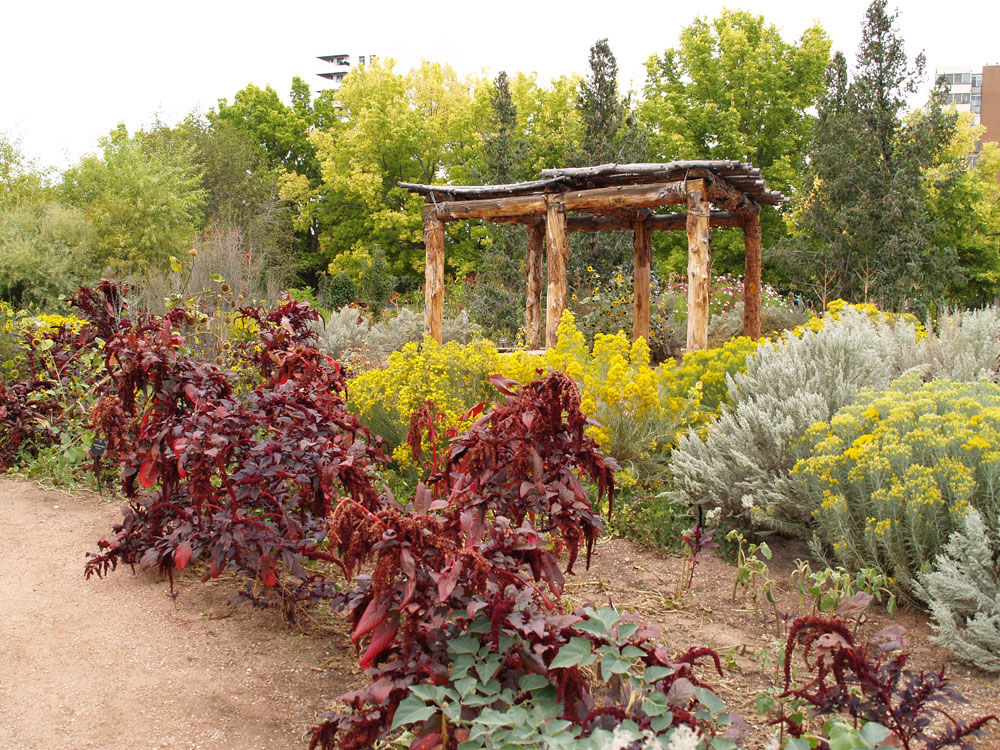
As pressure on Front Range communities mounts to save water, the head of a botanic garden offers a solution that he says delivers sustainable options for homeowners and local governments: Native and “native-adaptive” plants.
Such plants provide tangible advantages, notably less water and maintenance, precisely because they are well-suited to Colorado’s climate, according to Brian Vogt, the CEO of Denver Botanic Gardens.
“They just grow on whatever mother nature gives them,” Vogt tells the Denver Gazette. “And they’re beautiful.”
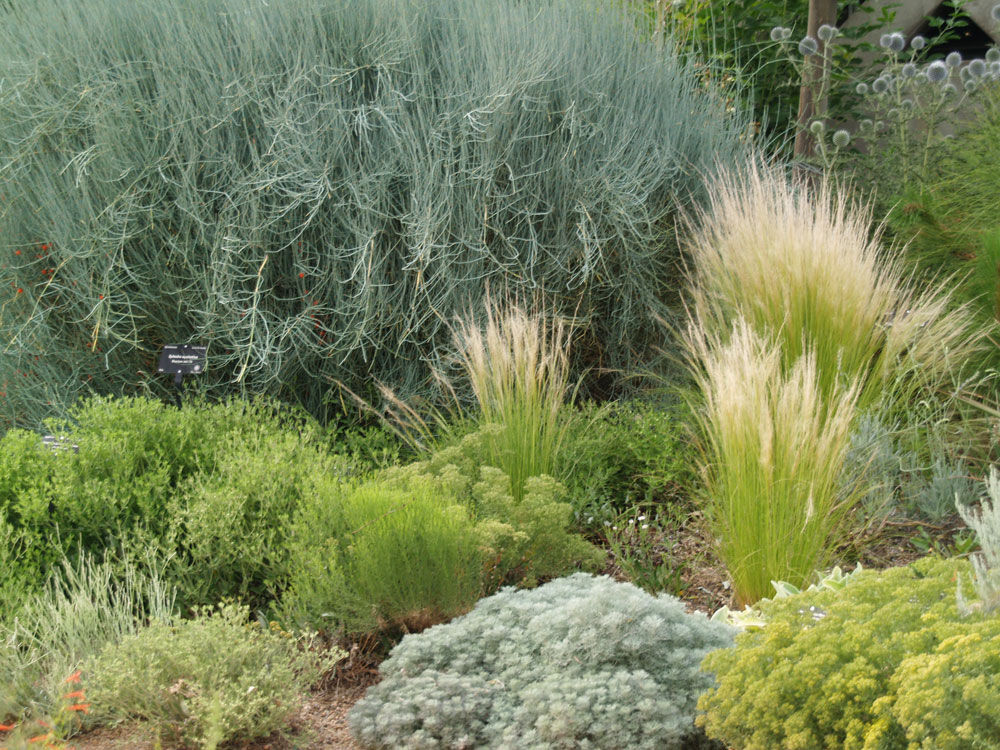
The Denver Botanic Gardens has been working on “water-smart” gardens, researching plants that are fully acclimated to the high, dry steppe region where Colorado is found — and showcasing them to the public in the hopes of persuading residents and governments to shed high-water plants in favor of native and native-adaptive species.
“We have gardens down at the York Street site, where we haven’t irrigated in 25 years,” Vogt says.
That work has, over the decades, slowly been gaining traction in Colorado.
The idea is not new.
The state parks and wildlife agency has long advocated for using native plants, arguing that non-native species offer “low value for hunting, photography, or wildlife,” displace native plants, and devastate and degrade wildlife habitat.
The antidote is using native plants, according to the agency.
“Because they are adapted to the region, native plants often require less labor and expense to maintain once established,” the agency says in a 1998 “Native Plant Revegetation Guide for Colorado.”
“Native plants also provide many other benefits, including wildlife habitat, opportunities for environmental education, and a greater variety of scenery,” the agency says.
But the urgency for water-saving measures heightened in the last several years, particularly given the focus on conserving the Colorado River.
More than two decades of historic drought prompted that drive, as the river is no longer able to handle the demands to deliver water to the seven states’ 40 million people and keep agriculture, particularly in California, thriving.
The shortages also raised concerns that, without drastic action, Hoover and Glen Canyon dams would struggle to supply hydropower to Western states.
In response, states adopted measures to use less and keep water in reservoirs, while local governments throughout the West embraced conservation measures.
Aurora, for example, banned cool weather turf for new development and restricted watering during certain times.
Some communities proactively adopted steps to lessen water use. Among them is Sterling Ranch, a sprawling community in Douglas County some 20 miles south of downtown Denver.
Harold Smethills, whose family founded Sterling Ranch, says the community took the research of Denver Botanic Gardens and other places and implemented it.
“We found which ones don’t use much water, are attractive and don’t die in droughts,” Smethills says.
Today, Sterling Ranch offers about 150 plant varieties to homeowners.
“So, when you bring your landscaping plan to get it approved, it must be one of those plants,” he says.
The plants don’t use much water and survive droughts, he says, and Sterling Ranch added bird-friendly plants to their list.
“We’ve have had quite a good success in bringing birds back to Sterling Ranch,” he says. “It works for water sustainability, it works for beauty and it also brings wildlife.”
He added: “We have a lot of birds. They bring peace. They bring beauty to life.”


Get OutThere
Signup today for free and be the first to get notified on new updates.
PREV
PREVIOUS

Stacey Abrams toe-taps around whether Trump should be 'exempt' from jail time if convicted
Former Georgia state lawmaker Stacey Abrams expressed hope that Donald Trump would face some sort of punishment if convicted in Fulton County. Trump is among the original 19 co-defendants in the Fulton County election interference case. The former president denies any wrongdoing in the 2020 elections. IOWA GOV. KIM REYNOLDS TO ENDORSE RON DESANTIS IN […]

Steve Scalise defends cuts to IRS in House GOP's Israel aid bill
House Majority Leader Steve Scalise defended his party’s bill that would offset United States aid to Israel with cuts to the Internal Revenue Service. The House of Representatives voted last week in favor of a $14.3 billion aid package to Israel, but the offsetting cuts to the IRS prompted Democratic opposition and criticism. Only 12 […]