Bill aims to curb catalytic converter theft in Colorado
As Colorado is experiencing an unprecedented rise in thefts of catalytic converters, a bill introduced in the state Senate Wednesday would try to tackle the issue.
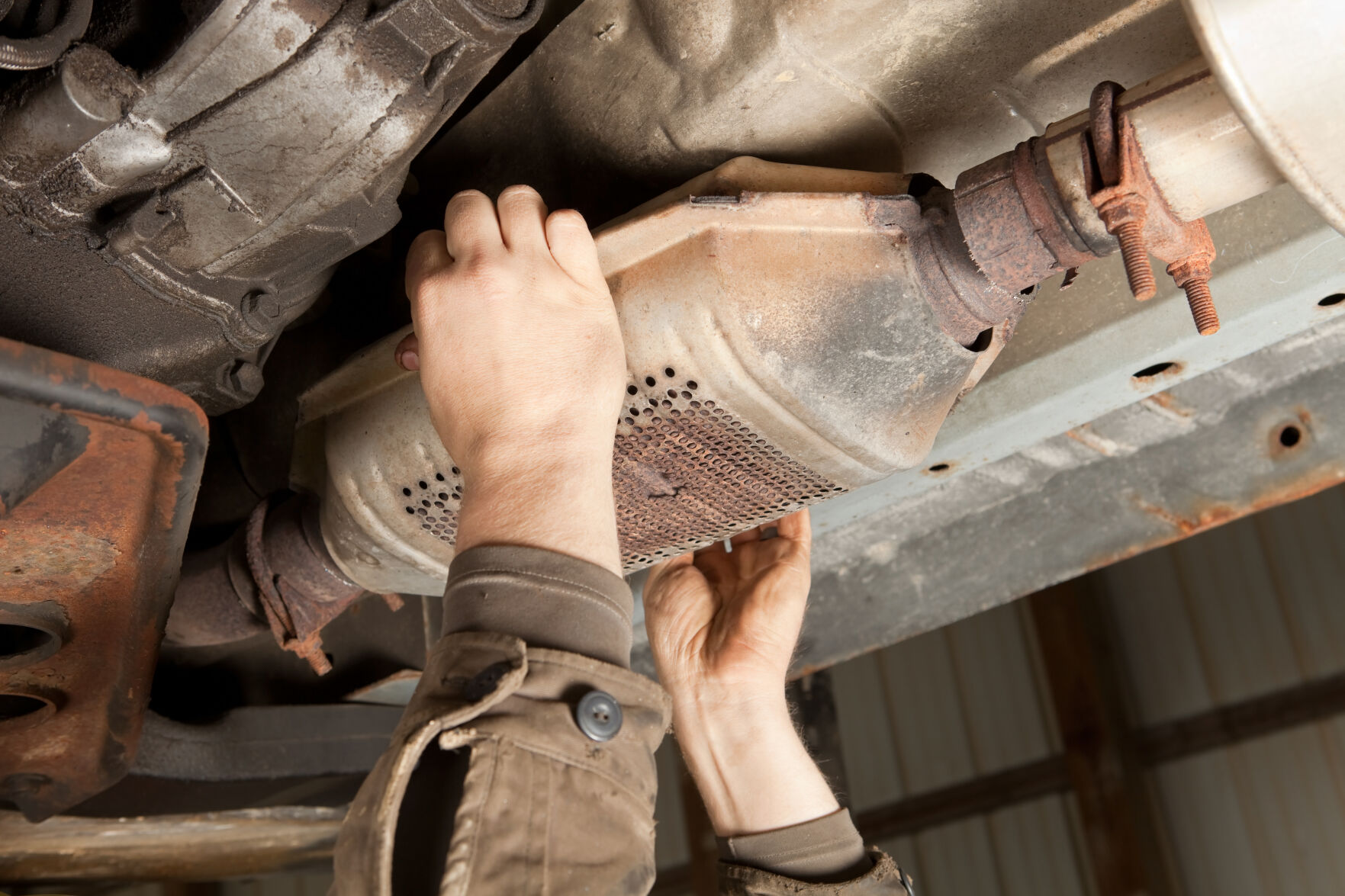
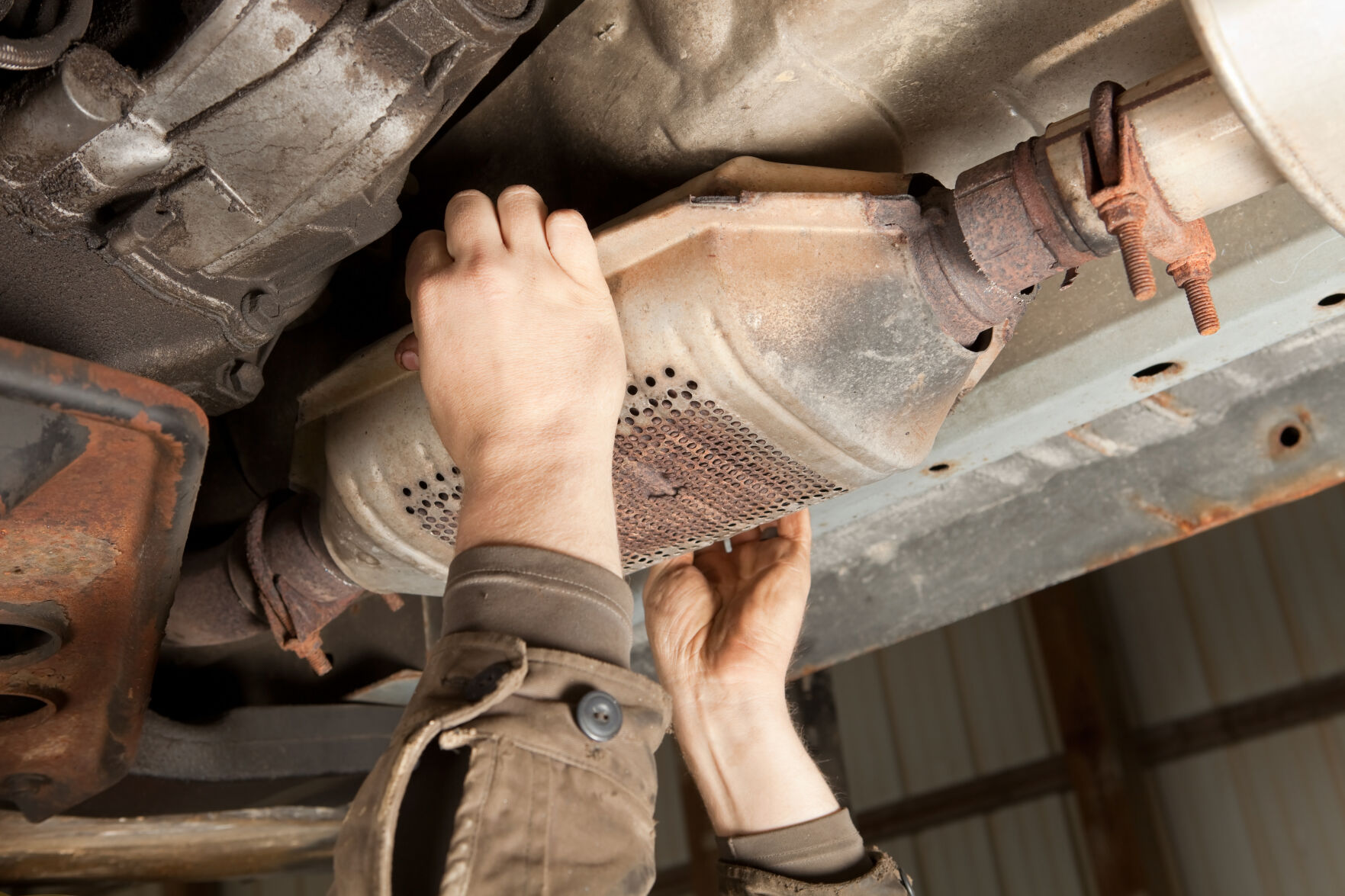
Catalytic converters are exhaust emission control devices found in many lower emission and hybrid vehicles. The converters contain precious metals that are trading at record prices, leading to skyrocketing theft rates nationwide, according to the Catalytic Converter Theft Committee.
If passed, Bill 22-009 would aim to curb the thefts by making it illegal to install, sell or advertise any used, recycled or salvaged catalytic converter, unless it is an aftermarket catalytic converter certified for installation and sale by the air quality control commission. The bill would take effect Oct. 31.
“Thefts of catalytic converters are hurting a lot of people in significant ways,” said state Rep. Shannon Bird, one of the sponsors of the bill. “People need their cars. We need them for work and to generally live our lives. Our bill will take away many of the incentives to steal catalytic converters and will stem the demand for their resale.”
Bird said she was inspired to take action after she heard from several constituents and car dealerships who had been victims of catalytic converter thefts. The thefts, in addition to supply chain issues making parts difficult to replace, rendered the vehicles unusable.
In Denver, thefts of catalytic converters increased by more than 15,000% from 2019 to 2021. In 2019, only 15 catalytic converters were reported stolen in the city. In 2021, there were 2,359 catalytic converters stolen by mid-November, according to data from the Denver Police Department.
Nationally, catalytic converter thefts more than quadrupled from 3,389 in 2019 to 14,433 in 2020, according to the National Insurance Crime Bureau.
Besides the rise in thefts, Colorado’s regulations make replacing the stolen parts very expensive, said state Sen. Dennis Hisey, who also sponsored the bill. Colorado follows California emissions standards, requiring catalytic converters be replaced with parts from the vehicle manufacturer. This can lead to costs upward of $5,000 for catalytic converters, Hisey said.
“Our current regulations are costing people many times what it should to replace a stolen catalytic convertor,” Hisey said. “While I want to stop the theft, I also want to make repairs of that vehicle more affordable and invite the governor to support me in this endeavor.”
In addition to outlawing the installation and sale of used catalytic converters, the bill would also add catalytic converters to the definition of “major component motor vehicle part” and change the definition of “commodity metal” to include rhodium, palladium or platinum-clad components of a catalytic converter.