Kaiser Permanente workers in Denver weigh authorizing strike
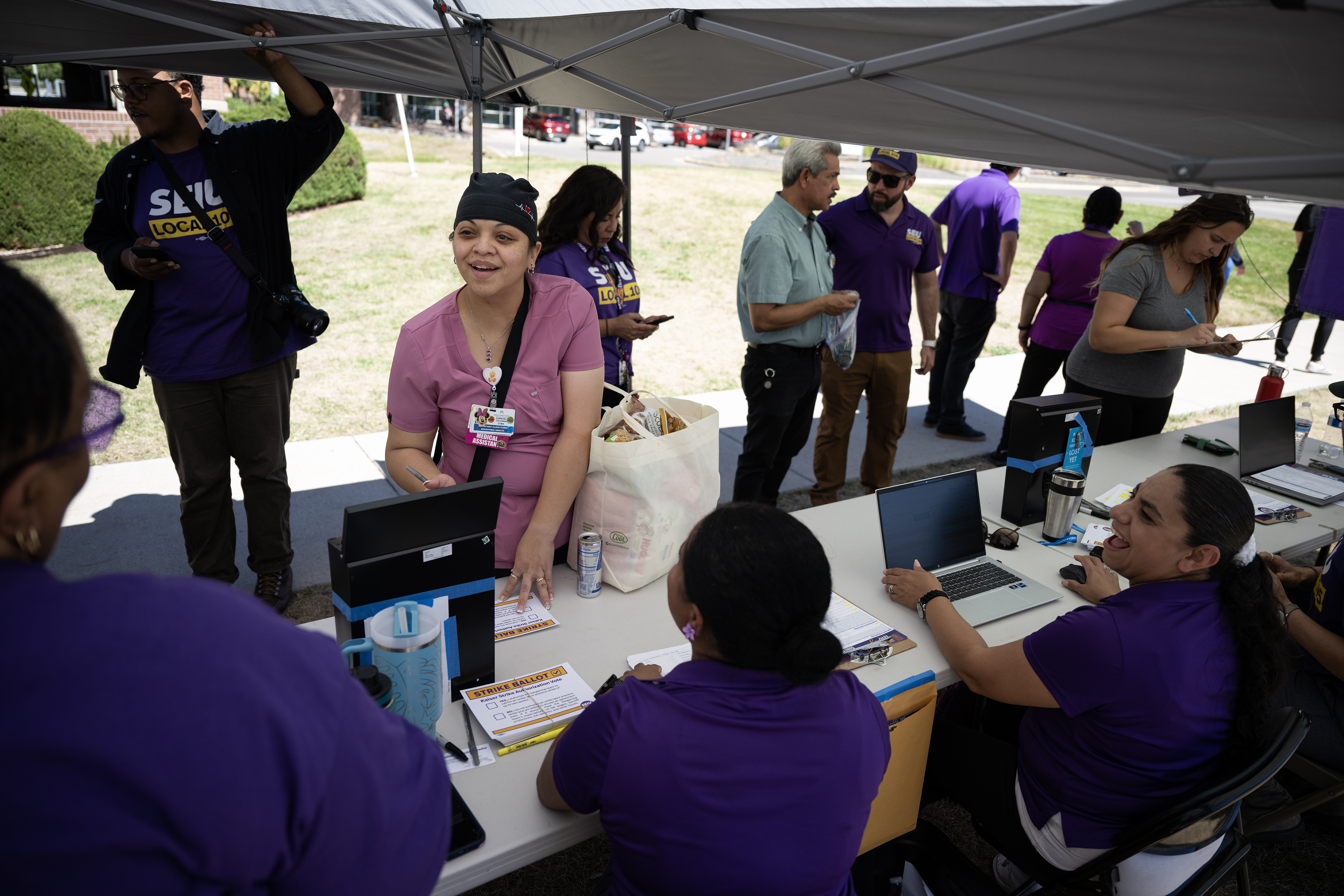
Almost a day doesn’t go by that Christal Colunga doesn’t feel the need to apologize to Kaiser Permanente patients for all the little things that slip through the cracks.
“We work our butts off,” said Colunga, a medical assistant who works in general surgery. “I’m feeling overwhelmed.”
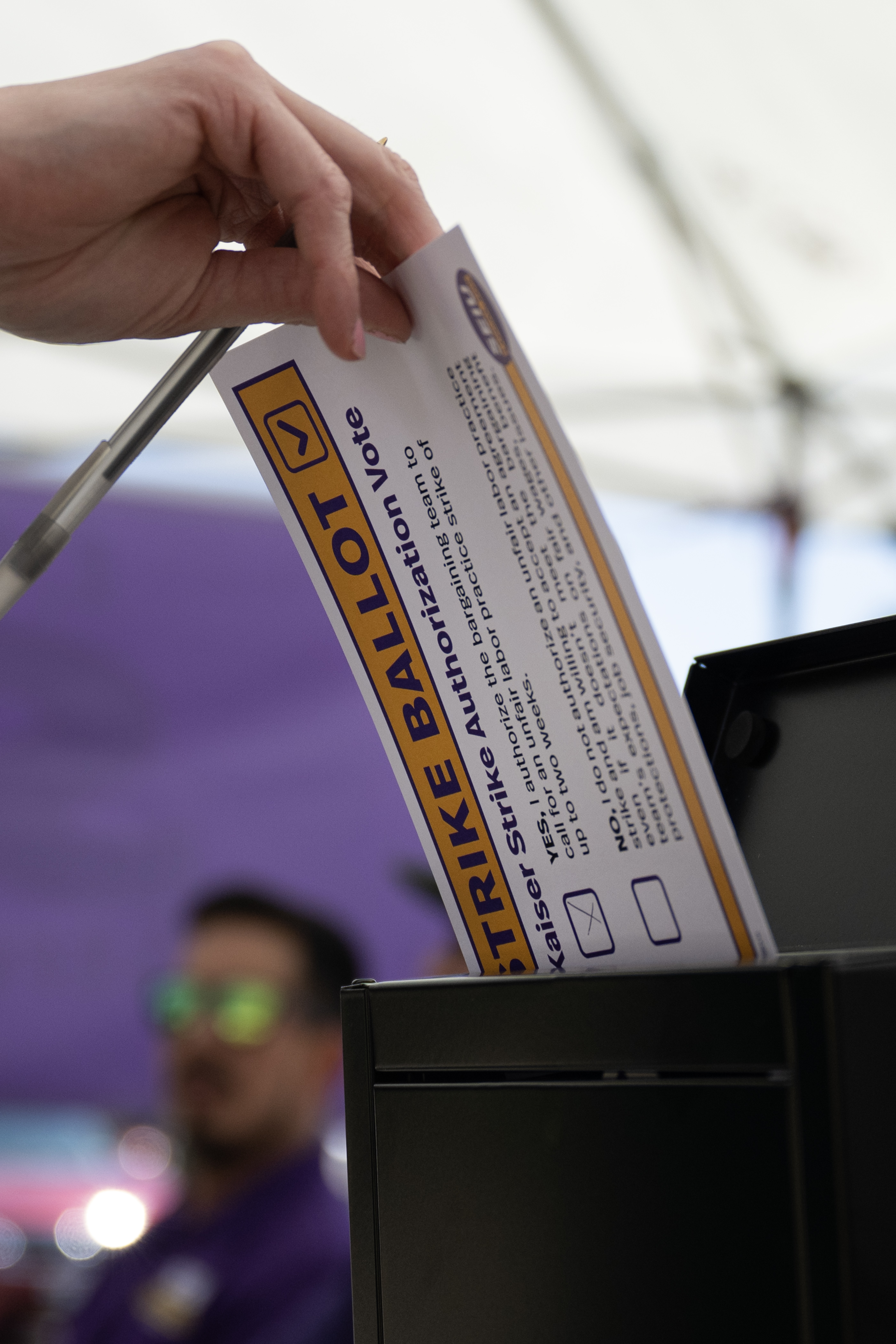
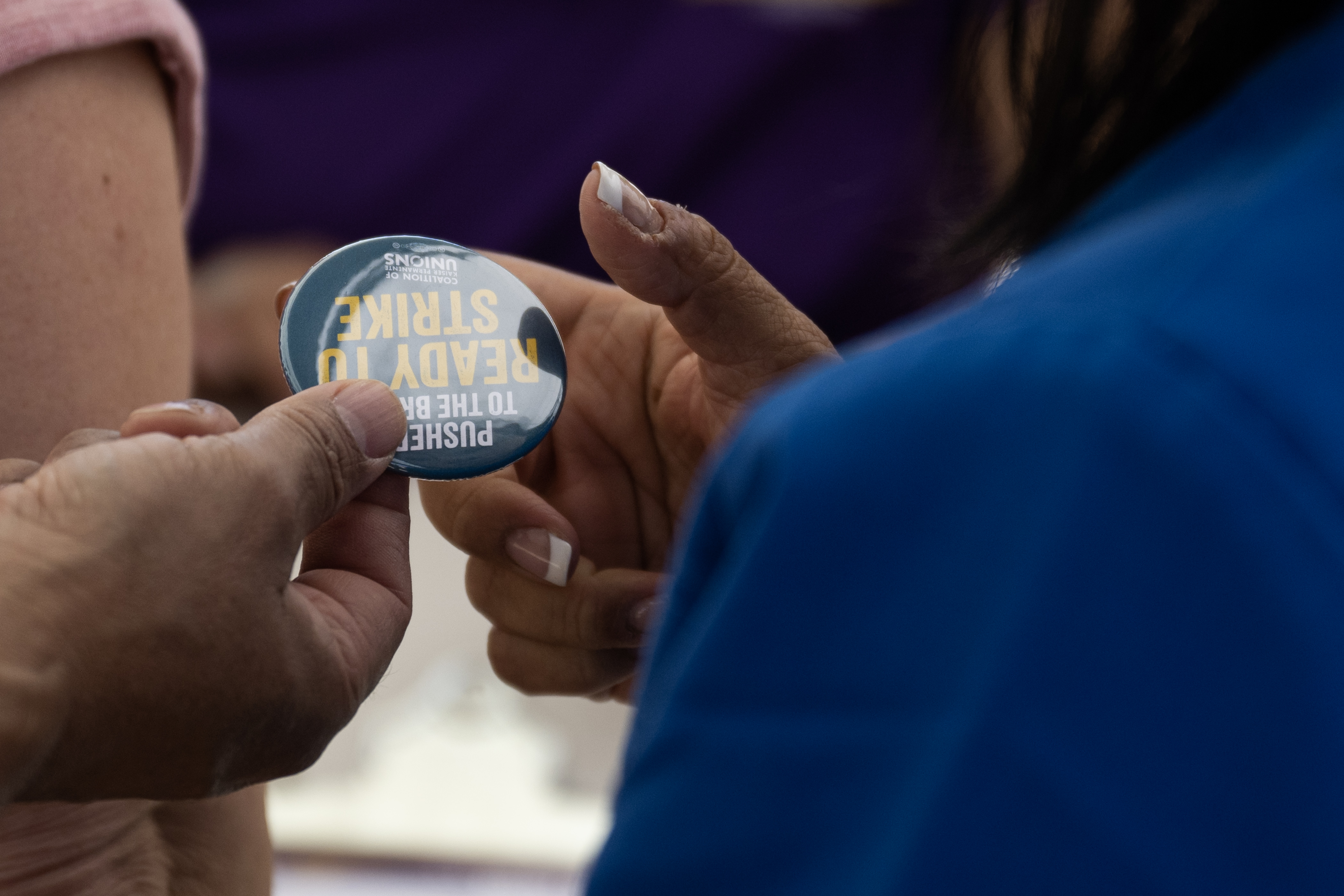
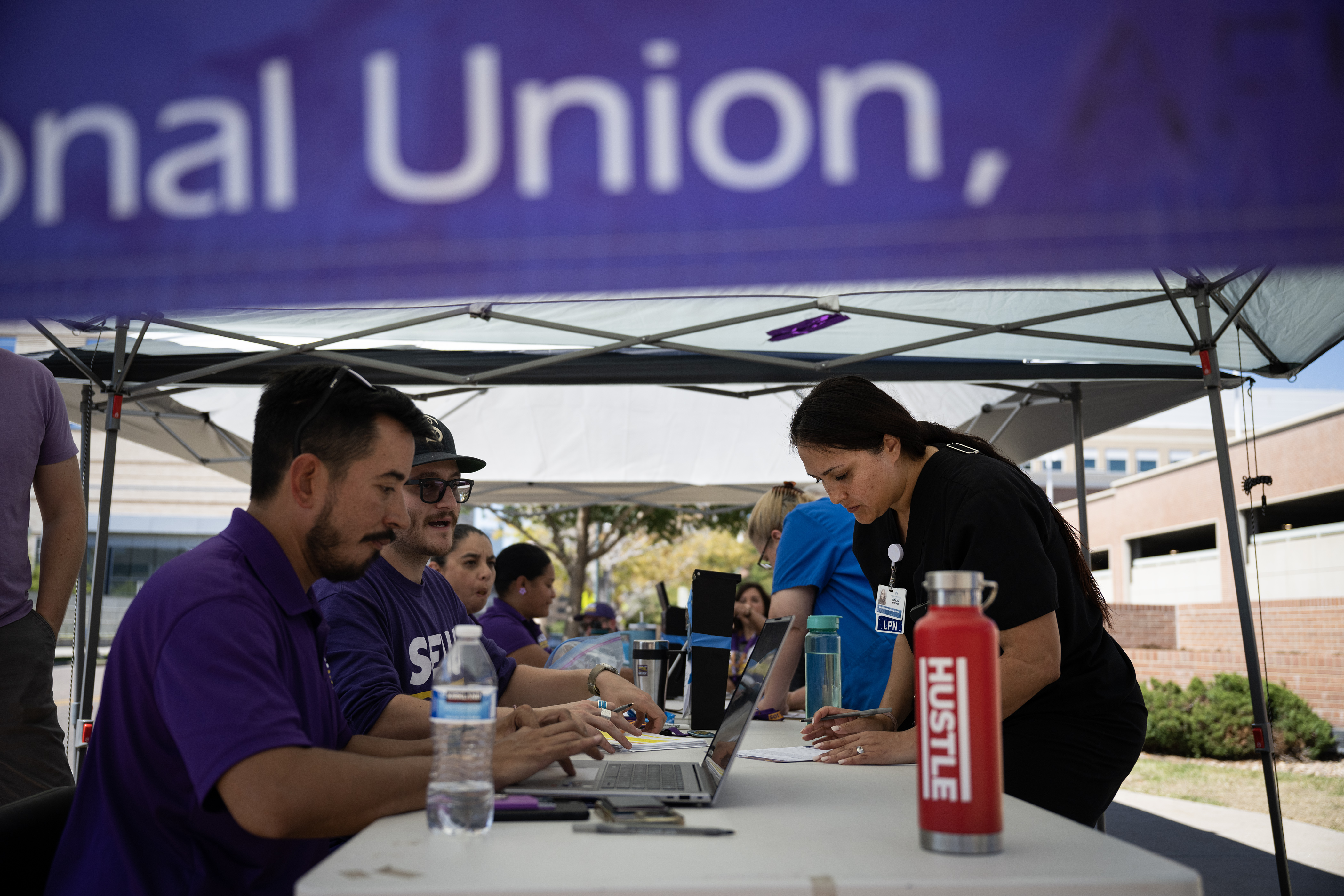
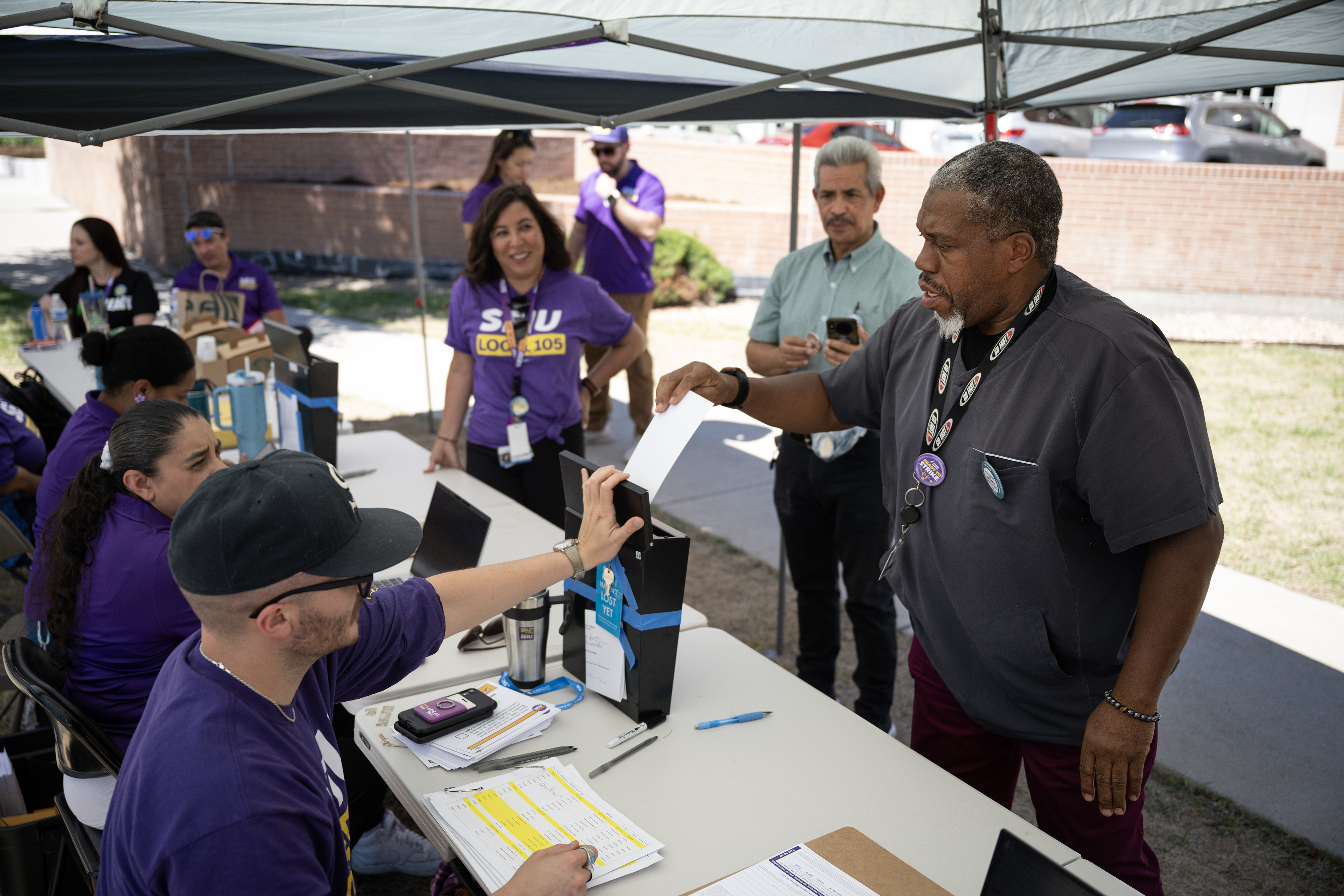
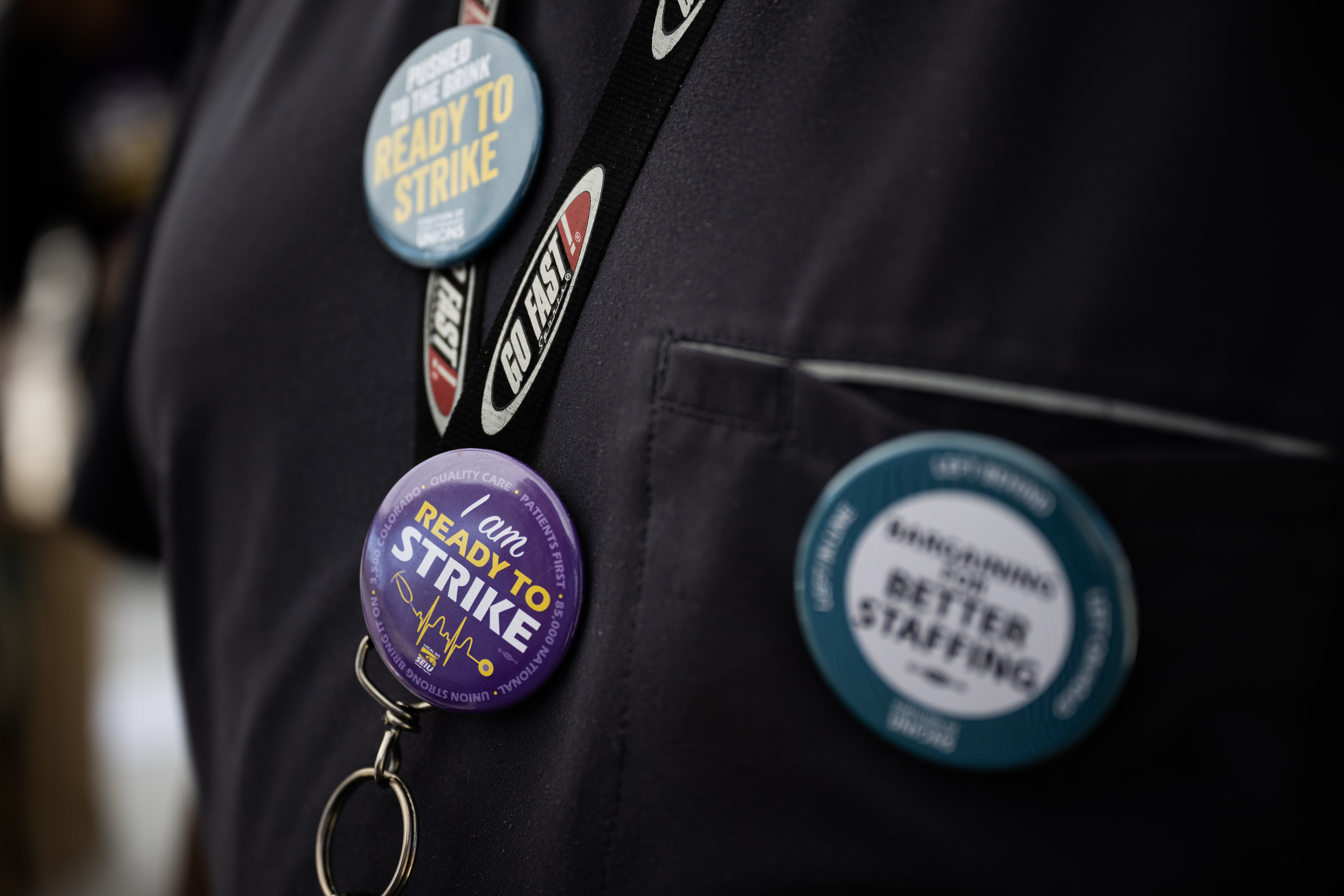
Colunga was among the more than 150 union employees who voted Thursday at the Kaiser Permanente Franklin Medical Offices in Denver on whether to authorize a strike.
The labor contract the Service Employees International Union has with Kaiser expires at the end of September.
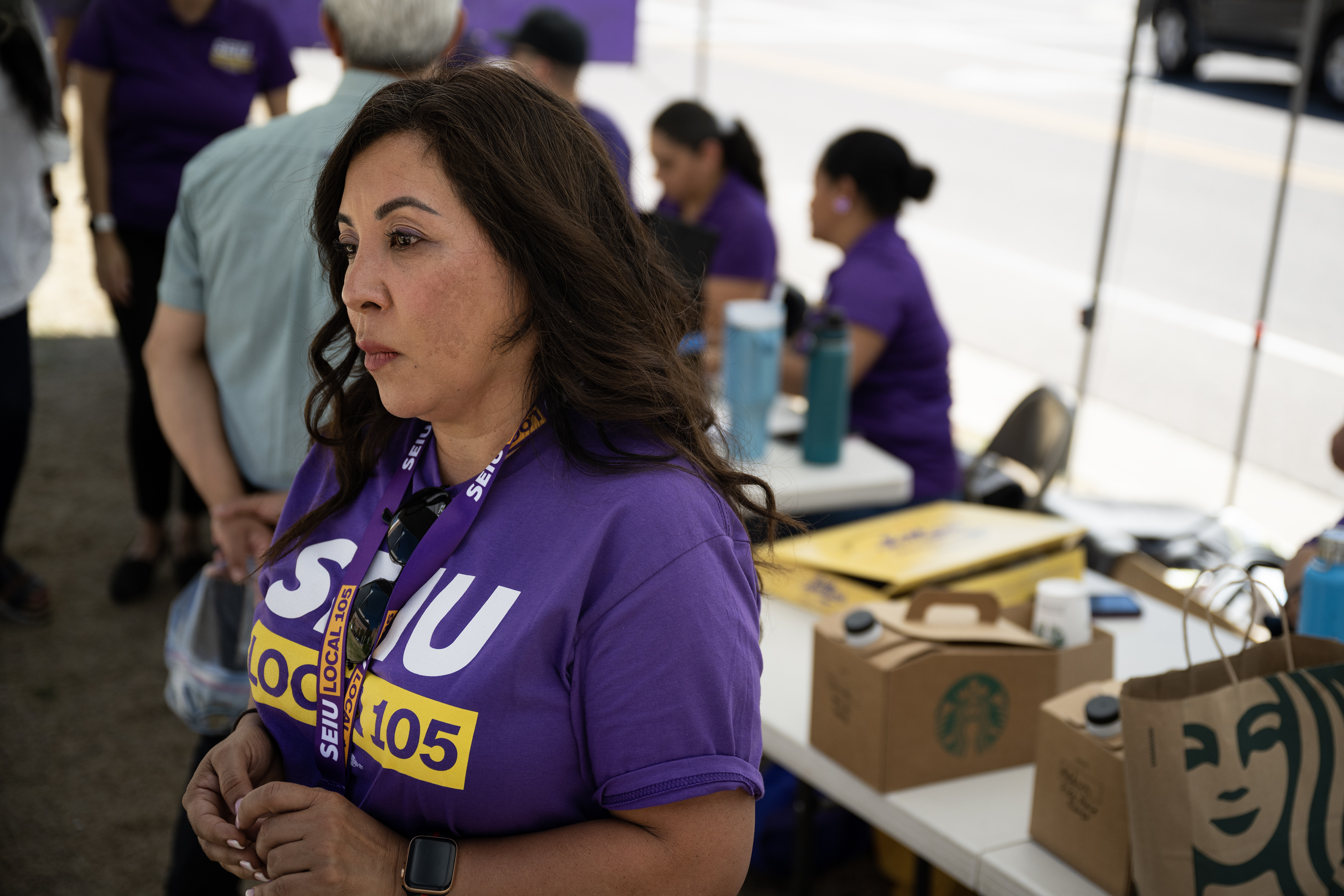
The final tally will not be known until after the close of business Friday. But Stephanie Felix-Sowy, SEIU Local 105 president, said she would be surprised if the strike authorization fails.
“The ability to strike is a tool that working people in this country have,” Felix-Sowy said.
Felix-Sowy added, “What our members are asking for is the ability to live where they work and work where they live.”
The union last authorized — but did not employ — a strike in 2019 when they negotiated their contract, Felix-Sowy said.
Lorena Garcia, a medical interpreter for Kaiser, said in her 15 at Kaiser she has seen her department shrink from six to two, including her. She’s worried, without the union advocating for employees, that the company will move to all remote interpreters.
“It’s very impersonal,” Garcia said.
Colorado has about 3,000 SEIU union members who are voting this week on whether to authorize a Kaiser strike.
Last month, an estimated 1,000 union members in Aurora joined thousands of Kaiser employees in California, Washington and Oregon in a coordinated protest of what they have called an “unsafe staffing and patient care crisis” that in some cases has led to months-long waits and delayed care.
Many of the frontline workers who picketed in Aurora last month earn less than $25 an hour.
To address the staffing shortage, Kaiser Permanente has committed to hire 10,000 union-represented jobs nationally. Of those, roughly 6,500 have been filed.
Kaiser officials have been unable to say how many of the 10,000 new jobs will be in Colorado.
Despite the outcome of the vote, Kaiser officials have said they are confident about reaching an agreement with the union before the contract expires on Sept. 30.
“Kaiser Permanente is fully committed to reaching an agreement with the unions affiliated with the Coalition just as we have done in every national bargaining since 1999,” Andrew Sorensen, a Kaiser spokesperson, said in a statement emailed to The Denver Gazette.
In Colorado, Kaiser Permanente has 30 medical offices along the Front Range, including three in Colorado Springs, that serve more than 500,000 patients annually.
The staffing crisis is not unique to Kaiser.
Health officials have sounded the alarm for years because more Americans are living longer with chronic health conditions. As Baby Boomers — who are between 55 and 73 — head into retirement the need for Medicare and age-related health care services is expected to continue rising.
The exodus from the profession during the COVID-19 pandemic, too, has only served to exacerbate an already existing staffing crisis.
Over the next three years, Colorado is expected to face a shortage of 54,000 lower wage health care workers and more than 10,000 registered nurses, according to an analysis by the Economic Modeling Specialists International.