Local member of the ‘Black 14’ helps distribute 40,000 pounds of food for metro Denver’s needy
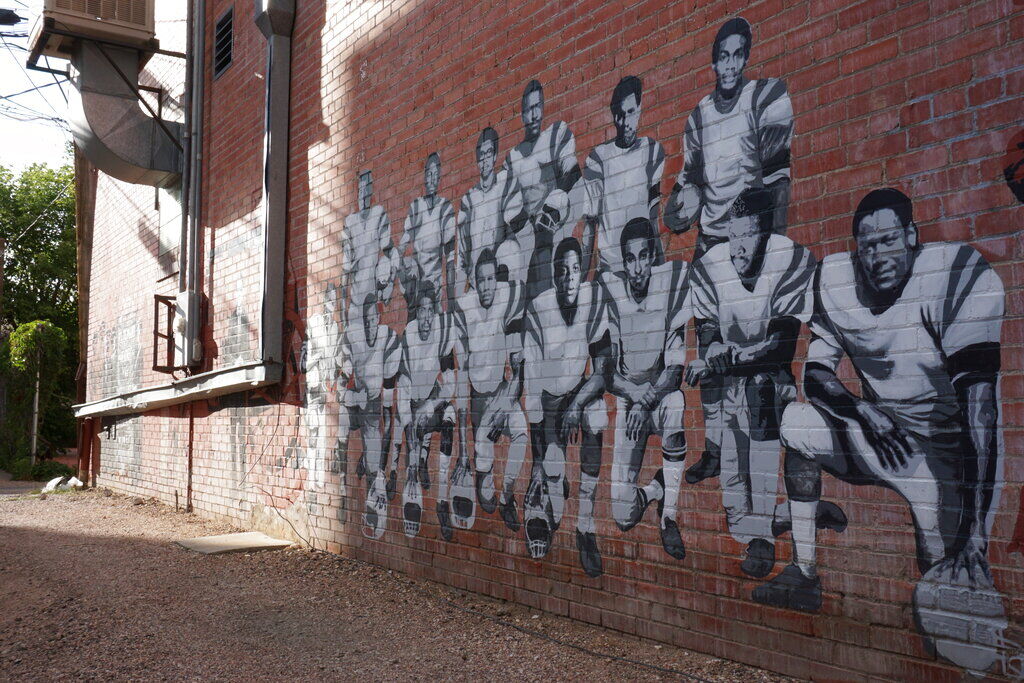
The former University of Wyoming football players who were kicked off the team in 1969 have banded together years later to help Denver's hungry.
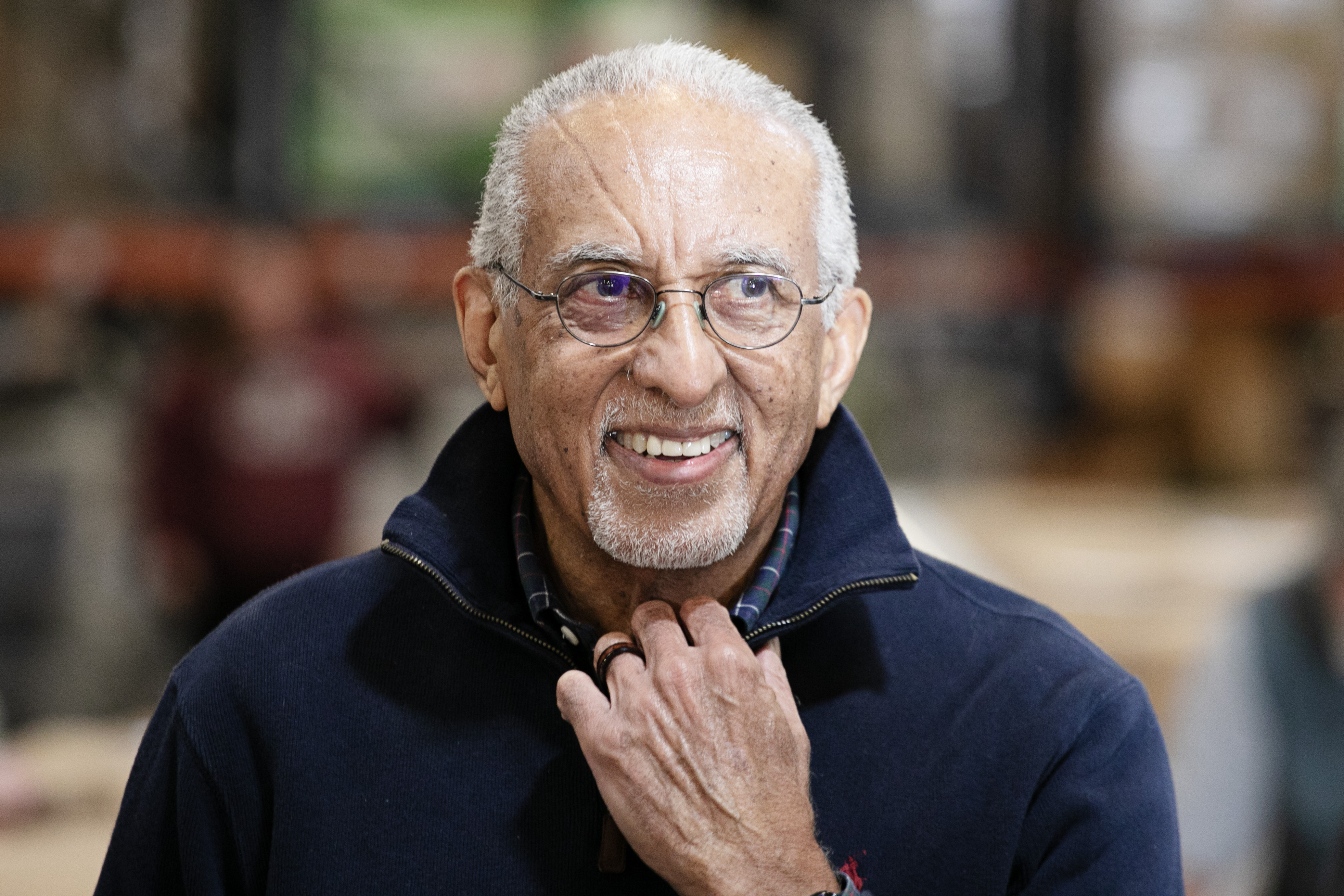
John Griffin was angry for 10 years before he woke up one day and decided to end it.
“I couldn’t harbor it anymore,” he said.
Griffin’s and other members of the Black 14’s forgiveness would eventually lead to a charitable push that has distributed more than 200,000 lbs. of food to metro Denver’s needy and over 1.5 millions lbs. nationwide.
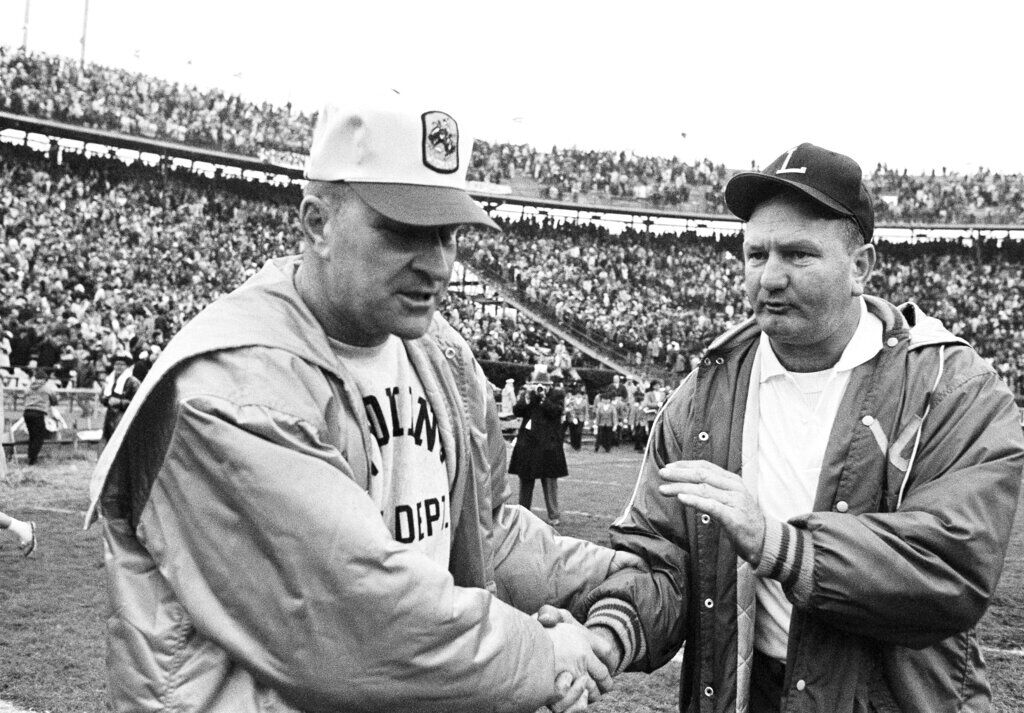
Griffin, now a Lowry resident of many years, was one of 14 Black football players for the University of Wyoming who were dismissed from the program simply for asking their head coach Lloyd Eaton if he would support them wearing a black arm sleeve in protest of opponent Brigham Young University and The Church of Jesus Christ of Latter-day Saints’ (LDS) policy prohibiting Black men from priesthood in 1969.
Griffin and his teammates were originally approached by the university’s Black Student Alliance, who asked if they would consider the symbolic gesture. The student group, along with others nationwide, were protesting the church’s policies prohibiting Black priests and Black women and men from accessing temples.
“Our response was we have to get permission from the coach to be able to do something like that. We approached the coach a couple days later and he literally kicked us off the football team without even having the opportunity to chat about it,” Griffin said.
Eaton would die in 2007 without ever offering an explanation to the players.
Dismissing six starters and seven players Griffin believes were NFL-bound, including himself, proved disastrous for the football program, who went 1-9 in 1970 the following year and would have just two winning seasons in the 1970’s. Griffin was one of five players to stay at the university and he earned his degree.
While The Church of Jesus Christ of Latter-day Saints would start allowing black priests starting in 1978, it was not until much more recently amends were made. The University of Wyoming issued a formal apology to the players in 2019 following lengthy discussions. Around the same time, fellow Black 14 member Mel Hamilton reached out to Gifford Nielsen, a former BYU quarterback and high-level member of the Church of Latter-day Saints to see if a charitable partnership could be formed.
“[Gifford said] ‘How about food? We could supply food across the country to the neighborhoods where members of the Black 14 reside’,” Griffin recounts.
Now in the fifth annual year of donating, Griffin anticipates another 40,000 lbs. of food will be delivered to eight churches and organizations for distribution to the metro Denver needy from this year’s drive.
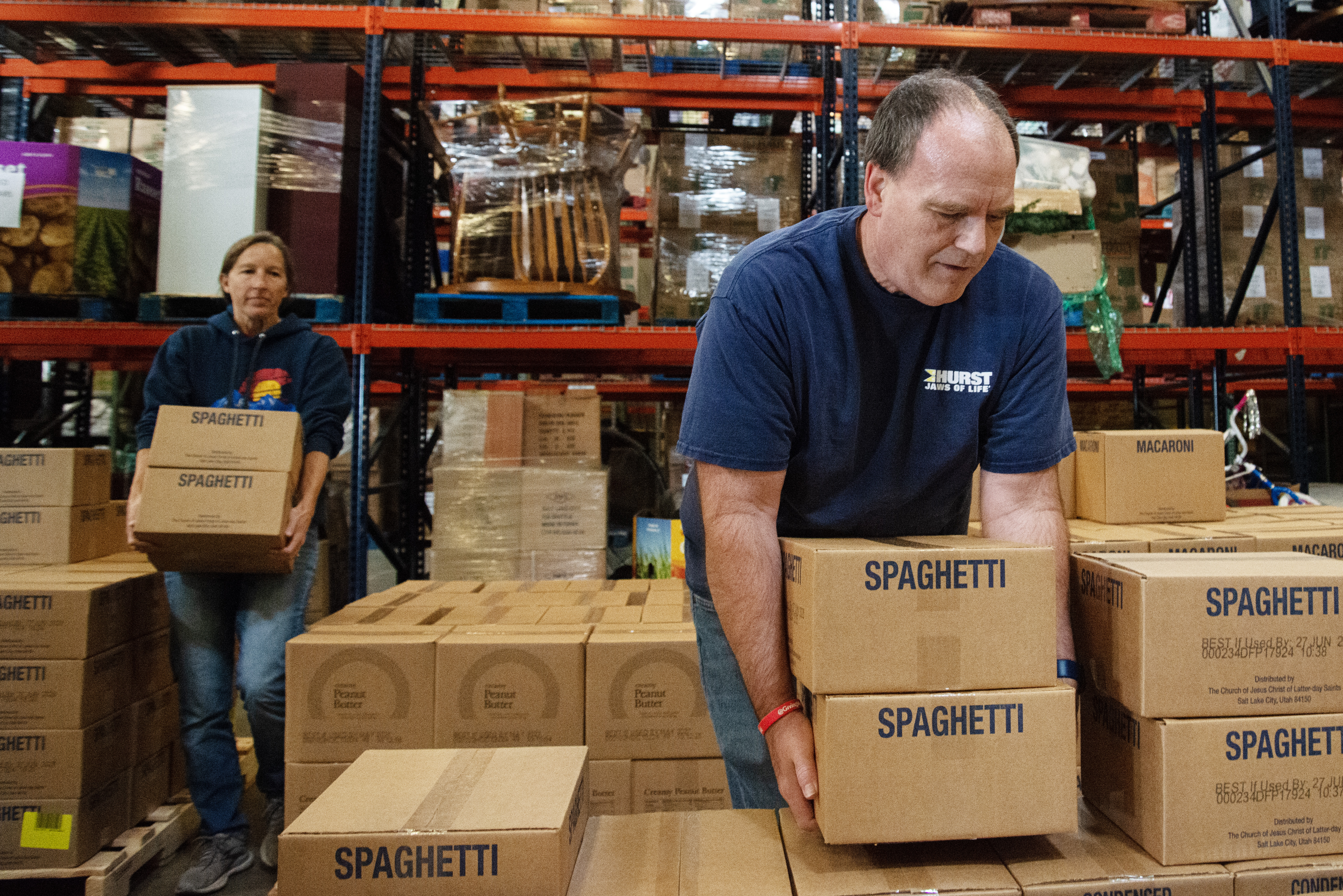
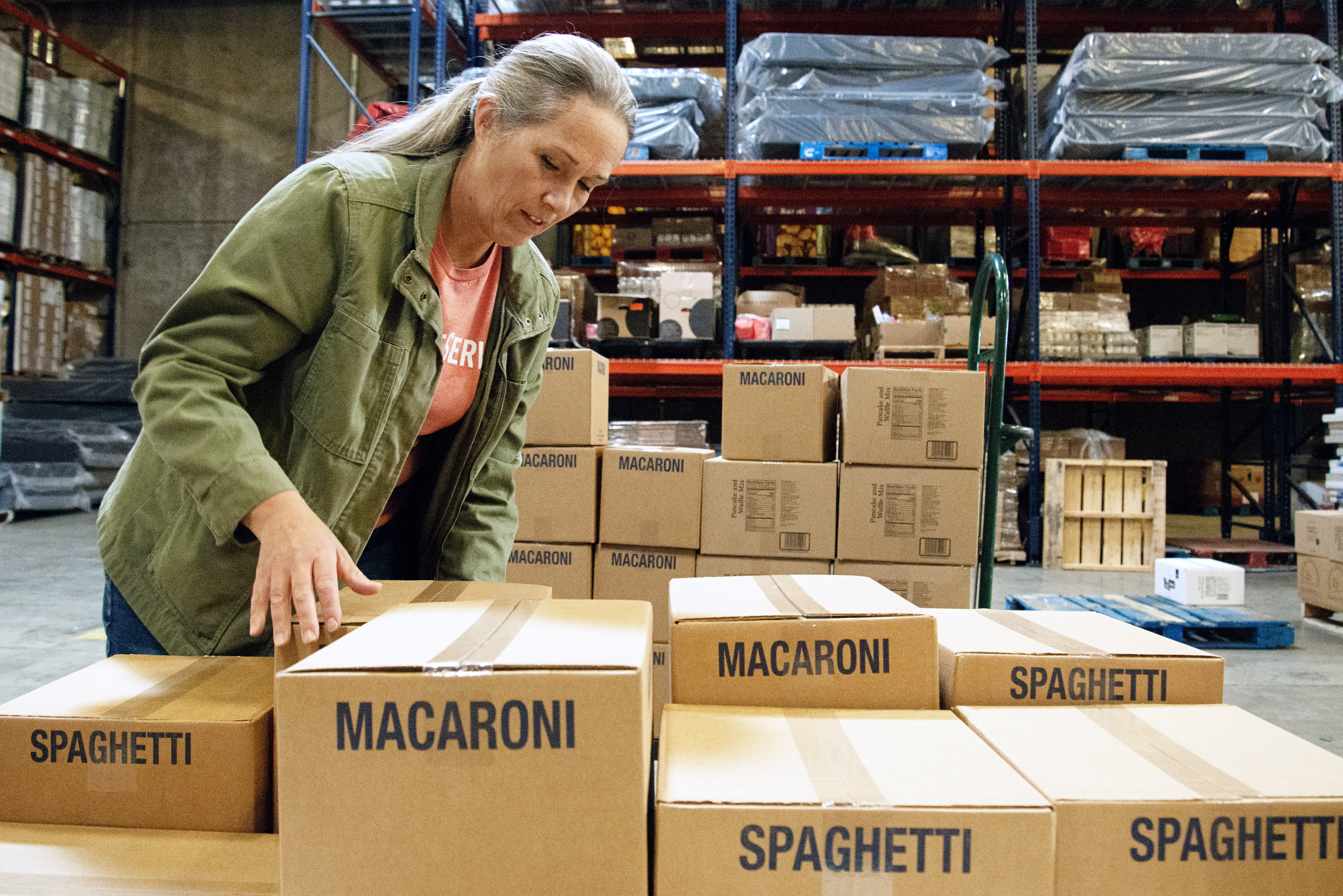
In an Aurora Salvation Army warehouse, volunteers placed boxes of food by the pallet-load for the groups to take.
“It’s been really difficult to be able to keep our shelves stocked with food price increases and increasing numbers of people asking to shop at our food bank,” Lori Stup, of Mean Street Ministry in Lakewood, said.
“We’re just incredibly grateful to be a part of this,” Stup added.
With recognition from the University of Wyoming and now the LDS, the members of the Black 14 have been able to begin the healing process.
“John represents the very best in our community. Someone who could’ve been embittered by what had happened to them as they were at school at the University of Wyoming. … He just continued to work and be engaged and then when the opportunity [presented itself] some wonderful things have come from that,” said Rick Balli, a LDS church leader.
“We have more time behind us than we have left in front of us. … That’s why we’re working so hard to supply people with food and be the change agent that can change a person’s life,” Griffin said.
To learn more about the Black 14’s charitable efforts, can check out their website Black-14.org.