Colfax Avenue BRT line poised for $280M facelift, but many are wary of traffic impact
Colfax Avenue will see a major redesign and a new bus service at a cost of $280 million and several years of construction.
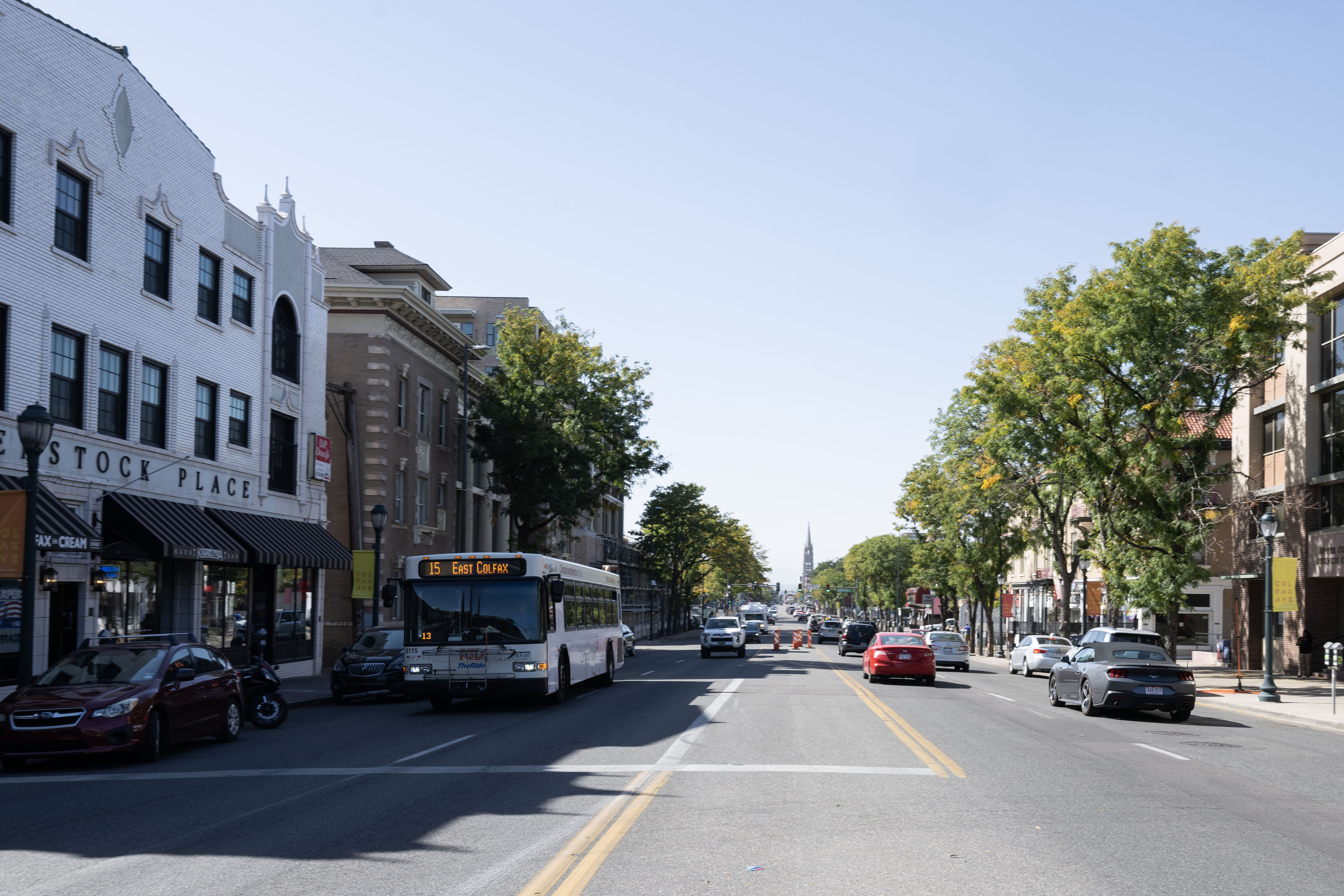
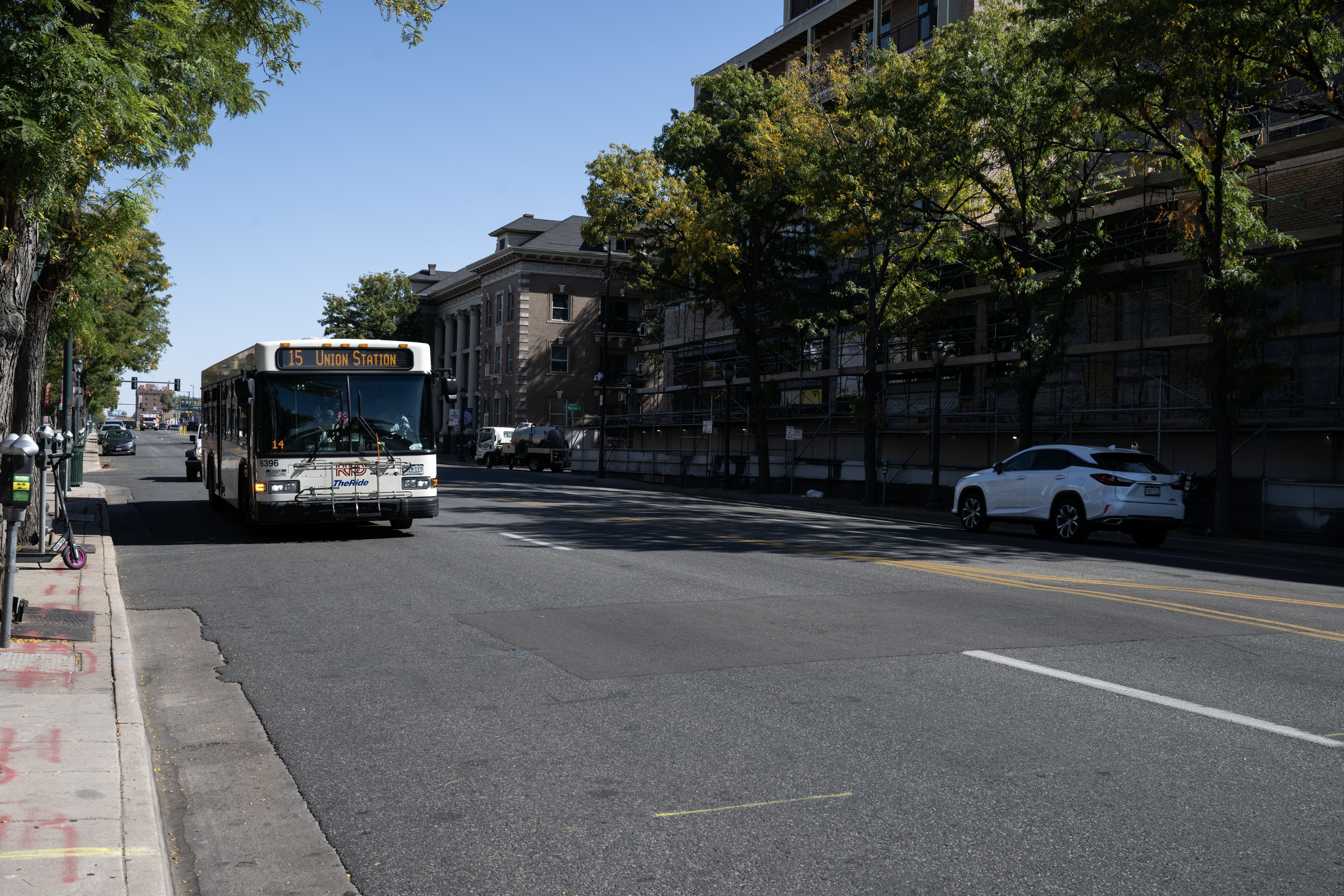
Denver’s iconic — and, in some cases, infamous — Regional Transportation District’s 15/15L bus line is getting a facelift and a new name: Lynx.
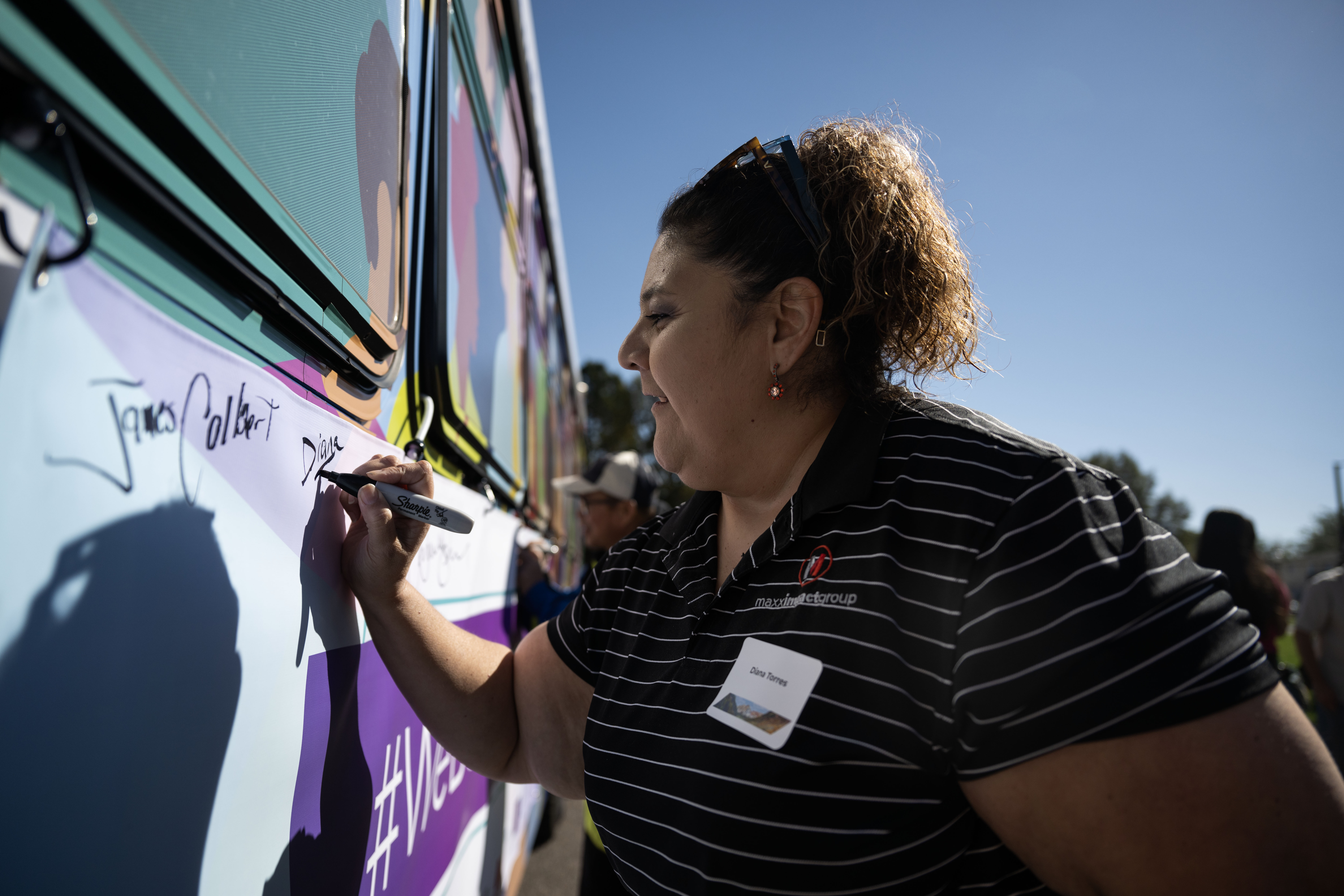
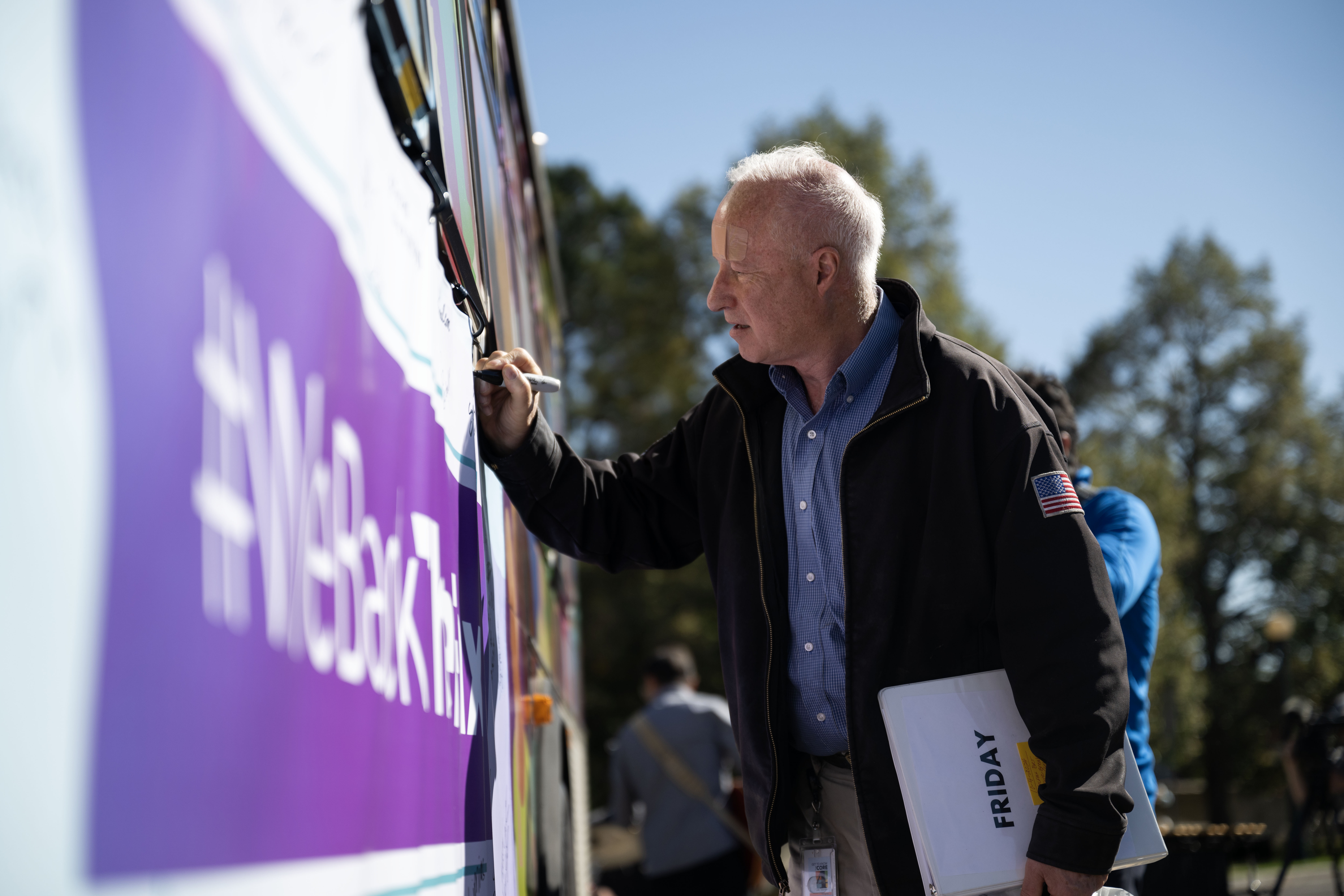
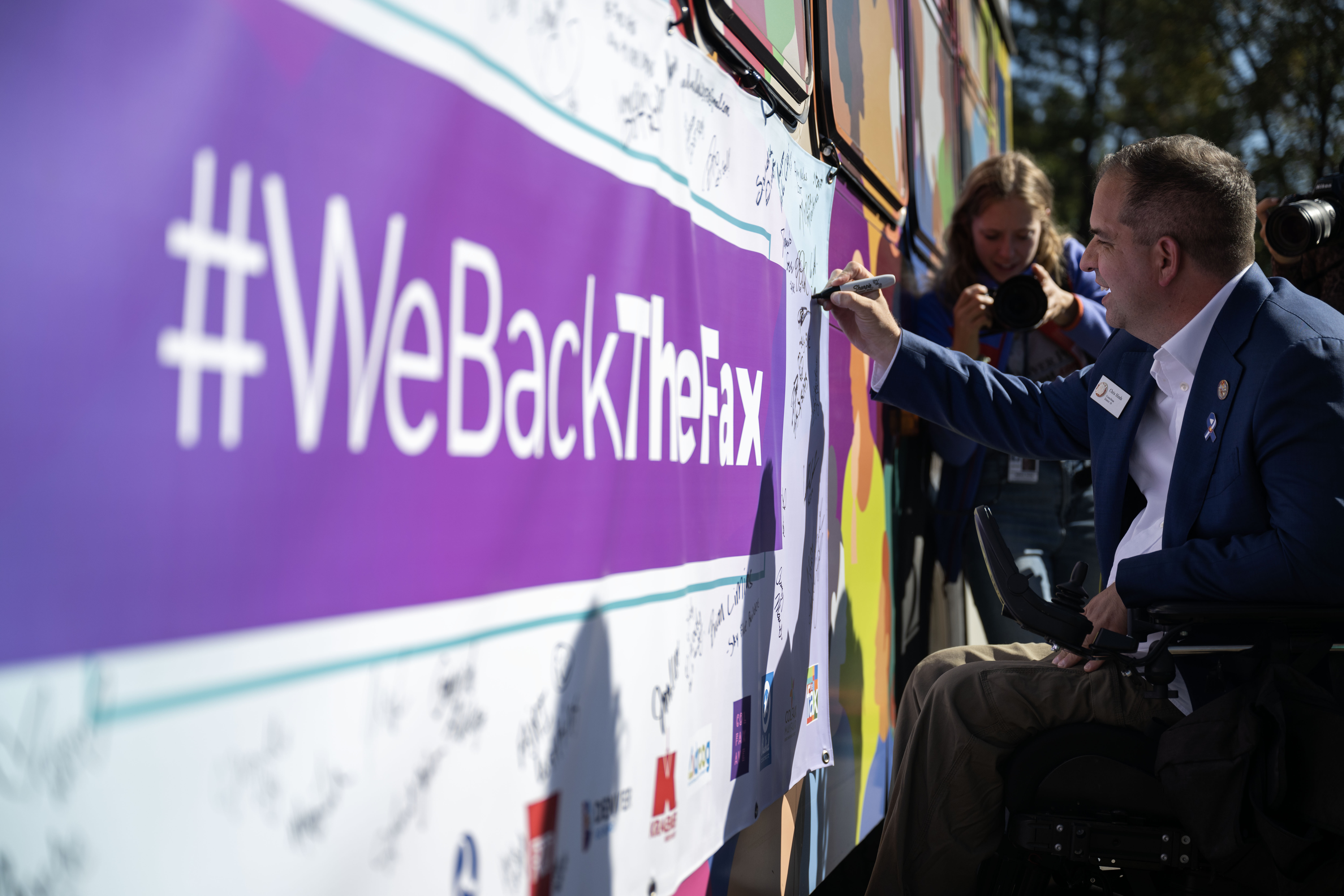
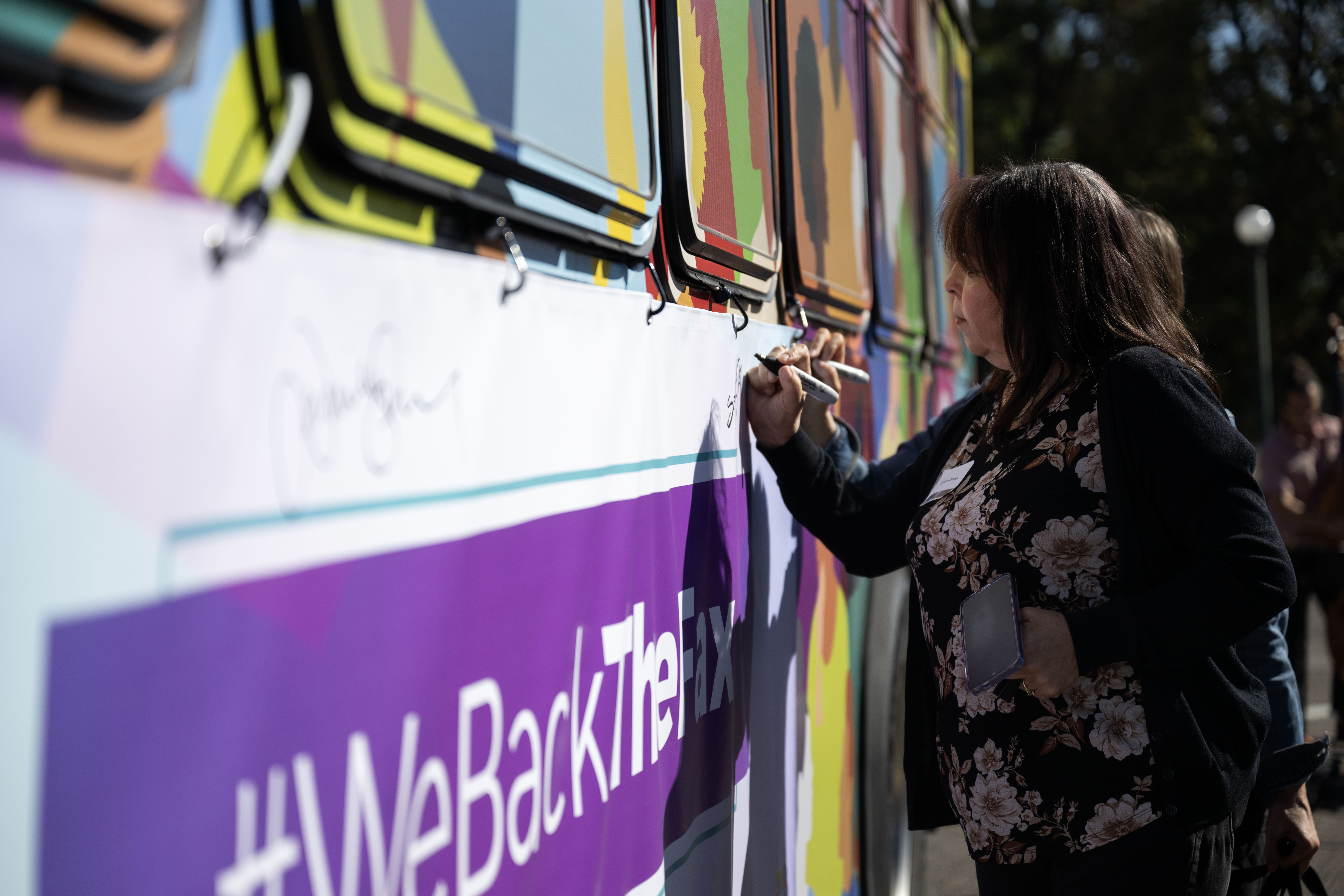
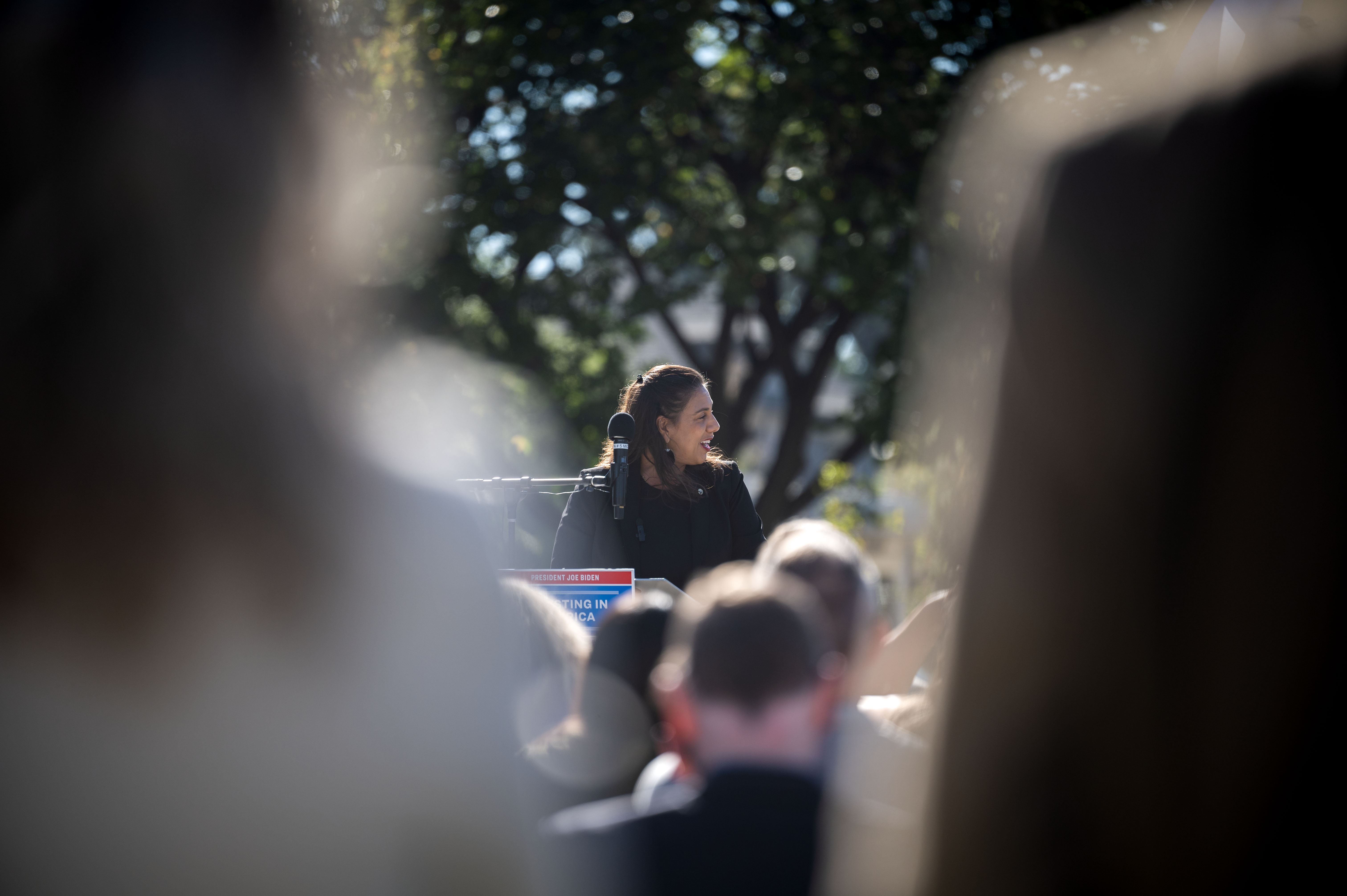
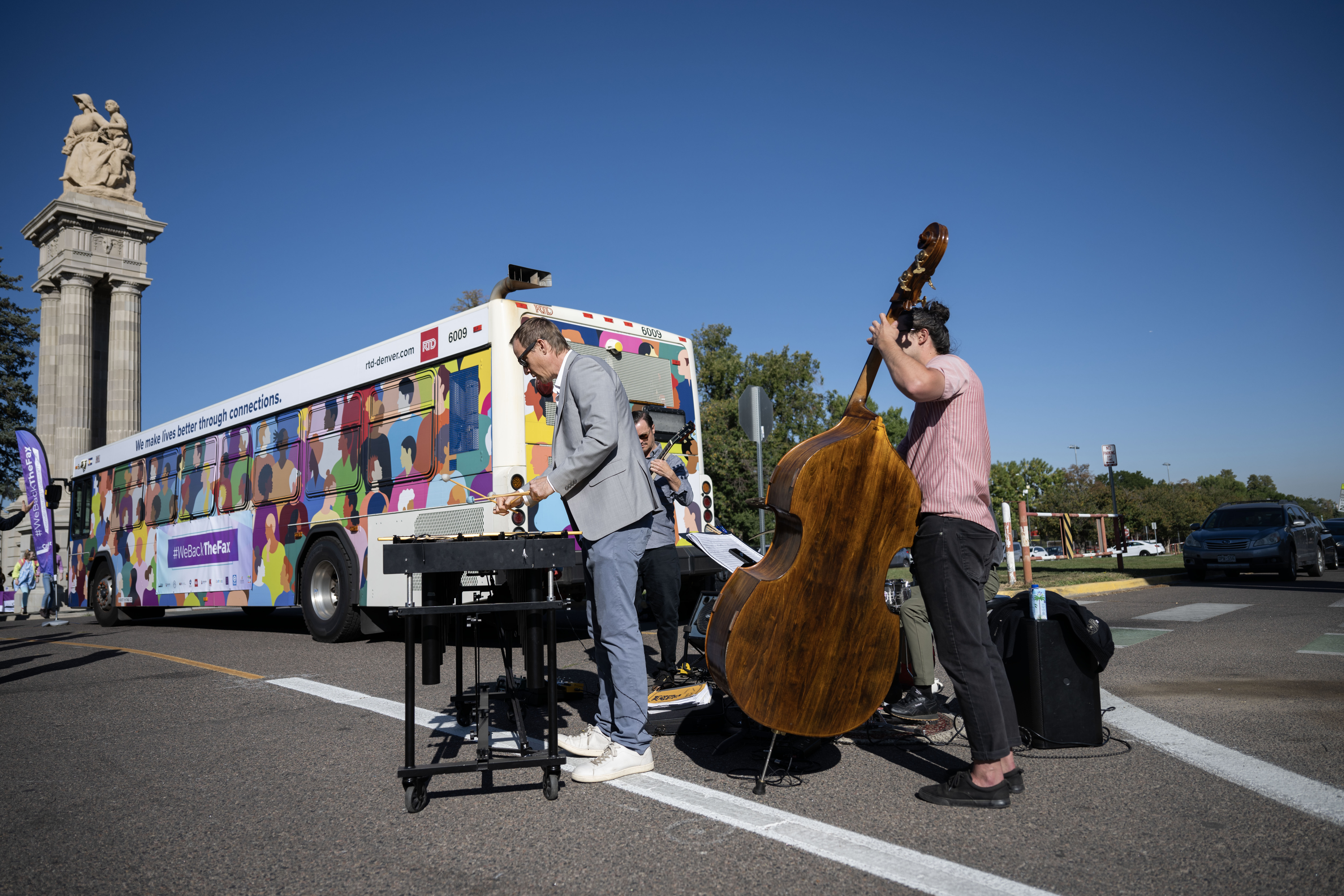
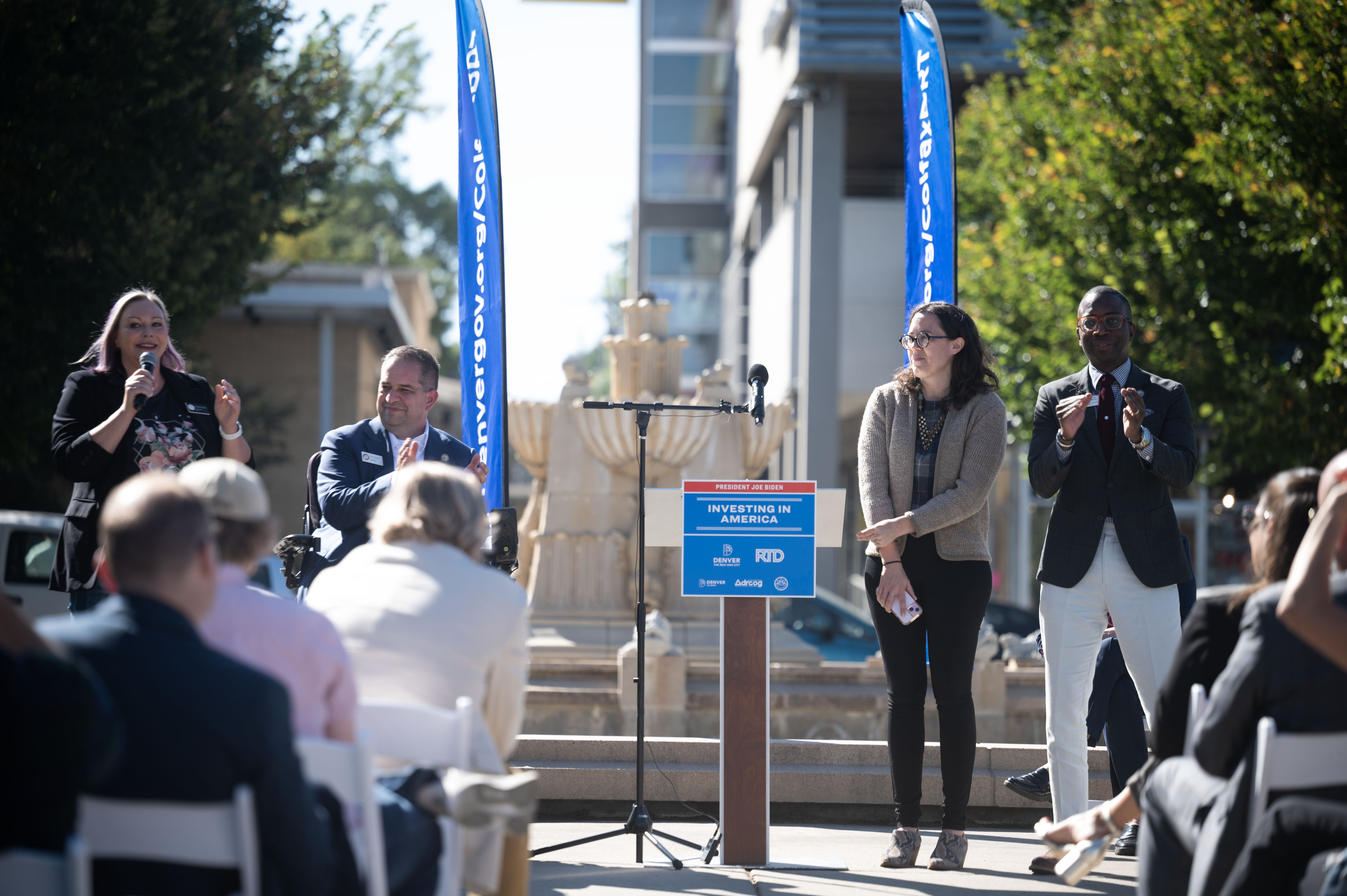
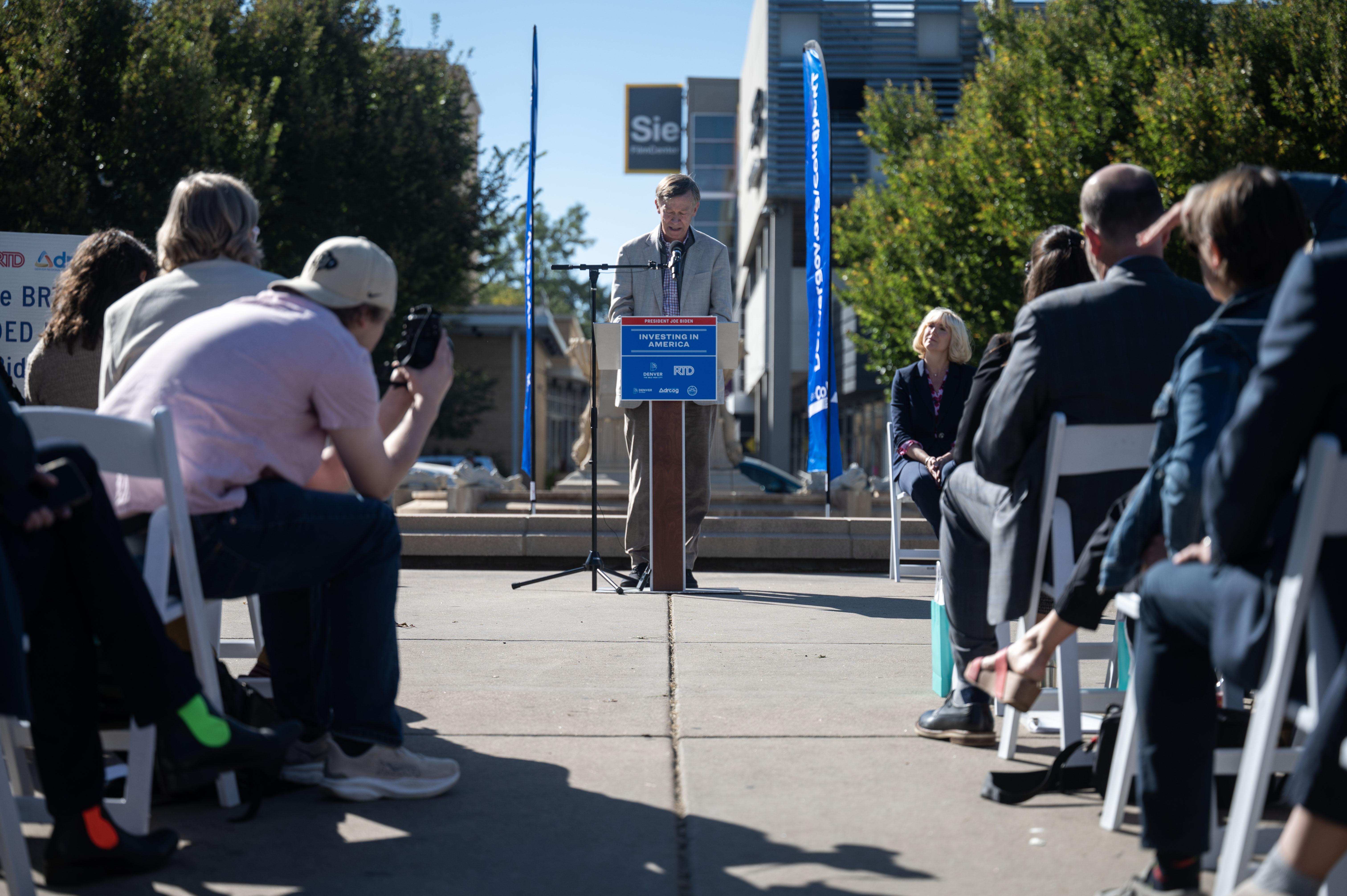
Officials from RTD, Denver’s Department of Transportation and Infrastructure and other city agencies gathered on Friday to break ground on the Colfax Avenue Bus Rapid Transit line (BRT).
U.S. Sen. John Hickenlooper and Aurora Mayor Mike Coffman also attended what speakers called a “ground-making” ceremony.
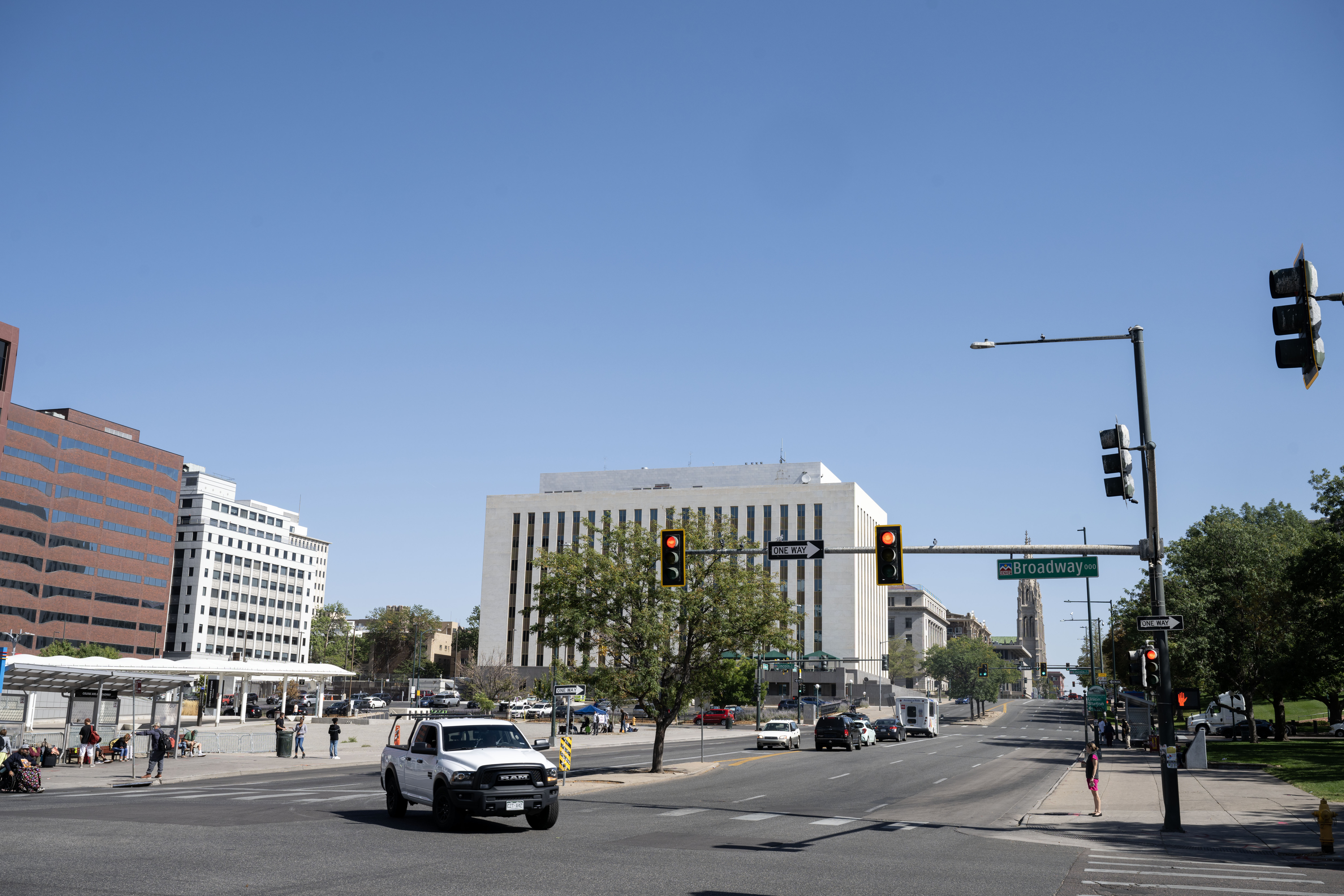
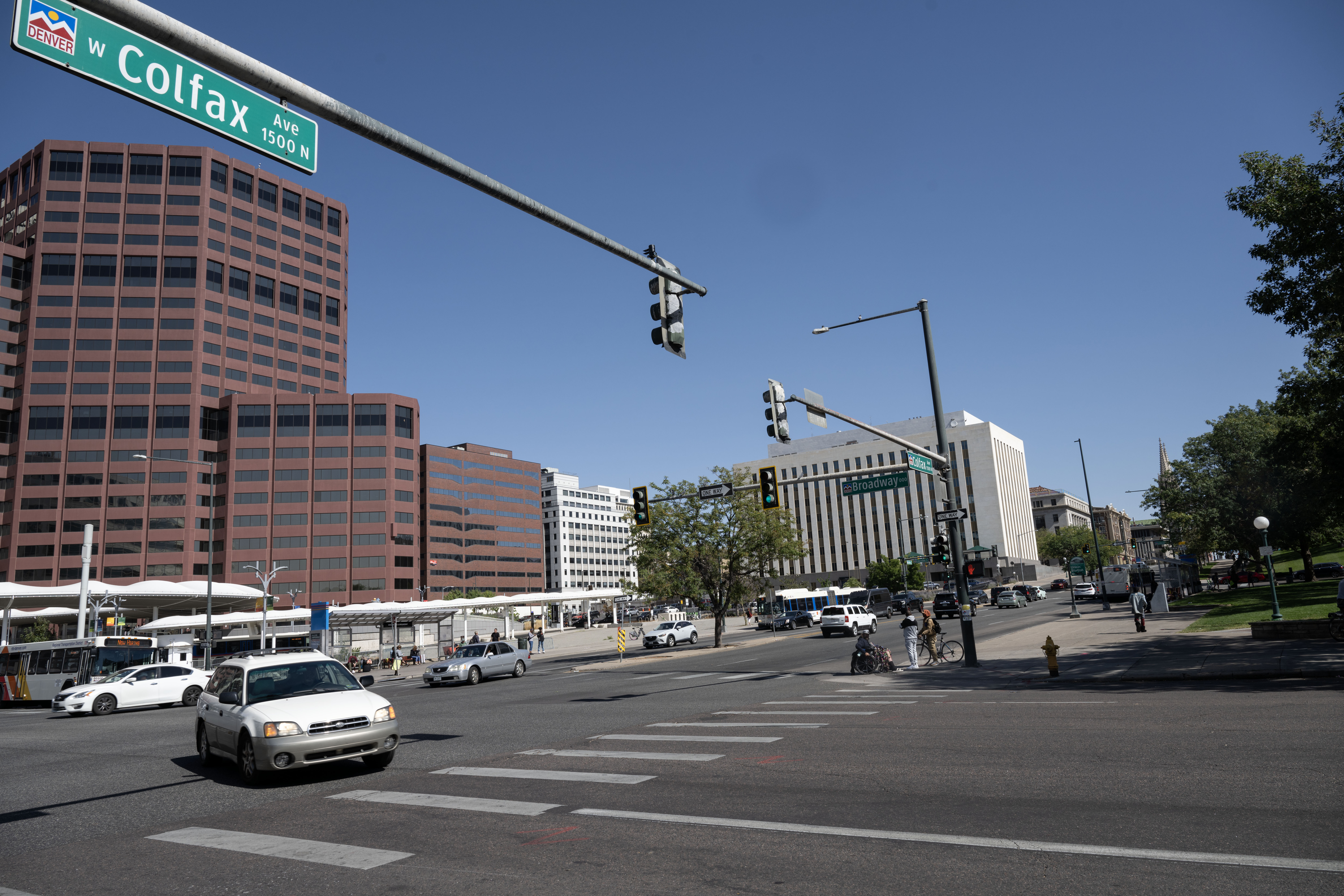
As envisioned, the multi-year, $280 million project will radically reshape the streetscape of one of Denver’s busiest vehicle corridors. The plan will halve the lanes available to cars and bring a center-running bus lane along a 5.5-mile stretch from Broadway to Yosemite Street. Two stretches in downtown Denver and into Aurora will feature side-running BRT.
The project sparked worries among Denver City councilmembers and residents who live in and along the major commercial artery.
Councilmember Amanda Sawyer, who represents the area along a majority of the new system, still wishes “Lynx” is side-running and is trying to secure additional money to support businesses through the construction period, drawing on lessons from the 16th Street Mall reconstruction project.
While there is money available, totaling close to $2 million, Sawyer said it is not enough. Also, the money is for businesses that may be affected by construction projects citywide.
The money is not specifically earmarked for the Colfax line.
And Denver’s total land area is roughly 155 square miles.
“We are in a tight budget next year, we need to fund these businesses appropriately,” Sawyer said at a previous City Council meeting. “This is something I will be sending to the mayor’s office and asking them to fund.”
“I hope the (Business Impact Opportunity) Fund is appropriately funded in that October budget, and, if it is not, I will seek an amendment and ask my fellow councilmembers to support it.”
The section of Colfax being rebuilt is home to hundreds of businesses and institutions, such as the iconic Twist and Shout record store in Denver and the Anschutz Medical Campus in Aurora. Between Sherman and Columbine streets — a roughly comparable stretch to the 16th Street Mall in terms of length— there are more than 125 businesses in a directory on the Colfax Avenue Business Improvement District’s website.
But there’s also an additional four miles of businesses in Denver that call “The Fax” home.
“We know that 60% of our general fund revenue is made up of sales tax revenue, so if our small businesses are not surviving, neither is our general fund,” Sawyer said at Friday’s ceremonies. “We can’t have dollars for all the different priorities, including housing, if we don’t have a strong economy which starts with our businesses.”
A question of security along Colfax Avenue
The city, in fact, expects a slower revenue growth. Typically, Denver sees a roughly 5% hike in its general fund each year. But next year, officials expect only half of that.
Proponents of the BRT line contend that, in the long term, the project will drive development and business profits up along Colfax, thereby increasing the city’s total revenue.
But residents are worried about its outsized impact on traffic, which they say is already dangerous, as it is rerouted to side streets and non-arterial roads — thanks to construction and the reduced vehicle capacity on the corridor.
“Colfax is so busy right now, and, whenever they do construction, there’s blocks and blocks of back up and it’s almost impassable,” area resident Stephanie Moore told The Denver Gazette. “The problem is traffic will divert onto the side streets.”
“Probably 5% of our blocks have sidewalks, so if you’re out walking your dog, you’re in the street and cars are zooming up and down,” Moore added. “It’s just really scary.”
Moore has lived in the same house along East Colfax for more than 40 years and is one of several neighbors opposed to the planned redevelopment. She said the city has attempted major changes to the streetscape before, which, she said, always seems to backfire and only make things worse.
Moore understands her neighborhood is changing. Many new families are moving into the area, she said, and they seem to want projects like the Colfax BRT. Whether they would actually use the new bus line is anyone’s guess, she said.
“I went to school at East High and I rode the Colfax bus when I was in high school and it was a fairly terrifying experience then,” she said. “I refused to let my kids ride the Colfax bus.”
“It’s kind of a free-for-all,” she said.
When Moore’s daughter attended college, she rode the 15/15L but opted to drive to her classes after one week of not feeling safe.
Safety on RTD buses and light rail has been a thorn in the side of the agency for years. During the height of the COVID-19 pandemic, a report from the Washington Post highlighted that safety worries extended to bus drivers and passengers. RTD installed more safety equipment for drivers in the last year, like plexiglass dividers.
In March, The Denver Gazette reported that RTD received almost 14,000 calls for service in 2023. Of those calls, 20 were for weapon offenses, 11 for menacing, 82 for assault and 146 for threats.
RTD officials said they’ve worked to increase the number of transit officers.
“(The Regional Transportation District) is increasing the number of sworn police officers on our staff and we have many agency policies and plans in place that we are effectuating now,” said Pauline Haberman, RTD’s manager of special projects. “(We are) also targeting the hotspots on the system.”
According to RTD’s website, the RTD Transit Police Department has more than 600 contracted police and uniformed security officers, covering nearly 2,400 square miles across eight counties and 40 cities in the metro Denver area.
‘Colfax in their blood’
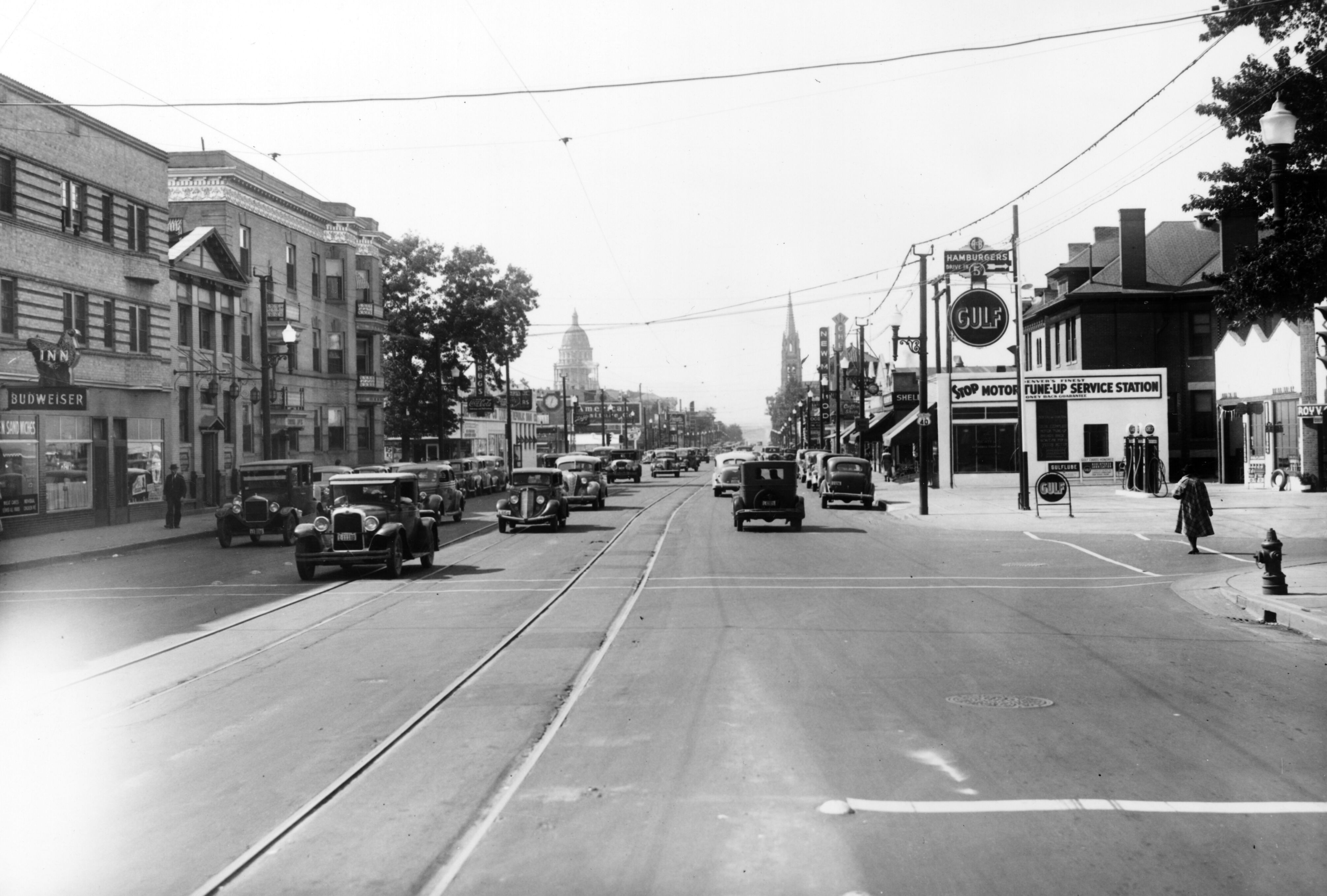
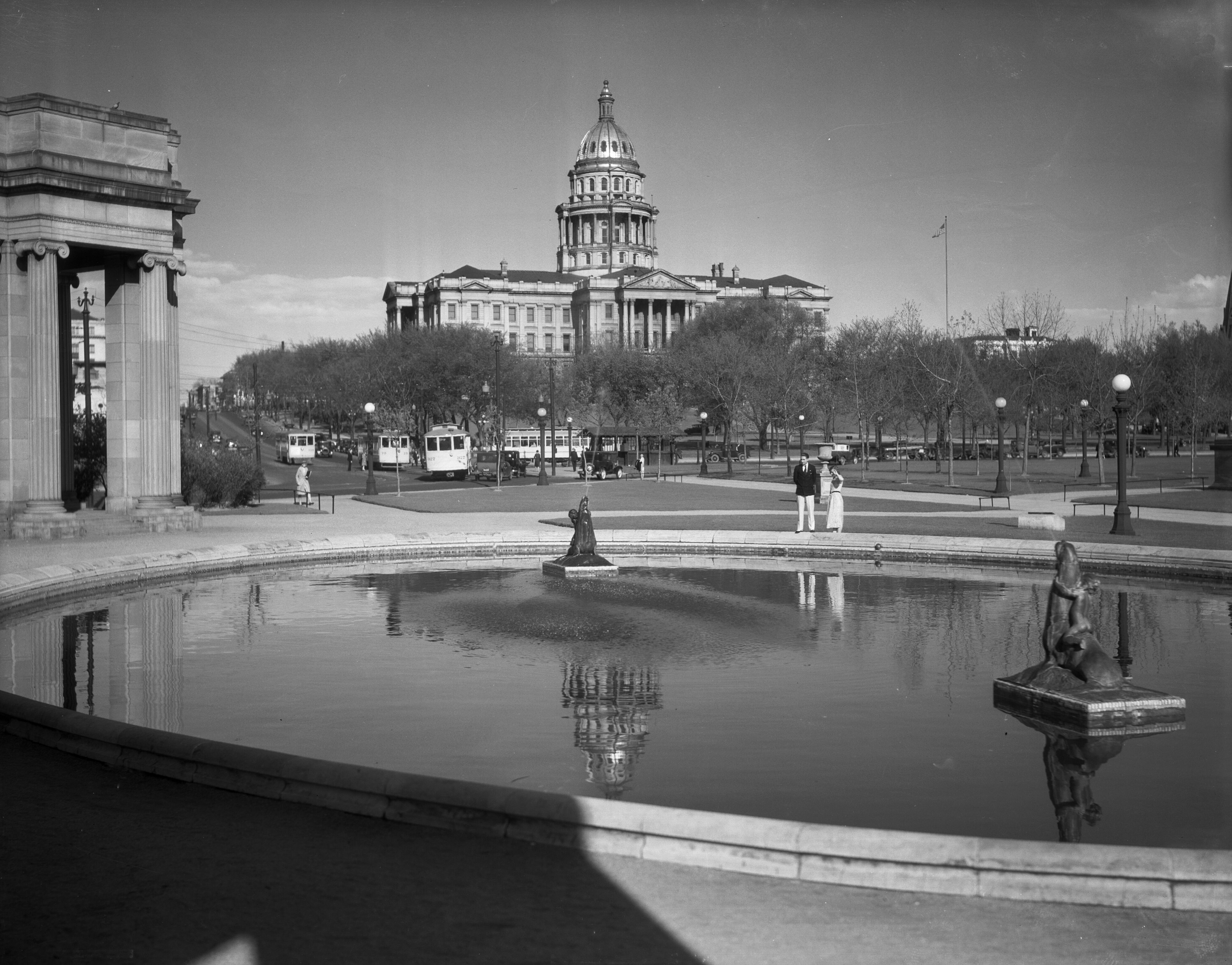
This may just be East Colfax Avenue — a street known for its rough and tumble nature throughout Denver’s history.
But that is part of what makes it unique, and, for some, primed to grow because of the new BRT line.
Frank Lacontore, who is the head of the Colfax Ave Business Improvement District, believes the new bus line is “necessary.” Denver is set to see continuing population growth and he worries that Colfax would, without the BRT project, become an even worse version of what residents already see.
“If the BRT is not built, then our communities would buckle under the thousands of additional vehicles every day. In the next 20 years, we are going to have a dramatic increase in job growth, population growth and travelers on Colfax,” he said. “There is a lot to be excited about. Colfax is going to get a little bit more rizz to fit in with our Colfax grit.”
Lacontore added that everyone who calls Colfax home, whether in the district or not, has that grit. They also “Colfax in their blood,” he said.
While businesses will remain open to customers during construction, access will be more difficult. And some businesses are already shutting — not as a result of the expected the BRT construction — but because it’s “The Fax.”
On Wednesday, the Natural Grocers on the corner of Colfax and Washington Street announced it will permanently close due to ongoing security issues.
The Lakewood-based grocer has 46 stores in Colorado and 169 in 21 other states.
But after struggling with “retail theft and safety issues” that affected the store’s performance, the company decided to pull the plug.
“Despite our investment in security and loss prevention strategies over the years, these factors have continued to challenge our ability to operate our store safely and sustainably, and we have made the difficult decision to close our doors at this location,” Kemper Isely, co-president of Natural Grocers, said in a news release.
Residents are also worried about the practicality of accessing the BRT and how it may affect more businesses if construction lags, just as the 16th Mall facelift has lagged.
The center running portion of the BRT requires pedestrians to cross a traffic lane to an “island” bus stop or shelter, where they can wait for the next bus.
This mystifies residents of South Park Hill.
“I think the plan is short sighted and the design makes little sense to me,” Alice Applebaum said. “Living on Oneida Street, we’ve already become the alternate to Quebec and Monaco and that’s only going to get worse.”
“I think we will see businesses along Colfax go out of business,” Applebaum said.
“We know that as of today, we have not lost a single business on the 16th mall due to the 16th Street mall construction,” Sawyer, the councilmember, said.
Several businesses, in fact, have closed. The mall’s McDonald’s, Corner Bakery Café, Hard Rock Café, TJ Maxx, and Monster World at the Denver Pavilions, among others, all shut their doors since the start of the reconstruction project in April 2022. Panera Bread just this week announced it’s closing its only downtown location on 16th and Market streets.
Denver Gazette reporters Bernadette Berdychowski, Kyla Pearce and Sage Kelley contributed to this report.