Parker Solar Probe, with CU experiment onboard, survives closest encounter with sun
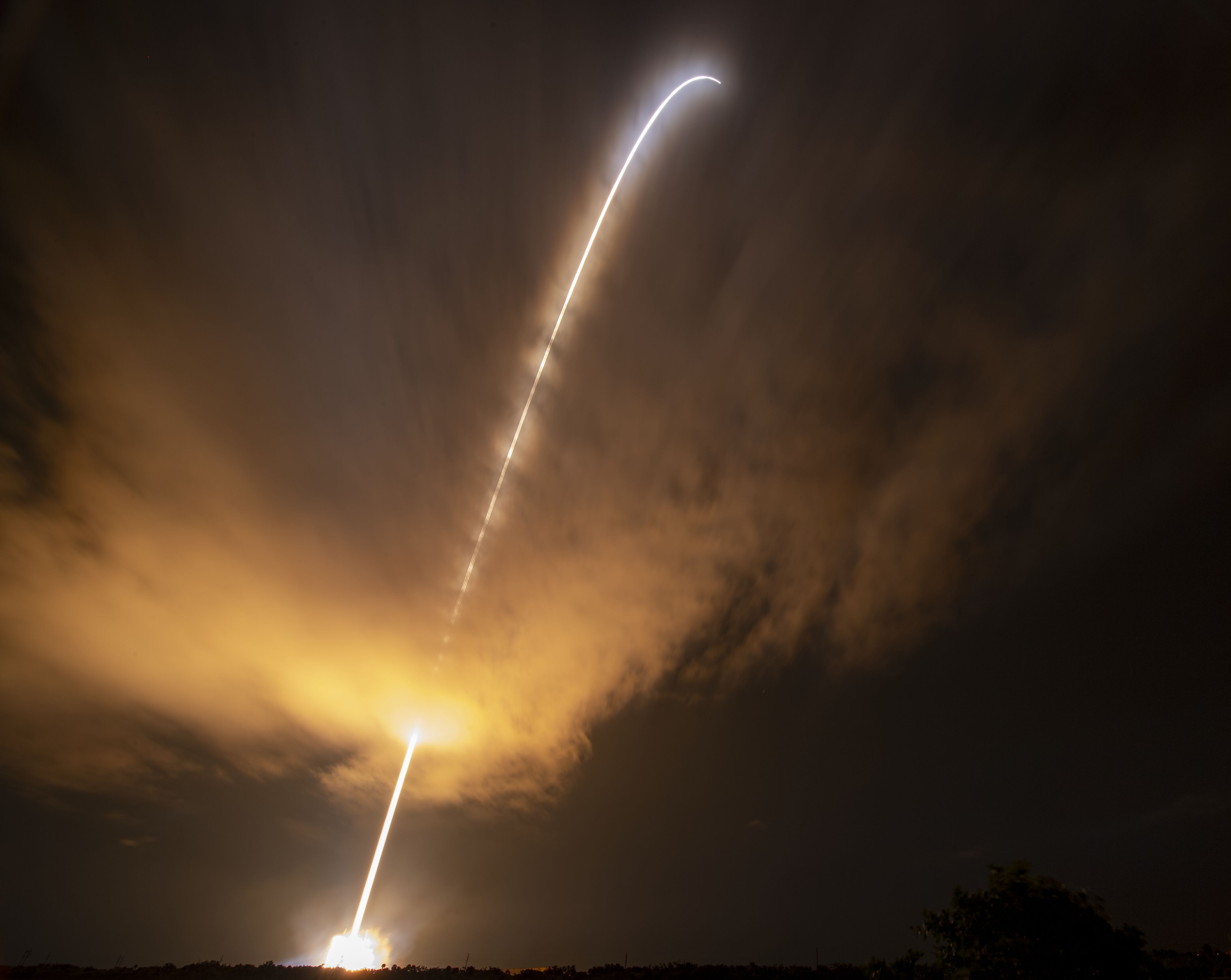
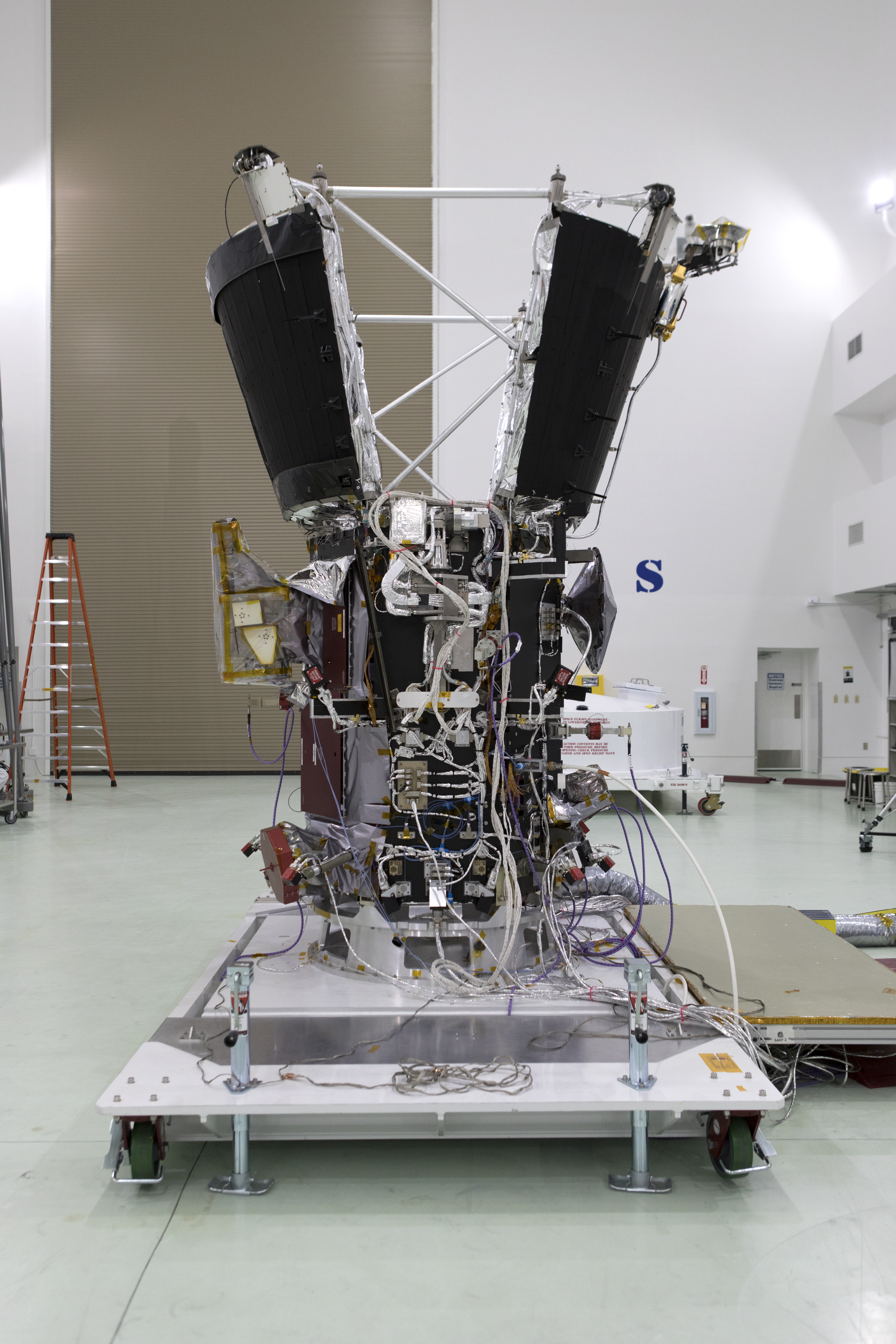
The Parker Solar Probe, partly designed by students and researchers in Colorado, survived its closest encounter with our sun, passing a mere 3.8 million miles from its surface.
The probe is helping scientists understand specifics of the solar wind and how it impacts earth.
Researchers at the University of Colorado’s Laboratory for Atmospheric and Space Physics let out a sigh of relief. One of their experiments is, after all, on the probe and gathering data in an environment hot enough to melt steel.
The probe is designed, among other things, to observe a large cloud of dust orbiting near the sun. This dust is mainly pieces of comets and asteroids that were unable to form planets or moons, but can help scientists like David Malaspina, an assistant professor in the astrophysics and planetary sciences department at CU, better understand how the solar system came to be, and how others may be created deep in the cosmos.
But NASA has never tried going this close to the sun, which has somewhat stunted research.
“It’s sort of like trying to understand how the flame on a candle works if you can only measure the smoke,” Malaspina said. “What we’ve always wanted to understand is how the sun creates this flow (of interplanetary dust) and to do that we have to get very, very close: Down into the flame.”
This is why NASA, in a press release sent out Friday, said the Parker Solar Probe had touched the sun.
So far, the probe has completed more than 20 full orbits of the sun, coming marginally closer every time until finally coming within 3.8 million miles, closer than any probe before it.
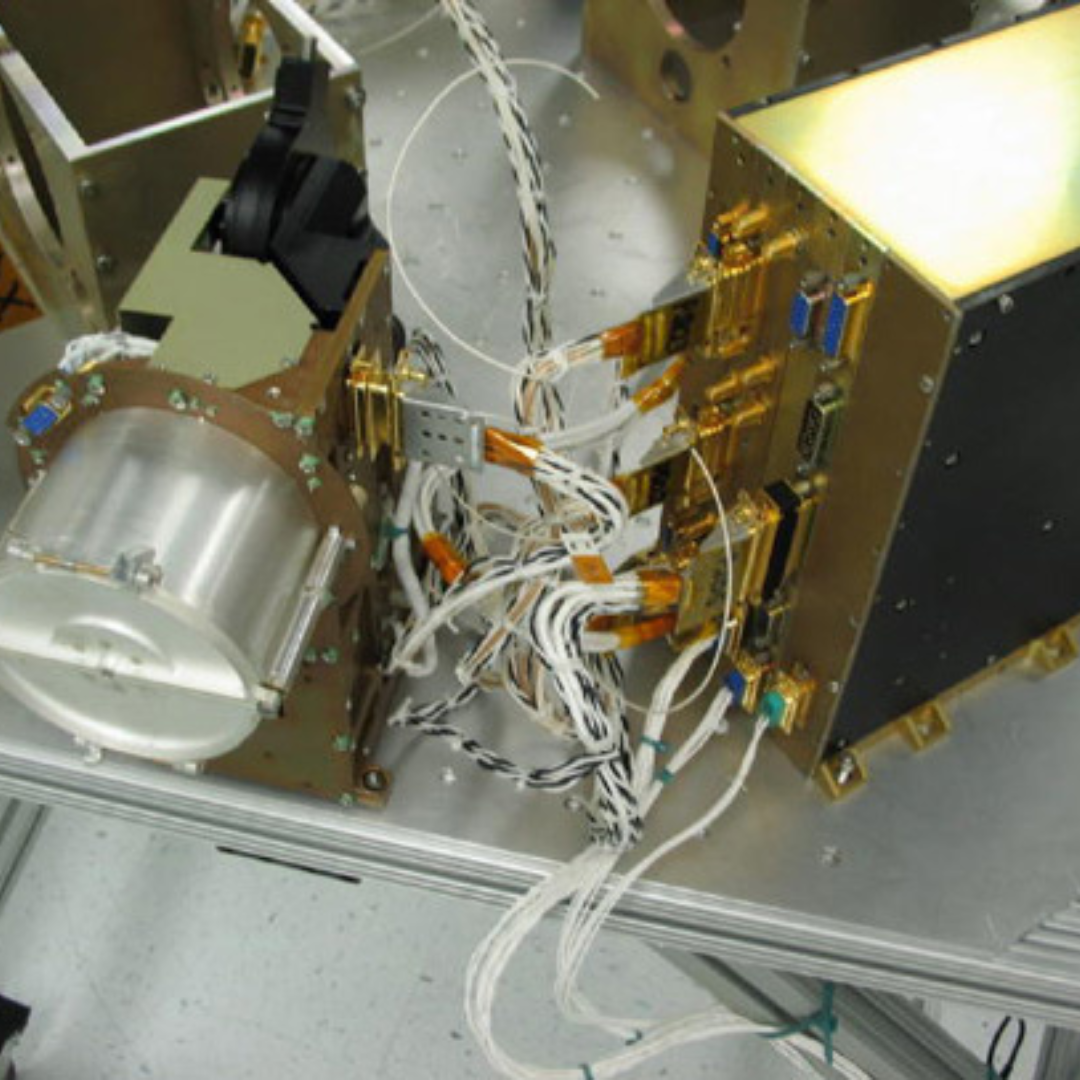
Malaspina and students at CU have a vested interest in the probe’s success: They designed and built a critical piece of one of the four experiments onboard. The digital fields board helps the probe analyze dust impacts and the resulting plasma fields that form around the spacecraft, as part of the larger Fields experiment.
These particles were left floating in the solar system, and, over millions of years, began to form the large dust cloud around the sun. This is called the zodiacal cloud.
And there’s a lot of dust in it.
“The dust environment near the sun, it turns out, was strongly under predicted by existing models,” Malaspina said. “Measuring the zodiacal cloud is scientifically interesting, but what we really want to do is understand more generally how stars process the dust around it.”
The cloud of dust is often missed by those living in larger cities as light pollution overpowers the faint glow it gives off. A bright moon can also cause the human eye to miss out on it, but on particularly dark nights, one can see the glow with the naked eye.
“Our own solar system is done making planets and all we have are the leftovers,” Malaspina said. “But if we look at other solar systems, where planets are just being formed, understanding how a star interacts with the dust around it can tell us more about how the planets were created in the first place and how they may be created in other stellar systems.”
In a way, this is similar to using fossil records to understand how life on earth developed and evolved to what it is today, scientists said. This is also why the James Webb Space Telescope is looking deeper into the cosmos than any previous telescope — to help us understand what things looked like at the beginning, and what they may look like in the future as our solar system burgeons on.
While the probe pinged NASA yesterday, assuring Malaspina and others that it had survived, data won’t be received until the middle of January.
This is because of radio interference from the sun. Distance is also a challenge since the orbits of Earth and the probe don’t always line up, limiting how much data can be sent back.
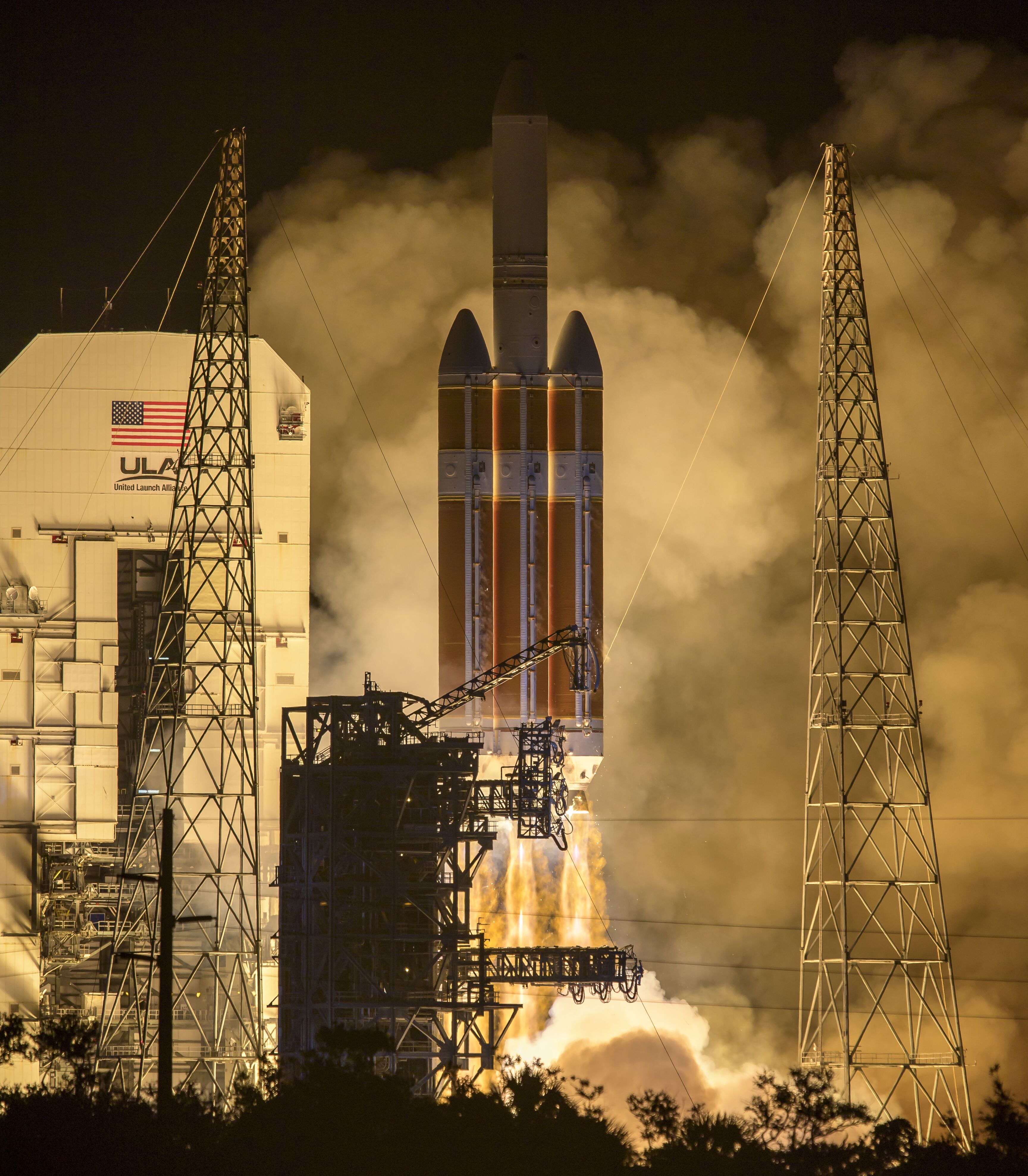
Though designed for the hostile environment, there was no guarantee the probe would survive, especially considering launch is a dangerous affair. But there were hazards to negotiate in space, as well.
“The spacecraft gets hit by dust impacts many, many thousands of times per orbit and any one of those dust impacts has the potential to destroy the spacecraft, so I always worry about that every time it goes around,” he said.
But the probe pulled through and will hopefully begin sending back swathes of data for Malaspina and others to pour over.
“(I am) really excited to see what information comes back from this closest approach and what we can learn about the sun,” he said.