






This month likely to be the driest April on record
After weeks of almost zero precipitation, this month is on track to be the driest April on record for several Colorado cities including Colorado Springs and the Denver Foothills.
If no rain falls in Colorado Springs by Saturday night, the area’s monthly precipitation will be 1/100th of an inch, tying the record low set in 1965, according to the National Weather Service in Pueblo.
Fields of brown grass and dry forests are alarming climatologists, who are hoping for soaking rains in May to turn things around. Fire conditions are so extreme that the National Weather Service office in southern Colorado has issued a Fire Weather Watch almost every day this month.
“Over the last few weeks, we’ve been outlooked for ‘extreme’ fire weather conditions twice by the Storm Prediction Center, which has only happened a handful of times in the last few decades. Twice in as many weeks is pretty significant,” meteorologist Mike Garberoglio said.
Denver is not far behind its parched southern neighbor. If rain doesn’t fall by Saturday night, this month will be the second driest April on record at Denver’s Central Park Station, where meteorologists have kept weather records for 74 years. The weather station has recorded only 8/100ths of an inch of rain this month. April’s average precipitation is 1.67 inches.
Denver International Airport has recorded 1/100th of an inch of rain in April, which would be a record low if the dry weather holds through Saturday. But weather measurements at the city’s Central Park Station are more accurate, climatologists said, because the airport is farther out in the plains.
“We’ve gotten almost nothing in April this year,” said Pete Goble, climatologist and water availability specialist at Colorado State University’s Colorado Climate Center. In Denver, April 1963 was the driest April on record, when the Front Range recorded only 3/100 of an inch of moisture.
“Comparing 8/100th and 3/100th is so minuscule. Either way, it’s a really dry April,” Goble said.
Though Colorado has been bone-dry, the state has not set any records for heat, which Goble said is unusual. “Warm and dry usually go hand in hand,” he said.
No snow fell this month, which hasn’t happened since the historic drought of 2002. April is typically one of Colorado’s snowiest months.
The mountain snowpack in Denver Water’s two collection areas, the Upper South Platte and Upper Colorado River basins, ended the 2021-22 season below average, hitting their peak for the year on April 26 at 71% and 86% of average, respectively.
Denver Water, which serves 1.5 million people along the Front Range, is moving ahead with water restrictions starting Sunday. Residents are being asked to limit outdoor watering to three days a week and only when it’s cool — from 6 p.m. until 10 a.m.
“Following these rules is the right thing to do given Colorado’s arid climate and the importance of protecting reservoir supplies, rivers and streams on the West Slope and the Front Range,” spokesman Todd Hartman said.
Colorado Springs Utilities is asking residents to do the same thing starting Sunday: Water three days a week and limit sprinkling from 10 p.m. to 6 a.m., a plan designed to save 10,000 acre-feet of water per year. If people break the rules, they could be fined up to $100.
Denver Water’s rules are suggestions, not laws. If residents are caught running sprinklers when they’re not supposed to, they’ll get a lecture instead of a citation.
“It’s been our experience that when we reach out to people who are in violation of the watering rules, they often didn’t know and are quick to correct the issues, whether it be a broken sprinkler head or a timer that was inadvertently reset,” Hartman said.
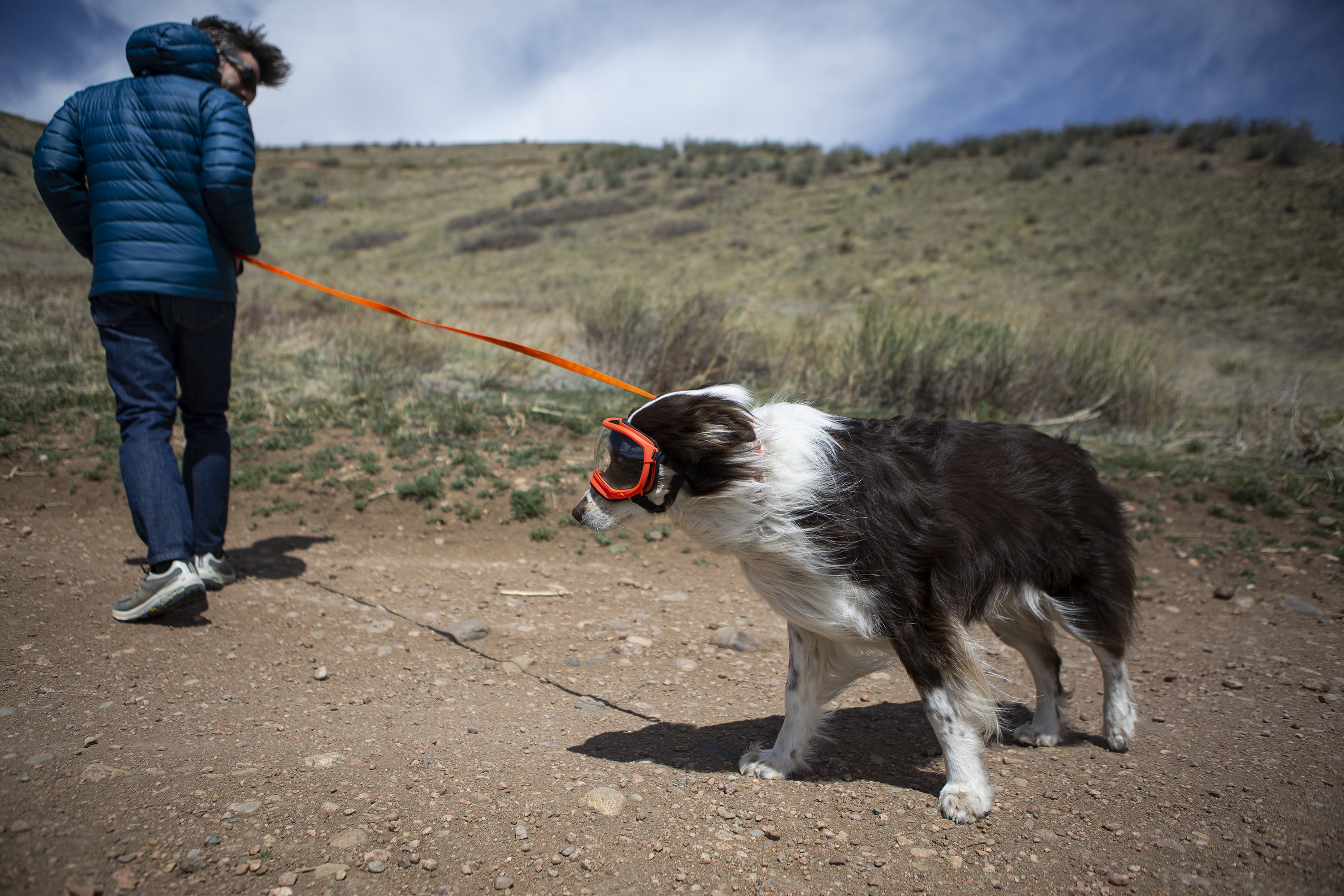
Increasing wind speeds also have been a problem this month. Colorado has seen the highest April-to-date consistent wind recorded since 1989, with an average of 13 miles per hour. That’s more than 2 mph higher than the state’s average of 11.1 mph, said Chris Bianchi, a meteorologist with Denver Gazette news partner 9News.
A strong jet stream has been sitting over Colorado, leaving the state on the back end of spring storms. That means the moisture is traveling north into Wyoming, Nebraska and the Dakotas.
“What has been unusual are the medium wind events, which have been consistent because storms have been missing us to the north, which means we’re getting the wind and not the rain,” Bianchi said. “It’s that frustrating, constant, blowing kind of wind.”
The Colorado Climate Center is so concerned about increasing wind speeds that climate scientists are gathering to discuss the issue next week.
“One of the biggest conversations of April is what happened with the wind … but we won’t have analyses until the month is over,” Goble said.
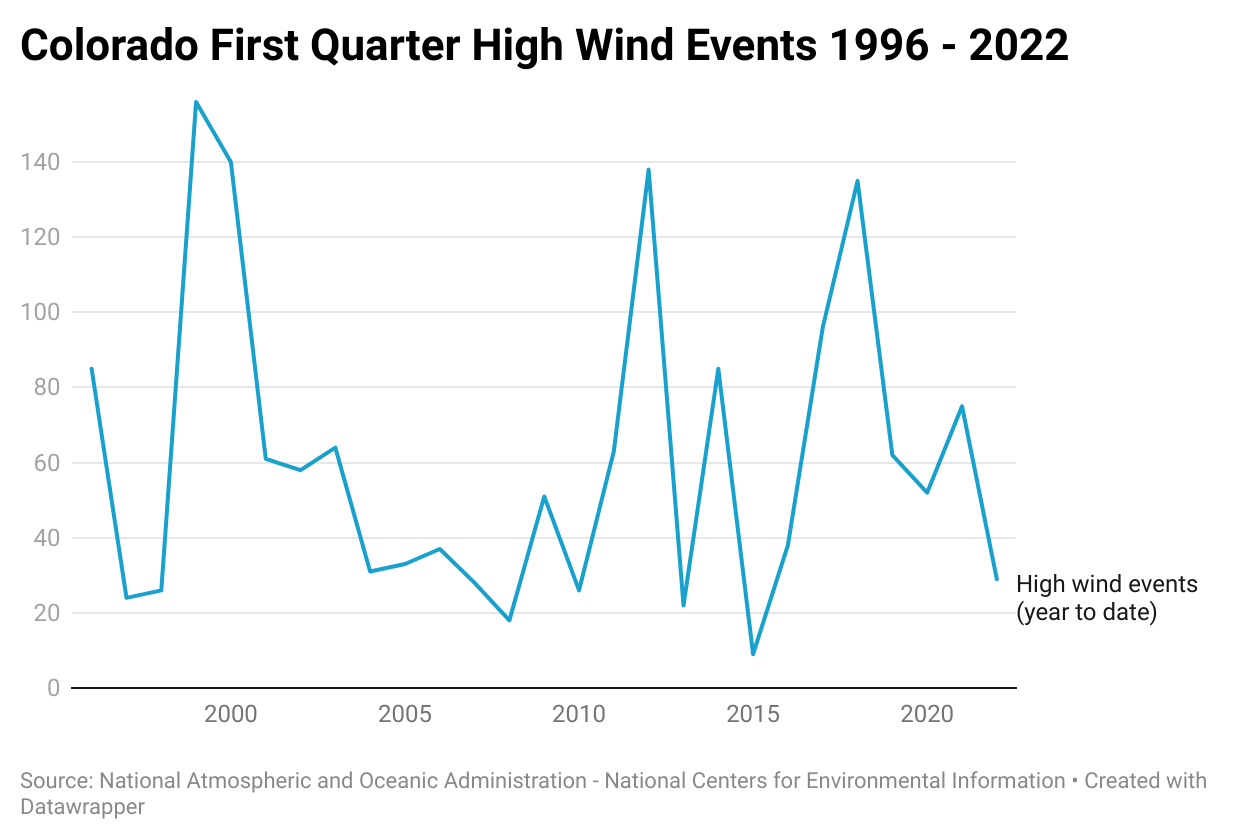
Since Jan. 1, there have been 29 high wind events, the seventh fewest between the beginning of the year and April 29 since 1996, according to data compiled by the National Oceanic and Atmospheric Administration.
High wind events in Colorado are categorized differently and are based on geographic location. For instance, in the eastern plains, a high wind event is reported if sustained winds reach 40 mph or wind gusts of 58 mph or higher are recorded. In the mountains and the foothills, sustained winds must reach 50 mph or wind gusts top 75 mph, said Bruno Rodriguez, a meteorologist at the National Weather Service in Boulder.
On April 21, the National Weather Service issued an extreme fire danger warning for the eastern plains. The next day, Colorado reported sustained wind gusts of 50 to 65 mph, which are considered tropical force winds.
NOAA recorded the highest number of wind events in 1999 in Colorado between the beginning of the year and April 28. That year, 156 events were recorded in a four-month period.
The Front Range may not see relief soon. The Climate Prediction Center is showing a trend toward a drier and warmer than average spring overall.
“What I would emphasize more than anything is that how dry it has been,” Bianchi said. “This month is the biggest takeaway. This is normally a wet time of year and it’s bone dry.”



This month likely to be the driest April on record
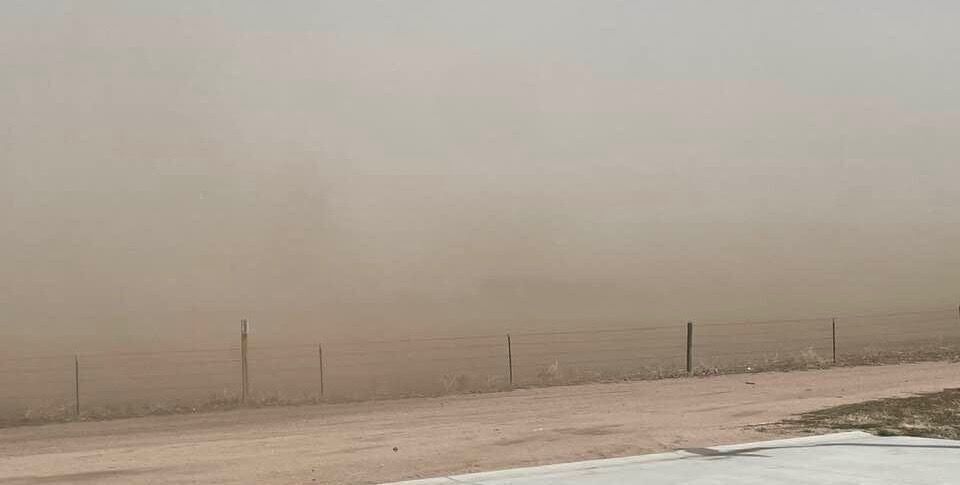
After weeks of almost zero precipitation, this month is on track to be the driest April on record for several Colorado cities including Colorado Springs and the Denver Foothills.
If no rain falls in Colorado Springs by Saturday night, the area’s monthly precipitation will be 1/100th of an inch, tying the record low set in 1965, according to the National Weather Service in Pueblo.
Fields of brown grass and dry forests are alarming climatologists, who are hoping for soaking rains in May to turn things around. Fire conditions are so extreme that the National Weather Service office in southern Colorado has issued a Fire Weather Watch almost every day this month.
“Over the last few weeks, we’ve been outlooked for ‘extreme’ fire weather conditions twice by the Storm Prediction Center, which has only happened a handful of times in the last few decades. Twice in as many weeks is pretty significant,” meteorologist Mike Garberoglio said.
Denver is not far behind its parched southern neighbor. If rain doesn’t fall by Saturday night, this month will be the second driest April on record at Denver’s Central Park Station, where meteorologists have kept weather records for 74 years. The weather station has recorded only 8/100ths of an inch of rain this month. April’s average precipitation is 1.67 inches.
Denver International Airport has recorded 1/100th of an inch of rain in April, which would be a record low if the dry weather holds through Saturday. But weather measurements at the city’s Central Park Station are more accurate, climatologists said, because the airport is farther out in the plains.
“We’ve gotten almost nothing in April this year,” said Pete Goble, climatologist and water availability specialist at Colorado State University’s Colorado Climate Center. In Denver, April 1963 was the driest April on record, when the Front Range recorded only 3/100 of an inch of moisture.
“Comparing 8/100th and 3/100th is so minuscule. Either way, it’s a really dry April,” Goble said.
Though Colorado has been bone-dry, the state has not set any records for heat, which Goble said is unusual. “Warm and dry usually go hand in hand,” he said.
No snow fell this month, which hasn’t happened since the historic drought of 2002. April is typically one of Colorado’s snowiest months.
The mountain snowpack in Denver Water’s two collection areas, the Upper South Platte and Upper Colorado River basins, ended the 2021-22 season below average, hitting their peak for the year on April 26 at 71% and 86% of average, respectively.
Denver Water, which serves 1.5 million people along the Front Range, is moving ahead with water restrictions starting Sunday. Residents are being asked to limit outdoor watering to three days a week and only when it’s cool — from 6 p.m. until 10 a.m.
“Following these rules is the right thing to do given Colorado’s arid climate and the importance of protecting reservoir supplies, rivers and streams on the West Slope and the Front Range,” spokesman Todd Hartman said.
Colorado Springs Utilities is asking residents to do the same thing starting Sunday: Water three days a week and limit sprinkling from 10 p.m. to 6 a.m., a plan designed to save 10,000 acre-feet of water per year. If people break the rules, they could be fined up to $100.
Denver Water’s rules are suggestions, not laws. If residents are caught running sprinklers when they’re not supposed to, they’ll get a lecture instead of a citation.
“It’s been our experience that when we reach out to people who are in violation of the watering rules, they often didn’t know and are quick to correct the issues, whether it be a broken sprinkler head or a timer that was inadvertently reset,” Hartman said.
Increasing wind speeds also have been a problem this month. Colorado has seen the highest April-to-date consistent wind recorded since 1989, with an average of 13 miles per hour. That’s more than 2 mph higher than the state’s average of 11.1 mph, said Chris Bianchi, a meteorologist with Denver Gazette news partner 9News.
A strong jet stream has been sitting over Colorado, leaving the state on the back end of spring storms. That means the moisture is traveling north into Wyoming, Nebraska and the Dakotas.
“What has been unusual are the medium wind events, which have been consistent because storms have been missing us to the north, which means we’re getting the wind and not the rain,” Bianchi said. “It’s that frustrating, constant, blowing kind of wind.”
The Colorado Climate Center is so concerned about increasing wind speeds that climate scientists are gathering to discuss the issue next week.
“One of the biggest conversations of April is what happened with the wind … but we won’t have analyses until the month is over,” Goble said.
Since Jan. 1, there have been 29 high wind events, the seventh fewest between the beginning of the year and April 29 since 1996, according to data compiled by the National Oceanic and Atmospheric Administration.
High wind events in Colorado are categorized differently and are based on geographic location. For instance, in the eastern plains, a high wind event is reported if sustained winds reach 40 mph or wind gusts of 58 mph or higher are recorded. In the mountains and the foothills, sustained winds must reach 50 mph or wind gusts top 75 mph, said Bruno Rodriguez, a meteorologist at the National Weather Service in Boulder.
On April 21, the National Weather Service issued an extreme fire danger warning for the eastern plains. The next day, Colorado reported sustained wind gusts of 50 to 65 mph, which are considered tropical force winds.
NOAA recorded the highest number of wind events in 1999 in Colorado between the beginning of the year and April 28. That year, 156 events were recorded in a four-month period.
The Front Range may not see relief soon. The Climate Prediction Center is showing a trend toward a drier and warmer than average spring overall.
“What I would emphasize more than anything is that how dry it has been,” Bianchi said. “This month is the biggest takeaway. This is normally a wet time of year and it’s bone dry.”
