




A timeline of the Marshall fire and the aftermath
From the time the Marshall Fire began on Dec. 30, 2021 to Thursday, when Boulder County Sheriff’s Office officials announced the results of the fire investigation, wildfire mitigation and relief bills have passed, millions of dollars have been raised for fire victims, and the community has taken big steps to rebuild.
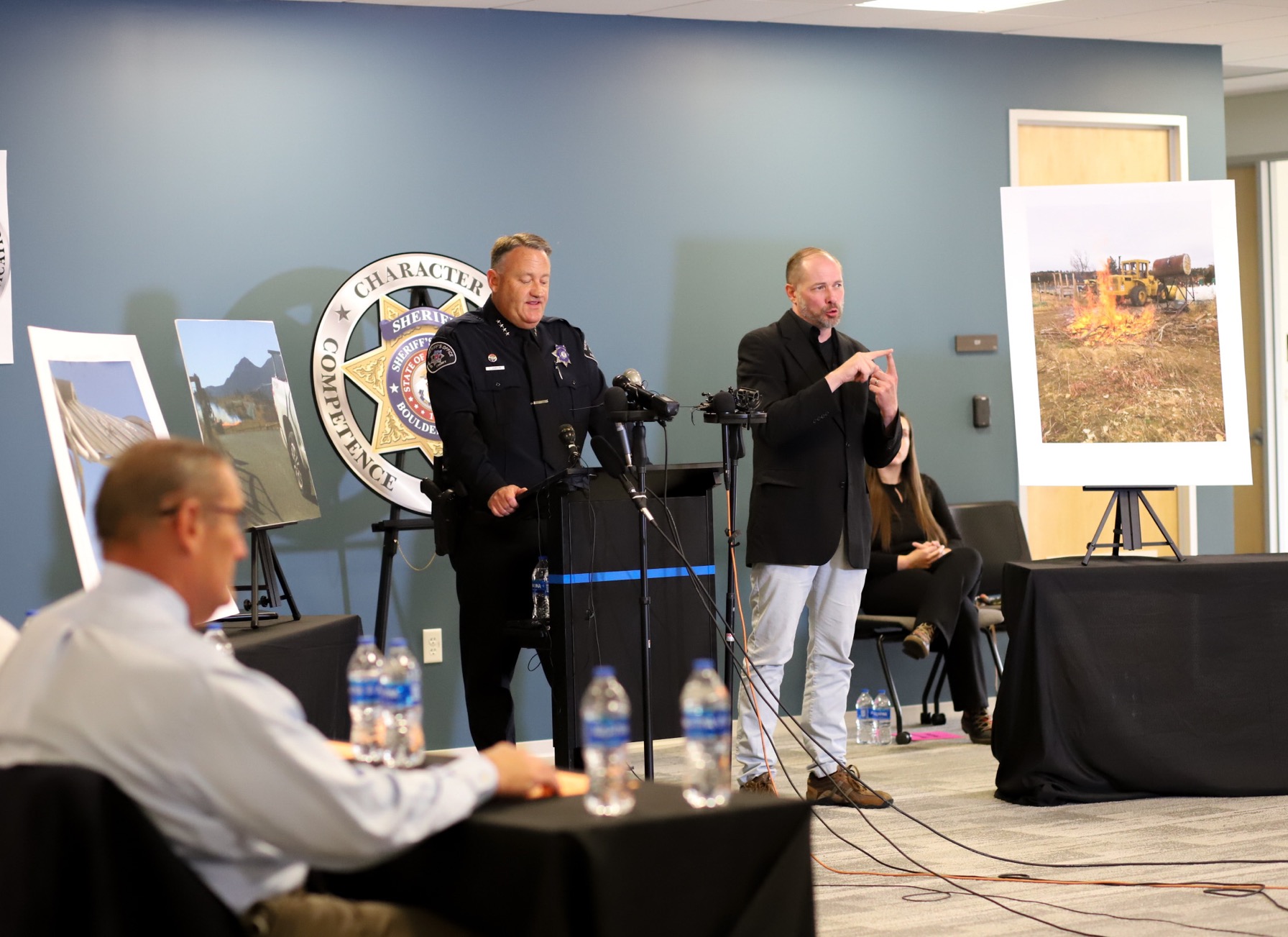
After 17 months of intense investigation, the Boulder County Sheriff’s Office Thursday announced the Marshall fire was actually two separate fires started by two separate causes within 2,000 feet and an hour apart.
The first: Human caused by a fire at property owned by Twelve Tribes that was left to smolder six days earlier. Investigators said the fire had been covered in dirt, but on December 30, 2021, the high-wind event uncovered and reignited the smoldering fire at about 11 a.m., Boulder County Sheriff Curtis Johnson said.
The second cause sparked at around noon by an unmoored Xcel Energy power line near the Marshall Mesa Trailhead, Johnson said. Xcel officials dispute that allegation.
Here’s a timeline of milestone events, as culled from Denver Gazette achieves.
Dec. 30, 2021: the Marshall fire began as two separate fires started by two separate causes within 2,000 feet and an hour apart.
Jan. 1, 2022: President Joe Biden approved a major disaster declaration for Colorado, opening up federal funding to support the devastation caused.
Jan. 2, 2022: Boulder County officials lead a news conference to provide updates on recovery efforts. They announced that they’d found a missing man alive and were searching for two others. The fire was 62% contained and around 1,600 people were without power after about 100,000 people lost electric service.
Jan. 3, 2022: Firefighters reached 100% containment on the perimeter of the fire, ending its spread at 6,026 acres, according to the Boulder Office of Emergency Management. A disaster assistance center opened in Lafayette, providing services including property loss and filing claims for assistance, financial and food assistance, mental health support and transportation.
Jan. 6, 2022: Boulder County Officials said 1,084 homes were destroyed and another 149 were damaged by the fire. Seven businesses were destroyed, too. Over half of the homes destroyed were in Louisville and an additional 378 were in Superior.
Jan. 7, 2022: The Boulder County Coroner’s Office announced that they identified the human remains found in a burn area as those of Robert Sharpe, 69.
Early January: President Joe Biden traveled to Colorado to survey the fire damage and made remarks at a Denver County community center. He also met with families grappling with the destruction.
Jan. 13, 2022: Donors from across the country had donated over $42 million to victims through the Community Foundation Boulder County’s wildfire fund and various GoFundMe pages.
Jan. 22, 2022: The Boulder County Disaster Assistance Center in Lafayette shut down after serving victims for three weeks. Officials said they were shifting their focus to longer-term recovery efforts.
Late January: The Marshall fire was called the most destructive fire in Colorado state history, destroying over 1,000 structures and resulting in up to about $1.6 billion in damage.The fire was one of $20 billion-dollar climate-related disasters in the U.S. in 2021, according to NOAA.
Jan. 31, 2022: Investigators said they were close to finishing their investigation into the cause and origin of the fire, but it could take weeks or months before final reports come in from labs and experts.
Feb. 10, 2022: Community Foundation Boulder County announced it gave more than $500,000 in mental health support for victims and people indirectly impacted by the Marshall Fire.
February: Residents whose homes or businesses suffered smoke or ash damage in the Marshall fire became eligible for financial assistance, when originally it was only available to those who lost their homes to do the blaze itself. Residents impacted were able to receive $2,500 for a household of one or two and $5,000 for three or more.
Early March, 2022: Video footage and mapping published by Denver Gazette’s news partner 9News showed that the fire likely had two points of ignition about a third of a mile from each other.
March 28, 2022: Fire season was considered year-round after two major fires broke out in Boulder County within three months, according to Colorado officials.
March 31, 2022: Eldorado Liquor store owners George and Lisa Kupfner filed a lawsuit against Xcel Energy after the Marshall Fire destroyed their business, alleging faulty power lines.
Apr. 20, 2022: Teams and trucks from DRC Emergency Services began removing debris in parts of Superior and Louisville. Nearly 700 fire victims signed up for the government-run Private Property Debris Removal Program.
Apr. 28, 2022: The Marshall Fire Benefit Concert launched online, which raised more than $750,000 for victims. About 13,400 people bought $10 passes to watch the 2.5-hour online concert.
May, 2022: Boulder County released more than a dozen hours of 911 calls that took place during the Marshall Fire. Common call themes included frustration with evacuation difficulties, mostly traffic-based, Calls for help from and on behalf of those unable to evacuate, concern over personal property, hesitancy to leave, callers describing the scene and callers accidentally calling the emergency line
June 6, 2022: County Commissioners unanimously approved requirements for residents in Boulder County to follow new building regulations requiring them to use ignition-resistant materials before they build new homes in response to the Marshall Fire.
June 27, 2022: The Boulder County Sheriff’s Office honored some of the unsung heroes who helped save human and animal lives, like a Superior woman who woke her neighbor and residents who cooked hot meals for deputies.
Aug. 10, 2022: Four new laws seeking to help prevent and respond to wildfires went into effect after being passed by the Colorado legislature earlier in the year.
- House Bill 1111 increased the amount of property lost to wildfires insurance providers have to cover upfront from 30% to 65% and extended the timeframe victims have to rebuild homes from 12 to 36 months.
- Senate Bill 114 allowed county commissioners to designate ponds as fire suppression ponds, protecting them from being drained if needed for firefighting.
- House Bill 1132 required all controlled burns on private property to be reported to local fire departments.
- House Bill 1012 invested over $7 million in forest health and restoration efforts.
October, 2022: The U.S. Department of Housing and Urban Development (HUB) granted permission to the state of Colorado to directly administer $6 million in Community Development Block Grant funds to fire victims, waiving the rule that required Boulder County to administer funds instead of the state.
Dec. 15, 2022: A Boulder County Sheriff’s Office news release said they intended to release cause and origin report in early 2023.
Dec. 29, 2022: Terri and Ed Colson moved into their rebuilt home a year to the day after the Marshall fire. The family had only lived in the original home for a year before it was destroyed in the fire, and their new home was an exact replica. They were the first Superior residents to receive a certificate of occupancy and the second fire victims to complete their rebuild and move in.
March 11, 2023: Eli Gabriella, 40, was helping to rebuild a Louisville home destroyed by the Marshall fire when he was caught in a piece of machinery and killed. Gabriella’s death was the third death associated with the 2021 blaze.
Apr. 27, 2023: The Rock Creek Homeowners Association modernized rules about fencing, voting unanimously to allow Marshall Fire victims and anyone else in the community to rebuild using metal fire-proof fencing. They are believed to be the first Marshall fire-represented HOA to allow fire-proof fencing.
June 8, 2023: Boulder County authorities released the cause and origin of the fire.
Get OutThere
Signup today for free and be the first to get notified on new updates.
PREV
PREVIOUS
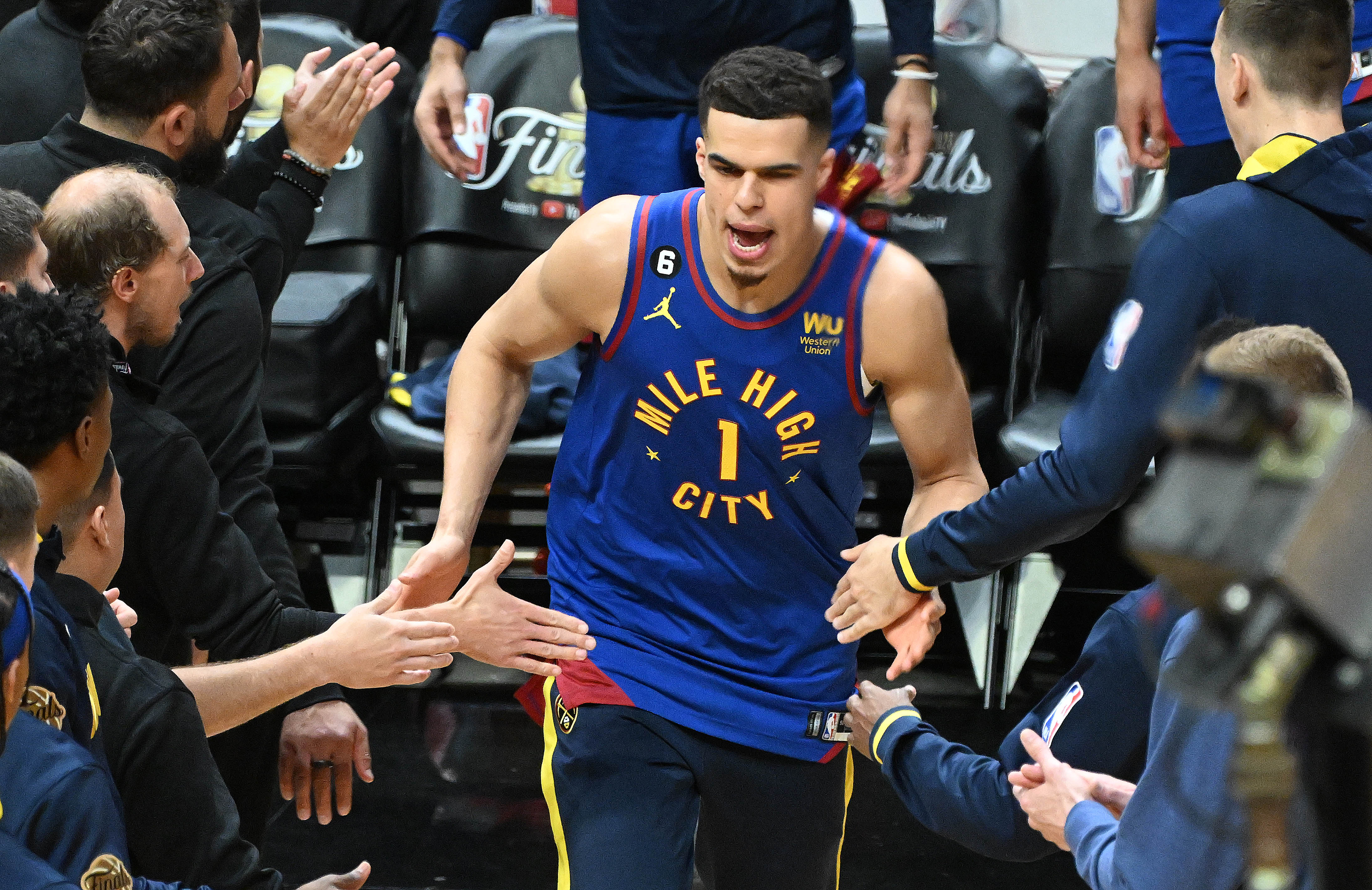
Michael Porter Jr., Kentavious Caldwell-Pope staying confident for Denver Nuggets despite NBA Finals shooting slumps
MIAMI – Shots aren’t falling for Michael Porter Jr. or Kentavious Caldwell-Pope, but neither is confidence. “For me, shooting and offense is natural. I can’t put too much stock into a couple rough games shooting-wise, even though I wish shots were falling, obviously,” Porter said before the Nuggets practice Thursday at Kaseya Center ahead of […]

3 keys for Denver Nuggets in Game 4 of NBA Finals against Miami Heat
Well, it doesn’t get much better than that. The Nuggets put together maybe their most impressive win of the postseason with a convincing 109-94 victory on the road in Game 3 of the NBA Finals against the Heat. Nikola Jokić and Jamal Murray put together one of the more special games by a duo in […]