







COLUMN: Denver’s ‘Fair Elections Fund’ gives false hope | Jimmy Sengenberger
When Denver voters approved the Fair Elections Fund in 2018, they did so with false hopes for grand promises. They believed the playing field would level for rookie candidates; big-money donors would lose influence; everyday residents would get a greater say in elections, and corruption would diminish.
Instead, it’s shaping up to be a raw deal for Denver taxpayers — and a boon to professional politicians.
Through the Fair Elections Fund, participating candidates in municipal elections agree to accept donations only from individuals and small-donor committees, and at lower contribution limits. The city matches each qualifying donation up to $50 at a nine-to-one ratio. Multiply $50 by nine, and nearly $500 in taxpayer dollars goes to that candidate’s campaign.
This was supposed to give upstart candidates a shot — a chance for someone with “good intentions, good ideas (to) compete.” That’s what mayoral candidate Aurelio Martinez told a forum in November. “One of the sole reasons I decided to run for mayor is because (the Fair Elections Fund) does level the playing field,” he said.
Unfortunately for Martinez, campaign finance records show the first-time candidate has since raised less than $6,000 in contributions. He’s received no money from the Fair Elections Fund yet. But Martinez is far from alone among the upstarts who expected a fair shake.
Lisa Calderón originally called it a “game-changer.” Now, she bemoans not being invited to mayoral forums, likely based on poor fundraising numbers. At last count, Denver’s 15 municipal races feature an historic 78 active candidates. Nearly 60 are participating in the Fair Elections Fund.
The fund made average Joes think they could raise the money needed to, say, run for mayor. But that was never really true. Even when candidates rely only on individuals and small-donor committees, newcomers can’t easily compete with the fundraising potential of established candidates like Democratic State Rep. Leslie Herod, City Councilwoman Debbie Ortega, or Kelly Brough, the former Denver Metro Chamber of Commerce CEO and ex-chief of staff to John Hickenlooper.
Against those mayoral campaign war chests, novice candidates can’t afford the inflated salaries of a dwindling number of available campaign consultants, let alone the best staffers. They may be stuck with shadier or lower-skilled operatives.
Herod has raised $217,853 in donations and tops the Fair Elections Fund dollars so far, at $157,592. Brough has brought in $361,755 in donations and $135,495 in taxpayer matches. Ortega has garnered $88,554 and comes in third for Fund support, at $95,751.
Well-connected candidates like Herod, Brough and Ortega have robust, preexisting networks they could immediately tap into. Even without big donors, their advantages are real — but this time, they get to lean on taxpayers, too.
Last week, I detailed extensively how Leslie Herod has spent $13,000 in Fair Elections Funds to pay her pricey lawyer, onetime GOP operative Mario Nicolais. Herod and Nicolais targeted a tiny, grassroots organization called Citizens for a Safe and Clean Denver — started by political neophytes who advocate for cleaning up Denver’s urban squalor — simply because they criticized Herod online.
The Fair Elections Fund was supposed to empower the little guy. Yet Herod — a professional politician — successfully weaponized the fund to target a tiny citizens group run by residents trying to clean up their communities.
If Herod has used taxpayer dollars to target small-time political enemies, what else are municipal candidates doing with these funds? Whom are they paying? For what purposes?
Denver’s Fair Elections Fund lacks sufficient controls. It can be used to pay consultants or attorneys. It could potentially pay for a “home office,” car, child care, personal events — helping to maintain a lifestyle. Money is also fungible: A candidate can use Fair Elections Funds for one purpose, freeing up other dollars for a more questionable purpose. Bury an expense under an LLC and no one will have a clue unless they go digging.
Let’s be real: Everyone claims to care about who donates to political campaigns, but we really need to start shining a light on who gets paid, how much and what for — especially when it comes to taxpayer money.
This kind of thing is especially important in local elections, where scrutiny is easier to skirt. Given how confusing it can be when you go down campaign finance rabbit holes trying to “follow the money,” disclosure alone isn’t enough to assuage concerns — especially when taxpayers are forced by law to contribute to candidates they may oppose.
The dream of limiting money in politics and leveling the political playing field is optimistic. Other cities — including Baltimore, Portland and New York City — have attempted similar small donor programs with comparable problems. While purportedly discouraging established candidates from seeking special-interest donations, these funds merely encourage them to drain tax dollars.
Already there’s talk that Denver’s Fair Elections Fund could hit its $8 million spending cap before the election. If that happens, the City Council can vote to pour more money into the boondoggle. Will council members vote to give their own campaigns and those of their friends more taxpayer dollars? After all — why wouldn’t they raise the limit?
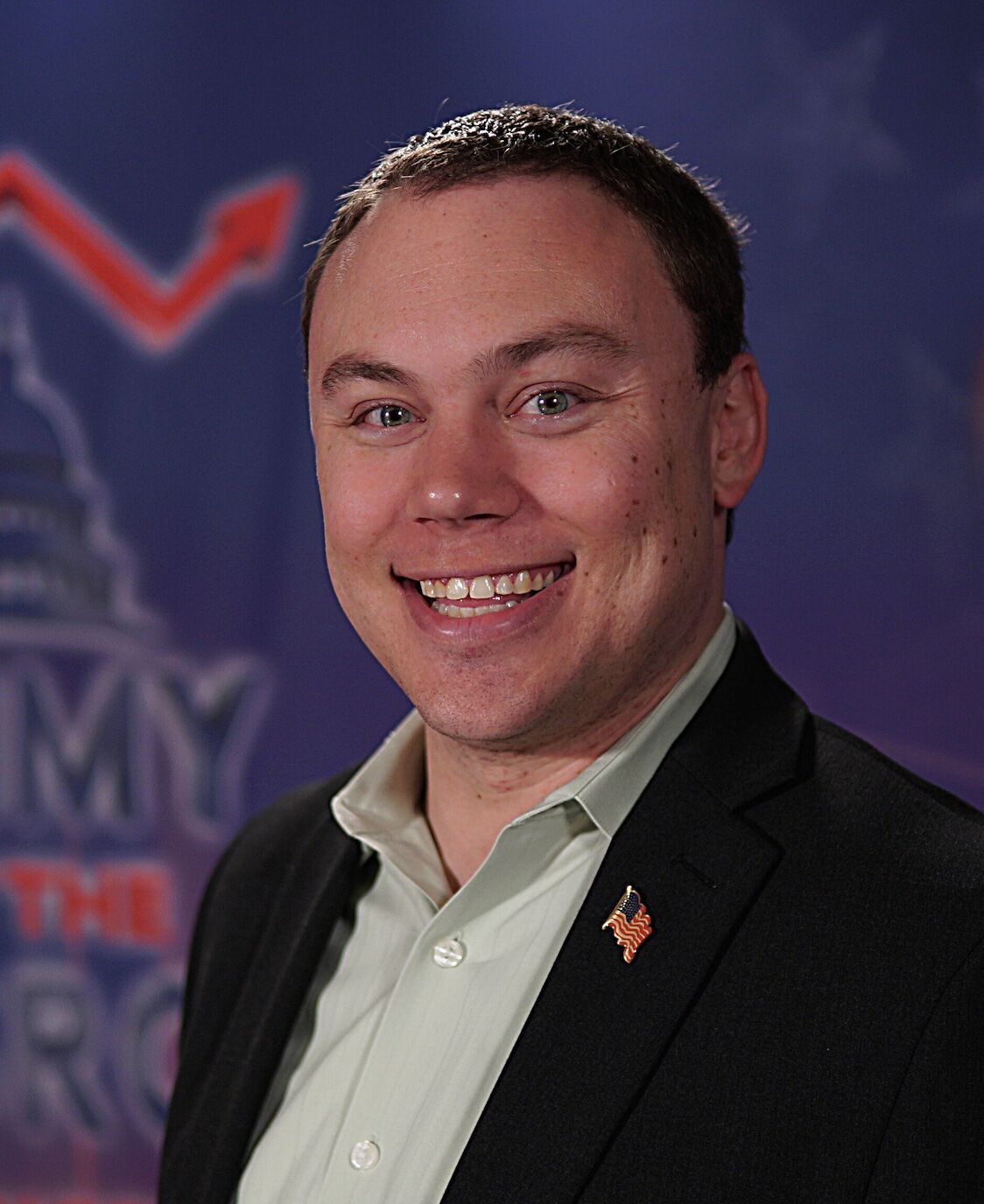
Jimmy Sengenberger is an investigative journalist, public speaker, and host of “The Jimmy Sengenberger Show” Saturdays from 6 a.m. to 9 a.m. on News/Talk 710 KNUS. Reach Jimmy online at JimmySengenberger.com or on Twitter @SengCenter.