Denver slaughterhouse needlessly harms workers, earth
On Nov. 2, the city of Denver received 15,000 signatures on a petition to ban slaughterhouses via next year’s election. Having worked on small, organic family farms myself and heard from many people who have lived near or worked in a slaughterhouse, I’m confident this is a move toward a more equitable world. Closing Denver’s slaughterhouse will help our local communities and pave a more food-secure future for all. Here’s why.
First, the single lamb slaughterhouse in Denver represents only a small fraction of the food industry, so closing it won’t hinder access to affordable food. In fact, abandoning animal cruelty and its negative impacts on people will preserve natural resources, allowing for well-fed generations to come. During my time collecting signatures, I spoke with thousands of regular, meat-eating Denverites who were interested in voting on this issue. They recognized the need to gradually transition away from animal slaughter as a society, as well as do away with our city’s slaughterhouse immediately. Here are five issues we often discussed:
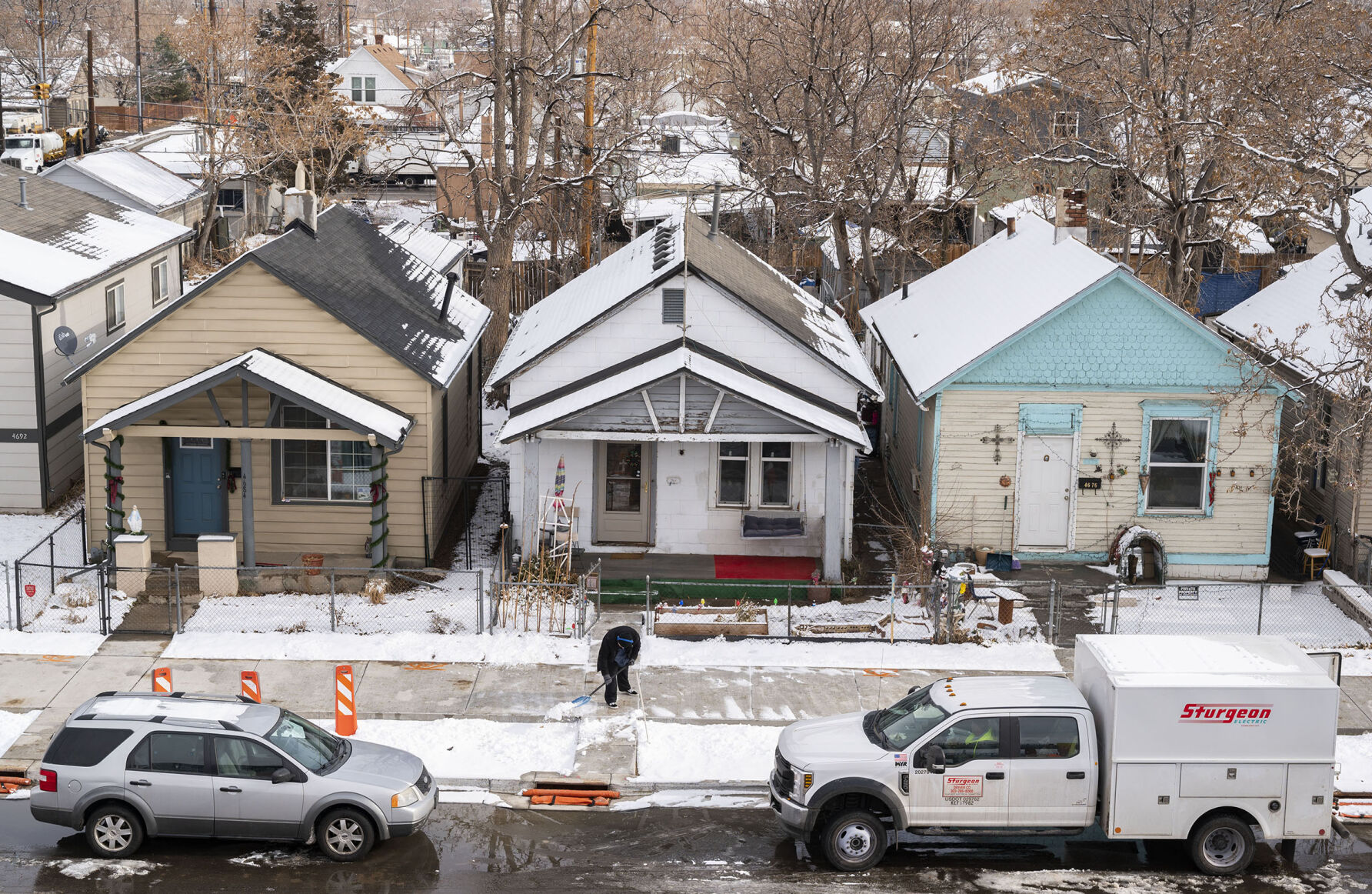
With the way Denver has grown, it’s unfair that the one remaining slaughterhouse is in a lower-income, Latino neighborhood that is already so polluted. According to one media report, that the slaughterhouse’s zip code 80216 was rated the most polluted residential area in America.
Denver’s slaughterhouse sits right on the South Platte River. It has violated the Clean Water Act for three years by failing to report its water discharge to the EPA. Nationwide, slaughterhouses dump 55 million pounds of bloody waste into waterways each year, and we’re concerned about the health of our local river.
Slaughterhouse workers face high rates of injuries, averaging two amputations a week in the U.S. But what makes these workplaces uniquely unhealthy is the constant killing. Imagine having to participate in the death of hundreds of lambs a day. One study found American slaughterhouse workers had 4x higher rates of depression than the general population.
Avoiding layoffs is no reason to sustain an industry that needlessly harms workers and the earth. Slaughterhouse jobs are known for extremely high employee turnover. If Denver voters ban slaughterhouses in November 2024, the slaughterhouse will have until Jan. 1, 2026 to close. By that time, the vast majority of current workers will have quit of their own accord. However, the proposed law also includes a clause to prioritize affected workers in the city’s workforce training and employment assistance programs. Workers will stay on their feet and transition to safer, greener jobs that will benefit Denver instead of harming it.
People who live near Denver’s slaughterhouse complain of the awful stench. Globeville residents tell me they avoid opening windows due to the smell.
If the law passes, will Denver owe compensation to Superior Farms, the company operating the slaughterhouse? Legal experts we spoke with are divided on whether “regulatory taking” even applies. The city may owe Superior Farms nothing. Even if the sales value of their property goes down, University of Denver Law Professor Justin Marceau says precedent does not support this being considered a taking. “One is not entitled to use their land for any profit-maximizing purpose they desire,” he commented. Unfortunately, Rachel Gabel’s recent column cited an exaggerated and unsupported cost estimate that came not from a lawyer, but from a marketing firm.
Many Denverites will vote to end slaughterhouses out of neighborly concern and environmental justice alone. Yet, people I spoke with are appalled by animal cruelty, too, as was I during my farm work experiences. Ask yourself: Does your vision of a kinder Colorado in 50 years include artificially breeding 430,000 lambs for workers to kill each year? Former slaughterhouse worker Susana Chavez has said, “I have two children and two grandchildren now, and I wouldn’t want any of them working in a slaughterhouse. But if not my children, then whose?”
Leaving cruelty behind is essential for human survival also. A 2020 Oxford study showed that even if we ditched fossil fuels today, emissions from our food system alone would cause anthropogenic global warming to exceed 1.5°C by 2050-2065. And a 2023 Oxford study showed eating plant-based causes 75% fewer greenhouse gas emissions and uses 75% less land. Evolving to a slaughter-free food system is a vital part of the climate solution.
It’s time to build a kinder, greener future where workers thrive and wildlife dominate our beautiful landscapes, not cows and sheep bound for slaughter. More than mere “consumers,” Denverites are conscientious citizens interested in feeding themselves while also voting for a more just society. Big changes are easier when we evolve together, and this measure absolutely gives Denver people the chance to raise their voice on some of the most important interconnected issues of our time.
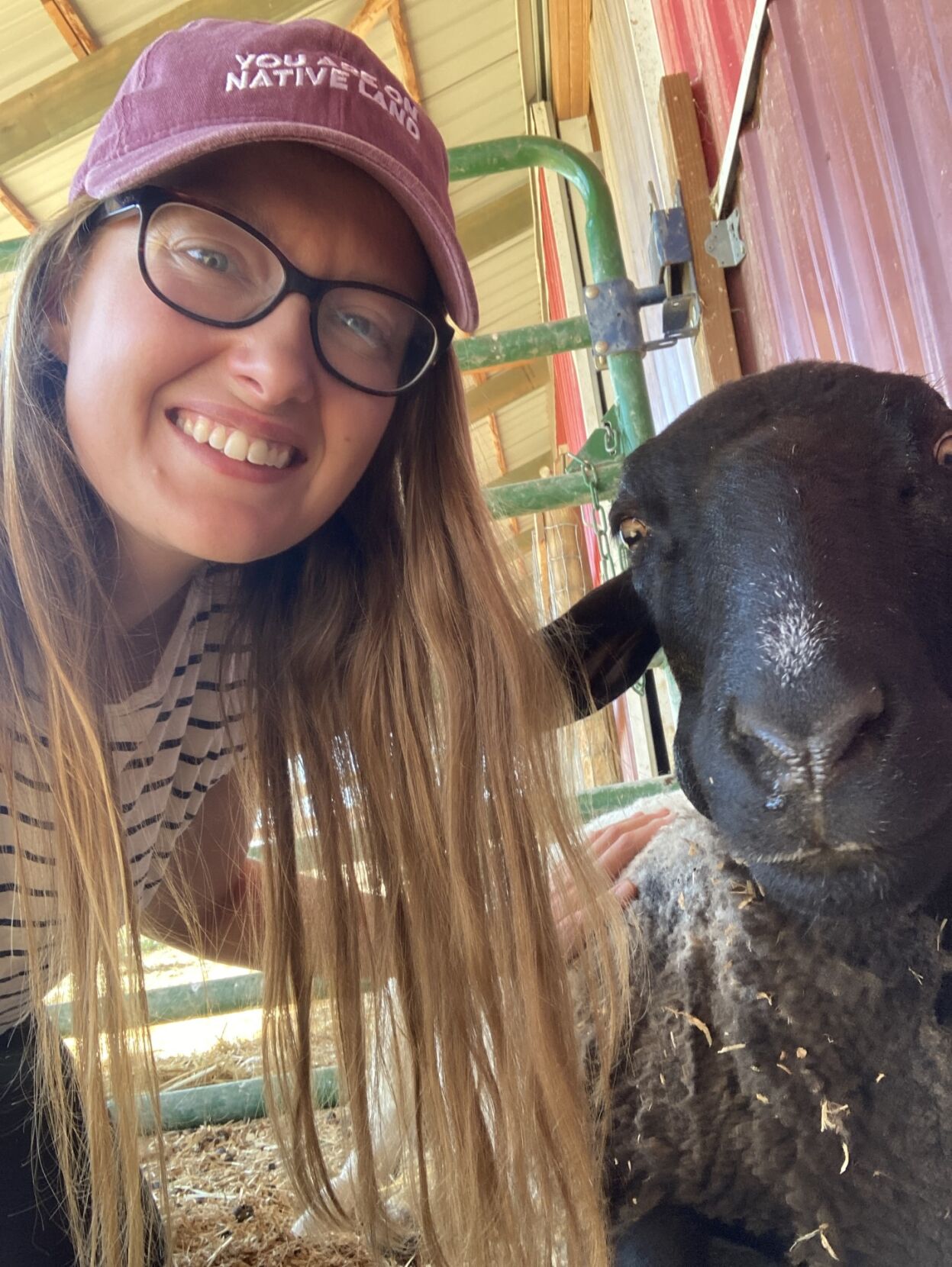
Lauren Uram is an organizer with Pro-Animal Future, a local group that seeks to turn public support for animals into law. She holds a BA in ecology from CU Boulder.