Electoral College vs. NVP — civilly, thoughtfully
The 2020 presidential debates were a study in contrasts. Last week’s version was civil, with each candidate putting forth their arguments and vision for the country, in turn, without much interruption. On the other hand, the first debate was a verbal wrestling match, with the candidates continually interrupting each other and engaging in personal attacks. Whereas the initial debate produced no insights for undecided voters, last week’s offered them an opportunity to distinguish the candidates’ platforms, policies and priorities.
Civil debate on fundamental issues facing society is vital to the future of our country. Robust discussion expands knowledge in a way that’s impossible when just one side of a topic is heard. The great Western philosophers spoke eloquently about the importance of hearing both sides of an issue. Georg Wilhelm Friedrich Hegel contended that when a thesis meets its antithesis, a subsequent synthesis, which was greater than the sum of its parts, is developed. John Stuart Mill argued, “He who knows only his own side of the case knows little of that.” No debater who is committed to an issue seeks compromise. Yet, often the best way for a middle way to be found is by two sides eloquently articulating their principled positions.
Unfortunately, reasoned debate is under attack in many institutions across the country. With the help of the Steamboat Institute, we’re taking the high road.
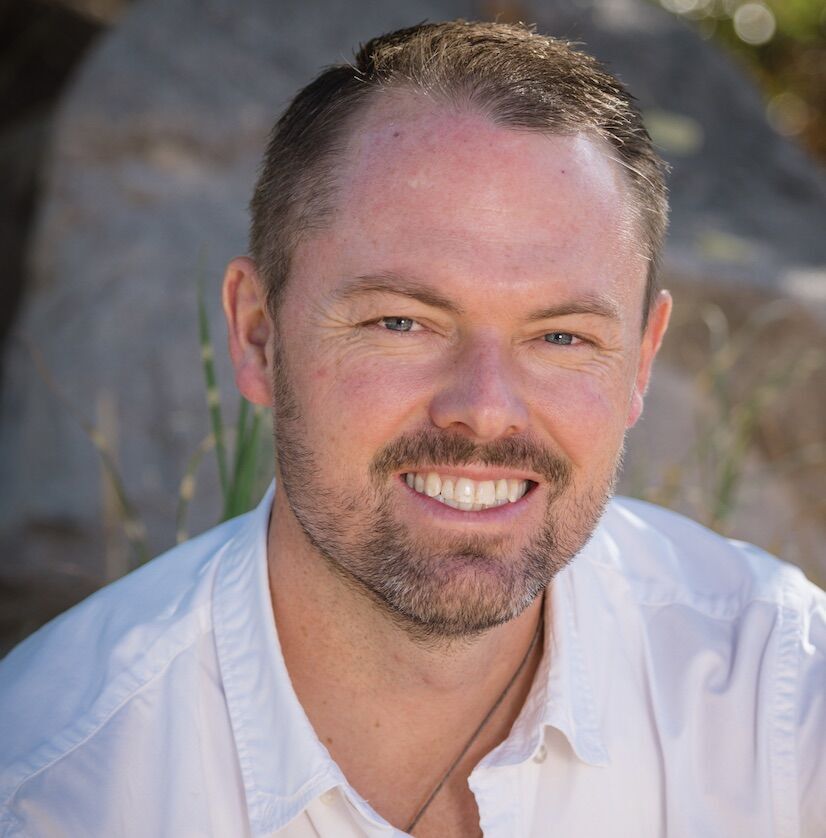
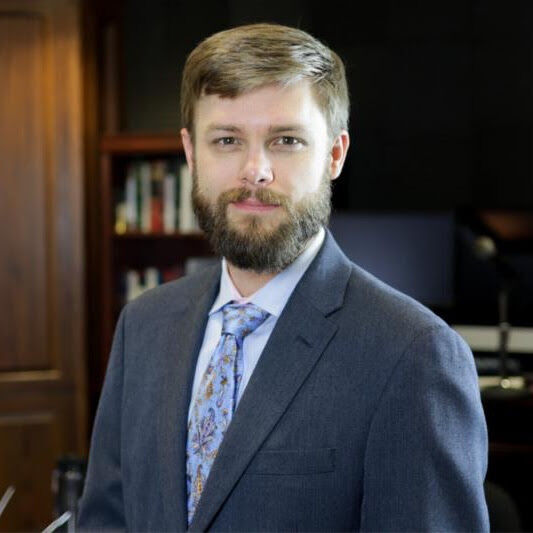
This evening in Denver, we’re participating in a free, in-person, public debate on the Electoral College vs. a national popular vote or NPV. While we disagree with each other’s positions on this issue — England favors the Electoral College while Waddell supports the NPV — we both fundamentally believe in the importance of articulating our views for the general public.
This debate couldn’t be timelier. On Election Day, Coloradans will vote on Proposition 113. If passed, the state will join the National Popular Vote Interstate Compact, a group of 14 other states that commit to allocating their states’ Electoral College votes to whichever presidential candidate wins the nation’s popular vote. If defeated, Colorado will continue to allocate its nine Electoral College votes to the candidate who wins the state’s popular vote.
We are strong proponents, respectively, of each voting system. Yet we recognize that each side’s argument has its merits. More importantly, we don’t view each other’s positions as character flaws. We respect one another as individuals, intellectuals, fathers, husbands and Americans. We don’t think of our differences first but rather what we have in common. That is the purpose of civil debates; they allow us to establish common ground, which is the only way to move forward in a world where two people will never see things exactly the same.
Contrast this respect with what political rhetoric has increasingly devolved into in this country, where rational debate has been subsumed by character assassination; logic has given way to “shooting the messenger”; and persuasion has been replaced by ad hominem attacks. This approach is no way to move forward as a country. Instead, it will increase and deepen our political divides.
We don’t want to come off as pretentious or preachy. We strongly believe our respective positions are fundamental to American democracy and the nation’s future. Yet as strongly as we feel about this issue, it’s secondary to the higher-order ideals of free speech, civility, politeness, and rational argument.
Commitment to civil and robust debate is more important now than ever. On college campuses across the country, protesters from both sides of the ideological spectrum are silencing their political opponents with intimidation. Big tech companies — the modern-day town squares — are censoring and muffling controversial viewpoints. The principle that the best way to counter offensive speech is with better arguments, is increasingly going out of fashion.
That’s why we’re so excited about participating in tonight’s debate. We hope that it — and the final presidential debate — can turn the tide back toward this timeless tradition of civil and robust discussion.
Trent England is the executive director of Save Our States. Benjamin Waddell is an associate professor at Fort Lewis College in Durango. Register to attend their debate or watch the livestream at steamboatinstitute.org/events.