





How long does it take to acclimate to Colorado’s high elevation?
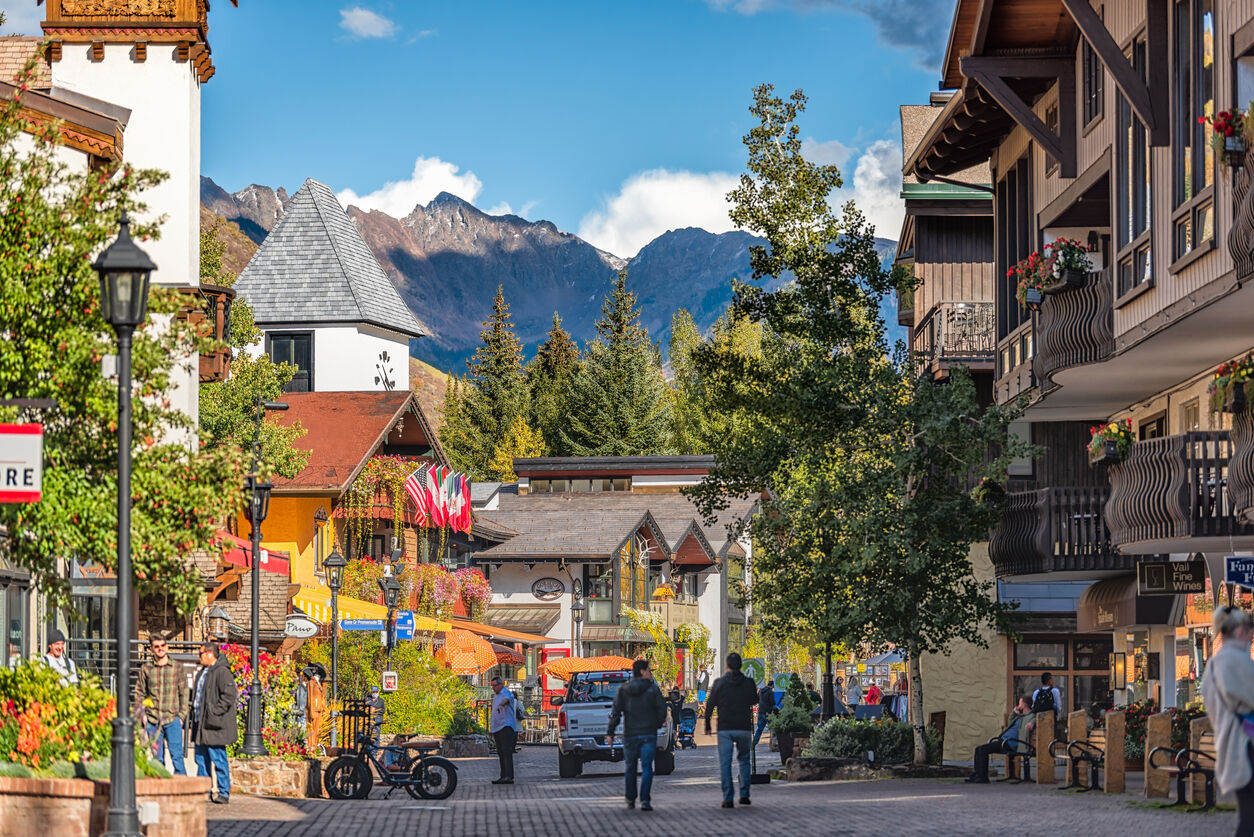
With an average elevation of about 6,800 feet above sea level, Colorado has the highest mean elevation in the country. As locals know too well, that elevation can have an impact on daily life, especially apparent when out-of-staters come to town for a visit.
A key reason why this elevation tends to impact tourists to a greater degree compared to residents is due to something called acclimation, with those who’s bodies aren’t used to the higher elevation of Colorado more likely to experience headaches, fatigue, nausea, and other symptoms of altitude sickness in most cases. The bodies of locals, however, have often had time to adjust to the decreased amount of oxygen in Colorado’s air, making these symptoms less likely to pop up.
This begs two key questions – at what elevation do the symptoms of altitude sickness start to appear and how long does the aforementioned acclimation take?
While everyone is different and each person may start to feel the effects of elevation at different thresholds, an elevation of about 8,000 feet is where many people start to notice symptoms of altitude sickness. According to the CDC, about 25 percent of all visitors to Colorado sleeping at this elevation or higher fall ill to acute mountain sickness.
That said, some people will even struggle during an extended layover at the mile-high elevation of Denver International Airport, too, while other people might notice symptoms popping up at lower elevations during a strenuous hike. It’s crucial to watch out for symptoms and be ready to travel to a lower elevation, if needed.
In terms of preventing symptoms, it’s best to take it slow, allowing time for the body to adjust as much as possible.
According to the CDC, it’s possible for the human body to acclimate to elevations of about 17,000 feet – but it takes time. Most acclimation to a new elevation higher than one is used to takes place in the first three to five days, but full acclimation can take weeks or months.
The CDC recommends acclimatizing at a sleep elevation in the range of 8,000 to 9,000 feet for a minimum of two to three nights before pushing higher, with the Wilderness Medical Society recommending that even a sleep elevation gain to 9,000 feet should take place over several days. Keep in mind that during this acclimation period, it’s important to take it easy. Otherwise, it’s quick to see a shift from no symptoms felt to something that feels like an awful and inescapable hangover.
As this pertains to Colorado, it might mean that tourists spend a relaxing night or two in Denver prior to heading to higher elevation mountain communities like Breckenridge, which is located at about 9,600 feet above sea level.
The Wilderness Medical Society also recommends that once at about 9,000 feet, additional elevation should be gained at about 1,650 feet or less per night of sleep. That doesn’t become much of a factor in terms of lodging in Colorado given that even the state’s highest town – Alma – tops out at about 10,578 feet, but it can be something to keep in mind as many resorts and trails reach much higher than that.
As far as long-term acclimatization goes, Center for Wilderness Safety says that most people are able to fully acclimate to a shift from sea level to 6,000 feet of elevation (roughly the elevation of Colorado Springs) in about three weeks. Meanwhile, adjusting to elevation closer to 10,000 feet (like Breckenridge) takes many people five weeks.
In addition to allowing the body to acclimate, there are some other options that can help to prevent the symptoms of altitude sickness, including limiting alcohol and exercise during initial days at a higher elevation while also drinking more water and eating more food, also being sure to replenish electrolytes, as well. Caffeine can be a factor, too, with Visit Colorado Springs recommending that caffeinated beverages are avoided at least one day prior to traveling to Colorado. That said, some other sources have recommended keeping caffeine intake regular to avoid withdrawal symptoms, as well.
As with any sort of medical-related topic or scenario, it’s important to contact your doctor prior to a trip to Colorado. They’ll be able to provide the best advice that’s tailored to your specific needs.
Read more about elevation and its effects on the body on the CDC website here.
STAY INFORMED: Get free Colorado news with our daily newsletter (Click here)
Get OutThere
Signup today for free and be the first to get notified on new updates.

PREV
PREVIOUS
Hiker faces deadly scenario after getting caught in quicksand at national park
As many adventurous children who have grown up to hit trails around the world have discovered, quicksand isn’t exactly the imminent threat that it was made out to be in cartoons from the 80s and 90s. That said, encountering quicksand in America is a very real possibility and it can pose a risk, as was […]

Coloradans spend the 3rd-most on alcohol in U.S. – here's how much booze the average adult buys
In a state where there’s no shortage of craft breweries and whiskey distilleries, it probably doesn’t come as much of a surprise that Coloradans spend more money on alcohol compared to residents of nearly every other American state. After all, booze has worked its way into Colorado’s culture in a big way, from people grabbing […]