




New bill would make it much easier to get a speeding ticket in Colorado
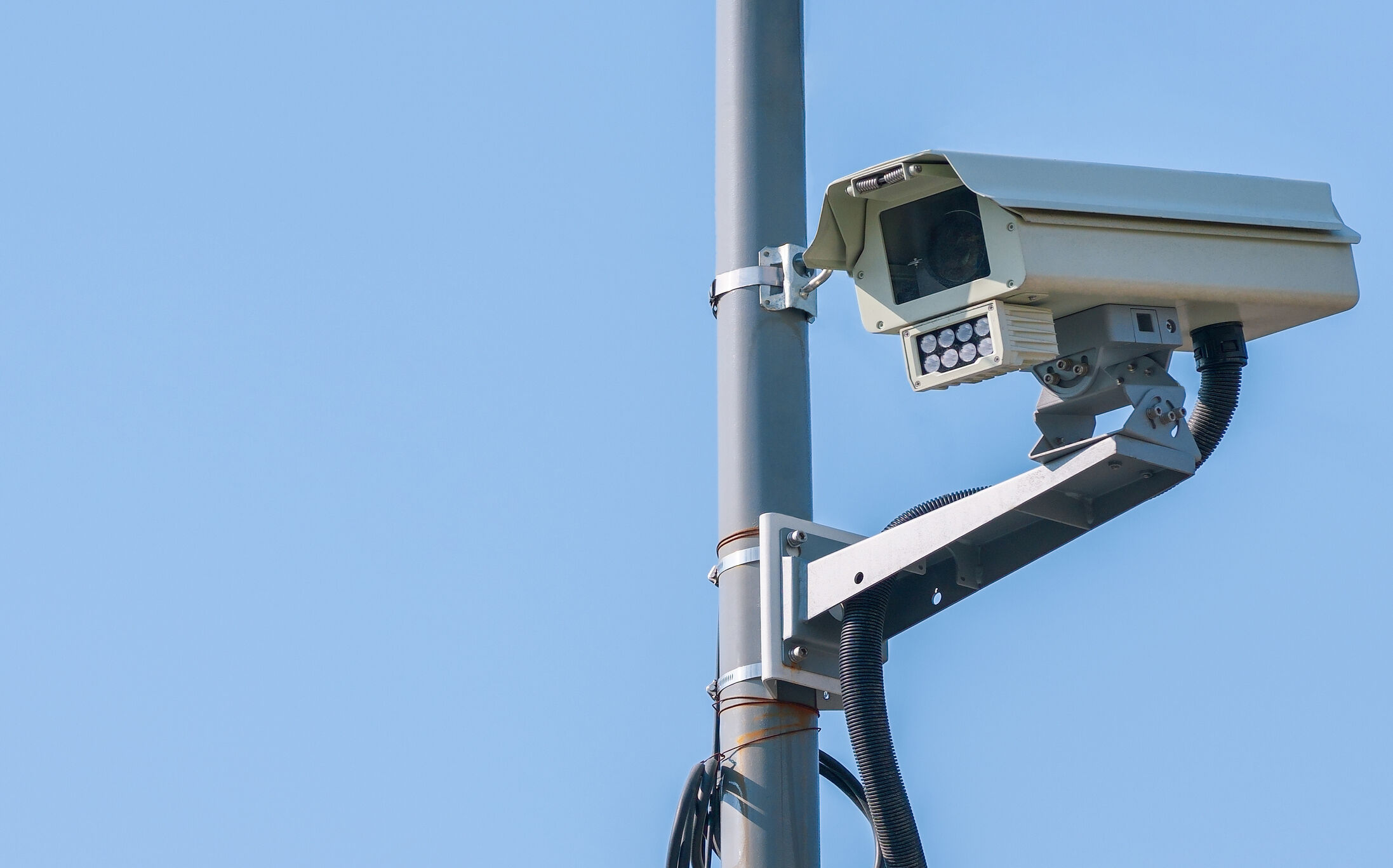
Speed cameras along Colorado’s roads have been a hot topic in recent months, most recently with the addition of several along a stretch of I-25 found north of Denver. Currently, these cameras give tickets to drivers traveling 10 miles per hour or more over the posted speed limit – but a proposed bill could lower that threshold if passed.
Senate Bill 26-152 titled ‘Concerning Changes to the Usage of Automated Vehicle Identification Systems‘ would lower the threshold for a ticket via a speed camera to just six miles per hour over the posted limit. While first-time violators in the range of six to nine miles per hour would get a warning the initial time, that’s not the case if caught speeding in a school zone or construction zone. In that case – and in cases involving second-time violators in the six to nine MPH-over range – a fine of $40 can be expected in the mail. Warnings may also be mailed to those caught speeding at less than six miles per hour over the posted limit, too. Those caught traveling 10 miles per hour or more over the posted speed limit can expect a fine without a warning.
It’s also worth noting that the bill would mean heftier fines for those caught speeding at higher rates – anyone traveling 25 miles per hour or more over the posted speed limit can expect a fine of $120.
There’s a lot more to unpack in the bill and it’s likely to go through various changes prior to passing – if that even happens. Either way, it’s a bill that Colorado drivers should be aware of.
It’s also worth noting that one of the most common questions related to the speed camera fines involves the question of legality given that there’s no officer issuing a ticket, rather just a fine showing up in the mail. According to an official statement: “The right to confront your accuser is a constitutional right, but only applies to criminal prosecutions. In Colorado, a speed camera ticket is a civil violation, not a criminal offense. Learn more at codot.gov/programs/speedenforcement.”
It’s also worth noting that when speed cameras are present, signage must be posted no less than 300 feet ahead of an impacted corridor.
Follow the progress of the bill (and find the full text that explains other proposed changes) here.
STAY INFORMED: Get free Colorado news with our daily newsletter (Click here)
Get OutThere
Signup today for free and be the first to get notified on new updates.
PREV
PREVIOUS
Effort to open iconic road that hits 12,183 feet in Colorado has officially started
Operations to get the iconic Trail Ridge Road that cuts through Rocky Mountain National Park open for the season are officially underway. Per an April 28 update from the park, snowplow operators are regularly doing their job on the road at this time and as a result, some access is limited. Members of the public […]

The perfect six-day family-friendly trip to Colorado Springs
Mountainscapes and cliffside roads can be a bit daunting when it comes to planning a trip to Colorado with kids in tow. That said – it doesn’t have to be that way. This trip to Colorado Springs is designed to hit accessible nature scenes, interactive experiences, and limit time spent in the hustle and bustle […]