




6 tips that will help you stay safe during rattlesnake season in Colorado
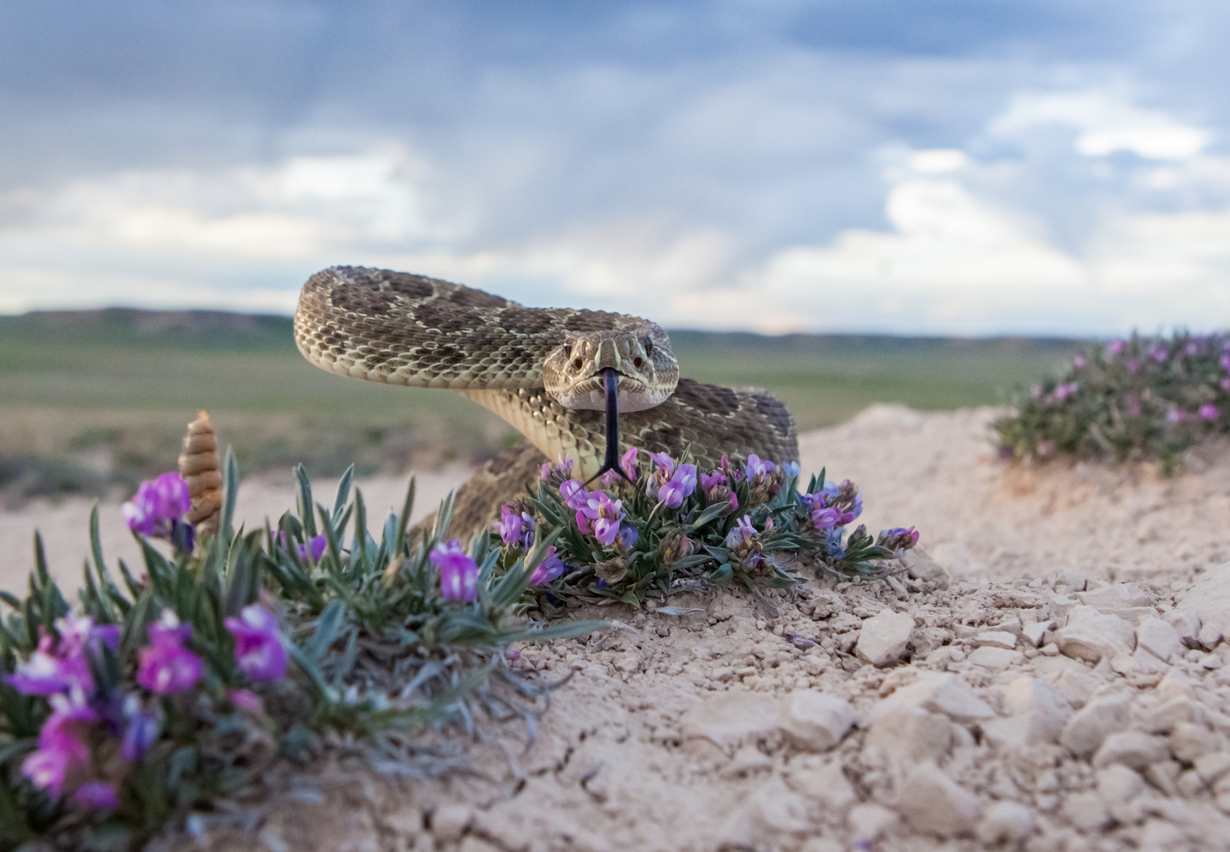
As the snow melts and temperatures rise, rattlesnakes are out and about. According to Colorado Parks and Wildlife, rattlesnakes are the most active during the late spring and early summer at dawn and dusk. You might encounter them while hiking, camping, and doing other outdoor activities, so it’s important to know what to do if you run into a rattlesnake.
Here are some tips to stay safe when it comes to navigating rattlesnake country:
1. Check/be aware of your surroundings
According to Denver Health, rattlesnakes are usually found around rocks, shrubs, tall grasses, and brush. Watch the trail ahead of you, and check before stepping over rocks, sitting down, reaching into dense brush or crevices, and while collecting firewood. And if you hear a rattle, try to locate where it’s coming from and move accordingly.
This way you’ll hopefully avoid rattlesnakes altogether, as they only bite defensively if they feel threatened. Rattlesnakes don’t tend to chase people and stop aggressive or defensive behavior when you get far enough away.
Remember, spring is a time when snakes tend to move around a lot as they search for warmth, this is one reason that can be found closer to the trail and pavement during this time of the year.
2. Wear appropriate clothing
Most rattlesnake bites happen to the hands, feet, and ankles. Consider wearing good quality hiking boots or tennis shoes, and even thick socks if recreating in rattlesnake territory. Gloves can also be helpful if moving around brush in a spot where a rattlesnake might be lurking.
3. Recognize rattlesnakes
According to Denver Health, rattlesnakes have flat, triangular shaped heads, openings between the nostrils and eyes, hooded and elliptical pupils, and tan and brown patchwork. The snakes’ rattles are made of modified scales, which is the tell-tale sign you’ve found a rattlesnake. That being said, don’t be fooled if there’s no rattling.
4. Leave the snake alone
If you do encounter a rattlesnake, stay calm and give it plenty of space. Back up and give the snake at least five to ten feet of berth – or more, if possible. Denver Health says that rattlesnakes can strike up to one third to one half of their overall length. You should also not provoke the snake by poking it, kicking it, throwing anything at it, or threatening it in any way. As stated above, threatened rattlesnakes are more likely to bite.
5. Know what to do if someone is bitten by a rattlesnake
Rattlesnake bites are a medical emergency, so seek immediate medical attention if bitten. Symptoms that follow a bite include intense pain spreading out from the bite, punctures from the fangs, swelling and bruising where bitten, sweating, weakness, nausea and vomiting, muscle twitching, metallic taste in mouth, and light-headedness or loss of consciousness.
According to Denver Health, you should keep the bitten body part at or slightly below heart level, remove all tight clothing and/or jewelry, and leave the bite site alone. Do not use any first aid measures like applying heat, cold, electricity or any substance to the bite. You should also try to remember what time the bite happened and snake’s color and shape, as it can help with medical treatment.
It’s also important to keep the heart rate lower, despite the intense situation of getting bitten. In other words, don’t start running down the trail. Try to remain calm.
6. Keep an eye on children and pets
Make sure children know how to avoid rattlesnakes and what to do if they do encounter one. Also, keep your dog on a leash in rattlesnake territory. While a snake might not be on the trail, they could be lurking in brush beside the trail, and this can be particularly problematic for off-leash pets.
Get OutThere
Signup today for free and be the first to get notified on new updates.
PREV
PREVIOUS
8 great places to go tubing around Colorado
Tubing is the perfect summertime adventure for relaxing, enjoying the sun, and getting a refreshing tip in the water. Looking to plan your next tubing adventure? Here are some great Colorado spots to go tubing: 1. Upper Colorado River, Dotsero This route takes about two to two and a half hours depending on river flow, […]

America's 'best pizza spot' isn't NYC or Chicago – it's in Colorado, says report
Sure, there’s good pizza to be found in Colorado, but I don’t think anyone has ever claimed that a place in the Centennial State is the pizza capital of the country – that is, until a recent data analysis was released from a publication called Clever. Clever took a look at eight different pizza-related metrics […]