




POWERFUL RAYS: Here’s how much stronger the sun is in Colorado
If you seem to sunburn easier in Colorado, you’re not alone. While everyone on the planet gets hit by the same sun, an investigation into related factors reveals why the sunlight can seem so much more powerful in Colorado.
The biggest factor in why sunburns are so easy to get in Colorado comes with the high elevation of the state. While research findings vary, studies have shown that the power of the sun (or ultraviolet intensity) can increase from 1.8 percent (EPA.gov) to 10 percent (American Academy of Dermatology) per every 1,000 feet of elevation gained from sea level. This means that even at Colorado’s lowest point of 3,317 feet, people may experience sunlight that’s between 6 to 33 percent more intense on the skin compared to sea level. At the state’s average elevation of 6,800 feet, the intensity is 12 to 68 percent higher than sea level. At the state’s highest point of 14,433 feet, the intensity is 26 to 144 percent higher.
Though different studies have taken place on how elevation impacts solar intensity, revealing different results landing in the aforementioned range, the punchline is clear and consistent – higher elevation means exposure to more powerful rays of sun.
While a number of contributing factors exist, the main reason for this uptick in UV intensity is, in short, that Colorado’s higher elevation means there’s less between it and the sun. While a few thousand feet wouldn’t have much impact on sunlight intensity if that sunlight were encountered in space, when sunlight is penetrating Earth’s atmosphere, those few thousand feet matter quite a bit. Earth’s atmosphere is fairly effective at scattering UV rays, thus lowering their intensity. When there’s less atmosphere in the way, the sunlight becomes more direct.
One 1999 study published by the American Academy of Dermatology measured sunlight intensity in three American cities – New York, Vail, and Orlando. The study found that someone with the “average complexion” in Vail would burn in six minutes if at 11,000 feet, while the same person at sea level would burn at 25 minutes in New York and 14 minutes in Orlando, with latitude being the reason behind this sea-level difference. Because of these differences, the study concluded that a year-round resident at 8,500 feet would have a 115 percent greater chance of developing non-melanoma skin cancer compared to someone at sea level at the same latitude.
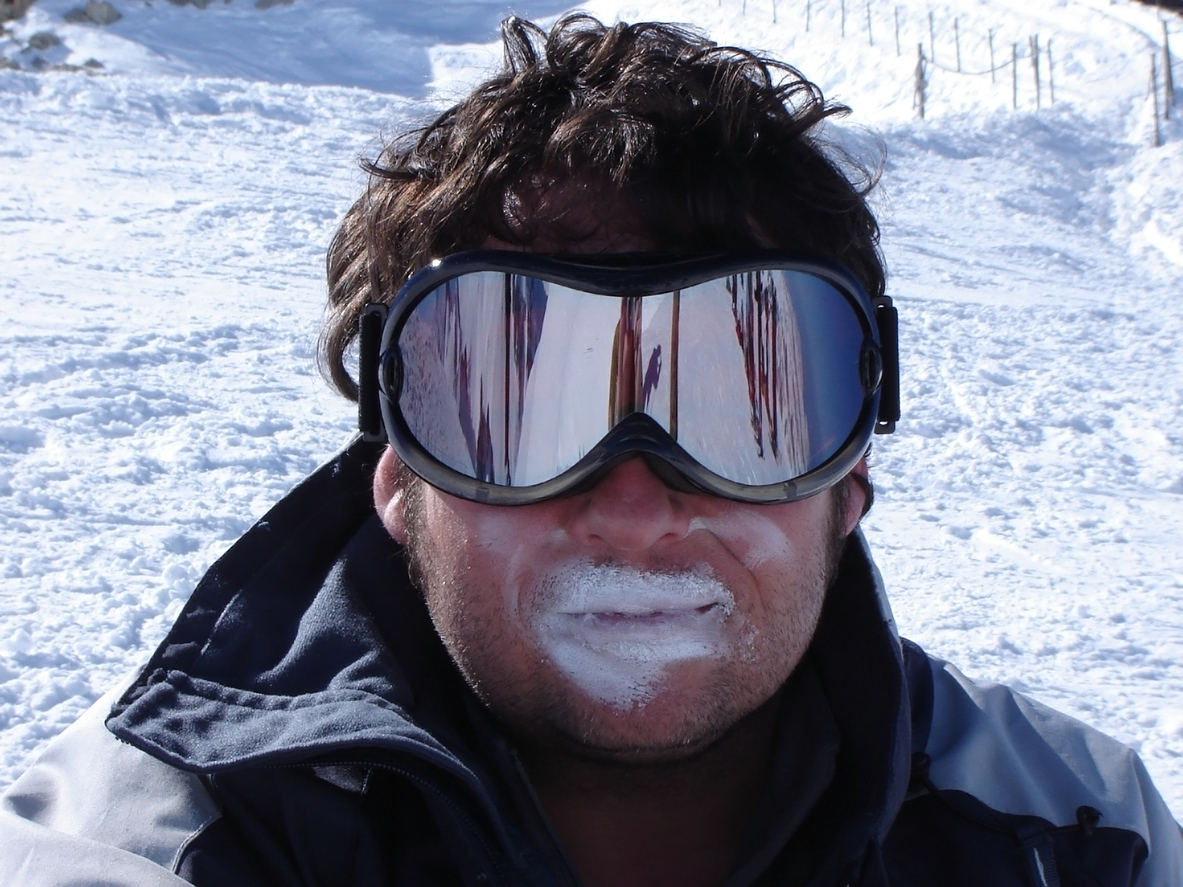
Another factor that’s been investigated regarding sun exposure in mountainous areas is the impact of snow on the ground. A 2016 study, specifically looking at Austria, found that “reflected upward radiance” from snow can further amplify the intensity of the sun’s rays. While this can impact those living in snowy conditions for longer periods of time, it can also explain why it seems even easier to get a sunburn in the winter – think about those prominent goggle tans.
So, there you have it – it’s not in your head, the sun does hit Colorado harder, especially in the mountains. Always wear your sunblock and stick an extra bottle in your car for when you forget to pack one in your bag. You won’t regret it.
STAY INFORMED: Sign-up for the daily OutThere Colorado newsletter here
Get OutThere
Signup today for free and be the first to get notified on new updates.
PREV
PREVIOUS
Hikers, be warned – springtime fourteener hiking still means deadly conditions
Don’t be fooled by dry trails in your Colorado hometown – the highest peaks of the state are still very snowy, presenting a number of deadly risks that can’t be underestimated. If you’re headed out to hike Colorado’s fourteeners, know that you’ll need to utilize your winter hiking set-up for at least a few more […]

Colorado cyclists now allowed to roll through stop signs thanks to new law
Colorado Governor Jared Polis signed the ‘Safety Stop’ bill into law on Wednesday, meaning that Colorado’s cyclists will now be allowed to legally treat stop signs like yield signs and stop lights like stop signs when safe to do so. The law applies to those 15 and older on bicycles, e-bikes, and electrically-assisted scooters, with […]